



Netmeds First Membership
Quick Links
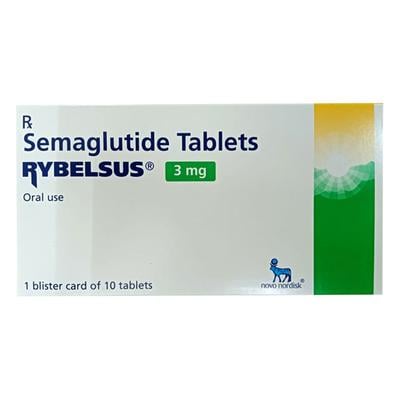
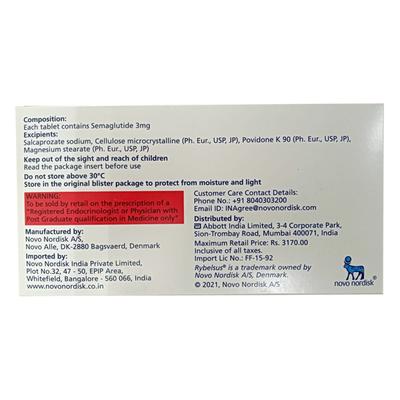
Introduction About RYBELSUS 3MG TABLET
Patients should take RYBELSUS 3mg Tablet exactly as prescribed by their healthcare provider. It should be taken once daily in the morning on an empty stomach with no more than 120 mL of plain water. Swallow the tablet whole without crushing, splitting, or chewing it, and wait at least 30 minutes before eating, drinking, or taking other oral medicines. The 3mg dose is usually used as the starting dose for the first 30 days before the doctor considers increasing the dose.
Precautions include informing the doctor about a history of pancreatitis, gallbladder problems, kidney disease, diabetic eye disease, or severe stomach-emptying problems. RYBELSUS should not be used in people with a personal or family history of medium-sized thyroid carcinoma or Multiple Endocrine Neoplasia syndrome type 2, or in those with a serious allergy to semaglutide. Patients should seek medical attention for severe abdominal pain, persistent vomiting, dehydration, or signs of an allergic reaction.
RYBELSUS should generally be avoided during pregnancy, and women planning pregnancy should discuss stopping treatment with their doctor at least 2 months before conception. Breastfeeding is not recommended during treatment. Common side effects include nausea, abdominal pain, diarrhoea, decreased appetite, vomiting, and constipation. These effects may be more noticeable when treatment is started or the dose is increased and should be discussed with a healthcare provider if they are persistent or severe.
Uses Of RYBELSUS 3MG TABLET
- Helps in the management of type 2 diabetes along with diet and exercise to improve blood sugar control
- Used in certain patients with type 2 diabetes to reduce cardiovascular risk.
Benefits of RYBELSUS 3MG TABLET
Helps Manage Type 2 Diabetes and Improve Blood Sugar Control
RYBELSUS helps improve blood sugar control in adults with type 2 diabetes. It works by increasing insulin release when blood sugar levels are high. It also reduces glucagon secretion, which helps lower blood glucose levels. When used with a healthy diet and regular exercise, it can support better overall diabetes management.
Supports Cardiovascular Health and Helps Reduce Heart-Related Risks
RYBELSUS may provide cardiovascular benefits in certain adults with type 2 diabetes. It can help reduce the risk of major cardiovascular events in patients with established cardiovascular disease. These events may include heart attacks and stroke. Its cardiovascular benefits are considered alongside appropriate diabetes and heart-health management.
How RYBELSUS 3MG TABLET Works
Activates GLP-1 Receptors to Regulate Blood Glucose
Semaglutide mimics the natural GLP-1 hormone and activates GLP-1 receptors in the body. It enhances insulin release when blood glucose levels are elevated and reduces glucagon secretion. This helps lower blood glucose levels and improve overall glycaemic control.
Slows Gastric Emptying and Reduces Appetite
Semaglutide slows the movement of food from the stomach into the intestine, which can help reduce the rate at which glucose enters the bloodstream. It also acts on appetite-regulating areas of the brain, which may reduce hunger and food intake.
How to use RYBELSUS 3MG TABLET
- Take RYBELSUS once daily in the morning on an empty stomach, as directed by your doctor.
- Take the tablet with plain water only, using no more than 120 mL (about half a glass).
- Wait at least 30 minutes before eating or drinking anything other than water or taking other oral medicines.
- Swallow the tablet whole with water. Do not crush, split, or chew the tablet.
- Take the medicine at the same time each day to maintain a consistent treatment routine.
- Follow your prescribed dose schedule carefully, as the 3mg dose is generally used as the starting dose before the doctor considers increasing it.
What if I forgot to take RYBELSUS 3MG TABLET
- Skip the missed dose and take your next dose at the usual time the following day.
- Do not take two doses on the same day to make up for the missed dose.
- Continue taking RYBELSUS according to your regular dosing schedule.
- Try to take RYBELSUS at the same time each morning to help avoid missing doses.
- If you frequently forget doses, speak with your doctor or pharmacist for advice on maintaining a regular medication schedule.
Overdose
Taking more than the prescribed dose of RYBELSUS 3mg Tablet may increase the risk or severity of side effects, particularly nausea, vomiting, diarrhoea, and abdominal discomfort, which can lead to dehydration. If you have taken more RYBELSUS than prescribed, contact your doctor or seek medical attention promptly. Do not take another dose until you have received appropriate medical advice.
Side Effects Of RYBELSUS 3MG TABLET
Common side effects of RYBELSUS 3mg Tablet
- Nausea
- Abdominal discomfort
- Diarrhoea
- Reduced appetite
- Vomiting
- Constipation
- Bloating
- Heartburn
- Altered taste
- Tiredness
- Dizziness
When to consult your doctor?
- Inflammation of the pancreas (pancreatitis) symptoms such as severe abdominal pain
- Complications of Diabetic Retinopathy symptoms such as changes in vision
- Low blood sugar (hypoglycaemia) symptoms such as dizziness, light-headedness, blurred vision, anxiety, irritability, sweating, slurred speech, hunger, confusion, drowsiness, shakiness, weakness, headache, fast heartbeat, or feeling jittery
- Kidney problems, including kidney failure symptoms such as diarrhoea, nausea, and vomiting
- Serious allergic reactions symptoms such as itching, rash, or difficulty breathing
- Thyroid Tumours, including cancer symptoms such as lump or swelling in the neck, difficulty swallowing, persistent hoarseness, or shortness of breath
How To Manage Side Effects
Constipation
- Stay Hydrated: Drink plenty of water throughout the day to help soften stools and support regular bowel movements.
- Increase Fibre Intake: Include fibre-rich foods such as fruits, vegetables, and whole grains in your diet.
- Regular Physical Activity: Gentle exercise like walking can help stimulate bowel function.
- Establish a Routine: Try to go to the toilet at the same time each day without delaying the urge.
- Avoid Heavy or Processed Foods: Limit intake of low-fibre and highly processed foods that may worsen constipation.
Diarrhea
- Stay Hydrated: Drink water, oral rehydration solutions, or electrolyte-rich fluids to control dehydration.
- Eat Light Foods: Consume easily digestible foods such as rice, bananas, toast, and curd.
- Avoid Trigger Foods: Limit spicy, fatty, or dairy-rich foods that may aggravate symptoms.
- Maintain Hygiene: Wash hands regularly and ensure food is prepared safely to reduce further irritation.
- Rest Adequately: Allow your body to recover and avoid strenuous activities until symptoms improve.

Dizziness Or Drowsiness
- Sit or Lie Down: If you feel dizzy, sit down, or lie down immediately to reduce falling. Keep your head still and close your eyes if needed.
- Hydrate: Dehydration can cause dizziness, so drink water or electrolyte-replenishing drinks like sports drinks.
- Avoid Sudden Movements: When standing or sitting, do so slowly to avoid triggering dizziness. Take your time when getting up.
- Eat Small, Regular Meals: Low blood sugar can cause dizziness, so eat small meals throughout the day and avoid skipping meals.
- Fresh Air: Sometimes dizziness can be alleviated by taking slow, deep breaths in a well-ventilated area.
Warning & Precautions

Pregnancy
ContraindicatedRYBELSUS 3mg Tablet should generally not be used during pregnancy unless specifically advised by a doctor. Available human data is insufficient, while animal studies suggest potential risks to the fetus. Women planning pregnancy should discuss stopping RYBELSUS with their doctor at least 2 months before planned pregnancy.

Breastfeeding
ContraindicatedBreastfeeding is not recommended during treatment with RYBELSUS 3mg Tablet. Consult your doctor before using this medicine while breastfeeding.

Driving and Using Machines
Use with CautionRYBELSUS 3mg Tablet itself is not generally known to impair driving ability, but dizziness or low blood sugar may occur, particularly when used with insulin or sulfonylureas. Avoid driving or operating machinery if you experience symptoms that affect alertness.

Kidney
Use with CautionRYBELSUS 3mg Tablet should be used with caution in patients who develop nausea, vomiting, or diarrhoea, as dehydration may affect kidney function. Your doctor may monitor kidney function if significant fluid loss occurs.

Liver
Consult your doctorNo routine dose adjustment is generally required for patients with liver impairment. However, inform your doctor about any liver condition before starting treatment so that your overall treatment can be appropriately assessed.

Allergy
ContraindicatedDo not take RYBELSUS if you have had a serious allergic reaction to semaglutide or any of its ingredients.

Heart Disease
Consult your doctorRYBELSUS may be prescribed to reduce the risk of major cardiovascular events in certain adults with type 2 diabetes who are at high cardiovascular risk. Inform your doctor about any existing heart conditions and continue other prescribed cardiovascular treatments.

Use In Pediatrics
Consult your doctorRYBELSUS is indicated for adults with type 2 diabetes. Its safety and effectiveness in children have not been established in the current prescribing information.

Use In Geriatrics
Consult your doctorRYBELSUS may be used in older adults when prescribed by a doctor. However, elderly patients should be monitored for gastrointestinal side effects, dehydration, and other treatment-related problems, particularly during dose initiation and escalation.
Other Warnings for RYBELSUS 3MG TABLET
Before taking RYBELSUS 3mg Tablet, inform your doctor if you have:
- Personal or family history of medullary thyroid carcinoma (MTC)
- Multiple Endocrine Neoplasia syndrome type 2 (MEN 2)
- History of pancreatitis
- Severe stomach-emptying problems or gastroparesis
- Diabetic retinopathy
- Gallbladder disease
- Previous serious allergic reaction
- Treatment with insulin or sulfonylureas
Safety Advice
- Follow the prescribed dose: Do not increase, decrease, or stop RYBELSUS without consulting your doctor.
- Take it correctly: Take the tablet in the morning on an empty stomach with plain water and wait at least 30 minutes before food, drinks, or other oral medicines.
- Watch for severe stomach symptoms: Persistent vomiting or diarrhoea can cause dehydration and may affect kidney function. Seek medical advice if symptoms are severe.
- Report unusual abdominal pain: Severe or persistent abdominal pain, especially if it radiates to the back, may require urgent medical evaluation.
- Monitor your vision: Patients with diabetic retinopathy should inform their doctor about any changes in vision during treatment.
- Be alert for low blood sugar: The risk may increase when RYBELSUS is used with insulin or sulfonylureas. Follow your doctor's advice on blood-glucose monitoring.
- Inform healthcare professionals: Tell your doctor or anaesthetist that you are taking RYBELSUS before surgery or procedures requiring anaesthesia or deep sedation.
- Plan pregnancy carefully: If pregnancy is planned, discuss stopping RYBELSUS with your doctor at least 2 months beforehand.
Diet and Lifestyle Advice
- Follow a balanced, diabetes-friendly diet with plenty of vegetables, whole grains, lean proteins, and high-fiber foods.
- Limiting sugary foods, sweetened beverages, refined carbohydrates, and highly processed foods to support better blood glucose control.
- Eat regular, portion-controlled meals and avoid overeating, particularly if you experience nausea or reduced appetite.
- Drink enough water throughout the day to help prevent dehydration, especially if vomiting or diarrhoea occurs.
- Include regular physical activity, such as walking or other exercises recommended by your healthcare provider.
- Maintain a healthy weight and monitor your blood glucose regularly as advised by your doctor.
- Avoid excessive alcohol intake, as it may interfere with diabetes management and increase the risk of certain side effects.
Drug - Drug interaction
1. Insulin and Sulfonylureas (e.g., glimepiride, gliclazide)
· Interaction: RYBELSUS may increase the blood glucose-lowering effect of insulin and sulfonylureas, increasing the risk of hypoglycaemia.
· Management: Monitor blood glucose regularly. Your doctor may reduce the dose of insulin or sulfonylurea if required.
2. Levothyroxine
· Interaction: Oral semaglutide may increase the exposure to levothyroxine when taken together.
· Management: Thyroid function should be monitored, and the levothyroxine dose may be adjusted by the doctor if necessary.
3. Other Oral Medicines
· Interaction: RYBELSUS delays gastric emptying and may affect the absorption of some oral medicines, particularly medicines requiring careful monitoring.
· Management: Inform your doctor about all oral medicines you take. Your doctor may recommend appropriate monitoring or dose adjustment where necessary.
Drug - Food interaction
1. Food and Beverages
· Interaction: Food, drinks other than water, and taking RYBELSUS too close to meals can significantly reduce the absorption of semaglutide and may reduce its effectiveness.
· Management: Take RYBELSUS in the morning on an empty stomach with no more than 120 mL of plain water. Wait at least 30 minutes before eating, drinking, or taking other oral medicines.
Synopsis
|
Drug |
Semaglutide |
|
|
Pharmacological Category |
GLP-1 receptor agonist |
|
|
Therapeutic Indication |
Type 2 diabetes mellitus; cardiovascular risk reduction in certain adults with type 2 diabetes |
|
|
Dosage Forms |
Tablet |
More Information
1. RYBELSUS 3mg Tablet vs Other Oral Diabetes Medicines
|
Feature |
RYBELSUS 3mg Tablet |
Other Oral Diabetes Medicines |
|
Active Ingredient |
Semaglutide |
Depends on the medicine |
|
Drug Class |
GLP-1 receptor agonist |
Includes metformin, DPP-4 inhibitors, SGLT2 inhibitors, sulfonylureas, etc. |
|
Blood Sugar Control |
Helps improve blood glucose control through glucose-dependent insulin release and reduced glucagon secretion |
Mechanism varies according to the drug class |
|
Weight Effect |
May help reduce appetite and body weight |
Varies; some may cause weight loss, while others may cause weight gain |
|
Administration |
Once daily on an empty stomach with plain water |
Usually taken according to the specific medicine's instructions |
|
Hypoglycaemia Risk |
Lower when used alone; risk increases with insulin or sulfonylureas |
Varies by medicine and combination therapy |
2. RYBELSUS 3mg Tablet vs Metformin
|
Feature |
RYBELSUS 3mg Tablet |
Metformin |
|
Active Ingredient |
Semaglutide |
Metformin |
|
Drug Class |
GLP-1 receptor agonist |
Biguanide |
|
Main Use |
Used to improve blood sugar control in type 2 diabetes |
Commonly used as an initial treatment for type 2 diabetes |
|
How It Works |
Enhances insulin release when blood glucose is elevated and reduces glucagon secretion |
Mainly reduces glucose production by the liver and improves insulin sensitivity |
|
Weight Effect |
May support weight reduction |
May support modest weight reduction or be weight-neutral |
|
How to Take |
Once daily on an empty stomach, at least 30 minutes before food or other oral medicines |
Usually taken with meals to reduce stomach-related side effects |
|
Common Side Effects |
Nausea, abdominal pain, diarrhoea, vomiting and constipation |
Nausea, diarrhoea, abdominal discomfort and reduced appetite |
FAQs About RYBELSUS 3MG TABLET
Q: What is RYBELSUS 3mg Tablet used for?
A: RYBELSUS is used along with diet and exercise to improve blood sugar control in adults with type 2 diabetes. It contains semaglutide, which helps regulate blood glucose levels.
Q: How should I take RYBELSUS 3mg Tablet?
A: Take it once daily in the morning on an empty stomach with no more than 120 mL of plain water. Wait at least 30 minutes before eating, drinking, or taking other oral medicines.
Q: Can RYBELSUS 3mg Tablet be taken with food?
A: No, it should be taken on an empty stomach. Taking it with food or other drinks may reduce the amount of medicine absorbed by the body.
Q: Can I crush or chew RYBELSUS 3mg Tablet?
A: No, swallow the tablet whole with water. Do not split, crush, or chew the tablet as this may affect how the medicine works.
Q: What happens if I miss a dose of RYBELSUS?
A: If you miss a dose, skip the missed dose and take your next dose on the following day as usual. Do not take two doses on the same day to make up for a missed dose.
Q: What are the common side effects of RYBELSUS?
A: Common side effects include nausea, abdominal pain, diarrhoea, decreased appetite, vomiting, and constipation. These effects may be more noticeable when treatment is started or the dose is increased.
Q: Can RYBELSUS cause low blood sugar?
A: RYBELSUS may cause low blood sugar, particularly when used with insulin or sulfonylureas. Monitor your blood glucose and follow your doctor's advice regarding other diabetes medicines.
Q: Can RYBELSUS be used during pregnancy?
A: RYBELSUS is generally not recommended during pregnancy unless specifically advised by a doctor. Women planning pregnancy should discuss stopping treatment at least 2 months before conception.
Q: Can RYBELSUS be taken while breastfeeding?
A: Breastfeeding is not recommended during treatment with RYBELSUS. Consult your doctor for appropriate diabetes treatment options while breastfeeding.
Q: Who should avoid RYBELSUS?
A: RYBELSUS should not be used by people with a personal or family history of medullary thyroid carcinoma or Multiple Endocrine Neoplasia syndrome type 2. It should also be avoided in patients with serious allergies to semaglutide.
Q: Can RYBELSUS be used with other diabetes medicines?
A: RYBELSUS can be prescribed with certain other diabetes medicines when appropriate. However, the risk of low blood sugar may increase with insulin or sulfonylureas, so medical supervision and glucose monitoring are important.
Q: Does RYBELSUS help with weight loss?
A: RYBELSUS may reduce appetite and body weight in some patients, but the 3mg dose is primarily a starting dose for type 2 diabetes treatment. It should be used only as prescribed by a healthcare professional.
References
- Barbara G. Wells, Joseph T. Dipiro, Terry L. Schwinghammer, Cecily V. Dipiro. Diabetes mellitus. Pharmacotherapy Handbook. 9th edition. 2015. Page- 161.
- Sally Hughes 1, Joshua J Neumiller 1. Oral Semaglutide. NIH National Library of Medicine, National center for biotechnology information. PubMed Central. June 2020. [Accessed 20th August 2026]

- Mahapatra MK, Karuppasamy M, Sahoo BM. Semaglutide, a glucagon like peptide-1 receptor agonist with cardiovascular benefits for management of type 2 diabetes. NIH National Library of Medicine, National Center for Biotechnology Information. PubMed Central. January 2022. [Accessed 20th August 2026]

- Roder ME. Clinical potential of treatment with semaglutide in type 2 diabetes patients. NIH National Library of Medicine, National Center for Biotechnology Information. PubMed Central. December 2019. [Accessed 20th August 2026]
- Novo Nordisk A/S; U.S. Food & Drug Administration; [Revised On Sep 2019] [Accessed 20th August 2026]
- Novo Nordisk A/S, European Medicines Agency, [Accessed 20th August 2026]
- Novo Nordisk A/S. A GUIDE TO STARTING AND STAYING ON TREATMENT WITH RYBELSUS® (SEMAGLUTIDE TABLETS). [Revised On July 2020] [Accessed 20th August 2026]
- Novo Nordisk Canada Inc. PRRYBELSUS® semaglutide tablets. [Revised On 22 Jan 2025] [Accessed 20th August 2026]
Useful Diagnostic Tests
Author Details