






Netmeds First Membership
Quick Links
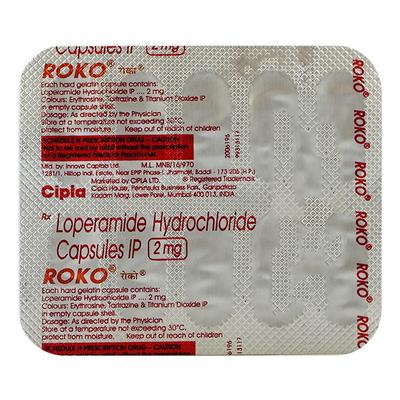
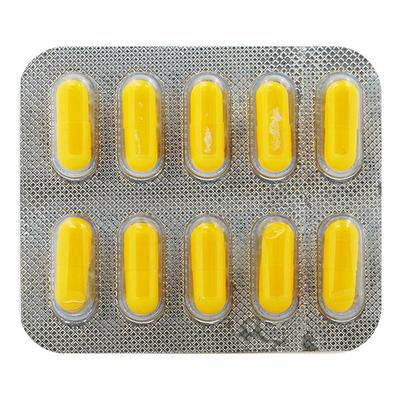
Introduction About ROKO 2MG CAPSULE
Roko 2mg Capsule is an anti-diarrheal medication commonly used to help manage loose stools and improve bowel control in individuals experiencing diarrhoea. It works by slowing down bowel movements, allowing the intestines to absorb more water and electrolytes, which helps make stools firmer and reduces the frequency of bowel motions. The capsule is often included in supportive care plans for short-term episodes of diarrhoea and certain chronic bowel conditions under medical guidance.
This medicine is generally used in adults and older children as advised by a healthcare professional. Roko 2mg Capsule is for oral use only and should be taken exactly as directed. It may be taken with or without food, preferably with adequate fluid intake to prevent dehydration. The dosage depends on the severity of symptoms, age, and individual response. It is important not to exceed the recommended dose or duration without medical advice.
While using Roko 2mg Capsule, certain precautions should be followed. Maintaining hydration with oral fluids or electrolyte solutions is essential, especially during episodes of diarrhoea. Avoid using the medicine if diarrhoea is associated with high fever, blood in stools, or severe abdominal swelling unless advised by a doctor. Inform your healthcare provider about any existing liver problems, bowel disorders, or ongoing medications to reduce the risk of interactions or complications.
Roko 2mg Capsule should be used cautiously in individuals with liver disease or certain intestinal conditions. Use during pregnancy and breastfeeding should only occur under medical supervision. Common side effects may include constipation, stomach discomfort, nausea, dizziness, or dry mouth. If severe constipation, abdominal swelling, or allergic reactions occur, immediate medical attention is recommended.
Uses Of ROKO 2MG CAPSULE
- Helps manage acute diarrhoea
- Helps manage chronic diarrhoea under medical supervision
- Supports bowel control in digestive conditions
- Helps reduce the frequency of loose stools
Benefits of ROKO 2MG CAPSULE
Roko 2mg Capsule for Diarrhoea Management
Roko 2mg Capsule helps slow bowel activity, allowing the body to absorb more fluids and salts. This supports firmer stools and reduces frequent bowel movements.
Roko 2mg Capsule for Improved Bowel Control
The capsule helps improve control over sudden urges for bowel movements, supporting comfort and convenience during recovery from diarrhoea-related conditions.
Roko 2mg Capsule for Fluid Balance Support
By reducing excessive fluid loss through stools, the medicine helps support hydration balance when used along with adequate fluid intake.
Roko 2mg Capsule for Digestive Comfort
The capsule may help reduce discomfort associated with repeated loose stools, supporting overall digestive stability during recovery.
How ROKO 2MG CAPSULE Works
How Roko 2mg Capsule Works in the Body
Roko 2mg Capsule contains Loperamide, which acts on receptors in the intestines to slow bowel movement activity.
Action of Loperamide on Intestinal Movement
Loperamide reduces the speed at which food and waste move through the intestines. This allows more water and electrolytes to be absorbed from the bowel contents.
How the Capsule Supports Firmer Stools
By slowing intestinal movement and improving fluid absorption, the capsule helps reduce stool frequency and improves stool consistency.
How to use ROKO 2MG CAPSULE
How to take Roko 2mg Capsule
- Take the capsule exactly as prescribed by your healthcare professional.
- Swallow it whole with water; do not crush or chew.
- It may be taken with or without food.
- Drink plenty of fluids to avoid dehydration.
- Do not exceed the recommended dose.
- Follow your doctor’s advice regarding treatment duration.
What if I forgot to take ROKO 2MG CAPSULE
- Take the missed dose as soon as you remember.
- If it is almost time for the next dose, skip the missed dose.
- Do not take a double dose to compensate.
- Continue the regular dosing schedule.
- Consult your doctor if symptoms continue or worsen.
Overdose
If more than the prescribed amount is taken, seek immediate medical attention. Overdose may lead to severe constipation, abdominal discomfort, drowsiness, or serious heart-related complications.
Side Effects Of ROKO 2MG CAPSULE
Common side effects of Roko 2mg Capsule
- Constipation
- Stomach discomfort
- Nausea
- Dizziness
- Dry mouth
- Abdominal cramps
- Fatigue
When to Seek Medical Attention?
Stop using Roko 2mg Capsule and contact your doctor immediately if you experience
- Severe constipation
- Abdominal swelling or severe pain
- Blood in stools
- High fever with diarrhoea
- Difficulty breathing or swelling of the face
- Severe dizziness or fainting
How To Manage Side Effects
Constipation
- Drink Plenty of Water: Adequate hydration may help soften stools.
- Eat Fiber-Rich Foods: Include fruits, vegetables, and whole grains.
- Light Physical Activity: Gentle walking may support bowel movement.
- Avoid Heavy Processed Foods: Reduce intake of oily or junk foods.
- Follow Recommended Dose: Do not exceed prescribed usage duration.

Dry Mouth
- Sip Water Frequently: Small sips throughout the day may help.
- Sugar-Free Lozenges: May stimulate saliva production.
- Avoid Excess Caffeine: Caffeine may worsen dryness.
- Maintain Oral Hygiene: Brush regularly to reduce mouth discomfort.
- Use a Humidifier: Moist air may improve comfort.
Warning & Precautions

Pregnancy
Consult your doctorRoko 2mg Capsule should be used during pregnancy only if advised by a healthcare professional after evaluating potential benefits and risks.

Breastfeeding
Consult your doctorSmall amounts of the medicine may pass into breast milk. Use during breastfeeding should occur only after medical consultation.

Driving and Using Machines
Use with CautionThe capsule may cause dizziness or tiredness in some individuals. Avoid driving or operating machinery if affected.

Kidney
Use with CautionPatients with kidney problems should use the capsule cautiously and follow medical advice.

Liver
Use with CautionIndividuals with liver disorders should use Roko 2mg Capsule carefully, as reduced liver function may affect medicine metabolism.

Allergy
ContraindicatedDo not use the capsule if you are allergic to Loperamide or any of its ingredients. Seek immediate medical attention if allergic symptoms appear.

Lungs
Consult your doctorThe medicine does not directly affect the lungs. Seek medical help if breathing difficulties occur unexpectedly.

Heart Disease
Use with CautionUse cautiously in individuals with existing heart rhythm disorders or related conditions, especially in overdose situations.

Use In Pediatrics
Consult your doctorUse in children should only occur under medical supervision and according to age-appropriate dosing recommendations.

Use In Geriatrics
Monitoring requiredElderly individuals may use the capsule under medical supervision. Extra monitoring may be advised in case of dehydration or constipation.
Other Warnings for ROKO 2MG CAPSULE
Before using Roko 2mg Capsule, inform your doctor if you
- Have severe abdominal swelling or bowel disorders
- Are taking other medicines or supplements
- Have fever or blood in stools
Who should not take ROKO 2MG CAPSULE
Roko 2mg Capsule is not recommended for use if you have
- Severe constipation
- Intestinal blockage
- Bloody diarrhoea without medical advice
- Acute ulcerative colitis flare-ups
Safety Advice
- Use Only as Directed: Take Roko 2mg Capsule only in the recommended dose and duration.
- Stay Hydrated: Drink sufficient water and electrolyte solutions during diarrhea episodes.
- Avoid Overuse: Excessive use may increase the risk of constipation or bowel complications.
- Monitor Symptoms: Seek medical help if diarrhoea persists for more than 48 hours.
- Avoid Self-Medication in Severe Cases: Bloody stools or fever require medical evaluation.
- Inform Healthcare Providers: Tell your doctor about all medicines and supplements you use.
- Do Not Exceed Maximum Dose: High doses may increase the risk of serious heart-related side effects.
- Maintain Hygiene: Wash hands regularly and consume safe food and water to reduce infection risk.
- Use Carefully in Liver Disease: Dose adjustments and monitoring may be needed.
Diet and Lifestyle Advice
- Drink Oral Rehydration Solutions: Helps replace lost fluids and electrolytes.
- Eat Light Meals: Choose easily digestible foods such as rice, bananas, toast, or curd rice.
- Avoid Spicy and Oily Foods: These may worsen digestive irritation.
- Limit Caffeine and Alcohol: These may increase dehydration risk.
- Maintain Food Hygiene: Consume clean and freshly prepared meals.
- Avoid Unnecessary Dairy Intake: Some individuals may temporarily develop lactose sensitivity during diarrhoea.
- Rest Adequately: Proper rest supports recovery.
- Wash Hands Frequently: Helps reduce the spread of infections.
- Avoid Smoking: Smoking may worsen digestive irritation.
- Monitor Symptoms: Consult a doctor if diarrhoea becomes severe or persistent.
1. Roko 2mg Capsule Vs Racecadotril – diarrhoea management comparison
|
Feature / Aspect |
Roko 2mg Capsule |
Racecadotril |
|
Active ingredient |
Loperamide |
Racecadotril |
|
Mode of action |
Slows bowel movement |
Reduces intestinal fluid secretion |
|
Route of administration |
Oral capsule |
Oral capsule/tablet |
|
Onset of action |
Rapid symptom control |
Supports reduction in stool output |
|
Use setting |
Acute and chronic diarrhea management |
Acute diarrhea management |
|
Common side effects |
Constipation, dizziness |
Headache, nausea |
|
Hydration importance |
Essential during use |
Essential during use |
|
Monitoring |
Monitor bowel movement frequency |
Monitor hydration and stool frequency |
|
Overall usability |
Helpful for bowel control |
Helpful for reducing excessive fluid loss |
Drug - Drug interaction
1. Antibiotics (e.g., erythromycin, clarithromycin)
- Interaction: Certain antibiotics may increase the levels of Loperamide in the body, raising the risk of side effects such as dizziness or heart rhythm problems.
- Management: Use cautiously and inform your doctor before starting antibiotics while taking Roko 2mg Capsule.
2. Antifungal Medicines (e.g., ketoconazole, itraconazole)
- Interaction: These medicines may slow the breakdown of Loperamide, increasing its concentration in the body.
- Management: Medical supervision and monitoring may be required during combined use.
3. Antiviral Medicines (e.g., ritonavir)
- Interaction: Some antiviral medicines may increase the effect of Roko 2mg Capsule and raise the risk of adverse reactions.
- Management: Use only under healthcare supervision with appropriate monitoring.
4. Opioid Medicines (e.g., codeine, tramadol)
- Interaction: Combining these medicines with Roko may excessively slow bowel movement and increase constipation risk.
- Management: Use cautiously and report severe constipation or abdominal swelling promptly.
5. Sedatives and CNS Depressants (e.g., diazepam, alprazolam)
- Interaction: Combined use may increase drowsiness, dizziness, or reduced alertness in some individuals.
- Management: Avoid driving or operating machinery if affected.
6. Anticholinergic Medicines (e.g., atropine, hyoscine)
- Interaction: These medicines may further reduce intestinal movement, increasing the risk of severe constipation or bowel obstruction.
- Management: Use under medical guidance and monitor bowel activity carefully.
7. Cholesterol Medicines (e.g., gemfibrozil)
- Interaction: Gemfibrozil may increase blood levels of Loperamide, potentially increasing side effect risk.
- Management: Dose adjustment or monitoring may be required.
8. Quinidine
- Interaction: Quinidine may increase the absorption and concentration of Loperamide in the body.
- Management: Use cautiously and seek medical advice if unusual symptoms occur.
9. Herbal Supplements (e.g., senna, aloe vera, St. John’s wort)
- Interaction: Certain herbal products may either counteract the anti-diarrheal effect or alter medicine metabolism.
- Management: Avoid self-medication with herbal products unless approved by your doctor.
10. Other Anti-Diarrheal Medicines
- Interaction: Using multiple anti-diarrheal medicines together may excessively slow bowel movement and increase complications.
- Management: Avoid combination unless specifically advised by a healthcare professional.
Drug - Food interaction
1. Alcohol
- Interaction: Alcohol may increase dizziness or dehydration risk while using Roko 2mg Capsule and may worsen stomach discomfort in some individuals.
- Management: Limit or avoid alcohol intake during treatment, especially if diarrhoea or weakness is present.
2. Caffeinated Drinks (e.g., coffee, energy drinks, strong tea)
- Interaction: Excess caffeine may worsen dehydration and increase bowel irritation during diarrhoea episodes.
- Management: Reduce intake of caffeinated beverages and increase water or oral rehydration fluids.
3. Spicy Foods
- Interaction: Spicy foods may irritate the digestive tract and worsen loose stools or abdominal discomfort.
- Management: Prefer bland, easily digestible meals until symptoms improve.
4. High-Fat or Fried Foods
- Interaction: Heavy oily meals may slow digestion and aggravate stomach discomfort or nausea.
- Management: Choose light, balanced meals and avoid excessively greasy foods during recovery.
5. Dairy Products (e.g., milk, cream, cheese)
- Interaction: Some individuals may temporarily develop lactose intolerance during diarrhea, which can worsen symptoms.
- Management: Limit dairy intake if it increases bloating, cramps, or loose stools.
6. Sugary Drinks and Sweets
- Interaction: High sugar intake may pull extra water into the intestines and worsen diarrhea in some individuals.
- Management: Avoid excessive sugary drinks, sodas, and sweets; prefer oral rehydration solutions or plain water.
7. Fiber-Rich Foods (e.g., raw vegetables, bran, beans)
- Interaction: Excess fiber during active diarrhea may increase bowel movement frequency and abdominal discomfort.
- Management: Consume moderate amounts and gradually reintroduce high-fiber foods after recovery.
8. Herbal Products and Teas (e.g., senna tea, aloe vera drinks)
- Interaction: Certain herbal products with laxative properties may counteract the effect of Roko 2mg Capsule.
- Management: Avoid unnecessary herbal supplements or herbal teas unless approved by your doctor.
9. Grapefruit and Grapefruit Juice
- Interaction: Grapefruit may affect the metabolism of certain medicines and could alter the effect of Loperamide in some individuals.
- Management: Consume cautiously and consult your doctor if taken regularly.
10. Oral Rehydration Fluids and Electrolyte Drinks
- Interaction: These do not negatively interact with Roko 2mg Capsule and may help replace lost fluids and salts during diarrhoea.
- Management: Continue adequate hydration alongside treatment as advised by your healthcare professional.
Synopsis
|
Drug |
Loperamide |
|
Product Category |
Anti-diarrheals |
|
Therapeutic Indication |
Diarrhoea management |
|
Dosage Forms |
Capsule, Tablet |
More Information
Storage
- Store at room temperature away from moisture and heat.
- Keep out of reach of children and pets.
FAQs About ROKO 2MG CAPSULE
Q: What is Roko 2mg Capsule used for?
A: Roko 2mg Capsule contains Loperamide, an anti-diarrhoeal medicine used to help control loose stools and frequent bowel movements. It may also support bowel control in certain digestive conditions when used under medical guidance.
Q: How does Roko 2mg Capsule work?
A: It works by slowing down the movement of the intestines, which allows the body to absorb more water and electrolytes. This helps make the stools firmer and reduces the frequency of diarrhoea.
Q: Can I take Roko daily?
A: Roko should only be taken exactly as advised by your doctor or healthcare professional. It is generally recommended for short-term use unless your doctor prescribes it for a longer duration.
Q: Should I drink more fluids while taking Roko?
A: Yes, staying well hydrated is important during episodes of diarrhoea to prevent fluid loss and dehydration. Oral rehydration solutions, water, and electrolyte-rich fluids may be helpful.
Q: Can Roko cause constipation?
A: Yes, constipation can occur as a common side effect, especially if the medicine is taken in higher doses than recommended. If severe constipation or abdominal discomfort develops, consult your doctor.
Q: Can I use Roko if I have fever and bloody stools?
A: Medical evaluation is recommended before using Roko in cases of fever, bloody stools, or severe abdominal pain. These symptoms may indicate an underlying infection or condition requiring different treatment.
Q: Is Roko safe for children?
A: Roko should only be used in children under the supervision and advice of a doctor. The dose and suitability depend on the child age, weight, and medical condition.
Q: Can I stop taking Roko once diarrhoea improves?
A: Follow your doctors instructions regarding how long to continue the medicine. In many cases, treatment may be stopped once bowel movements return to normal.
Q: Can Roko interact with other medicines?
A: Yes, some medicines may alter the effects of Roko or increase the risk of side effects. Inform your doctor about all prescription medicines, supplements, and herbal products you are taking.
Q: What should I avoid while taking Roko?
A: Avoid dehydration by drinking enough fluids and do not exceed the recommended dose of the medicine. It is also advisable to limit alcohol intake and seek medical advice if symptoms persist.
References
1. K.D. Tripathi. Loperamide. Drugs for constipation and diarrhoea. Essentials of medical pharmacology. Seventh edition. 2013. Page-664.
2. Baker DE. Loperamide: a pharmacological review. NIH National Library of Medicine; National centre for biotechnology information. Pubdmed.gov. [Revised in 2007 [Accessed on 18th May 2026] 
3. Sahi N, Nguyen R, Santos C. Loperamide. NIH National Library of Medicine; National centre for biotechnology information. [Revised in 28th February 2024] [Accessed on 18th May 2026] 