



Netmeds First Membership
Quick Links
Introduction About RANIAL INJECTION
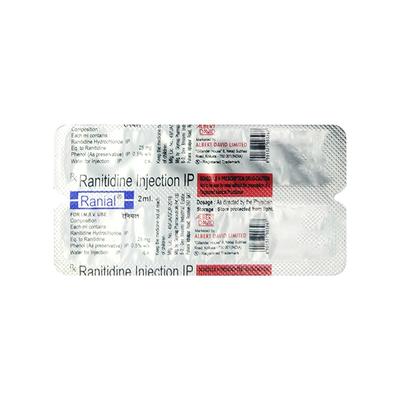
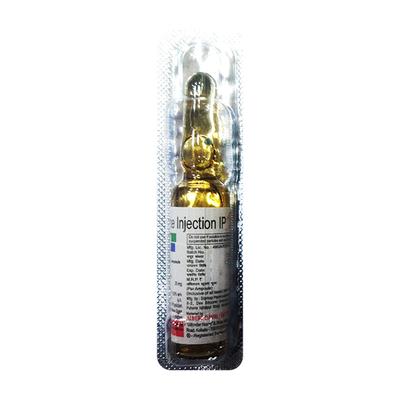
RANIAL INJECTION is used in the management of intestinal, benign, and post-operative ulcers. RANIAL INJECTION is also used to manage reflux oesophagitis, and Zollinger-Ellison syndrome. It contains ranitidine, which belongs to the group of medicines called H2 receptor antagonists. It works by reducing the secretion of stomach acid via inhibition of histamine (H2) receptors present in the stomach walls.
Avoid smoking during the management of RANIAL INJECTION, as it may delay healing or worsen the ulcers. Before receiving RANIAL INJECTION, inform your doctor if you have stomach cancer, kidney, lung, heart, or immunity problems, porphyria (a rare blood disorder), or diabetes.
RANIAL INJECTION is not recommended for use in pregnant or breastfeeding women unless your doctor finds it essential. RANIAL INJECTION is only given to children when they are unable to take the medicine by mouth. Your doctor will determine a proper dose depending on your child’s age, body weight, and disease condition. Contact your doctor if you experience any side effects or if any of the symptoms worsen.
Uses Of RANIAL INJECTION
Manage:
- intestinal, benign, and post-operative ulcers
- Reflux oesophagitis
- Zollinger-Ellison Syndrome
How RANIAL INJECTION Works
RANIAL INJECTION contains ranitidine, which effectively manages and heals stomach ulcers by reducing the secretion of stomach acid via inhibition of histamine (H2) receptors present in the stomach walls.
How to use RANIAL INJECTION
RANIAL INJECTION will be given to you only by a doctor or a nurse into a vein as an intravenous infusion. Your doctor will decide the proper dose and duration for you depending on your age, body weight, and disease condition.
Side Effects Of RANIAL INJECTION
Uncommon
- Stomach pain
- Constipation
- Nausea
Rare
- Skin rashes
- Increase in serum creatinine levels (kidney function test)
- Changes in the liver function
Stop receiving RANIAL INJECTION and contact your doctor immediately if you experience any of the following side effects:
- Allergic reactions (rash, itching, hives, swelling of the face, lips, tongue, or other body parts, chest pain, wheezing or breathing difficulties; feeling faint, especially when standing up, unexplained fever)
- Kidney problems (changes in the amount and colour of urine you pass, leading to back pain, fever, pain when urinating, blood in the urine, and changes in the blood test)
- Pancreatitis (severe stomach pain)
- Irregular or slow heartbeat
How To Manage Side Effects

Constipation
Increase fiber intake through fruits, vegetables, and whole grains. Stay hydrated by drinking plenty of water. Maintain regular meal times and avoid skipping meals. Exercise regularly to promote bowel movements. Establish a bathroom routine and avoid ignoring the urge to go. Avoid processed foods and prioritize probiotic-rich foods for gut health. Consult your doctor if constipation persists.

Nausea And Vomiting
Eating small amounts more frequently can help prevent the stomach from becoming too full and reduce nausea. Opt for bland, easy-to-digest foods like crackers, toast, rice, bananas, and applesauce. Avoid strong smells and spicy foods, as they can trigger or worsen nausea. Sip on clear liquids like water, broth, or herbal teas. Electrolyte solutions can be beneficial if nausea is accompanied by vomiting.

Skin rash Or Itching
Keep the affected area clean and dry and avoid scratching to prevent further irritation or infection. Apply calamine lotion to help reduce itching and inflammation. Applying cool compresses and wearing loose, breathable clothing can also provide relief. If the rash persists, consult your doctor.

Stomach Pain
Avoid spicy or fatty foods, caffeine, or alcohol that may exacerbate symptoms. Eat a bland diet consisting of easily digestible foods like rice, bananas, applesauce, and toast. Applying a heating pad or taking a warm bath can also help soothe abdominal muscles and alleviate discomfort. Drink plenty of fluids to stay hydrated but avoid excessive consumption to prevent further irritation. If stomach pain persists, consult your doctor.
Warning & Precautions

Pregnancy
Monitoring requiredRANIAL INJECTION is not recommended for use in pregnant women unless considered clearly necessary. Consult your doctor before receiving it.

Breastfeeding
Monitoring requiredRANIAL INJECTION is not recommended for use in breastfeeding women unless considered clearly necessary. Consult your doctor before receiving it.

Driving and Using Machines
SafeRANIAL INJECTION has no or negligible effect on driving or using any heavy machinery.

Kidney
Use with CautionRANIAL INJECTION should be used with caution in patients with kidney problems. Consult your doctor before receiving it.

Allergy
ContraindicatedDo not receive RANIAL INJECTION if you are allergic to Ranitidine or any of the other ingredients in this medicine.

Lungs
Use with CautionRANIAL INJECTION should be used with caution in patients with lung disease. Consult your doctor before receiving it.

Heart Disease
Use with CautionRANIAL INJECTION should be used with caution in patients with heart problems or a history of heart trouble. Consult your doctor before receiving it.

Use In Pediatrics
Consult your doctorYour doctor will prescribe the right dose of RANIAL INJECTION depending on the age, body weight, and health condition of your child. Consult your child’s doctor for advice.

Use In Geriatrics
Use with CautionRANIAL INJECTION should be used with caution in elderly patients (aged above 65 years). Consult your doctor before receiving it.
Others
Before receiving a RANIAL INJECTION, inform your doctor if you:
- Have a history of stomach ulcers
- Have stomach cancer
- Have acute porphyria (a rare genetic condition)
- Have diabetes (high blood sugar)
- Have problems with your immune system
- Experience unexpected weight loss associated with acid indigestion
Interactions
A. Drug-drug interactions:
- Anti-inflammatory (Ex. aspirin, ibuprofen, naproxen)
- Anaesthetics (Ex. Lidocaine)
- Cardiovascular medicines (Ex. propranolol, procainamide, and n-acetylprocainamide)
- Antianxiety (Ex. diazepam)
- Antiepileptic (Ex. phenytoin)
- Antiasthma (Ex. theophylline)
- Anticoagulants (Ex. warfarin)
- Antidiabetic (Ex. glipizide)
- Antivirals (Ex. atazanavir, delavirdine)
- Anticancer (Ex. gefitinib, erlotinib)
- Antifungals (Ex. itraconazole, ketoconazole)
- Antiulcer (Ex. Sucralfate)
- Benzodiazepines (Ex. midazolam, triazolam)
Overdosage:
RANIAL INJECTION will be administered to you only by a doctor or a nurse in a hospital, so it is unlikely that you will receive an overdose. However, consult your doctor or nurse if you experience any weird symptoms.
Synopsis
| Drug | : | Ranitidine |
| Pharmacological Category | : | H2 receptor antagonist |
| Therapeutic Indication | : | Peptic ulcer, reflux oesophagitis, Zollinger-Ellison syndrome |
| Dosage Forms | : | Tablet, Capsule, Injection, Liquid, Oral Solution, Syrup |
More Information
Storage
- Keep RANIAL INJECTION out of reach of children
- Store RANIAL INJECTION below 30°C
FAQs About RANIAL INJECTION
Q: What if I forget to receive a dose of RANIAL INJECTION?
A: Please stick to the prescribed schedule as agreed with your doctor for optimal efficacy of RANIAL INJECTION management. Notify your doctor whenever you forget to receive any doses.
Q: Can RANIAL INJECTION cause erectile dysfunction?
A: Certain acid reflux medicines (H3 blockers) can also affect histamine and cause erectile dysfunction. Whereas some medicines of this class have the highest risk for ED, RANIAL INJECTION has a lower risk. Consult your doctor for further queries.
Q: Can RANIAL INJECTION cause stomach pain?
A: RANIAL INJECTION may sometimes cause stomach pain. In such cases, try to rest and relax. Try to eat smaller meals with small breaks or eat and drink slowly. Keep a heat pad on your stomach. If stomach pain persists, contact your doctor.
Q: Is RANIAL INJECTION good for acid reflux?
A: Yes. RANIAL INJECTION heals and stops problems caused by acid in the food pipe or too much acid in the stomach and thus relieves acid reflux or heartburn. Consult your doctor for further queries.
Q: Can I take other medicines with RANIAL INJECTION?
A: Before receiving RANIAL INJECTION, inform your doctor if you are taking, have taken, or might take any other medicine, including prescription, over-the-counter, or herbal medicine, as these might cause serious side effects by interacting with each other.
Q: What is RANIAL INJECTION used for?
A: RANIAL INJECTION is used in the management of intestinal, benign, and post-operative ulcers. RANIAL INJECTION is also used to manage reflux, oesophagitis, and Zollinger-Ellison syndrome.
Q: What does RANIAL INJECTION contain?
A: RANIAL INJECTION contains ranitidine, which belongs to the group of medicines called H3 receptor antagonists.
Q: How does RANIAL INJECTION work?
A: RANIAL INJECTION contains ranitidine that effectively manages and heals stomach ulcers by reducing the secretion of stomach acid via inhibition of histamine (H3) receptors present in the stomach walls.
Q: How do I take a RANIAL INJECTION?
A: RANIAL INJECTION will be given to you only by a doctor or a nurse into a vein as an intravenous infusion. Your doctor will decide the proper dose and duration for you depending on your age, body weight, and disease condition.
Q: Where can RANIAL INJECTION be purchased?
A: To order RANIAL INJECTION online, visit the Netmeds website, search for the product, add it to your cart, and proceed to checkout. Follow the instructions for payment and delivery. Netmeds has made buying online medicines easier for consumers and is one of India's leading online pharmacies.
References
1. KD Tripathi. Gastrointestinal Drugs. Essentials of Medical Pharmacology. Eighth Edition, 2019. Page – 698.
2. Morgan KA, Ahlawat R. Ranitidine. NIH: National Library of Medicine, National Center of Biotechnology Information. StatPearls [Internet]. December 2021. [Accessed on 12th June 2024] https://www.ncbi.nlm.nih.gov/books/NBK532989/
3. Mark D. Tasch, Olivier Langeron. Aspiration Prevention and Prophylaxis: Preoperative Considerations. Benumof and Hagberg’s Airway Management. Third edition. 2013. Pages 265-279. [Accessed on 12th June 2024] https://www.sciencedirect.com/topics/neuroscience/ranitidine
4. C van Rensburg, A N Barkun, I Racz, R Fedorak, P C Bornman, C Beglinger, J Balanzó, J Devière, L Kupcinskas, R Luehmann, H Doerfler, and S Schäfer-Preuss. Clinical trial: intravenous pantoprazole vs. ranitidine for the prevention of peptic ulcer rebleeding: a multicentre, multinational, randomized trial. NIH, National Library of Medicine, National Center for Biotechnology Information. Pubmed.gov. March 2009. [Accessed 12th June 2024] https://pubmed.ncbi.nlm.nih.gov/19053987/
5. Alliance Pharmaceuticals Limited. Electronic Medicines Compendium (EMC). [Revised in May 2020] [Accessed on 12th June 2024] https://www.medicines.org.uk/emc/files/pil.4453.pdf
6. GlaxoSmithKline Bangladesh Limited. Zantac (Ranitidine hydrochloride). [Revised in February 2013] [Accessed on 12th June 2024] https://gskpro.com/content/dam/global/hcpportal/en_BD/PI/Zantac_Tablet_1_03_2019.pdf
7. Torrent Pharmaceutical Ltd. Ranitin Inj (Ranitidine). [Revised in February 2022] [Accessed on 12th June 2024] https://www.torrentian.com/pisheet/Upload/PI_Sheet/45.pdf
Useful Diagnostic Tests
- Monsoon Gastro Infection Panel
- Gastro / Gut Health Panel
- Complete Blood Count (CBC)/ Hemogram
- Healthy Midlife Checkup
- Women Health Checkup – Essential
- Full Body Checkup - Gold
- Elderly Checkup - Female
- Elderly Checkup - Male
- Full Body Checkup – Silver
Author Details