







Netmeds First Membership
Quick Links
Introduction About QUTAN 25MG TABLET
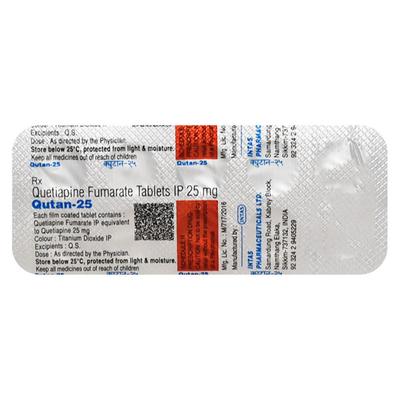
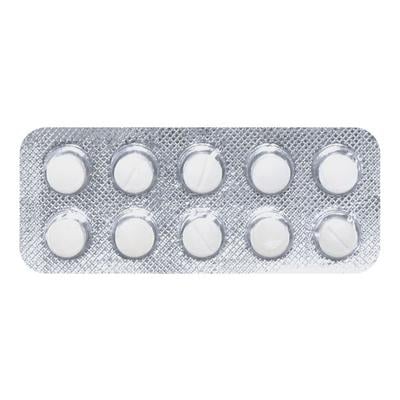
Qutan 25mg Tablet is an antipsychotic medication containing quetiapine, which is used to manage mental health conditions such as schizophrenia, bipolar disorder, and, in some cases, major depressive disorder as an add-on therapy. It works mainly by affecting neurotransmitters such as dopamine and serotonin in the brain, helping manage symptoms including hallucinations, unusual thoughts, mood changes, and depressive symptoms. It may be prescribed for adults based on their individual condition and treatment plan.
Patients should take Qutan 25mg Tablet exactly as prescribed by their healthcare provider. Swallow the tablet whole with water, and it may be taken with or without food unless otherwise directed. Taking it at the same time each day can help maintain a consistent medication routine. Do not stop taking Qutan suddenly without medical advice, as this may lead to withdrawal symptoms or worsening of the underlying condition. The dose may be gradually adjusted by the doctor according to the patient's response and tolerability.
Precautions include informing your doctor about any liver or kidney problems, heart conditions, seizures, diabetes, or a history of low blood pressure before starting Qutan 25mg Tablet. Avoid alcohol because it may increase drowsiness and dizziness. Extra caution is required during pregnancy and breastfeeding, and Qutan should be used only when recommended by a healthcare professional. Patients should also be careful while driving or operating machinery until they know how the medicine affects them.
Common side effects of Qutan 25mg Tablet may include sleepiness, dizziness, dry mouth, constipation, increased appetite, and weight gain. These effects may improve as the body adjusts to the medicine, but persistent or bothersome symptoms should be discussed with a healthcare provider. Regular follow-ups may be recommended to monitor response, weight, blood sugar, and other relevant health parameters during long-term use.
Uses Of QUTAN 25MG TABLET
- Used in the management of bipolar disorder and aid in stabilizing mood changes.
- To manage major depressive disorder and aid in improving depressive symptoms.
- To manage schizophrenia and aid in controlling symptoms such as hallucinations and disturbed thinking.
Benefits of QUTAN 25MG TABLET
Qutan 25mg Tablet for mood balance
Qutan 25mg Tablet contains quetiapine, an antipsychotic medicine that works by affecting brain chemicals such as dopamine and serotonin, which are involved in mood, thoughts, and behaviour. It may be prescribed to help manage mood disturbances associated with conditions such as bipolar disorder and schizophrenia. By regulating neurotransmitter activity, Qutan may help reduce symptoms such as mood changes, agitation, and emotional instability and support better day-to-day functioning.
Qutan 25mg Tablet for schizophrenia
Qutan 25mg Tablet is used to manage schizophrenia, a mental health condition that may involve hallucinations, delusions, disorganized thinking, and changes in behaviour. Quetiapine helps regulate dopamine and serotonin activity in the brain, which can aid in managing these symptoms. Regular use as prescribed may help support improved thinking, behaviour, and daily functioning in people with schizophrenia.
Qutan 25mg Tablet for bipolar disorder
Qutan 25mg Tablet is used to manage bipolar disorder, a condition associated with episodes of unusually elevated or irritable mood and depressive symptoms. It can help manage symptoms associated with manic and depressive episodes by influencing neurotransmitter activity in the brain. Depending on the individual's condition, Qutan may be prescribed alone or alongside other medicines as part of a comprehensive management plan.
Qutan 25mg Tablet for major depressive disorder
Qutan 25mg Tablet may be prescribed as an add-on medicine for major depressive disorder when an antidepressant alone does not provide adequate symptom control. It helps modulate serotonin and dopamine activity and may aid in managing symptoms such as persistent low mood, reduced interest, low energy, and sleep disturbances. It should be used only under the supervision of a healthcare professional, who can determine whether it is appropriate based on the individual's condition and other medicines being taken.
How QUTAN 25MG TABLET Works
Qutan 25mg Tablet Mechanism of Action
Qutan 25mg Tablet contains quetiapine, an atypical antipsychotic that works by influencing the activity of certain chemical messengers in the brain, mainly dopamine and serotonin. It blocks dopamine D2 and serotonin 5-HT2A receptors, which helps regulate mood, thoughts, and behaviour and may reduce symptoms such as hallucinations, delusions, and mood disturbances. Its active metabolite, norquetiapine, also interacts with several receptors and neurotransmitter pathways and contributes to its effects on mood and depressive symptoms. Together, these actions help manage symptoms associated with conditions such as schizophrenia, bipolar disorder, and major depressive disorder.
How to use QUTAN 25MG TABLET
How to Take Qutan 25mg Tablet
- Take Qutan 25mg Tablet exactly as prescribed by your doctor.
- Swallow the tablet whole with a glass of water. Do not crush, chew, or break it unless advised otherwise.
- Qutan 25mg Tablet can generally be taken with or without food, as directed by your healthcare provider.
- Take it at the same time each day to maintain a consistent dosing routine.
- Do not take more or less than the prescribed dose, even if you feel better.
- Avoid alcohol while taking Qutan, as it may increase drowsiness and dizziness.
- Do not stop taking Qutan suddenly without consulting your doctor, as this may cause withdrawal symptoms or worsening of symptoms.
- If you miss a dose, take it when you remember unless it is almost time for your next dose. Do not take two doses together.
What if I forgot to take QUTAN 25MG TABLET
- Take the missed dose of Qutan 25mg Tablet as soon as you remember.
- If it is almost time for your next scheduled dose, skip the missed dose and continue with your regular dosing schedule.
- Do not take two doses at the same time to make up for a missed dose.
- Try to take Qutan at the same time each day to help avoid missing doses.
- If you frequently forget doses, speak with your doctor or pharmacist for advice on maintaining a regular medication schedule.
- Do not stop taking Qutan 25mg Tablet suddenly without medical advice, even if you feel well.
Overdose
If you or anyone else accidentally takes more than the prescribed dose of Qutan 25mg Tablet, contact your doctor immediately or seek emergency medical attention at the nearest hospital. Taking too much quetiapine may cause excessive sleepiness, dizziness, low blood pressure, fast or irregular heartbeat, confusion, or loss of consciousness. Do not wait for symptoms to become severe before seeking medical help.
Side Effects Of QUTAN 25MG TABLET
Common side effects of Qutan 25mg Tablet
- headache, dizziness, sleepiness
- dry mouth
- weight gain
- constipation, stomach upset
- weakness
- swelling of arms or legs
- feeling dizzy or faint while standing up (orthostatic hypotension)
- increased blood sugar levels
- unusual dreams or nightmares
- feeling irritated
- disturbance in speech and language
- raised levels of the hormone prolactin in the blood (signs include breast enlargement and milk production in both men and in women, irregular or lack of menstrual periods in women)
- decreased sex drive
- changes in thyroid production
When to Seek Medical Attention?
Stop taking this medicine and inform your doctor immediately if you experience any of the following side effects
- blood clots in the veins especially in the legs (swelling, pain, and redness in the leg) which may travel through blood vessels to the lungs (causing chest pain and breathing problems)
- signs of a neuroleptic malignant syndrome (fever, sweating, stiff muscles, feeling very drowsy or faint)
- uncontrollable movements (especially face or tongue)
- dizziness or severe sleepiness
- fits
- priapism (long-lasting and painful erection)
- fast and irregular heartbeat, even when you are at rest, palpitations, or unexplained tiredness
- decreased WBC and platelet counts (signs include fever, flu-like symptoms, sore throat, or any other infection)
- bowel obstruction (signs include constipation, persistent abdominal pain)
- suicidal thoughts and worsening of depression
How To Manage Side Effects

Constipation
- Drink enough water: Sip water regularly throughout the day to help keep stools softer and easier to pass.
- Increase dietary fibre gradually: Include fruits, vegetables, whole grains, oats, beans, and lentils in your meals. Increase fibre slowly to reduce bloating or gas.
- Eat fibre-rich fruits: Prunes, pears, apples with the skin, oranges, and kiwis may help support regular bowel movements.
- Stay physically active: Walking or other moderate activity can stimulate bowel movements and support healthy digestion.
- Do not ignore the urge: Use the toilet when you feel the need to pass stool rather than delaying it.
- Maintain a regular toilet routine: Try sitting on the toilet at a consistent time each day, particularly after meals.
- Consider warm fluids: A warm drink in the morning may help stimulate bowel activity in some people.
- Use a footstool: Placing your feet on a small stool while sitting on the toilet can position your knees higher than your hips, which may make passing stool easier.
Weight Gain
- Eat more frequently: Have 5–6 smaller meals or snacks throughout the day if large meals are difficult.
- Add healthy calorie sources: Include nuts, seeds, nut butter, avocado, whole grains, eggs, dairy products, and legumes.
- Choose protein-rich foods: Add eggs, milk, curd, paneer, dal, beans, fish, chicken, or other protein sources to meals to support muscle maintenance and growth.
- Use nutritious beverages: Milk, smoothies, or homemade shakes containing fruits, oats, nuts, and yogurt can provide additional calories and nutrients.
- Add healthy fats: Use ingredients such as peanut butter, almonds, walnuts, seeds, and vegetable oils to increase the energy content of meals.
- Include complex carbohydrates: Rice, potatoes, sweet potatoes, oats, whole-wheat bread, and other whole grains can provide additional energy.
- Do strength exercises: Resistance training can support muscle development when combined with adequate calories and protein.
- Sleep adequately: Consistent, good-quality sleep supports recovery and healthy muscle development.
Warning & Precautions

Pregnancy
Consult your doctorAvailable studies have not shown an increased risk of major birth defects or miscarriage with quetiapine. However, third-trimester exposure may cause withdrawal or movement-related symptoms in newborns. Qutan 25mg Tablet should be used during pregnancy only when clearly needed and under medical supervision after assessing the benefits and risks.

Breastfeeding
ContraindicatedStudies have shown that quetiapine may pass through breast milk. Therefore, Qutan 25mg Tablet should not be used in breastfeeding women unless considered necessary.

Driving and Using Machines
Use with CautionDo not drive or operate any machines if you feel dizzy or sleepy after taking Qutan 25mg Tablet.

Alcohol
ContraindicatedAvoid drinking alcohol while taking this medicine, as the combined effect of alcohol and Quetiapine will make you feel sleepier.

Kidney
Monitoring requiredThere is limited information regarding the use of Quetiapine in patients with renal impairment. Therefore, Qutan 25mg Tablet should be used in patients with kidney problems like urinary retention (inability to completely empty your bladder) only if it is absolutely necessary with careful monitoring.

Liver
Use with CautionQutan 25mg Tablet should be used with caution in patients with liver problems. Quetiapine must be started with a lower dose in the initial days of the therapy, and the dosage should be gradually increased according to the patient’s need along with careful monitoring in such patients.

Allergy
ContraindicatedDo not take Qutan 25mg Tablet if you are allergic to Quetiapine.

Heart Disease
Use with CautionQutan 25mg Tablet should be used with caution in patients with heart diseases (such as heart rhythm problems, weakening of the heart muscle, inflammation of the heart, or low blood pressure). Therefore, consult your doctor before taking it.

Use In Pediatrics
Consult your doctorQutan 25mg Tablet is not clearly established as safe and effective in children under 18 years. It should generally be used in this age group only if specifically recommended by a doctor after assessing the potential benefits and risks.

Use In Geriatrics
Use with CautionQutan 25mg Tablet should be used with caution in elderly patients who have stroke, dementia, or parkinsonism. Therefore, consult your doctor before taking it.
Other Warnings for QUTAN 25MG TABLET
Before taking Qutan 25mg Tablet, inform your doctor if you
- had fits
- have sleep apnea (a condition where you stop breathing for short periods during sleep)
- have diabetes
- or any member of your family has a history of blood clots
- have an enlarged prostate (in men)
- have a blockage in your intestine
- have increased pressure inside your eye
- have a history of drug abuse
Safety Advice
- Monitor Mood Changes: Inform your doctor if you notice unusual thoughts, increased anxiety, worsening depression, or significant changes in mood or behaviour.
- Watch for Movement Issues: Report tremors, muscle stiffness, restlessness, or uncontrollable movements to your doctor promptly.
- Temperature Sensitivity: Use caution in very hot weather, as Qutan may affect the body's ability to regulate temperature.
- Watch for Infection Signs: Contact your doctor if you develop unexplained fever, sore throat, or frequent infections, as rarely, quetiapine may affect white blood cell counts.
- Eye Health: Inform your doctor if you develop vision changes, blurred vision, or eye discomfort.
- Seizures: Tell your doctor if you have a history of seizures, as quetiapine may lower the seizure threshold in some people.
- Gradual Dose Changes: Do not stop Qutan suddenly. Follow your doctor's instructions if the dose needs to be reduced or discontinued.
- Orthostatic Hypotension: Rise slowly from sitting or lying down to reduce the risk of dizziness or fainting.
Diet and Lifestyle Advice
- Healthy Diet: Include fruits, vegetables, whole grains, lean proteins, and other nutrient-rich foods. Limit processed foods, fried foods, sugary drinks, and high-calorie snacks to help manage weight.
- Hydration: Drink adequate water throughout the day. Limit excessive caffeine and energy drinks, particularly if they worsen sleep or anxiety.
- Regular Physical Activity: Aim for regular activities such as walking, cycling, or yoga. Strength exercises may also support muscle health and overall fitness.
- Sleep Routine: Maintain a consistent sleep schedule and limit caffeine or stimulating activities close to bedtime to support healthy sleep.
- Weight Monitoring: Qutan may contribute to weight gain. Monitor your weight regularly and discuss significant changes with your doctor.
- Stress Management: Practise relaxation techniques such as meditation, deep breathing, or gentle yoga to support emotional well-being and sleep quality.
1. Qutan 25mg Tablet (Quetiapine) Vs Risperidone 2mg Tablet
|
Feature |
Qutan 25mg Tablet (Quetiapine) |
Risperidone 2mg Tablet |
|
Sleep |
More likely to cause drowsiness and may be preferred when sedation is clinically useful, depending on the condition and prescribed dose. |
Can also cause drowsiness, but its sedative effect may be less prominent in some people. |
|
Mood |
Used to manage mood symptoms associated with bipolar disorder and may be used as an add-on medicine for major depressive disorder. |
Used to manage mood symptoms, particularly manic or mixed episodes associated with bipolar disorder. |
|
Main action |
Affects dopamine and serotonin receptors and also has activity at other receptors that contribute to its sedative effects. |
Mainly blocks dopamine D2 and serotonin 5-HT2A receptors to help regulate thoughts, behaviour, and mood. |
|
Weight gain |
May cause increased appetite and weight gain, particularly with longer-term use. |
May also cause weight gain and metabolic changes, although the extent varies between individuals. |
|
Important consideration |
May cause significant sleepiness, dizziness, and low blood pressure, especially when starting treatment. |
May cause sleepiness, movement-related effects, and increased prolactin levels in some patients. |
Drug - Drug interaction
1.Medicines that cause drowsiness (e.g., sleeping pills, antihistamines and anti-anxiety medicines)
- Interaction: May increase drowsiness, dizziness, and reduced alertness when taken with Qutan 25mg Tablet.
- Management: Take sedating medicines only under medical advice. Avoid driving or operating machinery if you feel sleepy.
2.Blood pressure-lowering medicines (e.g., amlodipine, atenolol, lisinopril)
- Interaction: Qutan may lower blood pressure and can increase the risk of dizziness, light-headedness, or fainting when combined with these medicines.
- Management: Blood pressure may need monitoring, particularly when starting or changing doses. Rise slowly from sitting or lying down.
3.Antifungal medicines and certain antibiotics (e.g., ketoconazole, itraconazole, erythromycin, clarithromycin)
- Interaction: Some of these medicines can increase quetiapine levels in the body, potentially increasing side effects such as drowsiness and heart-rhythm problems.
- Management: Your doctor may adjust the Qutan dose or recommend an alternative medicine when necessary.
4.Anti-seizure medicines (e.g., phenytoin, carbamazepine)
- Interaction: These medicines may lower quetiapine levels and reduce its effectiveness.
- Management: Your doctor may adjust your Qutan dose or consider an alternative medicine based on your condition.
4.Medicines that affect heart rhythm (e.g., amiodarone, sotalol, and certain antibiotics or antidepressants)
- Interaction: Combining these with quetiapine may increase the risk of abnormal heart rhythms.
- Management: Your doctor may recommend ECG or other monitoring. Report palpitations, fainting, or unusual heartbeat promptly.
5.Antidepressants (e.g., fluoxetine, paroxetine, sertraline)
- Interaction: Some antidepressants may increase drowsiness or alter quetiapine levels in the body.
- Management: Use only under medical supervision, with appropriate dose adjustment and monitoring.
6.Herbal supplements (e.g., St. John's Wort)
- Interaction: St. John's Wort can affect liver enzymes and may reduce quetiapine levels, potentially decreasing its effectiveness.
- Management: Avoid herbal supplements without consulting your doctor and inform them about all supplements you use.
Drug - Food interaction
1.Grapefruit and grapefruit juice
- Interaction: Grapefruit may affect the metabolism of quetiapine and potentially increase its blood levels and side effects.
- Management: Avoid grapefruit and grapefruit juice while taking Qutan unless your doctor advises otherwise.regarding food and take Qutan consistently in relation to meals.
2.Caffeine (tea, coffee, energy drinks)
- Interaction: High caffeine intake may worsen restlessness, anxiety, or sleep difficulties in some people.
- Management: Limit excessive caffeine, particularly later in the day, if it affects your sleep or symptoms.
Synopsis
|
Drug |
Quetiapine |
|
Pharmacological Category |
Atypical antipsychotic |
|
Therapeutic Indication |
Bipolar disorder, Depression, Schizophrenia |
|
Dosage Forms |
Tablet |
More Information
Storage
- Store Qutan 25mg Tablet at room temperature, preferably between 20°C and 25°C.
- Keep Qutan 25mg Tablet out of the reach and sight of children.
FAQs About QUTAN 25MG TABLET
Q: What is Qutan 25mg Tablet used for?
A: Qutan 25mg Tablet contains quetiapine and is used to manage conditions such as schizophrenia and bipolar disorder. It may also be prescribed as an add-on medicine for major depressive disorder. It works by affecting brain chemicals involved in mood, thoughts, and behaviour.
Q: How long does Qutan 25mg Tablet take to work?
A: Some symptoms may begin to improve within the first few weeks, while the full benefit may take several weeks. Continue taking Qutan exactly as prescribed, even if improvement is gradual.
Q: Can Qutan 25mg Tablet cause drowsiness or dizziness?
A: Yes. Qutan may cause sleepiness, dizziness, or reduced alertness, particularly when starting treatment or increasing the dose. Avoid driving or operating machinery until you know how it affects you.
Q: What are the common side effects of Qutan 25mg Tablet?
A: Common side effects may include drowsiness, dizziness, dry mouth, constipation, increased appetite, and weight gain. Contact your doctor if side effects are persistent or troublesome.
Q: Does Qutan 25mg Tablet cause weight gain?
A: Weight gain and increased appetite are possible with Qutan. Maintaining a balanced diet, regular physical activity, and periodic weight monitoring can help manage this risk.
Q: Can Qutan cause mood changes or suicidal thoughts?
A: Changes in mood or unusual thoughts can occur in some people. Report worsening depression, significant behavioural changes, or thoughts of self-harm to your doctor immediately.
Q: What should I tell my doctor before taking Qutan?
A: Tell your doctor if you have diabetes, heart problems, liver or kidney disease, seizures, low blood pressure, or any other medical condition. Also provide a complete list of your medicines, supplements, and allergies.
Q: How should I stop taking Qutan 25mg Tablet?
A: Do not stop Qutan suddenly unless instructed by your doctor. The dose may need to be reduced gradually to lower the risk of withdrawal symptoms such as nausea, dizziness, headache, or sleep disturbances.
Q: Can Qutan affect blood sugar or cholesterol?
A: Yes. Quetiapine may increase blood sugar, cholesterol, or triglyceride levels in some people. Your doctor may recommend periodic monitoring, particularly if you have diabetes or other metabolic risk factors.
Q: Are there any food restrictions with Qutan 25mg Tablet?
A: Avoid grapefruit and grapefruit juice unless your doctor advises otherwise, as they may affect quetiapine levels. Follow your doctor instructions regarding food and Qutan.
Q: Can Qutan cause movement problems?
A: Some people may experience restlessness, tremors, muscle stiffness, or involuntary movements. Inform your doctor if you notice any unusual or persistent movement-related symptoms.
Q: Is Qutan 25mg Tablet addictive?
A: Qutan is not generally considered addictive. However, it should be taken only as prescribed, and it should not be stopped suddenly without medical guidance.
Q: Can Qutan affect concentration?
A: Yes. Drowsiness, dizziness, or reduced alertness may affect concentration in some people. Avoid driving or operating machinery until you know how the medicine affects you.
Q: Can Qutan help with sleep problems?
A: Qutan can cause drowsiness, but it is not primarily a sleeping medicine. It should not be used specifically for sleep problems unless prescribed by a healthcare professional for an appropriate medical condition.
Q: What should I do if I experience side effects?
A: Contact your doctor if side effects are severe, persistent, or interfere with daily activities. Do not change the dose or stop taking Qutan without medical advice.
Q: Can Qutan be taken with other medicines?
A: Qutan can interact with certain medicines, including some sedatives, antidepressants, antibiotics, antifungals, and medicines affecting heart rhythm. Tell your doctor about all prescription medicines, over-the-counter products, and supplements you use.
References
1. KD. Tripathi. Antipsychotic and Antimanic Drugs. Essentials of Medical Pharmacology. Seventh edition. 2013. Page – 442.
2. Muneer A. Pharmacotherapy of bipolar disorder with quetiapine: a recent literature review and an update. NIH National Library of Medicine, National centre for biotechnology information. PubMed Central. [Revised in April 2015]. [Accessed on 13th August 2026] 
3. Quetiapine Fumarate Tablet. Dailymed.nlm.nih.gov. National Library of Medicine. [Revised in January 2025]. [Accessed on 4th December 2024] 