



Netmeds First Membership
Quick Links
Introduction About QUADRIDERM RF CREAM
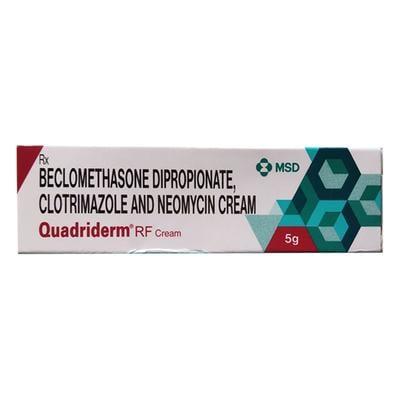
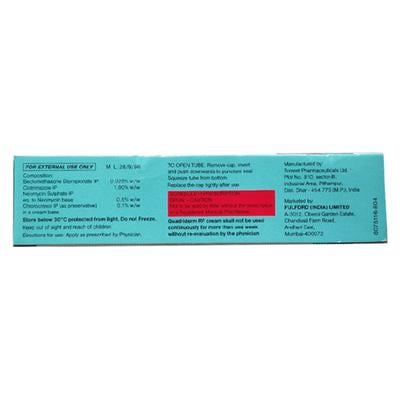
Quadriderm RF Cream is a prescription topical formulation recommended under medical supervision for inflamed skin conditions where bacterial or fungal involvement is suspected or confirmed. It contains Beclomethasone, a low-to-medium potency corticosteroid that helps reduce redness, swelling, and itching, Neomycin, an antibacterial agent and Clotrimazole, an antifungal component, offering combined action for complex dermatologic situations. This cream is commonly considered for conditions including chronic dermatitis of the extremities, balanoposthitis, eczematoid dermatitis, contact dermatitis, follicular dermatitis, parakeratosis, paronychia, anal pruritus, intertrigo, angular stomatitis, photosensitivity dermatitis, neurodermatitis, lichenified inguinal dermatophytosis, candidial dermatoses, and tinea infections such as tinea pedis, tinea cruris, tinea corporis, and pityriasis versicolor. It may also be evaluated for short-term dermatology interventions in infections caused by Trichophyton rubrum, T. mentagrophytes, Epidermophyton floccosum, and Microsporum canis, as well as inflammatory skin reactions associated with allergic responses, irritants, eczema, psoriasis, insect bites, and stings where microbial involvement is suspected. The cream is intended for external use only, requires medical supervision, and is primarily recommended for topical management of inflamed skin conditions with possible bacterial or fungal presence.
Quadriderm RF Cream is intended for external use only and should be applied exactly as directed by your doctor. Using clean and dry hands, apply a thin layer of the cream to the affected areas of the skin. Avoid contact with the eyes, nose, mouth, or vaginal area, if accidental contact occurs, rinse thoroughly with water. Consistent application as advised by your healthcare provider is important for optimal results. Continue using the cream for the full duration recommended by your doctor, even if symptoms appear to improve. If your condition does not show improvement or worsens, consult your doctor promptly for further guidance.
The most common side effects of Quadriderm RF Cream include mild local reactions such as itching, dryness, swelling, stinging, irritation, peeling, redness, burning sensation at the site of application, which are generally temporary and resolve on their own. Serious reactions are uncommon, but you should consult your doctor immediately if you notice signs of an allergic response, including rashes, swelling, itching, or difficulty breathing. Monitoring the skin during use and reporting any unusual changes helps ensure safe application under medical supervision.
Before using Quadriderm RF Cream, inform your doctor if you are using any other medications for the same skin condition. Pregnant or breastfeeding women should seek medical advice to ensure safe use. Avoid applying this cream if you have a known allergy to any of its ingredients and always consult your doctor before starting the medication to confirm it is suitable for your situation.
Uses Of QUADRIDERM RF CREAM
Used to manage:
- Bacterial or fungal skin infections like chronic dermatitis, balanoposthitis, candidial dermatoses, and tinea infections.
- Inflamed skin conditions with redness, swelling, itching, or irritation associated with dermatitis, eczema, psoriasis, or allergic reactions.
- Short-term management of complex dermatologic scenarios involving combined bacterial and fungal skin issues under medical supervision.
Benefits of QUADRIDERM RF CREAM
01) Helps Manage Bacterial and Fungal Skin Infections
Quadriderm RF Cream combines Neomycin and Clotrimazole to address bacterial and fungal involvement, providing targeted action under medical supervision.
02) Reduces Redness, Swelling, and Itching
Beclomethasone, a low-to-medium potency corticosteroid in the cream, helps reduce inflammation, redness, and discomfort in inflamed skin conditions.
03) Supports Relief from Irritated Skin Patches
The cream is often recommended for inflamed, itchy, or irritated skin areas caused by dermatitis, eczema, psoriasis, or allergic reactions.
04) Useful in Mixed Bacterial and Fungal Conditions
It can be evaluated in cases where both bacterial and fungal involvement may complicate skin lesions, under medical guidance.
05) Provides Comfort in Tinea and Ringworm-Related Skin Issues
The antifungal component helps address fungal infections such as tinea pedis, tinea cruris, and tinea corporis, reducing irritation and discomfort.
06) Helps Soothe Skin in Sensitive Areas
Quadriderm RF Cream may be applied to areas like the groin, underarms, and feet to relieve itching, redness, and burning sensations associated with fungal and bacterial involvement.
07) Supports Management of Localized Inflammatory Skin Conditions
It is used under supervision for conditions like balanoposthitis, candidial dermatoses, and other localized inflamed skin patches to reduce redness and swelling.
08) Improves Overall Skin Comfort
Regular application under doctor’s guidance can help manage discomfort, itching, and burning sensations caused by microbial involvement or inflammation.
09) Short-Term Management of Complex Dermatologic Scenarios
Quadriderm RF Cream may be considered for short-term use in situations with combined bacterial and fungal involvement to support symptom relief and skin comfort.
How QUADRIDERM RF CREAM Works
How the Triple-Combination Cream Works
Quadriderm RF Cream combines a corticosteroid, antibacterial, and antifungal agent to provide targeted support for inflamed skin with microbial involvement. Its multi-component formulation is designed for short-term, supervised use, addressing both inflammation and microbial presence in affected skin areas.
Multi-Action Support for Inflamed and Microbial-Affected Skin
The cream works by simultaneously addressing redness, swelling, itching, and microbial growth, helping the skin recover comfort while reducing irritation. This multi-action approach makes it suitable for complex dermatologic scenarios where both bacterial and fungal involvement may exist.
Role of Beclometasone in Soothing Inflamed Skin
Beclometasone, a low-to-medium potency corticosteroid, helps calm redness, swelling, and itching in inflamed skin areas. It is often recommended for dermatitis, eczema, psoriasis, or allergic reactions, providing relief from discomfort under medical supervision.
Role of Neomycin in Controlling Bacterial Activity
Neomycin is a topical antibacterial agent included in the cream to limit bacterial growth on the skin, helping manage secondary microbial involvement in inflamed or irritated areas.
Role of Clotrimazole in Managing Fungal Presence
Clotrimazole acts as an antifungal component that supports the management of fungal skin involvement, including infections like tinea pedis, tinea cruris, and candidial skin conditions, under doctor guidance.
How the Combination Supports Overall Skin Comfort
By combining these three active ingredients, Quadriderm RF Cream provides broad-spectrum support for inflamed skin, helping reduce itching, burning, and irritation while maintaining comfort in areas affected by bacterial or fungal activity.
How to use QUADRIDERM RF CREAM
How to Apply Quadriderm RF Cream Safely
- Quadriderm RF Cream is for external use only and should be applied exactly as advised by your doctor.
- Avoid contact with the eyes, mouth, nose, or vaginal area, and always wash your hands before and after application to reduce accidental exposure.
Preparing the Skin Before Application
- Ensure the affected skin is clean and dry before applying the cream.
- Remove any residues of other creams, oils, or lotions unless specifically advised by your doctor.
- Proper preparation helps the cream absorb effectively and improves comfort in inflamed or irritated areas.
Recommended Amount and Coverage per Use
- Apply a thin layer of the cream, just enough to cover the affected area.
- Using more than recommended does not increase effectiveness and may increase mild irritation.
- Follow your doctor’s guidance for coverage, especially on small versus larger areas of skin.
Step-by-Step Application Guide
- Wash and gently dry the affected area.
- Take a small amount of Quadriderm RF Cream on clean fingers.
- Spread evenly over the affected skin.
- Rub in gently until the cream is absorbed.
- Repeat as directed by your doctor, usually once or twice daily.
Suggested Frequency and Timing of Use
- Apply the cream once or twice daily as prescribed.
- Try to apply at the same time each day to maintain consistent action on inflamed and infected areas.
Duration of Use as Advised by Doctor
- Use the cream for the entire duration prescribed by your doctor, even if symptoms improve earlier.
- Completing the course helps manage inflammation and microbial involvement effectively.
Applying on Different Body Areas
- Quadriderm RF Cream can be applied to various affected areas, including arms, legs, groin, underarms, and feet.
- Always adjust the amount and coverage according to the size of the affected skin patch.
Ensuring Even Application and Proper Hygiene
- After applying, make sure the cream is evenly spread over the affected area.
- Wash your hands thoroughly after application to maintain hygiene and reduce spreading the cream to other areas or people.
Overdose
Quadriderm RF Cream is intended for external use only, and the chance of overdose is minimal when used as directed. If an excessive amount is applied, gently wash the affected area with water. In case of accidental ingestion, seek medical advice immediately or visit the nearest healthcare facility for further evaluation.
Side Effects Of QUADRIDERM RF CREAM
Common
- Itching, dryness, swelling, stinging, peeling, irritation, redness, burning sensation at the site of application
- Skin thinning (prolonged use)
Stop using Quadriderm RF Cream and consult your doctor immediately if you experience any of the following:
- Signs of an allergic reactions such as rashes, swelling, itching, or difficulty breathing
How To Manage Side Effects
Application Site Reactions
• Apply a Thin Layer Only: Use the smallest amount necessary to cover the affected area to reduce irritation.
• Avoid Scratching or Rubbing: Gently pat the area instead of scratching to minimise the risk of further skin damage and irritation.
• Keep the Area Clean and Dry: Maintain proper hygiene to reduce the risk of additional irritation or secondary infection.
• Avoid Harsh Skin Products: Do not use strong soaps, perfumes, or cosmetic products on the managed area unless approved by your doctor.
• Cool Compress (If Needed): Applying a clean, cool cloth to the area may help soothe mild burning or redness.
• Seek Medical Advice: If blistering, severe irritation, or persistent itching occurs, contact your healthcare provider.
Warning & Precautions

Pregnancy
Consult your doctorThere is limited information on the safety of Quadriderm RF Cream during pregnancy. It should be used only if deemed necessary by your doctor. Consult your healthcare provider before using this cream while pregnant.

Breastfeeding
Consult your doctorThere is limited information available regarding the use of Quadriderm RF Cream during breastfeeding. The cream should be used only if advised by your doctor after evaluating the potential benefits and risks. Consult your healthcare provider before applying this medicine while breastfeeding and avoid application on or near the breast area unless specifically directed by a doctor.

Driving and Using Machines
SafeQuadriderm RF Cream has no known influence on the ability to drive or operate machines, as it is intended for external use and does not affect alertness or coordination.

Allergy
ContraindicatedDo not use Quadriderm RF Cream if you are allergic to Beclomethasone or clotrimazole or Neomycin or other corticosteroids or imidazoles.

Use In Pediatrics
ContraindicatedQuadriderm RF Cream is not recommended for children below 12 years of age unless specifically prescribed by a doctor. Consult a healthcare professional before using this medicine in pediatric patients.

Use In Geriatrics
Use with CautionQuadriderm RF Cream should be used with caution in elderly patients. Older adults may have more sensitive skin, so medical supervision is recommended to ensure appropriate and safe use.
Other Warnings for QUADRIDERM RF CREAM
Before taking medicine, inform your doctor if you have:
- Psoriasis
- Adrenal suppression
- Manifestation of Cushing's syndrome
- Hyperglycemia
- Glycosuria
- Visual disturbance such as blurred vision or other visual disturbances, cataract, glaucoma, rare eye condition such as central serous chorioretinopathy (CSCR)
Who should not take QUADRIDERM RF CREAM
Quadriderm RF Cream is not recommended for use if you have:
- Facial rosacea
- Acne vulgaris
- Perioral dermatitis
- Napkin eruptions
- Bacterial or viral infections
Drug - Drug interaction
Before using Quadriderm RF Cream, tell your healthcare provider about all the medicines you take, including prescription and over-the-counter medicines, vitamins, and herbal supplements.
Synopsis
| Drug | : | Beclomethasone, Clotrimazole, Neomycin |
| Pharmacological Category | : | Topical Corticosteroid, Azole Antifungal, Aminoglycoside Antibiotic |
| Therapeutic Indication | : | Inflamed skin conditions with bacterial or fungal involvement |
| Dosage Forms | : |
Creams, Ointment, Ear drops |
More Information
01) Why Does Dermatologist Guidance Matter When Using Quadriderm RF Cream?
Dermatologist guidance is essential when using Quadriderm RF Cream because it contains a triple-combination formula Beclometasone (a corticosteroid), Neomycin (an antibacterial), and Clotrimazole (an antifungal) which should be applied only under medical supervision.
1) Accurate Diagnosis of Skin Condition
Not all inflamed skin conditions require a combination cream. Conditions like viral rashes, mild eczema, or acne may not benefit from or could worsen with improper use. A dermatologist can correctly identify the cause of redness, swelling, or itching before recommending this cream.
2) Correct Strength, Dose, and Duration
The cream should be applied in the right amount, to the affected area, and for the prescribed duration. Overuse or prolonged application can increase the risk of skin thinning, irritation, or systemic effects. Professional guidance ensures safe and effective usage.
3) Reduced Risk of Side Effects
Improper use may cause complications such as worsening infection, delayed healing, or skin discomfort. Supervision by a healthcare professional helps to minimize these risks and supports safe topical management.
4) Safe Use in Special Populations
Certain individuals require careful monitoring, including children, elderly patients, pregnant or breastfeeding women, and people with diabetes or eye conditions. A doctor can determine if Quadriderm RF Cream is suitable in these cases.
5) Monitoring management Response
If symptoms do not improve or worsen, a dermatologist can adjust the application plan or recommend alternative approaches. This ensures better outcomes for inflamed and microbial-affected skin.
Consumer Safety Note
Quadriderm RF Cream is a prescription medicine. It should not be used for self-medication or shared with others. Always follow your doctor’s instructions for safe, effective, and responsible use.
2. When Is a Multi-Component Topical Cream Like Quadriderm RF Cream Recommended by Doctors?
Quadriderm RF Cream is a triple-combination topical formulation that may be recommended by healthcare professionals in cases where skin inflammation is accompanied by bacterial and/or fungal involvement. Its combined corticosteroid, antibacterial, and antifungal components allow doctors to manage complex skin conditions more effectively under medical supervision.
1) Complex Skin Infections with Inflammation
Some skin infections involve both bacterial and fungal organisms or occur alongside inflamed skin patches. A multi-component cream like Quadriderm RF Cream can help address multiple causes simultaneously, reducing redness, swelling, and itching while controlling microbial presence.
2) Persistent or Recurrent Skin Conditions
Conditions such as dermatitis, eczema, psoriasis, or intertrigo may not respond to single-ingredient creams alone. Doctors may consider Quadriderm RF Cream for short-term management to target inflammation and microbial involvement together.
3) Areas with Sensitive or Thickened Skin
When inflamed skin affects flexural areas, groin, underarms, or feet, a multi-action cream may be preferred. Its targeted combination formula allows safe application on areas where irritation or infection is more likely to persist.
4) Cases Where Single-Ingredient Topicals Are Insufficient
If prior management with a steroid, antifungal, or antibacterial alone did not provide adequate relief, doctors may recommend a combination cream to ensure broader coverage and support skin comfort.
Consumer Safety Note
Quadriderm RF Cream is a prescription medicine. Use only as advised by your doctor and avoid self-medication or sharing with others. Proper guidance ensures safe, effective, and responsible use of this multi-component topical cream.
3. How Are Combination Dermatology Creams Like Quadriderm RF Different from Single-Ingredient Topical Products?
Combination creams such as Quadriderm RF Cream include multiple active ingredients that work together to address inflamed skin with bacterial and fungal involvement, whereas single-ingredient topicals target only one aspect of a skin condition. Using a combination formulation under medical supervision can provide more comprehensive support for complex dermatologic scenarios.
1) Multi-Action Effect on Skin Conditions
Combination creams simultaneously address inflammation, bacterial growth, and fungal presence. Single-ingredient products may only reduce redness or control either bacterial or fungal infection, limiting their effectiveness in complex or mixed skin conditions.
2) Simplified management Regimen
By combining three active components in one formulation, combination creams reduce the need for multiple separate products, which can improve adherence and convenience while ensuring all contributing factors are addressed.
3) Targeted Use for Complex or Resistant Conditions
Doctors may prescribe combination creams when skin inflammation coexists with microbial involvement or when prior use of a single-ingredient cream has not fully resolved the condition. This targeted approach helps support faster symptom relief and improved skin comfort under supervision.
4) Professional Guidance Required
Because combination creams contain steroids, antibiotics, and antifungals, their use must be guided by a dermatologist. Proper supervision ensures safe, effective application, avoids overuse, and reduces the risk of side effects or resistance.
Consumer Safety Note
Quadriderm RF Cream is a prescription medicine. Always use it as advised by your doctor, and do not self-medicate or share with others to ensure safe and responsible use.
FAQs About QUADRIDERM RF CREAM
Q: What is Quadriderm RF Cream used for?
A: Quadriderm RF Cream is a prescription topical medication used for the short-term management of inflammatory skin conditions associated with fungal and certain bacterial infections. It helps relieve redness, itching, swelling, and discomfort when used under medical supervision.
Q: Is Quadriderm RF Cream a steroid?
A: Yes, it contains Beclometasone, a corticosteroid that helps reduce inflammation and itching when used as prescribed by a healthcare professional.
Q: Can this cream be used for fungal infections?
A: Quadriderm RF Cream contains Clotrimazole, an antifungal agent that helps manage fungal skin infections, particularly when inflammation is present. It should only be used if prescribed by a doctor.
Q: Is Quadriderm RF Cream safe for sensitive skin?
A: Individuals with sensitive skin should consult a healthcare professional before use. The corticosteroid component may increase the risk of irritation or thinning if used for prolonged periods or without supervision.
Q: What precautions should be taken before using Quadriderm RF Cream?
A: Inform your doctor about any allergies, ongoing skin managements, chronic conditions, pregnancy, or breastfeeding status. Avoid applying it to broken skin or large areas unless directed by a healthcare provider.
Q: Can Quadriderm RF Cream be used during pregnancy or breastfeeding?
A: If you are pregnant or breastfeeding, consult your doctor before using this cream. It should only be used if clearly recommended and for the prescribed duration.
Q: Who should consult a doctor before using this cream?
A: Children, individuals with recurrent or chronic skin conditions, and those using other topical or systemic medications should seek medical advice before starting it.
Q: How should Quadriderm RF Cream be applied safely and effectively?
A: Clean and dry the affected area before application. Apply a thin layer once or twice daily, or as directed by your doctor, and gently rub it in. Wash your hands before and after use unless managing your hands.
Q: Can Quadriderm RF Cream be applied to large or folded skin areas?
A: Application to large areas or skin folds such as the groin or underarms should only be done if prescribed, as absorption may increase and raise the risk of side effects.
Q: What local skin reactions may occur after using Quadriderm RF Cream?
A: Mild burning, redness, dryness, or irritation may occur in some individuals. Prolonged or inappropriate use may lead to skin thinning or other changes.
Q: How can I recognize mild irritation versus symptoms requiring medical attention?
A: Mild irritation may settle as your skin adjusts. However, severe redness, swelling, blistering, persistent discomfort, or worsening symptoms require prompt medical consultation.
Q: Can redness or itching occur during short-term use?
A: Some individuals may experience temporary redness or itching when starting it. If symptoms persist or worsen, consult your healthcare provider.
Q: Is Quadriderm RF Cream suitable for all skin conditions?
A: This cream is intended for specific inflammatory skin conditions with fungal or bacterial involvement. It should not be used for acne, viral infections, or undiagnosed rashes unless prescribed by a healthcare professional.
Q: When should a combination cream be evaluated by a dermatologist?
A: If there is no improvement within the prescribed duration, symptoms worsen, or the condition frequently recurs, a dermatologist should reassess the management plan.
Q: Can Quadriderm RF Cream be used with other topical products?
A: Inform your doctor about any other creams, ointments, or medicated skincare products you are using to avoid potential interactions or reduced effectiveness.
Q: Are there products that should be avoided while using this cream?
A: Avoid using other steroid-containing creams or harsh skincare products on the same area unless specifically advised by your healthcare provider.
Q: Is a prescription required to buy Quadriderm RF Cream online?
A: Yes, Quadriderm RF Cream is generally classified as a prescription medication and requires a valid prescription when purchased from licensed pharmacies.
Q: How do licensed pharmacists ensure safe dispensing of prescription creams?
A: Licensed pharmacists verify prescriptions, review dosage instructions, check for potential interactions, and provide guidance to ensure safe and appropriate use.
Q: How can I verify the authenticity and quality of a prescription topical product?
A: Purchase only from licensed pharmacies, check the batch number and expiry date, and ensure the packaging seal is intact before use.
References
1.KD Tripathi. Drugs for Cough and Bronchial Asthma, Aminoglycoside Antibiotics, Antifungal Drugs. Drugs Essentials of medical pharmacology. 8th edition. 2013. Page –251, 799, 843.
2.Franco-Indian Pharmaceuticals Pvt. Ltd. SURFAZ-SN® Cream. [Accessed on 26th February 2026] 
3.Leeford Healthcare Limited. DIPROLITE CREAM 15 g. [Accessed on 26th February 2026] 
4.HAB PHARMACEUTICL & RESEARCH LTD. TURBODERM CREAM. [Accessed on 26th February 2026]
5.Gynogen Captab. DBN-G Cream. [Accessed on 26th February 2026]
6.Devlife Corporation Private Ltd. Beclomethasone Clotrimazole Neomycin Cream. [Accessed on 26th February 2026]
Useful Diagnostic Tests
Author Details