






Netmeds First Membership
Quick Links
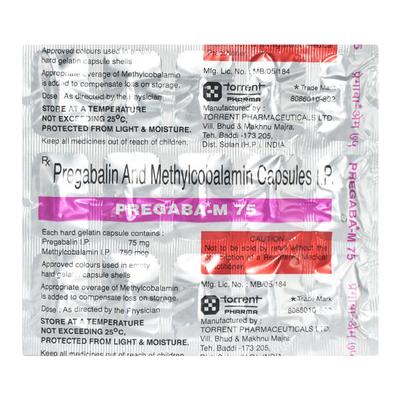
Introduction About PREGABA M 75MG CAPSULE
Pregaba M 75mg Tablet is commonly considered for individuals experiencing nerve-related sensations such as tingling, burning, numbness, or discomfort that may affect daily comfort and mobility. It combines pregabalin and methylcobalamin (vitamin B12), offering a dual approach by calming overactive nerve signals while supporting nerve nourishment. This combination is often recommended in conditions involving nerve irritation or damage, helping improve overall nerve function and day-to-day well-being when used under medical guidance.
The tablet works by reducing the release of certain chemical messengers responsible for abnormal nerve signaling, thereby helping to stabilize nerve activity. At the same time, methylcobalamin plays a key role in supporting nerve repair and maintaining the protective covering of nerves. It is generally suitable for adults dealing with nerve-related symptoms, including those associated with long-standing metabolic or lifestyle conditions. The exact suitability and duration of use depend on individual health status and should always be guided by a healthcare professional.
Pregaba M 75mg Tablet should be taken exactly as prescribed, usually once daily, with or without food. Swallow it whole with water and try to take it at a fixed time each day for consistent effect. It is important not to stop the medicine suddenly, as this may lead to unwanted symptoms. Patients are advised to avoid alcohol, be cautious while driving due to possible drowsiness, and inform their doctor about any existing kidney issues or other medications being taken to prevent interactions.
Common side effects may include dizziness, sleepiness, dry mouth, blurred vision, and weight changes, which are usually mild and tend to improve with time. Use during pregnancy or breastfeeding should be considered only if clearly advised by a doctor, as safety may vary based on individual conditions. Regular follow-up and monitoring help ensure safe and effective use, making it easier to adjust the treatment as needed.
Uses Of PREGABA M 75MG CAPSULE
- Used to manage neuropathic pain
Benefits of PREGABA M 75MG CAPSULE
Pregaba M 75mg Capsule for Overactive Nerve Signals
Pregaba M 75mg Capsule helps in calming overactive nerve signals that may cause unusual sensations like burning, tingling, or sharp discomfort. The pregabalin component works by reducing the release of certain chemical messengers in the brain, which helps in stabilizing nerve activity. This action supports better control over nerve-related symptoms and improves overall comfort in daily life.
Pregaba M 75mg Capsule for Improving Nerve Function
This capsule supports the proper functioning of nerves by helping regulate how nerve signals are transmitted in the body. By balancing nerve activity, it aids in improving communication between nerves and the brain. Regular use as advised by a doctor may help enhance nerve response and support smoother day-to-day functioning.
Pregaba M 75mg Capsule for Nerve Repair and Regeneration
Pregaba M 75mg Capsule contains methylcobalamin, an active form of vitamin B12 that plays a key role in nerve nourishment. It helps in repairing damaged nerve cells and supports the regeneration of the protective nerve covering. This contributes to improved nerve strength and long-term nerve health when taken as directed.
How PREGABA M 75MG CAPSULE Works
Mechanism of Action of Pregaba M 75mg Capsule
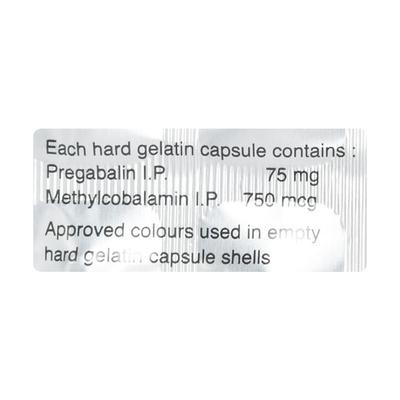
Pregaba M 75mg Capsule contains a combination of pregabalin and methylcobalamin (vitamin B12), which work together to support nerve function and reduce nerve-related discomfort.
Pregabalin acts on the central nervous system by binding to specific calcium channels in nerve cells. This action helps reduce the release of certain chemical messengers involved in pain signaling, thereby calming overactive nerves and supporting relief from nerve-related sensations.
Methylcobalamin, an active form of vitamin B12, plays an important role in nourishing and repairing damaged nerves. It supports the formation of the protective nerve covering (myelin sheath) and helps improve overall nerve health.
How to use PREGABA M 75MG CAPSULE
How to take Pregaba M 75mg Capsule
- Take the capsule exactly as prescribed by your doctor
- Swallow it whole with a glass of water
- Do not crush, chew, or break the capsule
- It can be taken with or without food, but try to take it at the same time each day
- Follow the dose and duration advised by your doctor
- Do not stop taking it suddenly without medical advice
- If prescribed once daily, it is often taken at night to reduce daytime drowsiness
What if I forgot to take PREGABA M 75MG CAPSULE
- Take the missed dose as soon as you remember
- If it is close to your next scheduled dose, skip the missed dose
- Continue with your regular dosing schedule
- Do not take a double dose to make up for the missed one
- Taking extra medicine may increase the risk of side effects
Overdose
If you or someone else accidentally takes more than the recommended dose of Pregaba M 75mg Capsule, seek medical help immediately or visit the nearest hospital. An overdose may lead to symptoms such as excessive drowsiness, confusion, agitation, restlessness, or seizures
Side Effects Of PREGABA M 75MG CAPSULE
Common
Common side effects of Pregaba M 75mg Capsule
- Dizziness
- Sleepiness
- Headache
- Common cold
- Nausea, vomiting
- Increased appetite
- Constipation, diarrhoea, flatulence, abdominal distension
- Dry mouth
- Feeling excited or pleasurable)
- Impaired balance or coordination
- Tremor (shaking)
- Tingling and numbness in extremities)
- Tiredness
- Blurred vision
- Spinning sensation
- Muscle cramps
- Pain in limbs, joints or back
- Cervical spasm (a sudden, involuntary contraction of a muscle in the neck)
- Joint swelling, muscle or neck pain
When to Seek Medical Attention?
Stop taking Pregaba M 75mg Capsule and contact your doctor immediately if you experience any of the following side effects
- severe allergic reactions (skin rash, itching, swelling of the face, lips, throat, neck and difficulty in breathing)
- symptoms of elevated creatine kinase (unexplained muscle pain, tenderness or weakness, accompanied by malaise or fever)
How To Manage Side Effects

Dizziness Or Drowsiness
- Sit or lie down immediately: Rest in a safe position and avoid sudden movements. This helps prevent falls.
- Drink water or fluids: Dehydration is a common cause of dizziness. Sip water slowly or take oral rehydration fluids.
- Ginger: Ginger tea or a small piece of ginger can help ease dizziness and nausea in some people.
- Deep, slow breathing: Sit comfortably and take slow, deep breaths to help improve oxygen flow.
- Elevate your legs: Lying down with legs slightly raised can help improve blood flow to the brain.
- Eat light, balanced meals: Low blood sugar can cause dizziness. Small, frequent meals may help.
- Avoid sudden position changes: Stand up slowly from sitting or lying positions to prevent light-headedness.
- Limit caffeine and alcohol: These can worsen dizziness in some people.

Dry Mouth
- Stay Hydrated: Sip water frequently throughout the day. Carry a water bottle and take small sips to keep your mouth moist.
- Chew Sugar-Free Gum or Lozenges: Stimulates saliva production. Choose sugar-free options with xylitol to protect your teeth.
- Moist Foods and Drinks: Include soups, smoothies, and juicy fruits like watermelon, oranges, or cucumber. Avoid very dry, salty, or spicy foods that can worsen dryness.
- Limit Caffeine: Coffee, tea, they can make the mouth drier. opt for herbal teas or plain water instead.
- Humidify Your Room: Use a humidifier at night, especially in dry weather, to prevent mouth dryness during sleep.
- Rinse with Mild Solutions: Rinse with water or a salt-water solution to keep the mouth fresh. Avoid commercial mouthwashes with alcohol, as they worsen dryness.
- Good Oral Hygiene: Brush with fluoride toothpaste and floss daily. Regular dental check-ups help prevent cavities caused by low saliva.

Nausea And Vomiting
- Ginger: Sip ginger tea or chew small pieces of fresh ginger. Ginger has natural properties that may help soothe the stomach.
- Peppermint: Peppermint tea or inhaling peppermint aroma can help reduce nausea.
- Small, Frequent Meals: Eat light, bland foods like crackers, toast, or rice instead of heavy meals.
- Stay Hydrated: Take small sips of water, clear soups, or electrolyte drinks to prevent dehydration.
- Lemon: Smelling fresh lemon or sipping lemon water may help reduce queasiness.
- Fresh Air: Go for short walks outside or sit near a window to get fresh air.
- Avoid Strong Odors: Stay away from cooking smells, perfumes, or smoke, which may trigger nausea.
- Rest: Sit or lie down in a calm, quiet environment and avoid sudden movements.
Warning & Precautions

Pregnancy
Consult your doctorThere is no proper information on the use of Pregaba M 75mg Capsule during pregnancy and therefore should be used only if the benefit to the mother clearly outweighs the potential risk to the foetus.

Breastfeeding
Consult your doctorPregaba M 75mg Capsule is not recommended for use in breastfeeding women unless it is considered clearly necessary.

Driving and Using Machines
Use with CautionDo not drive or operate any heavy tools or machines if you experience dizziness or sleepiness after taking this medicine.

Alcohol
ContraindicatedAvoid consumption of alcohol while taking Pregaba M 75mg Capsule, as it may cause impairment of motor skills and sedating effects of alcohol.

Kidney
Use with CautionPregaba M 75mg Capsule should be taken with caution in patients with impaired kidney function. Consult your doctor before taking it.

Liver
Use with CautionPregaba M 75mg Capsule should be taken with caution in patients with liver disease. Consult your doctor before taking it.

Allergy
ContraindicatedDo not take Pregaba M 75mg Capsule if you are allergic to Pregabalin, Methylcobalamin or any other ingredients of this medicine.

Heart Disease
Use with CautionPregaba M 75mg Capsule should be taken with caution in patients with heart disease such as congestive heart failure.

Use In Pediatrics
Consult your doctorPregaba M 75mg Capsule is not recommended for use in children and adolescents (aged below 18 years) due to lack of safety data. Consult your child’s doctor for advice.

Use In Geriatrics
Use with CautionPregaba M 75mg Capsule should be used with caution in elderly patients (aged 65 years and above), especially in patients with decreased renal function. Proper dose adjustments and careful monitoring of kidney function are required in such patients.
Other Warnings for PREGABA M 75MG CAPSULE
Before taking this medicine, inform your physician if you
- have history of misuse or substance abuse
- have folate deficiency
- have diabetes
- have epilepsy
- have or at risk of encephalopathy
Who should not take PREGABA M 75MG CAPSULE
Pregaba M 75mg Capsule is not recommended for use if you
- have Leber’s disease
- have problems in glucose metabolism
Safety Advice
- Fluid Retention & Swelling: This medicine may sometimes cause fluid buildup (edema), especially in the hands, feet, or ankles. Be cautious if you already have heart-related concerns, and inform your doctor if swelling worsens.
- Vision Changes Monitoring: Some people may experience temporary changes in eyesight, such as difficulty focusing. Avoid straining your eyes (long screen time) if symptoms appear, and get your vision checked if it persists.
- Blood Sugar Monitoring (Diabetic Patients): If you have diabetes, this medicine may influence body weight and sugar control. Regular monitoring of blood glucose levels is advised to stay on track.
- Oral Health Awareness: Long-term use may sometimes lead to dry mouth. Maintain good oral hygiene and stay hydrated to avoid discomfort or dental issues.
- Sleep Pattern Changes: Some users may notice changes in sleep patterns, such as excessive sleep or disturbed sleep. Try to maintain a consistent sleep routine and inform your doctor if sleep issues continue.
- Balance & Coordination: This medicine may affect coordination or balance, even without noticeable drowsiness. Be cautious while walking on uneven surfaces or climbing stairs.
- Gradual Dose Adjustment: Dose adjustments (increase or decrease) should always be done gradually under medical guidance. Sudden changes in dosage may lead to unwanted effects or reduced effectiveness.
- Long-Term Use Monitoring: If taken for a longer duration, periodic medical check-ups may be advised to assess nerve health and overall response. Do not continue long-term use without regular follow-up.
- Consistency with Food Intake: Try to take the capsule consistently with or without food but follow the same pattern daily. This helps maintain stable levels of the medicine in your body.
Diet and Lifestyle Advice
- Eat balanced meals: Include B12-rich foods (milk, eggs, cereals), green vegetables, nuts, and whole grains.
- Manage weight: Control portions and avoid fried, sugary foods.
- Stay hydrated: Drink enough water daily.
- Stay active: Do light exercise like walking or yoga; avoid overexertion if dizzy.
- Sleep well: Follow a fixed sleep routine and limit screen time at night.
- Avoid alcohol & limit caffeine: Helps reduce drowsiness and sleep issues.
- Reduce stress: Practice meditation or deep breathing.
- Foot care: Check feet regularly and wear comfortable footwear.
- Regular check-ups: Monitor progress and discuss any concerns with your doctor.
1. How does Pregaba M 75 differ from Pregabalin 75 alone in terms of effectiveness and side effects?
|
Parameter |
Pregaba M 75 (Pregabalin + Methylcobalamin) |
Pregabalin 75 Alone |
|
Composition |
Pregabalin 75 mg + Methylcobalamin (Vitamin B12) |
Pregabalin 75 mg only |
|
Primary Use |
Neuropathic pain + nerve repair support |
Neuropathic pain relief |
|
Effectiveness for Nerve Pain |
High — due to combined action on pain signals and nerve regeneration |
High — primarily reduces nerve pain signal transmission |
|
Additional Benefits |
Helps repair damaged nerves due to Vitamin B12 |
No nerve-repair benefit |
|
Beneficial for Patients With |
Diabetic neuropathy, B12 deficiency–related nerve pain, chronic neuropathies |
General neuropathic pain without B12 deficiency |
|
Onset of Relief |
Slightly better in chronic neuropathy due to combined effects |
Similar for pure pain relief |
|
Side Effects (Common) |
Dizziness, sleepiness, weight gain, plus occasional B12-related effects |
Dizziness, sleepiness, weight gain |
|
Side Effects (Less Common) |
Acne, rashes (rare B12 reaction), mild GI issues |
Pure pregabalin side effects only |
|
Risk of Deficiency |
Helps correct B12 deficiency |
Does not address B12 deficiency |
|
Who May Prefer This |
Patients with nerve damage + low B12 levels |
Patients without B12 deficiency or those sensitive to combination therapy |
|
Who Should Avoid |
Those allergic to B12 or with high B12 levels |
Those who only need minimal therapy or prefer single-ingredient treatment |
Drug - Drug interaction
1. Sedatives & Anti-Anxiety Medicines
- Examples: Alprazolam, Diazepam, Clonazepam
- Interaction: May increase sleepiness, dizziness, and reduced concentration when taken together.
- Management: Use only if prescribed; avoid activities requiring alertness and follow dose adjustments if advised.
2. Opioid Pain Relievers
- Examples: Tramadol, Codeine, Morphine
- Interaction: Can cause severe drowsiness, slowed breathing, and increased risk of sedation.
- Management: Combination should be used cautiously under medical supervision; report breathing difficulty or extreme sleepiness immediately.
3. Sleeping Pills (Hypnotics)
- Examples: Zolpidem, Eszopiclone
- Interaction: May lead to excessive sedation and impaired coordination.
- Management: Avoid combining unless necessary; dosage adjustments and monitoring may be required.
4. Antihistamines (Allergy Medicines)
- Examples: Diphenhydramine, Chlorpheniramine
- Interaction: Can enhance drowsiness and dizziness.
- Management: Prefer non-drowsy alternatives if needed and avoid activities like driving.
5. Antidepressants
- Examples: Amitriptyline, Fluoxetine
- Interaction: May increase dizziness, confusion, and sedation.
- Management: Monitor for unusual mood or CNS effects; dose changes may be needed.
6. Medicines for High Blood Pressure
- Examples: Amlodipine, Losartan
- Interaction: May increase risk of swelling (edema) and dizziness.
- Management: Monitor blood pressure and swelling; inform doctor if symptoms worsen.
7. Anti-Diabetic Medicines
- Examples: Insulin, Metformin
- Interaction: Weight gain from pregabalin may affect blood sugar control.
- Management: Regularly monitor blood glucose levels and follow dietary advice.
8. Muscle Relaxants
- Examples: Baclofen, Tizanidine
- Interaction: May cause increased muscle weakness and drowsiness.
- Management: Use cautiously; avoid tasks requiring coordination and report excessive weakness.
9. Alcohol-containing Medicines
- Examples: Certain cough syrups or tonics
- Interaction: Can enhance sedation and dizziness.
- Management: Avoid such products or check labels before use.
Drug - Food interaction
1. High-Fat or Heavy Meals
- Interaction: Heavy or fatty meals may slow down the absorption of the medicine slightly, which can delay its effect.
- Management: You can take the capsule with or without food but try to follow a consistent pattern daily for better results.
2. Sugary & High-Calorie Foods
- Interaction: Pregabalin may increase appetite, and consuming high-calorie foods can lead to unwanted weight gain.
- Management: Prefer balanced, portion-controlled meals and limit junk food, sweets, and processed snacks.
3. Caffeine (Tea, Coffee, Energy Drinks)
- Interaction: Excess caffeine may interfere with sleep patterns and counteract the calming effect of the medicine.
- Management: Limit caffeine intake, especially in the evening, to maintain good sleep quality.
4. Vitamin B12-Rich Foods
- Interaction: No harmful interaction; these foods actually support nerve health along with methylcobalamin.
- Management: Include foods like milk, eggs, dairy, and fortified cereals as part of a healthy diet.
5. Excess Salt Intake
- Interaction: High salt intake may worsen fluid retention (swelling), which can occur with pregabalin.
- Management: Follow a moderate-salt diet and monitor for swelling in hands or feet.
Synopsis
|
Drug |
Pregabalin, Methylcobalamin |
|
Pharmacological Category |
Anticonvulsants, Vitamin B complex |
|
Therapeutic Indication |
Neuropathic pain |
|
Dosage Forms |
Tablet, Capsule, Soft gels, Syrup |
More Information
FAQs About PREGABA M 75MG CAPSULE
Q: What is Pregaba M 75mg Capsule used for?
A: It is commonly used to support relief from nerve-related discomfort such as tingling, burning, or numbness. It also helps improve nerve health and function. The combination works on calming nerve signals and nourishing nerves. Use it only as advised by your doctor.
Q: Can I take Pregaba M 75mg Capsule on an empty stomach?
A: Yes, it can be taken with or without food. However, taking it after food may help reduce stomach discomfort. Try to take it at the same time daily. Follow your doctors advice for best results.
Q: What are the common side effects?
A: Common side effects include dizziness, sleepiness, dry mouth, and blurred vision. These are usually mild and temporary. Taking the medicine as prescribed helps manage these effects. Consult your doctor if they persist.
Q: Can Pregaba M 75mg Capsule cause drowsiness?
A: Yes, it may cause drowsiness or dizziness in some people. Avoid driving or operating machinery if affected. Take adequate rest and monitor how your body responds. Inform your doctor if symptoms continue.
Q: Is Pregaba M 75mg Capsule safe during pregnancy?
A: It should be used during pregnancy only if clearly advised by a doctor. The safety depends on individual conditions. Do not self-medicate. Always follow medical guidance.
Q: Can it help with nerve-related symptoms?
A: Yes, it helps manage symptoms like burning, tingling, and numbness. It works by calming overactive nerves and supporting nerve repair. Regular use as prescribed improves overall nerve comfort.
Q: Who should avoid Pregaba M 75mg Capsule?
A: People with severe kidney problems, allergies to its components, or certain medical conditions should use it cautiously. Inform your doctor about your health history. Use only if prescribed.
Q: Can I stop taking it suddenly?
A: No, do not stop it suddenly without consulting your doctor. Sudden stopping may cause discomfort or withdrawal symptoms. Your doctor may reduce the dose gradually if needed.
Q: Can Pregaba M 75mg Capsule be taken with other medicines?
A: Yes, but some medicines may interact and increase side effects like drowsiness. Inform your doctor about all medicines you are taking. This helps avoid unwanted effects.
Q: What should I do if I miss a dose?
A: Take it as soon as you remember. Skip the missed dose if it is close to your next dose. Do not take a double dose. Continue your regular schedule.
References
1. KD. Tripathi. Antiepileptic Drugs & Hematinics and Erythropoietin. Essentials of medical pharmacology. Seventh edition. 2013. Page-420 & 608.
2. Gerald G. Briggs and Roger K. Freeman. A reference guide to fetal and neonatal risk: Drugs in Pregnancy and Lactation. Tenth Edition. 2015. Page-3223-3225.
3. Yasmin U Dongre and Onkar C Swami. Sustained release pregabalin with Methylcobalamin in neuropathic pain: an Indian real-life experience. NCBI; PMC US National Library of Medicine, National Institute of Health. [Revised in 29th May 2013]. [Accessed on 25th March 2026]  e
e
4. Gupta JK and Qureshi Shaiba Sana. Potential Benefits of Methylcobalamin: A Review. Austin Potential benefits of Pharmacology and Therapeutics. [Revised in 8th October 2015]. [Accessed on 25th March 2026] 
5. Ram Prabhoo, Atul Panghate, Raj Pavitra Dewda, Balaji More, Tanay Prabhoo and Rajiv Rana. Efficacy and Tolerability of a Fixed Dose Combination of Methylcobalamin and Pregabalin in the Management of Painful Neuropathy. NCBI; PMC US National Library of Medicine, National Institute of Health. [Revised in [Revised in November 2012]. [Accessed on 25th March 2026]