






Netmeds First Membership
Quick Links
Introduction About PANTOSEC 40MG TABLET
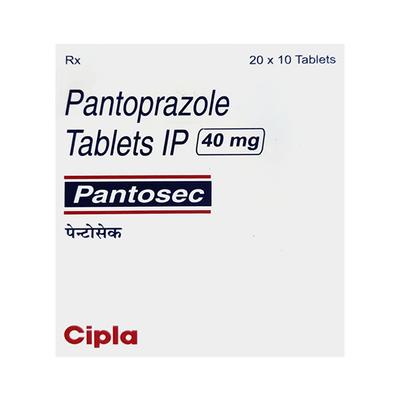
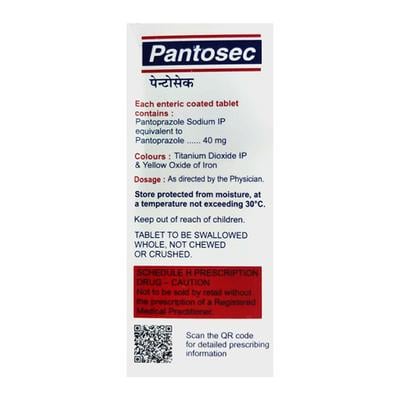
Pantosec 40mg Tablet contains pantoprazole 40mg, a proton pump inhibitor (PPI) that reduces stomach acid production. It is commonly prescribed for people experiencing frequent heartburn, acid reflux, or irritation of the food pipe caused by stomach acid. It is also used to manage gastroesophageal reflux disease (GERD), erosive esophagitis, and certain gastric and duodenal ulcers. By reducing acid secretion, pantoprazole helps relieve symptoms and promotes healing of acid-damaged tissues. It is particularly suitable for adults diagnosed with acid-related digestive conditions who require medical treatment.
The dose and treatment duration depend on the diagnosis and the prescribing doctor's advice. The tablet should generally be swallowed whole with water, around 30–60 minutes before a meal, preferably before breakfast when taken once daily. Do not crush, chew, or break the tablet. Take it regularly as prescribed, and do not double a missed dose or extend treatment without medical advice.
Before taking Pantosec 40mg, inform your doctor if you have liver disease, allergies to pantoprazole or similar medicines, osteoporosis, low magnesium or vitamin B12 levels, or if you take other prescription medicines or supplements. Pantoprazole may interact with certain HIV medicines, warfarin, methotrexate, and medicines whose absorption depends on stomach acidity. Long-term use may be associated with low magnesium or vitamin B12 levels, intestinal infections, and an increased risk of fractures in susceptible patients. Seek prompt medical attention if you experience difficulty swallowing, unexplained weight loss, persistent vomiting, vomiting blood, black stools, or severe abdominal pain, as these may indicate a more serious condition.
During pregnancy, Pantosec 40mg should be used only after a healthcare professional evaluates the potential benefits and risks. Pantoprazole can pass into breast milk in small amounts, but evidence regarding its effects on breastfeeding infants is limited; consult your doctor before use while breastfeeding. Common side effects include headache, diarrhoea, nausea, abdominal discomfort, vomiting, gas, and dizziness. These effects are often mild, but persistent or severe symptoms require medical advice. Use Pantosec 40mg according to your doctor's instructions, and have prolonged treatment reviewed periodically.
Uses Of PANTOSEC 40MG TABLET
- Acidity
- Heartburn
- Gastroesophageal reflux disease (GERD)
- Peptic & duodenal ulcer
- Zollinger-Ellison syndrome
Benefits of PANTOSEC 40MG TABLET
Reduces Excess Stomach Acid and Relieves Heartburn
Excess stomach acid can cause acidity, heartburn, and a burning sensation in the chest or upper abdomen. By inhibiting the proton pumps responsible for acid production in the stomach, the medicine helps lower acid levels and relieve acid-related discomfort. This action also helps reduce irritation of the stomach and esophageal lining, providing effective symptom control when used as prescribed.
Helps Manage Acid Reflux and Gastroesophageal Reflux Disease (GERD)
Acid reflux occurs when stomach contents flow back into the esophagus, causing heartburn, sour taste in the mouth, and acid regurgitation. Reducing stomach acid helps relieve these symptoms and allows acid-damaged tissues in the esophagus to heal. Regular use as prescribed can help control reflux symptoms and improve comfort in people with gastroesophageal reflux disease (GERD).
Promotes Healing of Stomach and Duodenal Ulcers
Stomach and duodenal ulcers develop when the protective lining of the digestive tract becomes damaged. Reducing stomach acid helps minimize further irritation and creates favorable conditions for ulcers to heal. Acid suppression may also support treatment of ulcers associated with Helicobacter pylori infection when combined with appropriate antibiotics, or ulcers caused by certain anti-inflammatory medicines.
Relieves Indigestion Associated with Excess Stomach Acid
Acid-related indigestion may cause upper abdominal discomfort, burning sensations, and persistent stomach irritation. By decreasing acid production, medicine can help relieve symptoms associated with acid-related digestive conditions. This can improve digestive comfort and help manage recurring symptoms. However, indigestion may have other causes, so persistent or worsening symptoms require medical evaluation.
How PANTOSEC 40MG TABLET Works
Inhibition of the Gastric Proton Pump (H?/K?-ATPase)
Pantoprazole selectively inhibits the H?/K?-ATPase enzyme, commonly known as the proton pump, located in the secretory canaliculi of gastric parietal cells. This enzyme is responsible for the final step in hydrochloric acid production. By inhibiting this pump, pantoprazole effectively reduces both basal and stimulated gastric acid secretion.
Conversion to the Active Form in the Acidic Environment
After absorption, pantoprazole reaches the parietal cells and accumulates in their acidic secretory canaliculi. There, it is converted into its active form, which binds to cysteine residues on the proton pump and inhibits its activity. This results in prolonged suppression of gastric acid secretion.
Reduction in Gastric Acidity
By inhibiting the final stage of acid production, pantoprazole increases gastric pH and reduces the acidity of stomach contents. This helps relieve acid-related symptoms, including heartburn and acid reflux, and reduces acid irritation of the esophageal and gastric lining.
Promotion of Healing of Acid-Related Conditions
Reduced acid secretion provides favorable conditions for the healing of gastric and duodenal ulcers and acid-related inflammation of the esophagus. The resulting decrease in acid exposure helps relieve symptoms and supports tissue recovery when the medicine is used as prescribed.
How to use PANTOSEC 40MG TABLET
- Take the tablet orally as directed by your doctor, following the prescribed dosage and duration of treatment.
- Swallow the tablet whole with a glass of water. Do not crush, chew, or break the tablet.
- Take it at the same time each day. Taking it before a meal, often about 30–60 minutes beforehand, may be recommended; follow your product instructions and your doctor's advice.
- Do not increase the dose or extend the treatment period without medical advice.
- If you miss a dose, take it when you remember unless it is nearly time for your next dose. Do not take a double dose to make up for a missed one.
- Consult your doctor if symptoms persist or worsen, or if you experience unusual side effects.
What if I forgot to take PANTOSEC 40MG TABLET
If you forget to take a dose of Pantosec 40mg Tablet, take it as soon as you remember. However, if it is almost time for your next scheduled dose, skip the missed dose and continue with your regular dosing schedule. Do not take a double dose to compensate for the missed dose, as this may increase the risk of side effects. Try to take the medicine at the same time each day to maintain consistent acid control. If you frequently forget doses or are unsure how to adjust your schedule, consult your doctor or pharmacist for guidance.
Overdose
Taking more than the prescribed dose of Pantosec 40mg Tablet may increase the risk of adverse effects, such as headache, nausea, vomiting, abdominal discomfort, dizziness, or diarrhea. There is limited information about the effects of significant pantoprazole overdose. If an overdose is suspected, seek immediate medical advice, particularly if symptoms develop. Do not induce vomiting or attempt home treatment without medical guidance. Treatment is generally supportive and depends on the amount taken and the individual's symptoms. Always use the medicine according to the prescribed dosage and keep it out of the reach of children.
Side Effects Of PANTOSEC 40MG TABLET
The most common side effects of taking Pantosec 40mg Tablet are
- Nausea
- Vomiting
- Headache
- Dizziness
- Flatulence
- Diarrhea
- Stomach pain
- Constipation
- Rash
When to consult your doctor
- Severe allergic reactions symptoms such as rash, itching or swelling (especially of the face, tongue, or throat), severe dizziness, or difficulty breathing
- Irregular heartbeat or palpitations
- Severe or persistent diarrhea
- Low magnesium levels symptoms such as seizures or muscle spasms
- Severe unusual tiredness or weakness
- Kidney problems symptoms such as changes in the amount of urine, blood in urine, or swelling of the legs
- Lupus symptoms such as joint pain or a rash on the cheeks or arms
How To Manage Side Effects

Dizziness Or Drowsiness
- Sit or Lie Down: If you feel dizzy, sit down, or lie down immediately to prevent falling. Keep your head still and close your eyes if needed.
- Hydrate: Dehydration can cause dizziness, so drink water or electrolyte-replenishing drinks like sports drinks.
- Avoid Sudden Movements: When standing or sitting, do so slowly to avoid triggering dizziness. Take your time when getting up.
- Eat Small, Regular Meals: Low blood sugar can cause dizziness, so eat small meals throughout the day and avoid skipping meals.
- Fresh Air: Sometimes dizziness can be alleviated by taking slow, deep breaths in a well-ventilated area.
Headache
- Rest in a Quiet, Dark Room: Find a calm, quiet space away from bright lights and loud noises. Lie down and close your eyes.
- Hydrate: Dehydration can contribute to headaches, so drink plenty of water.
- Apply a Cold or Warm Compress: A cold pack on your forehead may reduce pain, or a warm compress on your neck or shoulders can relieve tension.
- Over-the-Counter Pain Relief: You can take over-the-counter pain relievers like acetaminophen or ibuprofen if appropriate for you. Follow the recommended dosage.
- Practice Relaxation Techniques: Deep breathing exercises, meditation, or gentle stretching can help reduce stress and alleviate headache symptoms.

Nausea And Vomiting
- Sip Clear Liquids: Drink small sips of clear fluids like water, ginger ale, or herbal teas (ginger or peppermint are particularly helpful). Avoid drinking too much at once, which can worsen nausea.
- Eat Small, Bland Meals: Similar to stomach pain, eat light foods like crackers, toast, or bananas. Avoid greasy, spicy, or rich foods until you feel better.
- Get Fresh Air: Sometimes a little fresh air can help alleviate nausea. Take a short walk or sit near an open window.
- Use Acupressure: Applying gentle pressure to the P6 acupressure point on your wrist (located about two finger widths below the wrist crease, between the two tendons) may help reduce nausea.
- Avoid Strong Odors: Strong smells (like perfumes, cooking odors, or cigarette smoke) can trigger or worsen nausea, so it is best to avoid them if you can.
Warning & Precautions

Pregnancy
Consult your doctorConsult your doctor before taking Pantosec 40mg Tablet if you are pregnant, as its safety during pregnancy has not been well established. Consult your doctor before taking this medicine.

Breastfeeding
Use with CautionPantosec 40mg Tablet should be used with caution in breastfeeding women. Inform your doctor if you are breastfeeding before taking this medicine.

Driving and Using Machines
Use with CautionPantosec 40mg Tablet is unlikely to affect your ability to drive or operate machinery. However, if you experience dizziness or visual disturbances, avoid such activities until you feel well.

Alcohol
ContraindicatedAvoid consuming alcohol while taking Pantosec 40mg Tablet, as it may worsen your symptoms or increase the risk of side effects.

Kidney
Use with CautionPantosec 40mg Tablet should be used with caution in patients with kidney problems. Dose adjustments or monitoring may be required. Consult your doctor before taking this medicine.

Liver
Use with CautionPantosec 40mg Tablet should be used with caution in patients with liver problems. Consult your doctor before taking this medicine.

Allergy
ContraindicatedDo not take Pantosec 40mg Tablet if you are allergic to pantoprazole or any other ingredients of this medicine. Inform your doctor about any previous allergic reactions to similar medicines.

Heart Disease
Use with CautionPantosec 40mg Tablet should be used with caution in patients with heart problems. Consult your doctor before taking this medicine.

Use In Pediatrics
ContraindicatedPantosec 40mg Tablet is not recommended for use in children below 12 years of age, as its safety and efficacy have not been established in this age group. Consult your pediatrician before giving it.

Use In Geriatrics
Use with CautionPantosec 40mg Tablet should be used with caution in elderly patients (aged 65 years and above). Dose adjustments and regular monitoring may be necessary. Consult your doctor before taking it.
Other Warnings for PANTOSEC 40MG TABLET
Before taking Pantosec 40mg Tablet, inform your doctor if you have
- Personal or family history of lupus or develop a rash after sun exposure
- Are going to test Chromogranin A level
- History of bleeding in the gut
Who should not take PANTOSEC 40MG TABLET
Pantosec 40mg Tablet is not recommended for use if you have
- Gastric or stomach cancer
- Low magnesium levels (hypomagnesemia) or are at risk for osteoporosis
- Vitamin B12 deficiency or a history of low vitamin B12 levels
Diet and Lifestyle Advice
- Eat small, frequent meals and avoid overeating, as large meals may worsen acid reflux.
- Avoid spicy, oily, and fatty foods if they trigger acidity or heartburn.
- Limit coffee, tea, chocolate, and carbonated beverages if they worsen your symptoms.
- Avoid smoking and alcohol, as they can irritate the stomach and aggravate acid reflux.
- Do not lie down immediately after eating; wait at least 2–3 hours before going to bed.
- Elevate the head of your bed by 6–8 inches if you experience acid reflux during sleep.
- Maintain a healthy body weight, as excess weight can increase pressure on the stomach and worsen reflux.
- Eat dinner at least 2–3 hours before bedtime to reduce nighttime acidity.
- Drink adequate water and eat a balanced diet rich in fruits, vegetables, and whole grains.
- Identify and avoid foods that trigger your symptoms, and maintain regular meal timings for better digestive health.
1. Pantosec 40mg vs Alginate-Based Medicines: Which Is Better for Acid Reflux?
|
Feature |
Pantosec 40mg Tablet |
Alginate-Based Medicines |
|
Active ingredient |
Pantoprazole 40mg |
Sodium alginate, often combined with antacids |
|
Drug class |
Proton pump inhibitor (PPI) |
Alginate-based reflux suppressant, sometimes combined with antacids |
|
Mechanism of action |
Reduces stomach acid production by inhibiting proton pumps in gastric parietal cells. |
Forms a floating gel-like barrier over stomach contents, helping prevent acid from flowing back into the esophagus. |
|
Primary use |
Treats GERD, acid-related inflammation of the esophagus, and certain ulcers. |
Provides relief from acid reflux, heartburn, and regurgitation, particularly after meals. |
|
Onset of action |
Acid suppression begins after a dose, but symptom relief may take longer and improve over several days. |
Often provides relatively rapid symptom relief, sometimes within minutes. |
|
Duration of relief |
Provides sustained acid suppression with regular use as prescribed. |
Provides temporary relief; duration depends on the formulation and individual response. |
|
Effect on stomach acid |
Reduces the amount of acid produced. |
Primarily creates a physical barrier; added antacids can neutralize existing acid. |
|
Best suited for |
Frequent or persistent acid reflux and acid-related conditions requiring sustained acid suppression. |
Occasional heartburn and reflux symptoms, especially after meals or when lying down. |
|
Common side effects |
Headache, nausea, abdominal discomfort, and diarrhea. |
Bloating, nausea, constipation, or diarrhea, depending on the formulation. |
|
Long-term use |
Prolonged use should be reviewed periodically by a healthcare professional. |
Suitability for frequent use depends on the ingredients; sodium content may matter for people on sodium-restricted diets. |
Drug - Drug interaction
1. Blood Thinners (Warfarin)
- Interaction: Pantoprazole may interact with warfarin and affect blood clotting.
- Effect: The combination may increase the risk of bleeding in some patients.
- Advice: Inform your doctor if you are taking warfarin; monitoring may be required.
2. HIV Medicines (Atazanavir, Nelfinavir)
- Interaction: Pantoprazole reduces stomach acid, which may decrease the absorption of certain HIV medicines.
- Effect: This may reduce the effectiveness of antiviral treatment.
- Advice: Inform your doctor if you are taking medicines for HIV, as some combinations should be avoided.
3. Antifungal Medicines (Ketoconazole, Itraconazole)
- Interaction: Pantoprazole may reduce the absorption of certain antifungal medicines by decreasing stomach acidity.
- Effect: This may reduce their effectiveness.
- Advice: Consult your doctor before using these medicines together.
4. Methotrexate
- Interaction: Pantoprazole may increase methotrexate levels in the blood, particularly with high-dose treatment.
- Effect: This may increase the risk of methotrexate-related side effects.
- Advice: Inform your doctor if you are receiving methotrexate, especially at high doses.
5. Iron Supplements
- Interaction: Pantoprazole may reduce the absorption of iron in some patients by decreasing stomach acid.
- Effect: This may reduce iron absorption, particularly during long-term treatment.
- Advice: Tell your doctor if you take iron supplements or are being treated for iron deficiency.
6. Digoxin
- Interaction: Pantoprazole may affect digoxin absorption in some patients.
- Effect: This may increase the risk of digoxin-related side effects.
- Advice: Inform your doctor if you take digoxin, as monitoring may be needed.
Drug - Food interaction
1.Spicy and Fatty Foods:
- Interaction: Spicy and fatty foods can irritate the stomach lining and may counteract the acid-reducing effects of Pantosec 40mg Tablet.
- Effects: Increased risk of acidity, heartburn, and delayed ulcer healing.
- Management: Avoid spicy and fatty foods while taking Pantosec 40mg Tablet to help reduce stomach irritation and improve treatment outcomes.
2.Caffeinated Beverages (Tea, Coffee, Cola, Chocolate):
- Interaction: Caffeine stimulates stomach acid production, which may reduce the effectiveness of Pantosec 40mg Tablet
- Effects: Worsening of acidity and reflux symptoms, slower ulcer healing.
- Management: Limit or avoid caffeinated drinks and chocolate during management for better symptom control.
3.Alcohol:
- Interaction: Alcohol can irritate the stomach lining and increase acid production, potentially worsening symptoms.
- Effects: Aggravation of acidity, heartburn, and risk of stomach ulcers.
- Management: Refrain from consuming alcohol while on Pantosec 40mg Tablet.
4.Nicotine (Smoking):
- Interaction: Nicotine stimulates gastric acid secretion and can delay ulcer healing.
- Effects: Higher risk of persistent symptoms and slower recovery.
- Management: Avoid smoking or using nicotine-containing products during therapy.
5.Large, Heavy Meals:
- Interaction: Large meals can increase stomach acid production and pressure, worsening reflux symptoms.
- Effects: Increased discomfort, heartburn, and indigestion.
- Management: Eat smaller, more frequent meals to enhance treatment effectiveness.
Synopsis
|
Drug |
Pantoprazole |
|
Pharmacological Category |
Proton pump inhibitors |
|
Therapeutic Indication |
Acidity, Heartburn, Gastroesophageal reflux disease (GERD), Peptic ulcer disease, Zollinger-Ellison syndrome |
|
Dosage Forms |
Tablet, Capsule, Injection, Infusion, Prefilled Syringe, Kit |
More Information
Storage
- Keep Tablet out of reach from children
- Store below 30°C
FAQs About PANTOSEC 40MG TABLET
Q: What is Pantosec 40mg Tablet used for?
A: Pantosec 40mg Tablet is used to manage acid reflux, GERD, and stomach ulcers. It reduces the production of stomach acid. This helps relieve heartburn and acid-related irritation.
Q: How should I take Pantosec 40mg Tablet?
A: Take Pantosec 40mg as prescribed by your doctor. It is commonly taken before a meal with water. Swallow the tablet whole without crushing or chewing it.
Q: What are the common side effects of Pantosec 40mg Tablet?
A: Common side effects include headache, nausea, abdominal pain, and diarrhoea. These effects are usually mild and may improve with time. Consult your doctor if they persist or become severe.
Q: Can I take Pantosec 40mg Tablet daily?
A: Yes, it can be taken daily when prescribed by a doctor. The duration depends on your medical condition and response to treatment. Avoid prolonged use without medical supervision.
Q: Can Pantosec 40mg Tablet be taken with other medicines?
A: Pantosec 40mg Tablet may interact with certain medicines, including warfarin and some HIV medications. Inform your doctor about all medicines and supplements you take. This helps prevent potential drug interactions.
Q: Can I take Pantosec 40mg Tablet with food?
A: Pantosec 40mg Tablet can generally be taken with or without food, depending on the formulation. It is commonly taken before meals for acid-related conditions. Follow your doctor's instructions or the medicine label.
Q: Can I stop taking Pantosec 40mg Tablet when I feel better?
A: Do not stop treatment earlier than recommended without consulting your doctor. The duration depends on the condition being treated. Stopping after prolonged use may cause acid-related symptoms to return.
Q: Is Pantosec 40mg safe during pregnancy and breastfeeding?
A: Consult your doctor before taking Pantosec during pregnancy or breastfeeding. Your doctor will assess the potential benefits and risks. Use it only when recommended by a healthcare professional.
Q: What should I do if I miss a dose of Pantosec 40mg Tablet?
A: Take the missed dose when you remember, unless it is nearly time for the next dose. If so, skip the missed dose and continue your regular schedule. Never take a double dose to compensate.
Q: What lifestyle changes can help while taking Pantosec 40mg Tablet?
A: Eat smaller meals and avoid foods that trigger acidity or heartburn. Avoid lying down for 2–3 hours after meals. Maintain a healthy weight and limit alcohol if it worsens your symptoms.
References
1. KD Tripathi. Drugs for Peptic Ulcer and Gastroesophageal Reflux Disease. Essentials of medical pharmacology. Eighth Edition. 2019. Page –701.
2. Andrzej Dabrowski, Borut Stabuc and Leonid Lazebnik. Meta-analysis of the efficacy and safety of pantoprazole in the treatment and symptom relief of patients with gastroesophageal reflux disease. NIH. National Library of Medicine. National Center for Biotechnology Information. PMC. PubMed Central. March 2018. [Accessed on 21st October 2026] 
3. Central Drugs Standard Control Organization. Pantoprazole Tablets. [Revised in December 1998] [Accessed on 21st October 2026] 