






Netmeds First Membership
Quick Links
Introduction About PANTHOR SYRUP
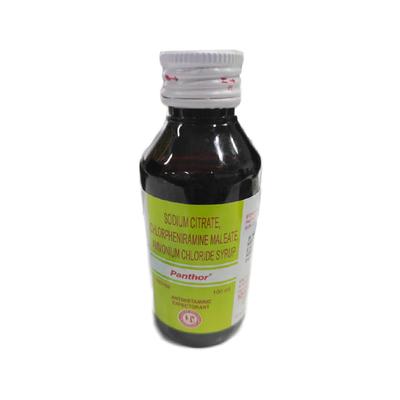
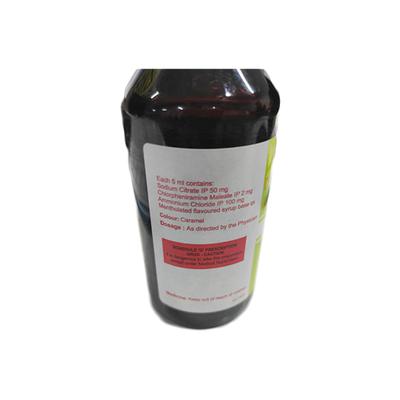
PANTHOR SYRUP is a combination of Ammonium chloride, Chlorpheniramine and Sodium Citrate which belongs to the group of medicines called Expectorant, Antihistamine and Mucolytic. It is used for the symptomatic management of cough.
PANTHOR SYRUP is not recommended for use in patients with severe liver, kidney disease. Contact your doctor before taking it.
PANTHOR SYRUP should be used with caution in patients with lung disease, mild to moderate liver, kidney dysfunction, severe high blood pressure, diabetes mellitus and heart disease. Contact your doctor before taking it.
PANTHOR SYRUP is not recommended for use in pregnant and breastfeeding women unless it is considered clearly necessary. Contact your doctor before taking it.
PANTHOR SYRUP is not recommended for use in children below 6 years of age and in elderly patients with confusion. Contact your doctor before taking it.
The most common side effects of taking PANTHOR SYRUP are nausea, dry mouth, fatigue, sedation, sleepiness, abnormal coordination, headache, if any of the symptoms worsen.
Uses Of PANTHOR SYRUP
Manage:
- Cough
How PANTHOR SYRUP Works
PANTHOR SYRUP helps to manage cough, where Ammonium chloride is an expectorant works by decreasing the stickiness of airway secretions and helps in their removal from the airways. Chlorpheniramine maleate is an antihistamine blocks the binding of histamine (responsible for allergic reactions such as sneezing, watery and itchy eyes and runny nose) to Histamine H1receptors, thus managing allergic reactions. Sodium Citrate is a mucolytic, thins and loosen phlegm in the nose, trachea and lung helps to make coughing. Together relives cough effectively.
How to use PANTHOR SYRUP
Take PANTHOR SYRUP as advised by your physician. Shake well before use. Your physician will decide the correct dose and duration for you depending upon your age, body weight and disease condition.
Side Effects Of PANTHOR SYRUP
Common
- nausea, dry mouth, fatigue
- sedation, sleepiness
- change in attention, abnormal coordination, dizziness, headache
- blurred vision
How To Manage Side Effects
Dry mouth:
Dry mouth can be managed by chewing sugar-free gum or sucking on sugar-free hard candies to stimulate the flow of saliva. Sip water at regular intervals of time. Do not use mouthwashes that contain alcohol because they can be drying. Consult your doctor if the dry mouth gets worse.
Dizziness:
Try to rest and relax. Get enough sleep. Avoid driving or operate any machines while you are feeling dizzy. Do not drink alcohol, as it can aggravate your dizziness. Contact your doctor if your dizziness did not improve.
Nausea:
Take PANTHOR SYRUP, with or just after a meal. Stick to simple meals. Avoid eating oily or spicy food. Contact your doctor if your nausea did not improve.
Headache:
Rest and relax. Drink plenty of fluids such as water or ORS (Oral Rehydrating Solution) and apply a pain-relieving balm on the head if necessary. Contact your doctor if your headache did not improve.
Warning & Precautions

Pregnancy
PANTHOR SYRUP is not recommended for use in pregnancy unless it is considered clearly necessary. Contact your doctor before taking it.

Breastfeeding
PANTHOR SYRUP is not recommended for use in breastfeeding women unless it is considered clearly necessary as it may pass through the breast milk. Contact your doctor before taking it.

Driving and Using Machines
PANTHOR SYRUP may cause drowsiness, dizziness, blurred vision and psychomotor impairment. Do not drive or operate machine after taking PANTHOR SYRUP.

Alcohol
Avoid alcohol consumption while taking PANTHOR SYRUP as it may lead to unwanted effects.

Kidney
PANTHOR SYRUP is not recommended for use in patients with severe kidney disease and it should be used with caution in patients with mild to moderate kidney dysfunction. Contact your doctor before taking it.

Liver
PANTHOR SYRUP is not recommended for use in patients with severe liver disease (Ex. cirrhosis or hepatitis) and it should be used with caution in patients with mild to moderate liver dysfunction. Contact your doctor before taking it.

Allergy
Do not use PANTHOR SYRUP if you are allergic to Ammonium chloride, Chlorpheniramine and Sodium Citrate or to other ingredients of this medicine.

Lungs
PANTHOR SYRUP should be used with caution in patients with lung diseases such as pulmonary oedema, bronchitis, bronchiectasis and asthma. Contact your doctor before taking it.

Heart Disease
PANTHOR SYRUP should be used with caution in patients with severe high blood pressure and cardiovascular disease. Contact your doctor before taking it.
Others
PANTHOR SYRUP is not recommended for use if you have:
- metabolic acidosis (build-up of acid in the body) or respiratory acidosis (failure of lungs to eliminate excess carbon dioxide)
- severe metabolic alkalosis (due to vomiting)
- low sodium levels in blood
- high chloride levels in blood
- rare hereditary problems such as fructose intolerance, glucose-galactose malabsorption and sucrase-isomaltase insufficiency
Before taking PANTHOR SYRUP, inform your doctor if you have:
- fits
- glaucoma (increased eye pressure)
- prostate enlargement
- diabetes mellitus
Use in Paediatrics:
PANTHOR SYRUP is not recommended for use in children below 6 years of age. It should be used with caution in children aged 6 to 12 years and are more likely to experience neurological effects and paradoxical excitation (Ex. increased energy, restlessness, nervousness). Contact your doctor before taking it.
Use in Geriatrics:
PANTHOR SYRUP is not recommended for use in elderly patients aged 65 years or above with confusion. Contact your doctor before taking it.
Interactions
A. Drug-Drug interactions:
Before taking PANTHOR SYRUP, inform your doctor if you are taking any of the following medicine:
- monoamine oxidase (MAO) inhibitors) Ex. moclobemide, selegiline (medicines used for depression and Parkinson’s disease)
- hypnotics or anxiolytics (used to manage panic disorders) Ex. diazepam, lorazepam
- antihistamines (medicines used to manage allergies) Ex. dimenhydrinate
- phenytoin (used to manage fits)
Overdosage:
If you or anyone else accidentally take too much of PANTHOR SYRUP, consult your doctor immediately or visit the nearby hospital. Symptoms of overdosage are nausea, vomiting, thirst, headache, hyperventilation (rapid breathing) and progressive drowsiness and lead to profound acidosis and hypokalaemia (low potassium levels in blood), toxic psychosis, fits, apnoea (cessation of breathing during sleep), dystonic reactions (involuntary muscle contractions) and cardiovascular collapse including arrhythmias (irregular heart rhythms).
Synopsis
| Drug | : | Ammonium chloride, Chlorpheniramine and Sodium Citrate |
| Pharmacological Category | : | Expectorant, Antihistamine and Mucolytic |
| Therapeutic Indication | : | Cough |
| Dosage Forms | : | Syrup |
More Information
- Keep PANTHOR SYRUP out of the sight and reach of children.
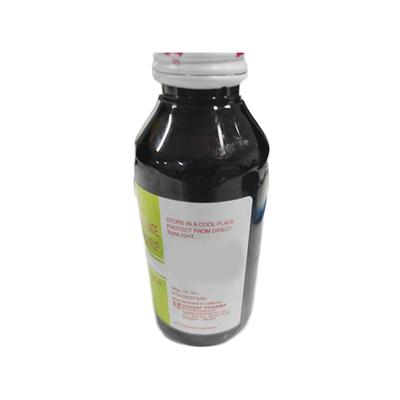
- Store PANTHOR SYRUP below 30°C
FAQs About PANTHOR SYRUP
Q: How long can I use PANTHOR SYRUP?
A: Take PANTHOR SYRUP as advised by your physician. Do not use continuously for more than one week; consult your doctor for re-evaluation if your symptoms did not improve. Do not exceed the stated dose or frequency of dosing. Your physician will decide the correct dose and duration for you depending upon your age, body weight and disease condition.
Q: How often can I take PANTHOR SYRUP?
A: Take PANTHOR SYRUP as advised by your physician. Generally 8ml is taken for every 6 hours in adults and children over 12 years and 4ml every 6 hours in children aged 6 to 12 years. Contact your doctor before taking it.
Q: Who should not take PANTHOR SYRUP?
A: PANTHOR SYRUP is not recommended for use in patients with allergic to ammonium chloride, chlorpheniramine and sodium citrate or to sucrose, severe liver or kidney disease, metabolic acidosis or respiratory acidosis, severe metabolic alkalosis, low sodium levels in blood, high chloride levels in blood and rare hereditary problems such as fructose intolerance, glucose-galactose malabsorption and sucrase-isomaltase insufficiency. Contact your doctor before taking it.
Q: What are the side effects of taking PANTHOR SYRUP?
A: The most common side effects of taking PANTHOR SYRUP are nausea, dry mouth, fatigue, sedation, sleepiness, abnormal coordination, headache, dizziness, blurred vision and change in attention. Contact your doctor if any of the symptoms worsen.
Q: Can I use PANTHOR SYRUP in children?
A: PANTHOR SYRUP is not recommended for use in children below 6 years of age. It should be used with caution in children aged 6 to 12 years and are more likely to experience neurological effects and paradoxical excitation (Ex. increased energy, restlessness, nervousness). Contact your doctor before taking it.
References
1. K.D. Tripathi. Drugs for Cough and Bronchial Asthma. Essentials of medical pharmacology. Seventh edition. 2013. Page – 218, 220.
2. Bethesda (MD). Ammonium Chloride. NIH National Library of Medicine, National Center for Biotechnology Information. PubChem Compound Summary. 2004. [Accessed on 20th July 2022]. https://pubchem.ncbi.nlm.nih.gov/compound/25517
3. Bethesda (MD). Sodium citrate. NIH National Library of Medicine, National Center for Biotechnology Information. PubChem Compound Summary. 2004. [Accessed on 20th July 2022]. https://pubchem.ncbi.nlm.nih.gov/compound/6224
4. GlaxoSmithKline Pharmaceuticals Limited. Piriton Expectorant (Ammonium chloride, Chlorpheniramine and Sodium Citrate. [Revised in March 2022] [Accessed on 20th July 2022]. https://india-pharma.gsk.com/media/6401/piriton-expectorant.pdf
Author Details