



Netmeds First Membership
Quick Links
Introduction About PANGRAF 1MG CAPSULE
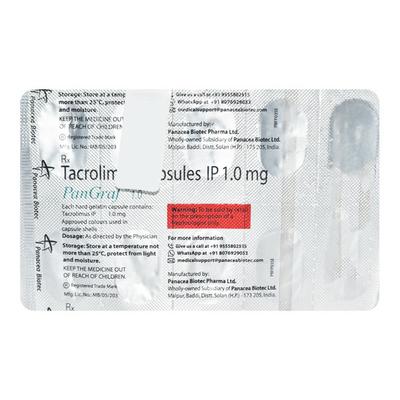
Pangraf 1mg Capsule contains Tacrolimus, a potent immunosuppressant used to manage organ rejection in patients who have undergone liver, kidney, or heart transplantation. It works by modulating the immune system's activity to help the body accept the new organ.
Tacrolimus, the active ingredient, suppresses T-lymphocyte activation by inhibiting calcineurin phosphatase, which reduces the immune response against transplanted organs. This helps protect the transplanted organ from rejection and ensures its long-term function
Take Pangraf 1mg Capsule exactly as prescribed by your healthcare provider. Typically taken once daily, preferably on an empty stomach (1 hour before or 2-3 hours after a meal). Swallow the capsule whole with water; do not crush or chew. Regular blood tests are required to monitor drug levels and organ function.
Avoid abrupt discontinuation without medical advice. Inform your doctor before taking Pangraf 1mg Capsule about any existing kidney, liver, or heart issues. Limit sun exposure as tacrolimus may increase photosensitivity. Report any signs of infection promptly due to suppressed immune function.
Inform your healthcare provider about all medications and supplements you are taking to avoid harmful interactions, especially with antibiotics, antifungals, antivirals, and certain immunosuppressants.
The common side effects are headache, increased blood sugar levels, high blood pressure, tremors, insomnia, nausea and diarrhea.
Uses Of PANGRAF 1MG CAPSULE
- Used to manage organ transplant rejection (liver, kidney, heart)
- Maintenance of immunosuppression post-transplant to reduce immune response
Benefits of PANGRAF 1MG CAPSULE
1. Effective Management of Organ Rejection: Pangraf (Tacrolimus) is a potent immunosuppressant widely used to manage acute and chronic rejection in patients following solid organ transplants such as kidney, liver, heart, and lung
2. Optimized Immune System Modulation: It selectively inhibits calcineurin, an enzyme critical for T-cell activation, thereby reducing immune-mediated damage while preserving broader immune functions. This targeted action helps maintain the transplanted organ's function while minimizing over-suppression risks.
3. Personalized and Flexible Dosing: Availability in both immediate and extended-release forms allows tailored dosing schedules for individual patient needs. Adjusting doses based on therapeutic drug monitoring helps achieve optimal blood levels, improving safety and efficacy.
4. Improved Post-Transplant Outcomes: Studies report that careful management of tacrolimus levels with Pangraf can shorten hospital stays, accelerate recovery of organ function, and reduce complications, translating into better quality of life and healthcare savings for transplant recipients.
How PANGRAF 1MG CAPSULE Works
- Pangraf 1mg Capsule works by inhibiting a key enzyme called calcineurin, which plays an essential role in activating T-lymphocytes, a type of white blood cell responsible for immune responses. Tacrolimus, the active ingredient in Pangraf, binds to an intracellular protein known as FKBP-12 to form a complex that blocks calcineurin's activity. This inhibition manages the dephosphorylation and nuclear translocation of nuclear factor of activated T-cells (NF-AT), a transcription factor needed for producing interleukin-2 (IL-2) and other cytokines involved in T-cell activation and proliferation.
- By suppressing IL-2 production and thereby dampening T-cell activation, Pangraf 1mg Capsule effectively reduces the immune system's ability to recognize and attack transplanted organs. This immunosuppressive action lowers the risk of graft rejection and helps maintain the survival and proper function of liver, kidney, heart, or lung transplants. Because it works selectively by targeting critical signals in T-cell activation rather than broadly suppressing immunity, tacrolimus is more effective and sometimes better tolerated compared to older immunosuppressants
- Tacrolimus is administered orally with careful dosage control and monitoring to maintain therapeutic blood levels, as both inadequate and excessive immunosuppression can lead to complications. Its absorption can be affected by food, so it is recommended to take Pangraf 1mg Capsule one hour before or 2-3 hours after meals for optimal efficacy.
How to use PANGRAF 1MG CAPSULE
Take Pangraf 1mg Capsule exactly as prescribed by your healthcare provider. Typically taken once daily, preferably on an empty stomach (1 hour before or 2-3 hours after a meal). Swallow the capsule whole with water; do not crush or chew. Regular blood tests are required to monitor drug levels and organ function.
1. Recommended Dosage for Pangraf 1mg Capsule
The recommended oral dosage of Pangraf 1mg Capsule varies based on the type of transplant and patient specifics. For adult kidney transplant patients, the starting dose typically ranges from 0.1 to 0.2 mg/kg/day divided into two doses every 12 hours. Liver transplant patients generally start at 0.1 to 0.15 mg/kg/day, and heart transplant patients at about 0.075 mg/kg/day, also divided into two doses. Pediatric dosing may differ and should be determined by the physician. Dosage adjustments are commonly made based on therapeutic drug monitoring to maintain effective blood tacrolimus levels.
2. When and How to Take Pangraf 1mg Capsule
Pangraf 1mg Capsule should be taken on an empty stomach usually one hour before or 2 to 3 hours after meals for optimal absorption. Patients should swallow the capsule whole with water and avoid grapefruit or grapefruit juice, which can increase drug levels and side effects. The medication is generally taken twice daily, approximately 12 hours apart, but patients must follow their healthcare provider’s instructions regarding timing.
3. Important Dosage Tips for Pangraf 1mg Capsule
Consistent dosing intervals and adherence are crucial to maintain stable drug levels and manage organ rejection. Blood levels of tacrolimus must be monitored regularly, especially during the initial post-transplant period, to adjust dosing safely. Patients should not alter or skip doses without consulting their doctor and must report any adverse symptoms promptly.
4. Guidelines for Long-Term Administration
Pangraf 1mg Capsule is often used as a long-term maintenance immunosuppressant in transplant patients. Long-term use requires careful monitoring for potential side effects such as nephrotoxicity, hypertension, and infections. Regular medical follow-ups, lab tests for liver and kidney function, and lifestyle modifications like sun protection and infection control are essential during prolonged therapy to optimize outcomes and minimize risks.
What if I forgot to take PANGRAF 1MG CAPSULE
- In case of a missed dose of Pangraf 1mg Capsule take the missed dose as soon as you remember if it is not too close to the time for your next scheduled dose. If it is almost time for the next dose, skip the missed one and continue with your regular dosing schedule
- Do not take a double dose to make up for the missed dose, as this may increase the risk of side effects or toxicity
- If you take more than the prescribed dose accidentally (overdose), seek immediate medical attention or contact your doctor right away
- Symptoms of overdose may include tremors, abnormal kidney function leading to reduced urine output, increased blood pressure, swelling in the legs, and unusual tiredness or weakness
Side Effects Of PANGRAF 1MG CAPSULE
Common
- headache
- increased blood sugar levels
- high blood pressure
- tremors
- insomnia
- nausea
- diarrhea
How To Manage Side Effects

Headache
Rest and relax. Keep yourself hydrated by drinking plenty of fluids such as water or electrolytes. Applying a pain-relieving balm on your forehead can be beneficial. Do not consume excessive alcohol, as it could aggravate your headache. Consult your doctor if your headache worsens.

Nausea And Vomiting
Try to take PANGRAF 1MG CAPSULE with or just after meals. Stick to simple meals and avoid oil-rich or spicy foods. Consult your doctor if the nausea worsens.
Warning & Precautions

Pregnancy
Monitoring requiredPangraf 1mg Capsule should be used in pregnant women only if it is considered necessary by the physician. Women of childbearing potential must use a suitable contraceptive method to avoid pregnancy while undergoing therapy with this medicine.

Breastfeeding
ContraindicatedPangraf 1mg Capsule may pass through breast milk. Therefore, it is not recommended for use in breastfeeding woman.

Driving and Using Machines
Use with CautionDo not drive or operate any heavy tools or machines if you experience dizziness or sleepiness after taking Pangraf 1mg Capsule.

Alcohol
Consult your doctorAvoid consumption of alcohol while taking Pangraf 1mg Capsule as it might make you feel dizzier or sleepy.

Kidney
Use with CautionPangraf 1mg Capsule should be used with caution in patients with kidney problems.

Liver
Use with CautionPangraf 1mg Capsule should be used with caution in patients with liver problems.

Allergy
ContraindicatedDo not take Pangraf 1mg Capsule if you are allergic to Tacrolimus or to any other ingredients of this medicine.

Heart Disease
Use with CautionPangraf 1mg Capsule should be used with caution in patients with heart problems.

Use In Pediatrics
Consult your doctorThe safety and effectiveness of Pangraf 1mg Capsule have not been established in children and adolescents (aged below 18 years) undergoing transplantation.

Use In Geriatrics
Use with CautionPangraf 1mg Capsule should be used with caution in elderly patients.
Other Warnings for PANGRAF 1MG CAPSULE
Before taking Pangraf 1mg Capsule, inform your doctor if you:
- are scheduled for any vaccination in the upcoming days
- high blood cholesterol levels
- have high blood potassium levels
Diet and Lifestyle Advice
1. Diet and Hydration
- Maintain a balanced diet rich in fruits, vegetables, whole grains, and lean proteins to support overall health and immune function
- Monitor salt intake to help manage blood pressure, as tacrolimus can contribute to hypertension
- Stay well-hydrated to support kidney function and overall metabolism of the medication
- Avoid grapefruit and grapefruit juice, as they can increase tacrolimus levels and risk of side effects
2. Sun Protection
- Tacrolimus increases skin sensitivity and avoid prolonged sun exposure especially during peak hours (10 AM - 4 PM)
- Wear protective clothing such as wide-brimmed hats and long sleeves when outdoors
- Apply broad-spectrum sunscreen with SPF 30 or higher regularly, even on cloudy days
- Monitor for any new or changing skin lesions and report promptly to your doctor
3. Infection Prevention:
- Practice good hand hygiene with frequent washing or use of alcohol-based hand sanitizers to reduce infection risk
- Avoid contact with individuals who have contagious illnesses such as colds, flu, or chickenpox
- Stay up to date with vaccinations, but avoid live vaccines unless approved by your healthcare provider
- Promptly report any signs of infection such as fever, sore throat, cough, or unusual fatigue
Secondary advantages such as the sugar-free formulation reducing metabolic risks compared to other immunosuppressants or the formulation’s tolerability profile that may improve adherence and quality of life.
- Secondary advantages of using Pangraf 1mg Capsule include its sugar-free formulation, which reduces the metabolic risks often associated with some immunosuppressants, such as worsening glucose intolerance or inducing diabetes. This feature makes it a more suitable choice for transplant patients who are at higher risk of metabolic complications, helping to maintain better overall metabolic health
- It is designed to enhance tolerability, potentially improving patient adherence to the immunosuppressive regimen. Improved adherence is crucial in transplant therapy to manage graft rejection and support long-term transplant success. With a well-tolerated medication profile, patients may experience fewer bothersome side effects, which enhances their quality of life and encourages consistent medication use over time
- Furthermore, developments such as once-daily extended-release tacrolimus formulations have been shown to reduce the pill burden, ease dosing schedules, and increase patient’s social activity and convenience without compromising efficacy. These aspects contribute to better patient satisfaction and improved clinical outcomes post-transplant
In summary, beyond its primary immunosuppressive benefits, Pangraf 1mg Capsule sugar-free nature and better tolerability profile offer meaningful secondary advantages that help mitigate metabolic risks and promote adherence and quality of life for transplant patients
Drug - Drug interaction
|
Interaction Type |
Examples |
Effect/Advice |
|
Drugs that Increase Tacrolimus Levels |
Fluconazole, Ketoconazole, Itraconazole (antifungals), Clarithromycin, Erythromycin (antibiotics), Ritonavir, Saquinavir (antivirals), Verapamil, Diltiazem (calcium channel blockers) |
May increase tacrolimus blood concentration→ higher risk of toxicity; dose adjustment and monitoring required |
|
Drugs that Decrease Tacrolimus Levels |
Rifampin, Carbamazepine, Phenytoin, Phenobarbital, St. John's Wort |
May reduce tacrolimus effectiveness→ risk of graft rejection, avoid or monitor closely |
|
Drugs with Additive Toxicity |
NSAIDs, Aminoglycosides (e.g., Amikacin), Amphotericin B |
Increased risk of kidney damage, avoid combination if possible |
|
Other Immunosuppressants |
Cyclosporine (avoid simultaneous use), Azathioprine, Mycophenolate mofetil |
Combination therapy usually required but needs careful monitoring |
Drug - Food interaction
- Pangraf 1mg Capsule may interact with food. To avoid this, take Pangraf 1mg Capsule 1 hour before meals or 2-3 hours after meals
- Avoid consuming grapes or grapefruit juice while taking this medicine
Synopsis
| Drug | : | Tacrolimus |
| Pharmacological Category | : | Calcineurin Inhibitors |
| Therapeutic Indication | : | Manages graft rejection |
| Dosage Forms | : | Capsules, Tablets, Ointment, Lotion, solution, Topical Solution, Oral gel, eye ointment |
More Information
Proactive Health & Monitoring Tips
Guides on how to monitor blood levels, kidney function, and blood pressure, empowering patients to actively participate in their health management.
1. Blood Tacrolimus Levels Monitoring:
Regular blood tests are essential to maintain tacrolimus within the therapeutic range. This helps the doctor adjust dosage to avoid rejection (if levels are too low) or toxicity (if levels are too high). Patients should have these tests frequently in the early post-transplant period and periodically long-term as advised by their healthcare provider.
2. Kidney Function Monitoring:
Since tacrolimus can affect kidney function, patients should routinely get blood tests evaluating serum creatinine, blood urea nitrogen (BUN), and estimated glomerular filtration rate (eGFR). Any significant changes could indicate nephrotoxicity, requiring medical review. Urine analysis may also be performed to detect proteinuria or other abnormalities.
3. Blood Pressure Monitoring:
Tacrolimus may cause or worsen hypertension. Patients should regularly measure their blood pressure at home or clinic visits to detect elevated readings early. Maintaining a controlled blood pressure is critical to manage cardiovascular and kidney complications. Lifestyle modifications and antihypertensive medications may be advised accordingly.
Patient Tips:
- Keep a log of test results and blood pressure readings to share with your healthcare provider.
- Follow scheduled appointments and laboratory testing protocols diligently.
- Report unusual symptoms such as swelling, decreased urine output, headaches, or dizziness immediately.
- Maintain a healthy diet, hydration, and lifestyle to support medication safety and efficacy.
FAQs About PANGRAF 1MG CAPSULE
Q: What is the use of Pangraf 1mg Capsule?
A: Pangraf 1mg Capsule is used to manage graft rejection in patients undergoing organ transplantation. It can also be used to manage an ongoing graft rejection of the newly transplanted organ.
Q: How Pangraf 1mg Capsule works?
A: Pangraf 1mg Capsule is an immunosuppressive agent. It works by blocking the release of certain chemicals in the body (such as T-cells) that triggers the immune response. It suppresses your body’s immune functions and enables your body to accept the transplanted organ. As a result, it manages the risk of graft rejection and increases the survival of the newly transplanted organ.
Q: How to take Pangraf 1mg Capsule?
A: Take Pangraf 1mg Capsule 1 hour before meals or 2-3 hour after meals or as directed by your physician. Swallow the medicine with a glass of water. Do not crush or chew the medicine.
Q: What is the best time to take Pangraf 1mg Capsule?
A: Take Pangraf 1mg Capsule 1 hour before meals or 2-3 hours after meals or as directed by your physician. It is usually taken twice daily. However, your doctor will decide the correct dose, duration of therapy and time of administration for you depending on your age, body weight and disease condition.
Q: Is Pangraf 1mg Capsule an antibiotic?
A: No. Pangraf 1mg Capsule is an immunosuppressive agent. It suppresses your body’s immune functions and enables your body to accept the transplanted organ.
Q: What precautions must be followed while taking Pangraf 1mg Capsule?
A: Pangraf 1mg Capsule must be taken 1 hour before meals or 2-3 hour after meals. Avoid drinking grapefruit juice while taking the medicine. During management, avoid exposing your skin towards direct sunlight. Wear protective loose-fitting clothes and apply sunscreen while going outdoors. Before taking Pangraf 1mg Capsule inform your doctor if you have any liver, kidney or heart problems or if you are pregnant or breastfeeding. Both men and women taking the medicine, must use a suitable contraceptive method (such as condoms or oral contraceptive pills) to avoid pregnancy while undergoing therapy with Pangraf 1mg Capsule.
Q: How long should I take Pangraf 1mg Capsule?
A: You need to take Pangraf 1mg Capsule for the stipulated duration prescribed by your doctor. Your doctor will decide the correct dose and duration of therapy for you depending on your age, body weight and disease condition.
Q: What to do if I forgot to take a dose of Pangraf 1mg Capsule?
A: If you forgot to take a dose of Pangraf 1mg Capsule, take it as soon as you remember. However, if it is time for the next dose, skip the missed dose and take the next one regularly. Do not take a double dose to compensate for the missed one.
Q: Is Pangraf 1mg Capsule safe?
A: The most common side effects of taking Pangraf 1mg Capsule are headache, increased blood sugar levels, high blood pressure, tremors, insomnia, nausea and diarrhea. Consult your doctor if any of these side effects worsen.
Q: Can I stop taking Pangraf 1mg Capsule without consulting your doctor?
A: No. You should not stop taking Pangraf 1mg Capsule without consulting your doctor because your body’s immune system may once again attempt to reject the newly transplanted organ.
Q: Will taking a higher dose of Pangraf 1mg Capsule be more effective?
A: No, taking a higher dose of Pangraf 1mg Capsule will not be effective rather it can lead to toxicity. Always take the dose prescribed by your doctor. If the prescribed dose is not effective for you, consult your doctor for advice. Your doctor might increase the dose or suggest an alternative therapy.
Q: Can I take medication for high blood pressure along with Pangraf 1mg Capsule?
A: It is not advisable to take medicines to control blood pressure while taking Pangraf 1mg Capsule without consulting your doctor as they have known interactions.
References
1. KD. Tripathi. Autocoids and related drugs. Essentials of Medical Pharmacology. 8th edition. 2019. Page – 940-941.
2. Mahmoud Kamel, Manish Kadian, Titte Srinivas, David Taber, and Maria Aurora Posadas Salas. Tacrolimus confers lower acute rejection rates and better renal allograft survival compared to cyclosporine. NIH. National Library of Medicine. National Center for Biotechnology Information. PMC. PubMed Central. December 2016. [Accessed on 20th November 2025] 
3. Astellas Ireland Co. Ltd. European Medicines Compendium (EMC) [Revised on May 2022] [Accessed on 20th November 2025] 
4. Astellas Pharma. U S Food and Drug Administration. [Revised in February 2012] [Accessed on 20th November 2025]
5. Astellas Pharma Tech Co. Ltd. Tacrolimus [Revised in July 2021] [Accessed on 20th November 2025]
Author Details