



Netmeds First Membership
Quick Links
Introduction About PANGRAF 0.5MG CAPSULE
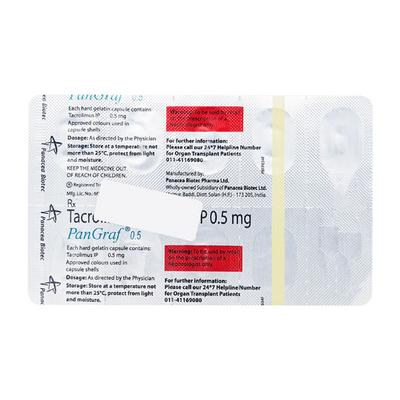
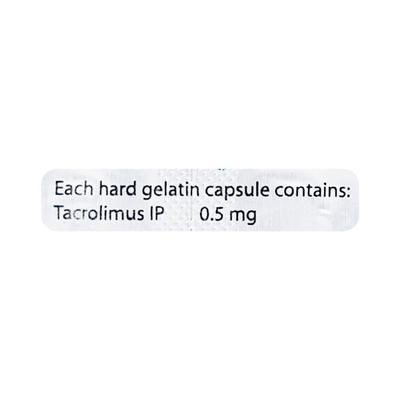
Pangraf 0.5 mg Capsule contains tacrolimus, an immunosuppressive medicine commonly prescribed after organ transplantation. It is mainly used in people who have received a kidney, liver, or heart transplant, where controlling the body’s immune response is essential to support long-term graft acceptance. By calming overactive immune cells, Pangraf helps maintain stable organ function when taken regularly as advised.
This medicine is considered suitable for adult and paediatric transplant recipients who require long-term immune regulation, especially those at higher risk of immune-related graft complications. Clinical data show that tacrolimus effectively reduces immune activity by inhibiting T-lymphocyte activation, which plays a key role in transplant outcomes. The dose is highly individualised and based on body weight, type of transplant, blood tacrolimus levels, and overall clinical condition.
Pangraf 0.5 mg Capsule should be taken exactly as prescribed by the doctor, usually at the same time every day, with or without food. It should be swallowed whole with water and not crushed or chewed. Consistency in timing and food habits is important to maintain stable blood levels. Regular blood tests are required to monitor tacrolimus levels and kidney function. Patients should avoid grapefruit or grapefruit juice, as it can alter the medicine’s absorption.
Important precautions include informing the doctor about existing kidney, liver, or heart conditions, ongoing infections, or use of other medicines. Pangraf is generally not recommended during pregnancy unless clearly advised, as it may pose risks to the unborn baby; effective contraception is usually advised during use. Tacrolimus can pass into breast milk, so breastfeeding decisions should be discussed with a doctor. Commonly reported side effects include headache, tremors, increased blood pressure, nausea, diarrhoea, and changes in kidney function. Any unusual symptoms or signs of infection should be reported promptly.
Uses Of PANGRAF 0.5MG CAPSULE
- Prevents graft rejection following organ transplantation
Benefits of PANGRAF 0.5MG CAPSULE
Pangraf 0.5mg Capsule for Organ Transplant
Pangraf 0.5mg Capsule is commonly prescribed as part of the medical plan for patients who have undergone an organ transplant. After transplantation, the body’s immune system may react strongly to the new organ, and careful regulation of immune activity becomes important. This medicine helps doctors manage immune responses in a controlled manner as advised for each individual. The dosage and duration are decided based on factors such as the type of transplant, overall health, and lab results. Regular follow-up and monitoring are essential while using Pangraf 0.5mg Capsule to ensure safe and consistent use.
Pangraf Capsule Immune System Support
Pangraf Capsule supports balanced immune system activity by influencing specific immune pathways in the body. It helps maintain a controlled immune response, which is especially important in long-term medical care following transplantation. Because immune balance can vary from person to person, the medicine is prescribed in carefully adjusted doses. Blood tests and routine check-ups are often recommended to monitor how the body responds over time. Pangraf Capsule should always be taken exactly as directed to maintain stable immune support.
How PANGRAF 0.5MG CAPSULE Works
Mechanism of Action of Pangraf 0.5mg Capsule
Pangraf 0.5mg Capsule contains tacrolimus, which acts on specific immune cells by influencing internal signalling pathways that regulate immune activity. This helps control excessive immune responses that can occur after organ transplantation.
The medicine works gradually, making regular and consistent dosing important. Blood level monitoring is commonly used to ensure stable levels and support balanced immune regulation over time.
How to use PANGRAF 0.5MG CAPSULE
How to Take Pangraf 0.5mg Capsule
- Take Pangraf 0.5mg Capsule exactly as prescribed by your doctor.
- Swallow the capsule whole with a glass of water.
- Do not crush, chew, or open the capsule.
- Take the medicine at the same time each day to maintain consistent levels in the body.
- It may be taken with or without food but follow the same routine daily.
- Avoid grapefruit and grapefruit juice while taking this medicine.
- Do not stop or change the dose without consulting your doctor.
- If you have difficulty swallowing or miss doses often, inform your doctor promptly.
What if I forgot to take PANGRAF 0.5MG CAPSULE
- Take the missed capsule as soon as you remember, only if it is not close to your next scheduled dose.
- If it is almost time for your next dose, skip the missed one and continue with your regular dosing schedule.
- Do not take a double dose to make up for the missed capsule, as this may increase the risk of unwanted effects.
- Try to take Pangraf at the same time every day to help maintain steady levels in the body.
- Setting a daily alarm or reminder can help prevent missed doses in the future.
- If you miss doses frequently or are unsure what to do, contact your doctor or transplant care team for guidance.
Overdose
If you or someone else has accidentally taken more than the prescribed dose of Pangraf 0.5mg Capsule, seek medical advice immediately or go to the nearest hospital. Taking a higher amount than advised may lead to symptoms such as shaking of the hands, changes in kidney test results including reduced or no urine output, raised blood pressure, swelling of the legs, and unusual tiredness or low energy.
Side Effects Of PANGRAF 0.5MG CAPSULE
Common side effects of Pangraf 0.5mg Capsule
- increased blood sugar levels (diabetes)
- increased blood pressure
- increased potassium levels in the blood
- difficulty in falling asleep
- feeling shaky or trembling
- headache, dizziness
- liver problems, kidney problems
- nausea, vomiting
- stomach pain, diarrhoea, constipation, bloating
- mouth ulcers
- low RBC and platelet count
- edema (swelling of body parts)
- increased blood cholesterol levels
- feeling anxious, confused, disoriented or depressed
- fits, tingling and numbness of hands and feet
- eye sensitivity towards light, ringing sound in the ears
- abnormal or faster heartbeat
- skin rash and itching, acne, hair loss
- increased sweating
- pain in joints, limbs, back and feet, muscle spasms
- weight gain
- increased acidity in the blood
When to Seek Medical Attention?
Stop taking Pangraf 0.5mg Capsule and contact your doctor immediately if you experience any of the following side effects such as:
- severe stomach pain with or without fever, chills, nausea and vomiting
- signs of skin cancer (such as growth or lump on the skin, dark patches on the skin, flesh-coloured or scar-like lesions, scaly patches on sun-exposed areas)
- signs of lymph cancer (enlarged lymph nodes with tiredness, fever, night sweats, itchy skin, weight loss)
- increased frequency of opportunistic infections (including skin infections, urinary tract infections, respiratory tract infections, stomach infections, oral infections, etc.)
- flu-like symptoms (such as fever, sore throat, cold, cough, feeling unwell)
- signs of brain infection (such as memory loss, difficulty in thinking, trouble in walking or vision loss)
- signs of kidney damage such as Haemolytic uraemic syndrome causing low urine output, extreme tiredness, yellowing of the skin or eyes and abnormal bruising or bleeding with signs of infection
- blurred vision, changes in colour of the vision or vision loss
- signs of allergic reactions (such as severe skin rash with itching, blistering and peeling of the skin, mouth, eyes, throat, genitals, swelling of the face and tongue, bleeding under the skin causing the appearance of red-pin point dots on the skin, skin swelling, along with fever, tiredness, confusion or jaundice)
- signs of heart problems (such as chest pain, vertigo, fainting, nausea, palpitations and difficulty in breathing)
How To Manage Side Effects
Bloating
- Warm water or herbal tea: Sip warm water, ginger tea, or peppermint tea to help relax the stomach and reduce gas.
- Jeera (cumin) water: Boil 1 teaspoon of cumin seeds in water, strain, and drink warm. It may help ease digestion.
- Ajwain (carom seeds): Chew a small pinch of ajwain or take it with warm water to reduce gas formation.
- Gentle walking: A short walk after meals can help release trapped gas and improve digestion.
- Eat slowly: Avoid eating too fast, as swallowing air can increase bloating.
- Limit gas-forming foods: Reduce intake of carbonated drinks, fried foods, and heavy meals if bloating occurs often.

Hair Loss
- Coconut oil massage: Gently massage warm coconut oil into the scalp 2–3 times a week to improve blood circulation and nourish hair roots.
- Aloe vera gel: Apply fresh aloe vera gel directly to the scalp. It can help soothe the scalp and maintain healthy hair follicles.
- Onion juice: Apply freshly extracted onion juice to the scalp for 15–20 minutes before washing. It may support scalp health.
- Fenugreek seeds (Methi): Soak fenugreek seeds overnight, grind into a paste, and apply to the scalp. Leave for 30 minutes before washing.
- Balanced diet: Include protein-rich foods, leafy greens, nuts, and seeds to provide essential nutrients for hair growth.
- Avoid harsh treatments: Limit excessive heat styling, chemical treatments, and tight hairstyles to reduce hair breakage.
Warning & Precautions

Pregnancy
Consult your doctorPangraf 0.5mg Capsule should be used during pregnancy only when your doctor considers it necessary. Inform your doctor if you are pregnant or planning to become pregnant before starting this medicine. Women who can become pregnant are advised to use effective contraception while taking Pangraf 0.5mg Capsule.

Breastfeeding
Consult your doctorPangraf 0.5mg Capsule can pass into breast milk. For this reason, its use is generally not advised during breastfeeding. Always speak with your doctor to understand the potential risks and benefits before use.

Driving and Using Machines
Use with CautionIf you feel dizzy, drowsy, or less alert after taking Pangraf 0.5mg Capsule, avoid driving or operating heavy machinery until you feel better.

Alcohol
ContraindicatedIt is advisable to avoid alcohol while taking Pangraf 0.5mg Capsule, as alcohol may increase dizziness or sleepiness.

Kidney
Use with CautionPangraf 0.5mg Capsule should be used carefully in people with kidney-related conditions. Inform your doctor about any existing kidney problems before starting this medicine.

Liver
Use with CautionPatients with liver-related conditions should use Pangraf 0.5mg Capsule with caution. Your doctor may monitor liver function during use if required.

Allergy
ContraindicatedBefore taking Pangraf 0.5mg Capsule, tell your doctor if you are allergic to tacrolimus or to macrolide antibiotics such as erythromycin or azithromycin.

Heart Disease
Use with CautionPangraf 0.5mg Capsule should be used with caution in individuals with heart-related conditions, including problems with heart rhythm such as prolonged QT interval. Consult your doctor for proper guidance.

Use In Pediatrics
Consult your doctorThe safety and effectiveness of Pangraf 0.5mg Capsule have not been fully established in children and adolescents below 18 years of age who are undergoing transplantation. Always consult a doctor before using this medicine in paediatric patients.

Use In Geriatrics
Use with CautionPangraf 0.5mg Capsule should be used with caution in elderly patients. Medical guidance is advised to ensure safe and appropriate use.
Other Warnings for PANGRAF 0.5MG CAPSULE
Before taking Pangraf 0.5mg Capsule inform your doctor if you:
- are scheduled for any vaccination in the upcoming days
- high blood cholesterol levels
- have high blood potassium levels
Safety Advice
- Risk of infections: Pangraf 0.5mg Capsule may lower the body’s natural defense system. Inform your doctor if you develop signs such as fever, sore throat, cough, or unusual tiredness.
- Regular monitoring: Blood tests may be required from time to time to check medicine levels and organ function. Do not skip scheduled lab tests or follow-up visits.
- Vaccinations: Avoid receiving live vaccines while using Pangraf 0.5mg Capsule unless your doctor advises otherwise. Always inform healthcare providers that you are taking this medicine.
- Sun protection: This medicine may increase skin sensitivity. Limit direct sun exposure and use protective clothing or sunscreen when outdoors.
- Drug interactions: Inform your doctor about all other medicines, supplements, or herbal products you are taking, as some may affect how Pangraf 0.5mg Capsule works.
- Consistency in intake: Take Pangraf 0.5mg Capsule exactly as prescribed and at the same time each day to maintain steady levels in the body.
- Do not switch brands on your own: Different brands of tacrolimus may not be interchangeable. Any change should only be done under medical supervision.
- Storage guidance: Store the capsules at room temperature, away from moisture, heat, and direct sunlight. Keep out of reach of children.
Diet and Lifestyle Advice
- Follow a balanced diet: Include fresh fruits, vegetables, whole grains, and lean protein to support overall health while on long-term therapy.
- Limit grapefruit and grapefruit juice: Grapefruit may interfere with how Pangraf 0.5mg Capsule is processed in the body and can affect medicine levels.
- Maintain adequate hydration: Drink enough water throughout the day unless your doctor has advised fluid restriction.
- Reduce salt intake: Limiting salty and processed foods may help support healthy blood pressure levels.
- Practice food safety: Avoid raw or undercooked foods, unpasteurized milk, and unhygienic street foods to reduce the risk of infections.
- Protect your skin: Use sunscreen, wear protective clothing, and avoid prolonged sun exposure, as skin sensitivity may increase.
- Maintain a regular routine: Take the capsule at the same time each day to help maintain consistent medicine levels.
- Avoid smoking and tobacco use: Smoking may affect overall health and interfere with recovery and long-term wellness.
- Engage in light physical activity: Gentle exercises such as walking or stretching may help maintain fitness, as advised by your healthcare provider.
- Manage stress and get adequate rest: Adequate sleep and stress-management practices like meditation or breathing exercises can support overall well-being.
1. Pangraf 0.5mg Capsule Vs Sirolimus
|
Basis of Comparison |
Pangraf 0.5mg Capsule |
Sirolimus |
|
Active ingredient |
Tacrolimus |
Sirolimus |
|
Medicine category |
Immune-modulating medicine |
Immune-modulating medicine |
|
Common medical context |
Commonly used after organ transplantation |
Also used in transplant-related care |
|
How it works (in simple words) |
Affects specific immune cells to control immune activity |
Works on a different immune pathway to regulate immune response |
|
Form available |
Capsule |
Tablet / oral solution |
|
Dosing frequency |
Usually taken daily as prescribed |
Dosing schedule may vary as advised |
|
Blood level monitoring |
Regular blood tests are usually required |
Blood level monitoring is also commonly advised |
|
Effect on immune system |
Helps lower immune overactivity |
Helps control immune response through a separate pathway |
|
Food considerations |
Should be taken consistently with or without food; avoid grapefruit |
Food timing may be advised; grapefruit is usually avoided |
|
Use together |
Sometimes used with other immune-related medicines |
May be used alone or with other medicines based on medical advice |
|
Brand interchangeability |
Brand switching requires medical supervision |
Dose or brand changes require doctor guidance |
|
Medical supervision |
Requires close and regular monitoring |
Also requires regular follow-up and monitoring |
2. Pangraf 0.5mg Capsule Vs Envarsus XR
|
Basis of Comparison |
Pangraf 0.5mg Capsule |
Envarsus XR |
|
Active ingredient |
Tacrolimus |
Tacrolimus |
|
Formulation type |
Immediate-release capsule |
Extended-release tablet |
|
How often it is taken |
Usually taken more than once a day as prescribed |
Usually taken once daily as prescribed |
|
Release pattern |
Releases medicine soon after intake |
Releases medicine slowly over a longer period |
|
Consistency of blood levels |
Requires careful timing to maintain stable levels |
Designed to provide steadier blood levels |
|
Food considerations |
Can be taken with or without food but consistently |
Often advised to take on an empty stomach for consistency |
|
Brand interchangeability |
Should not be switched without medical advice |
Should not be switched without medical advice |
|
Blood level monitoring |
Regular blood tests are usually required |
Regular blood tests are also required |
|
Common medical context |
Commonly used after organ transplantation |
Also commonly used in transplant-related care |
|
Suitability |
May be chosen based on dose flexibility |
May be chosen for once-daily convenience |
|
Switching between products |
Requires dose recalculation and monitoring |
Requires medical supervision and monitoring |
|
Medical supervision |
Close follow-up is essential |
Close follow-up is essential |
Drug - Drug interaction
1. Antibiotics (e.g., erythromycin, clarithromycin)
- Interaction: These medicines may increase tacrolimus levels in the blood.
- Management: Your doctor may adjust the dose or monitor blood levels more closely during combined use.
2. Antifungal medicines (e.g., ketoconazole, fluconazole, itraconazole)
- Interaction: These medicines can significantly increase tacrolimus concentration.
- Management: Dose adjustment and regular blood tests are usually advised when used together.
3. Antiviral medicines (e.g., ritonavir, lopinavir)
- Interaction: May raise tacrolimus levels by slowing its breakdown in the body.
- Management: Close medical supervision and frequent monitoring are required.
4. Calcium channel blockers (e.g., diltiazem, verapamil)
- Interaction: These may increase tacrolimus levels.
- Management: Doctors may reduce the tacrolimus dose and monitor response.
5. Anti-seizure medicines (e.g., phenytoin, carbamazepine)
- Interaction: These medicines may reduce tacrolimus levels by increasing its breakdown.
- Management: Dose adjustment or alternative medicines may be considered.
6. Non-steroidal anti-inflammatory drugs (NSAIDs) (e.g., ibuprofen, diclofenac)
- Interaction: Combined use may increase stress on kidney function.
- Management: Use only under medical advice and for the shortest duration needed.
7. Diuretics (water tablets)
- Interaction: May affect electrolyte balance when used with tacrolimus.
- Management: Regular monitoring of electrolytes may be recommended.
8. Herbal supplements (e.g., St. John’s Wort)
- Interaction: Can reduce tacrolimus levels and affect its consistency in the body.
- Management: Herbal products should generally be avoided unless approved by a doctor.
9. Other immunosuppressive medicines
- Interaction: Combined use may increase the risk of excessive immune suppression.
- Management: Such combinations are managed carefully with regular clinical and laboratory follow-up.
Drug - Food interaction
1. Grapefruit and Grapefruit Juice
- Interaction: Grapefruit can increase tacrolimus levels in the blood by interfering with its breakdown.
- Management: Avoid grapefruit and grapefruit juice completely while taking Pangraf 0.5mg Capsule.
2. High-fat meals
- Interaction: Very fatty foods may slow down or alter the absorption of tacrolimus.
- Management: Take Pangraf 0.5mg Capsule consistently in relation to meals (either always with food or always on an empty stomach), as advised by your doctor.
3. Herbal teas and supplements
- Interaction: Certain herbal products may affect tacrolimus levels or immune function.
- Management: Avoid herbal supplements unless approved by your doctor.
4. Potassium-rich foods (e.g., bananas, oranges, coconut water)
- Interaction: Tacrolimus may affect potassium balance in the body, and high intake of potassium-rich foods may further increase levels.
- Management: Do not make major dietary changes without consulting your doctor; potassium levels may be monitored if needed.
5. Food safety and hygiene
- Interaction: Raw or undercooked foods may increase the risk of infections in people using immune-affecting medicines.
- Management: Choose well-cooked, freshly prepared foods and avoid unhygienic or unpasteurized products.
Synopsis
|
Drug |
|
|
Pharmacological Category |
Calcineurin Inhibitors |
|
Therapeutic Indication |
Prevents graft rejection |
|
Dosage Forms |
Capsules, Tablets, Ointment, Lotion, solution, Topical Solution, Oral gel, eye ointment |
More Information
Storage
- Store Pangraf 0.5mg Capsule at room temperature
- Keep out of reach of children and pets.
FAQs About PANGRAF 0.5MG CAPSULE
Q: What is Pangraf 0.5mg Capsule used for?
A: Pangraf 0.5mg Capsule contains tacrolimus, a medicine that affects the body’s immune response. It is commonly prescribed for people who have undergone organ transplantation. The capsule helps regulate immune activity in the body. It is usually taken for a long duration as advised by a doctor. Medical supervision is essential while taking this medicine.
Q: How should Pangraf 0.5mg Capsule be taken?
A: Pangraf 0.5mg Capsule should be taken exactly as prescribed by your doctor. It is usually taken at the same time each day. The capsule should be swallowed whole with water. Do not crush, chew, or open the capsule. Always follow your doctor’s instructions carefully.
Q: Can Pangraf 0.5mg Capsule be taken with food?
A: Pangraf 0.5mg Capsule may be taken with or without food. The most important point is to take it the same way every day. This helps maintain consistent medicine levels in the body. Grapefruit and grapefruit juice should be avoided. Your doctor can guide you if you are unsure.
Q: What should I do if I miss a dose?
A: If you miss a dose, take it as soon as you remember. If it is nearly time for your next dose, skip the missed one. Do not take a double dose to make up for the missed one. Missing doses often may affect medicine balance. Inform your doctor if this happens frequently.
Q: Is Pangraf 0.5mg Capsule safe for long-term use?
A: Pangraf 0.5mg Capsule is commonly used for long-term management. Regular blood tests help monitor its safety. Doctors may adjust the dose when needed. Routine check-ups are important during ongoing use. Never change the dose without medical advice.
Q: Does Pangraf 0.5mg Capsule increase infection risk?
A: Pangraf 0.5mg Capsule may lower the body’s immune defenses. Because of this, the risk of infections may increase. Inform your doctor if you notice fever or unusual symptoms. Maintaining good hygiene is important. Regular monitoring helps manage this risk.
Q: Are blood tests necessary while taking Pangraf 0.5mg Capsule?
A: Yes, blood tests are usually required during treatment. They help measure tacrolimus levels in the body. Tests may also check kidney and liver function. These tests support safe and effective use. Do not miss scheduled laboratory visits.
Q: Is Pangraf 0.5mg Capsule safe during pregnancy?
A: Pangraf 0.5mg Capsule should be used during pregnancy only if advised by a doctor. Inform your doctor if you are pregnant or planning to become pregnant. Medical guidance is essential before starting this medicine. Effective contraception may be recommended during use. Never self-medicate during pregnancy.
Q: Does Pangraf 0.5mg Capsule interact with other medicines?
A: Pangraf 0.5mg Capsule can interact with several medicines. This includes prescription medicines, supplements, and herbal products. Always inform your doctor about everything you take. Do not start or stop medicines without advice. Monitoring may be required when medicines are combined.
Q: Are there any food restrictions with Pangraf 0.5mg Capsule?
A: Grapefruit and grapefruit juice should be avoided. Very fatty meals may affect absorption in some people. Try to maintain a consistent diet pattern. Follow food safety practices carefully. Ask your doctor for personalized dietary advice.
Q: Can Pangraf 0.5mg Capsule affect blood pressure?
A: Blood pressure may be monitored during use. Some patients may notice changes over time. Regular health check-ups are important. Report headaches or dizziness to your doctor. Lifestyle advice may also be recommended.
Q: Why should I not switch brands of Pangraf 0.5mg capsule?
A: Different brands of tacrolimus may not be interchangeable. Switching brands can affect medicine levels in the body. This may require dose adjustments. Always use the same brand unless advised otherwise. Consult your doctor before making any change.
Q: Can Pangraf 0.5mg Capsule be taken with herbal products?
A: Some herbal products may interfere with this medicine. They can affect how the medicine works in the body. Always inform your doctor before using herbal supplements. Avoid self-medication with herbal remedies. Medical advice ensures safer use.
Q: What lifestyle habits should I follow while using Pangraf 0.5mg Capsule?
A: Maintain a balanced diet and regular routine. Practice good hygiene to reduce infection risk. Protect your skin from excessive sun exposure. Engage in light physical activity if advised. Adequate rest supports overall well-being.
References
1. KD. Tripathi. Autocoids and related drugs. Essentials of Medical Pharmacology. 8th edition. 2019. Page – 940-941.
2. Mahmoud Kamel, Manish Kadian, Titte Srinivas, David Taber, and Maria Aurora Posadas Salas. Tacrolimus confers lower acute rejection rates and better renal allograft survival compared to cyclosporine. NIH. National Library of Medicine. National Center for Biotechnology Information. PMC. PubMed Central. December 2016. [Accessed on 28th January 2026] 
3. Astellas Pharma. U S Food and Drug Administration. [Revised in February 2012]. [Accessed on 28th January 2026] 
4. Astellas Pharma Tech Co. Ltd. Tacrolimus [Revised in July 2021] [Accessed on 28th January 2026]
Author Details