







Netmeds First Membership
Quick Links
Introduction About PACIMOL MF SUSPENSION
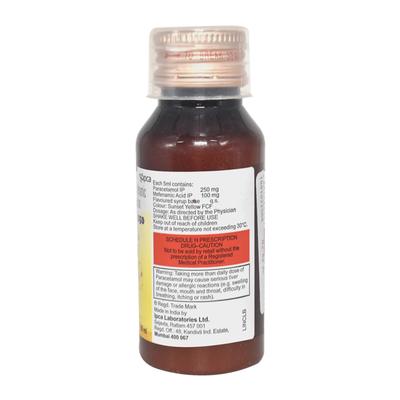
Pacimol MF 250mg Suspension is a commonly used combination medicine that contains Paracetamol and Mefenamic Acid. It belongs to the group of analgesic and anti-inflammatory agents. This suspension is often considered in situations where individuals experience pain along with fever or inflammation. It works by reducing pain signals and controlling inflammation, helping improve overall comfort during episodes of discomfort.
Pacimol MF 250mg Suspension is frequently recommended for managing mild to moderate pain such as toothache, body pain, headache, or fever-related discomfort. It may also be used in conditions involving inflammation where both pain relief and fever control are required. The suspension form makes it easier to administer, especially in children, as per medical guidance.
This medicine is usually given in measured doses using a dosing cup or spoon, preferably after food to reduce the chances of stomach irritation. Patients are advised to follow a fixed dosing schedule and avoid exceeding the recommended dose. Proper hydration and adherence to instructions help ensure better tolerance and effectiveness.
Use during pregnancy and breastfeeding should be guided by a healthcare professional. Common side effects may include nausea, stomach discomfort, or mild dizziness. If symptoms persist or worsen, medical advice should be sought. This medicine is generally part of short-term care, supported by rest, hydration, and balanced nutrition.
Uses Of PACIMOL MF SUSPENSION
- Helps relieve mild to moderate pain such as headache, toothache, and body pain
- Supports reduction of fever and inflammation
Benefits of PACIMOL MF SUSPENSION
Pacimol MF for Pain Relief
Pacimol MF Suspension may be advised to ease different types of pain by acting on pain signals in the body. It helps reduce discomfort, making daily activities more manageable. It is often included in short-term care plans where quick relief from pain is needed.
Pacimol MF for Fever
This medicine supports lowering elevated body temperature by acting on the temperature-regulating centre in the brain. It helps improve comfort during fever and may assist in restoring normal body temperature when used as directed.
Pacimol MF for Inflammation
Pacimol MF helps reduce inflammation-related discomfort by blocking substances responsible for swelling and pain. This can improve mobility and reduce tenderness in affected areas.
How PACIMOL MF SUSPENSION Works
Pacimol MF Mechanism of Action
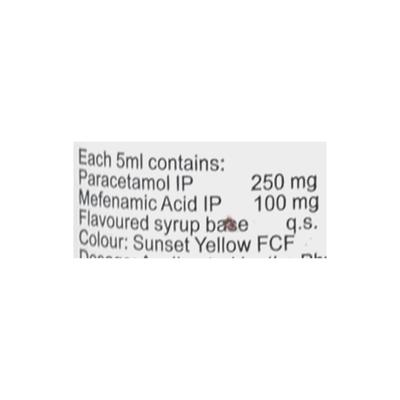
Pacimol MF contains Paracetamol and Mefenamic Acid. Paracetamol works by reducing pain and fever through its action on brain chemicals. Mefenamic Acid, a non-steroidal anti-inflammatory drug (NSAID), reduces inflammation by blocking prostaglandins, which are responsible for pain and swelling.
Role in Pain and Fever Control
This combination provides dual action relieving pain while also addressing inflammation and fever. It helps improve overall comfort and supports faster recovery from discomfort.
Effect on Inflammation and Body Response
By reducing inflammatory mediators, Pacimol MF helps calm tissue irritation and swelling. This leads to improved physical comfort and reduced sensitivity in affected areas.
How to use PACIMOL MF SUSPENSION
How to Take Pacimol MF Suspension
- Take exactly as advised by your doctor
- Shake the bottle well before use
- Measure the dose using a proper measuring cup or spoon
- Take it after food to reduce stomach discomfort
- Do not exceed the prescribed dose
What if I forgot to take PACIMOL MF SUSPENSION
- Take the missed dose as soon as you remember
- Skip if it’s close to the next dose
- Do not double the dose
- Follow your regular schedule
- Use reminders to avoid missed doses
Overdose
If more than the recommended dose is taken, consult a doctor immediately. Overdose may lead to symptoms such as nausea, vomiting, stomach pain, or liver-related concerns.
Side Effects Of PACIMOL MF SUSPENSION
Common
Common side effects of Pacimol MF 250mg Suspension 60ml
- Nausea
- Stomach discomfort
- Dizziness
- Mild rash
When to Seek Medical Attention?
Stop taking Pacimol MF Suspension and contact your doctor immediately if you experience any of the following side effects
- allergic reactions such as skin rashes, redness, hives, boils, severe itching, flaking skin, and swelling of the face, lips, tongue, or throat causing sudden wheezing, fluttering, tightness of the chest or collapse, or difficulty breathing or swallowing
- patchy rashes and peeling of skin with blistering of the mouth, eyes, and genitals
- thrombocytopenic purpura
- yellowing of your skin or eyes, pale faeces, and dark urine
- severe pain in the abdomen and back with fever, loss of appetite, nausea, and vomiting
- passing blood in stools or black tarry stools
- vomiting blood or dark particles like coffee ground
- fever, sore throat, and mouth ulcers due to infections
- unusual bruising or bleeding, for example nosebleeds, pinpoint red spots on the skin, and rashes on the skin and mouth
- tiredness, shortness of breath, and paleness of skin caused by anemia
- seizures
- headache, nausea, vomiting, tiredness, muscle cramps (low sodium levels)
- sudden headache, fever, stiff neck, sensitivity to bright light, drowsiness, and muscle pain, with or without a rash
- fever, rash, nausea, aches and pains, passing more or less urine than usual, passing red urine or passing urine at night due to changes in kidneys
- sudden loss of vision or colour vision, blurring of vision, eye pain
- low body temperature, feeling cold with pale-looking skin (in children)
How To Manage Side Effects

Skin rash Or Itching
- Cool Compress: Apply a clean cloth soaked in cool water to the affected area for 10–15 minutes. This can help reduce redness, itching, and irritation.
- Aloe Vera: Fresh aloe vera gel has soothing and cooling properties. Apply a thin layer to the rash to calm the skin and support healing.
- Oatmeal Bath: Adding finely ground oatmeal to lukewarm bath water can help relieve itching and irritation. Soak for 10–15 minutes for best results.
- Cold Water Rinse: Gently rinse the affected area with cool water to remove irritants and reduce inflammation.
- Baking Soda Paste: Mix a small amount of baking soda with water to form a paste. Apply lightly to the rash to help reduce itching (use sparingly).
- Loose Clothing: Wear soft, breathable cotton clothes to avoid friction and allow the skin to heal.
- Avoid Irritants: Stay away from harsh soaps, perfumes, or products that may worsen the rash.

Stomach Discomfort
- Warm Water: Drinking a glass of warm water can help relax the digestive tract and ease mild discomfort or bloating. It also supports smoother digestion.
- Lemon Water: Mix a few drops of lemon juice in warm water and sip slowly. It may help stimulate digestion and reduce the feeling of heaviness.
- Ginger: Ginger is known for its soothing effect on the stomach. You can drink ginger tea or chew a small piece of fresh ginger to help reduce discomfort and nausea.
- Light Meals: Eat simple, easy-to-digest foods like rice, curd, bananas, or toast. Avoid oily, spicy, or heavy meals that can worsen irritation.
- Ajwain (Carom Seeds): Chew a small amount of ajwain with a pinch of salt or drink it with warm water. It may help relieve gas and bloating.
- Rest and Relaxation: Lie down in a comfortable position and avoid sudden movements. Stress and fatigue can sometimes worsen stomach discomfort.
- Gentle Movement: Light walking can help improve digestion and reduce bloating after meals.
Warning & Precautions

Pregnancy
Consult your doctorPacimol MF Suspension is generally not advised during pregnancy. It is important to consult a doctor before considering its use.

Breastfeeding
Consult your doctorThis medicine is usually avoided during breastfeeding, as its components may pass into breast milk. Seek medical advice before use.

Driving and Using Machines
Use with CautionAvoid driving or operating machinery if you experience dizziness, drowsiness, fatigue, or blurred vision after taking this medicine.

Alcohol
ContraindicatedDo not consume alcohol while using Pacimol MF Suspension, as it may increase the risk of liver-related concerns and stomach irritation.

Kidney
Consult your doctorThis medicine is not recommended for individuals with severe kidney problems. Always consult your doctor before use.

Liver
ContraindicatedAvoid use in patients with severe liver conditions. Medical guidance is necessary before taking this medicine.

Allergy
ContraindicatedDo not take this medicine if you are allergic to paracetamol, mefenamic acid, or other similar pain relievers such as aspirin or ibuprofen.

Lungs
Consult your doctorPacimol MF Suspension is not suitable for individuals with certain respiratory conditions like asthma, especially if triggered by painkillers. Consult your doctor.

Heart Disease
Consult your doctorNot recommended for patients with severe heart conditions or uncontrolled blood pressure. Medical advice is required.

Use In Pediatrics
ContraindicatedThis medicine is generally not advised for children below 6 months of age. The dose should always be determined by a doctor based on the child’s weight and condition.

Use In Geriatrics
Use with CautionElderly patients should use this medicine carefully, as they may be more sensitive to its effects. A doctor’s supervision is recommended.
Other Warnings for PACIMOL MF SUSPENSION
Before taking Pacimol MF Suspension, inform your doctor if you have
- hyperthyroidism
- closed-angle glaucoma
- fluid retention or edema
- poor general health
- anaemia
- intolerance to fructose or other sugars
- bleeding disorder
- major operation
- connective tissue disorder (Ex. Systemic Lupus Erythematous)
- epilepsy
- dehydration
- diabetes
- high cholesterol levels
- smoking history
Who should not take PACIMOL MF SUSPENSION
Pacimol MF Suspension is not recommended for use if you
- peptic ulcer, bleeding in the stomach, severe gastritis, active ulceration/bleeding, or chronic inflammation of the upper or lower gastrointestinal (GI) tract
- have inflammatory bowel disease (Ex. ulcerative colitis, Crohn's disease)
- have obstructive uropathy
- had coronary artery bypass graft (CABG) surgery
Safety Advice
- Use only as prescribed: Follow the exact dose and duration advised by your doctor. Do not exceed the recommended dose, as it may increase the risk of side effects, especially related to the liver and stomach.
- Avoid combining with other pain relievers: Do not take additional medicines containing Paracetamol or NSAIDs unless advised, as this may increase the risk of overdose or stomach irritation.
- Take after food: Prefer taking the suspension after meals to help reduce the chances of stomach discomfort or irritation.
- Stay hydrated: Drink enough fluids throughout the day to support overall body balance and reduce side effects like dizziness or dryness.
- Use caution in certain health conditions: Inform your doctor if you have liver, kidney, heart, or stomach-related problems before starting this medicine.
- Watch for allergic reactions: Seek medical attention if you notice symptoms like rash, itching, swelling, or breathing difficulty.
- Do not use long-term without advice: This medicine is generally meant for short-term use. Prolonged use should only be under medical supervision.
Diet and Lifestyle Advice
- Take light, balanced meals: Prefer simple foods like rice, dal, fruits, and vegetables. Avoid oily, spicy, or heavy meals that may increase stomach discomfort.
- Stay well-hydrated: Drink plenty of water, soups, or oral fluids to support recovery and help reduce side effects like dizziness or nausea.
- Limit caffeine intake: Reduce tea, coffee, and cola, as they may worsen stomach irritation or restlessness.
- Eat fibre-rich foods: Include fruits, vegetables, and whole grains to support digestion and prevent constipation.
- Take adequate rest: Proper sleep and rest help the body recover faster from pain or fever-related discomfort.
- Maintain a regular meal schedule: Eating at consistent times can help reduce gastric irritation and improve tolerance to the medicine.
- Engage in light activity: Gentle movements like walking can support circulation and overall well-being but avoid strenuous activity during discomfort.
- Avoid skipping meals: Taking the medicine on an empty stomach may increase the chances of stomach upset.
- Monitor your body’s response: If certain foods worsen symptoms like nausea or discomfort, avoid them and choose easily digestible options.
1. Pacimol MF 250mg Suspension vs Ibuprofen - Managing Pain and Inflammation
|
Feature / Aspect |
Pacimol MF Suspension |
Ibuprofen |
|
Active Ingredients |
Paracetamol + Mefenamic Acid |
Ibuprofen |
|
Drug Class |
Combination of analgesic + NSAID |
NSAID (Non-Steroidal Anti-Inflammatory Drug) |
|
Mechanism of Action |
Paracetamol reduces pain & fever; Mefenamic Acid reduces inflammation by blocking prostaglandins |
Blocks prostaglandins to reduce pain, fever, and inflammation |
|
Pain Relief |
Effective for mild to moderate pain with added benefit of combination therapy |
Effective for mild to moderate pain |
|
Anti-inflammatory Effect |
Present (due to Mefenamic Acid) |
Strong anti-inflammatory effect |
|
Fever Reduction |
Yes (due to Paracetamol) |
Yes |
|
Onset of Action |
Usually within 30–60 minutes |
Usually within 20–60 minutes |
|
Use in Children |
Commonly used with doctor’s guidance |
Widely used with proper dosing |
|
Stomach Tolerance |
May cause irritation due to NSAID component |
May also cause stomach irritation, especially with long use |
|
Risk of Liver Effects |
Higher risk if overdosed (due to Paracetamol) |
Lower compared to combination, but caution still needed |
|
Dosing Frequency |
As prescribed (often 2–3 times daily) |
Usually every 6–8 hours depending on need |
|
Best Suited For |
Pain with fever and inflammation requiring combination support |
Pain and inflammation, especially where strong anti-inflammatory action is needed |
Drug - Drug interaction
1. Other NSAIDs (e.g., Ibuprofen, Aspirin, Diclofenac)
- Interaction: Taking Pacimol MF with other NSAIDs may increase the risk of stomach irritation, ulcers, and bleeding.
- Management: Avoid combining multiple painkillers unless prescribed. If necessary, your doctor may adjust doses and monitor for gastric side effects.
2. Blood Thinners (e.g., Warfarin, Heparin)
- Interaction: Increased risk of bleeding due to the effect of Mefenamic Acid on platelet function and stomach lining.
- Management: Close monitoring of bleeding signs is required. Dose adjustments or alternative medicines may be considered.
3. Corticosteroids (e.g., Prednisolone, Dexamethasone)
- Interaction: Higher risk of stomach ulcers or gastrointestinal bleeding when used together.
- Management: Doctors may prescribe protective medicines for the stomach and monitor for symptoms like pain or black stools.
4. Antihypertensives (e.g., ACE Inhibitors, Diuretics)
- Interaction: May reduce the effectiveness of blood pressure medicines and increase the risk of kidney-related issues.
- Management: Regular blood pressure and kidney function monitoring is advised. Adequate hydration is important.
5. Methotrexate
- Interaction: Pacimol MF may increase methotrexate levels in the body, raising the risk of toxicity.
- Management: Avoid combination or use under strict medical supervision with regular monitoring.
6. Lithium
- Interaction: May increase lithium levels, leading to potential toxicity such as confusion or tremors.
- Management: Regular monitoring of lithium levels and dose adjustments may be required.
7. Antidiabetic Medicines (e.g., Insulin, Metformin)
- Interaction: May alter blood sugar levels in some individuals.
- Management: Monitor blood glucose regularly and consult your doctor if fluctuations are noticed.
8. Anti-epileptic Drugs (e.g., Phenytoin, Carbamazepine)
- Interaction: These medicines may affect the metabolism of Paracetamol, increasing the risk of liver-related concerns.
- Management: Use cautiously with liver function monitoring, especially during long-term use.
9. Alcohol or Liver-Affecting Drugs
- Interaction: Increased risk of liver damage due to combined effects with Paracetamol.
- Management: Avoid alcohol and use caution with other liver-impacting medicines.
10. Cholestyramine
- Interaction: May reduce the absorption of Paracetamol if taken together.
- Management: Maintain a gap of at least 1–2 hours between both medicines.
Drug - Food interaction
1. High-Fat or Oily Foods
- Interaction: Heavy or fatty meals may slow down the absorption of the medicine, delaying its effect and increasing the chance of stomach discomfort.
- Management: Prefer light, balanced meals when taking the medicine to support better absorption and tolerance.
2. Spicy Foods
- Interaction: Spicy foods may worsen stomach irritation or acidity, especially when combined with anti-inflammatory medicines like Mefenamic Acid.
- Management: Limit spicy and fried foods during the course of treatment to protect the stomach lining.
3. Caffeinated Beverages (Tea, Coffee, Cola)
- Interaction: Excess caffeine may increase restlessness, acidity, or stomach discomfort.
- Management: Reduce intake of caffeinated drinks and switch to water, buttermilk, or herbal beverages.
4. Grapefruit and Citrus Juices
- Interaction: Grapefruit juice may affect liver enzymes and alter how medicines are processed in the body.
- Management: Avoid grapefruit juice unless advised otherwise. Other citrus juices like orange are generally safe in moderation.
5. Low-Fiber Diet
- Interaction: A diet low in fibre may worsen digestion-related issues such as constipation or discomfort.
- Management: Include fibre-rich foods like fruits, vegetables, and whole grains to support digestive health.
6. Empty Stomach Intake
- Interaction: Taking the medicine without food may increase the risk of stomach irritation or nausea.
- Management: Always take Pacimol MF Suspension after meals or with food for better tolerance.
Synopsis
|
Drug |
Paracetamol + Mefenamic Acid |
|
Pharmacological Category |
Analgesic and Anti-inflammatory |
|
Therapeutic Indication |
Pain and fever relief |
|
Dosage Forms |
Oral Suspension |
More Information
Storage
- Store at room temperature
- Keep away from children
FAQs About PACIMOL MF SUSPENSION
Q: Can Pacimol MF Suspension cause stomach discomfort?
A: Yes, it may cause mild stomach irritation or discomfort, especially if taken on an empty stomach. Taking it after food can help reduce this effect. If discomfort persists, consult your doctor.
Q: What precautions should I take while using Pacimol MF Suspension?
A: Inform your doctor about any liver, kidney, heart, or stomach-related conditions. Avoid alcohol, follow the prescribed dose, and do not combine it with other painkillers without medical advice.
Q: Can children use Pacimol MF Suspension?
A: Yes, it is commonly prescribed for children, but only under medical supervision. The dose should be carefully adjusted based on the childs age and weight.
Q: Can Pacimol MF Suspension be used for fever?
A: Yes, it helps reduce fever and improves comfort by acting on the bodys temperature-regulating centre. Always follow the recommended dosage.
Q: Does Pacimol MF help with body pain?
A: Yes, it is often used to relieve mild to moderate body pain, including headache, toothache, and muscle discomfort.
Q: Can I take Pacimol MF Suspension with other medicines?
A: Always inform your doctor about other medicines you are taking. Combining it with certain drugs, especially other pain relievers, may increase the risk of side effects.
Q: Can Pacimol MF Suspension cause dizziness?
A: Yes, some people may experience dizziness. It is advisable to rest and avoid driving or operating machinery if you feel unsteady.
Q: Can Pacimol MF Suspension be taken on an empty stomach?
A: It is better to take it after food to reduce the chances of stomach irritation and improve tolerance.
Q: How long does Pacimol MF Suspension take to work?
A: It usually starts working within 30 to 60 minutes. The duration may vary depending on the condition and individual response.
Q: Can Pacimol MF Suspension cause allergic reactions?
A: In rare cases, it may cause allergic reactions such as rash, itching, or swelling. Seek medical attention immediately if such symptoms occur.
References
1. Delpharm Bladel BV. Electronic Medicines Compendium (EMC). [Revised in July 2024] [Accessed on 9th April 2026] 
2. Rosemont Pharmaceuticals Ltd. Electronic Medicines Compendium (EMC). [Revised in January 2025] [Accessed on 9th April 2026] 
3. Mefenamic acid and Paracetamol. Centaur pharma. [Accessed on 9th April 2026]