






Netmeds First Membership
Quick Links
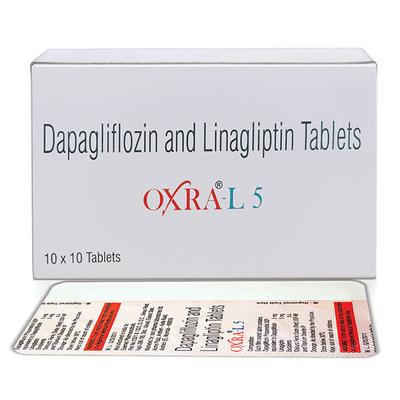
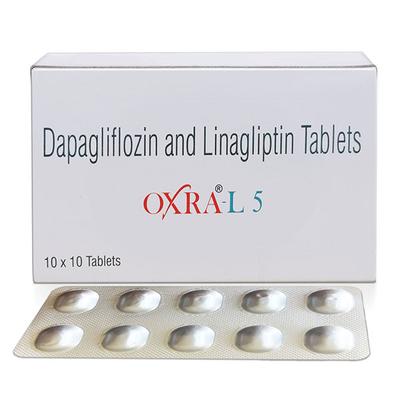
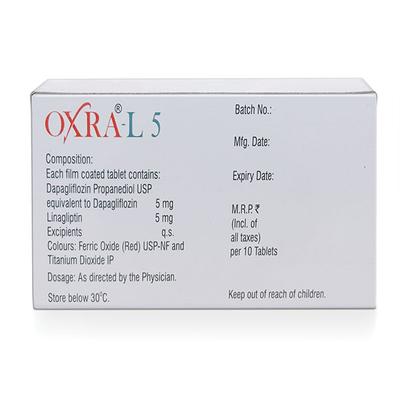
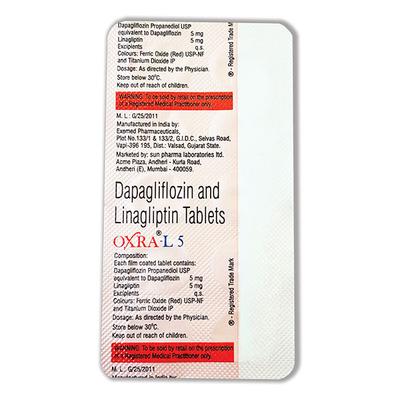
Introduction About OXRA L 5 TABLET
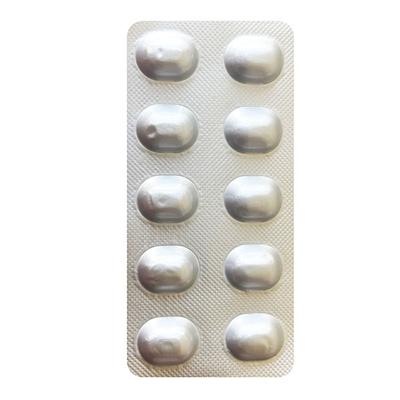
OXRA L 5 Tablet is a prescription antidiabetic medicine containing a combination of two active ingredients dapagliflozin and linagliptin formulated to help adults with type 2 diabetes mellitus manage elevated blood glucose levels. This dual-action formulation supports better glycaemic control by increasing glucose removal via the kidneys and enhancing the body’s own insulin response, making it particularly useful when diet, exercise, and a single glucose-lowering drug are not sufficient to maintain target blood sugar levels. Regular use as part of a broader diabetes care plan (including healthy eating and physical activity) helps reduce long-term complications associated with sustained high blood glucose such as kidney, nerve, and cardiovascular issues.
Given its mechanism of action, Oxra L 5 Tablet is especially suitable for adult patients with type 2 diabetes who require combination therapy to achieve adequate glycaemic control. Your healthcare provider may consider this medicine when monotherapy has not achieved desired results or when patients benefit from complementary modes of action. It is not intended for type 1 diabetes mellitus, diabetic ketoacidosis, or use in children, and should only be started under medical supervision with appropriate monitoring.
Take this tablet once daily, with or without food, at the same time each day as directed by your doctor. Swallow the tablet whole do not chew, break, or crush it. Regular blood glucose monitoring is essential while using this medicine to help guide treatment and avoid complications such as hypoglycaemia (low blood sugar), especially if you are taking other glucose-lowering drugs. Inform your doctor about all medications and health conditions you have, including kidney or liver problems, history of urinary or genital infections, or if you are on diuretic (“water pill”) therapy, as these may require special precautions or dose adjustments.
The safety of Oxra L during pregnancy and breastfeeding has not been established and use in these situations should only be considered after consulting a clinician to weigh potential benefits against risks. Alcohol intake should be discussed with your provider as it may affect blood sugar levels and increase side effect risks. While most common side effects are mild (e.g., urinary tract infections, genital yeast infections, nasopharyngitis, dizziness, and weakness), any persistent or severe reactions should be promptly evaluated by a healthcare professional. Patients should be aware of signs of low blood sugar (such as sweating, tremor, anxiety, or confusion) and know how to manage them.
Uses Of OXRA L 5 TABLET
- Used to manage Type II diabetes mellitus
Benefits of OXRA L 5 TABLET
Oxra L 5mg Tablet for Type II diabetes mellitus
Oxra L 5 mg Tablet is commonly included in glucose-management plans for adults with type II diabetes mellitus. It contains dapagliflozin and linagliptin, which work through complementary mechanisms to support better blood sugar regulation throughout the day. This combination helps manage both fasting and post-meal glucose levels when used along with a balanced diet and regular physical activity. It is generally considered in patients who need additional glycaemic support beyond lifestyle measures alone. Use should always be based on a doctor’s advice, with regular monitoring of blood sugar levels.
How OXRA L 5 TABLET Works
Mechanism of Action of Oxra L 5 mg Tablet (Dapagliflozin + Linagliptin)
Oxra L 5 mg Tablet works through the combined action of dapagliflozin and linagliptin, targeting different pathways involved in blood sugar regulation.
Dapagliflozin is an SGLT2 inhibitor that acts on the kidneys. It reduces the reabsorption of glucose in the renal tubules, allowing excess glucose to be removed from the body through urine. This mechanism helps lower blood sugar levels independently of insulin and also supports improved fasting glucose control.
Linagliptin is a DPP-4 inhibitor that works by increasing the levels of incretin hormones. These hormones help enhance insulin release after meals and reduce the release of glucagon, a hormone that raises blood sugar. This action supports better post-meal glucose regulation.
Together, dapagliflozin and linagliptin provide complementary control of blood sugar by addressing both insulin-independent and insulin-dependent pathways, making Oxra L 5 mg Tablet effective for comprehensive glycaemic management in type II diabetes mellitus.
How to use OXRA L 5 TABLET
How to Take Oxra L 5 mg Tablet
• Take Oxra L 5 mg Tablet exactly as prescribed by your doctor
• Usually taken once daily
• Can be taken with or without food
• Swallow the tablet whole with a glass of water
• Do not crush, chew, or break the tablet
• Take it at the same time each day for consistent effect
• Follow the prescribed dose and duration
• Do not stop or change the dose without medical advice
What if I forgot to take OXRA L 5 TABLET
• Take the missed dose as soon as you remember
• If it is close to the time of your next dose, skip the missed dose
• Do not take two doses at the same time
• Continue with your regular dosing schedule
• Missing doses may affect blood sugar control
• If you forget doses often, consult your doctor for guidance
Overdose
If you or anyone else accidentally take too much of Oxra L 5mg Tablet, consult your doctor immediately or visit the nearby hospital.
Side Effects Of OXRA L 5 TABLET
Common side effects of Oxra L 5mg tablet
- Genital fungal infections (itching, discharge)
- Increased urination frequency
- Urinary tract infections
- Back pain
- Dizziness
- Nasopharyngitis (nose/throat inflammation)
- Rash or skin reactions
- Nausea
When to Seek Medical Attention?
Stop taking Oxra L 5 mg Tablet and contact your doctor immediately if you experience any of the following:
- signs of allergic reaction (skin rash, itching, swelling of the face, tongue or throat, causing difficulty in breathing and swallowing)
- signs of diabetic ketoacidosis (nausea or vomiting, stomach pain, excessive thirst, fast and deep breathing, confusion, unusual sleepiness or tiredness, a sweet smell to breath, a sweet or metallic taste in the mouth or a different odor to urine or sweat, and rapid weight loss)
- pain, swelling, redness or tenderness of the genitals or the areas between the genitals and the anus accompanied with high fever or a feeling generally unwell (sign of necrotizing fasciitis of the perineum)
- signs of urinary tract infection (such as fever and/or chills, burning sensation while passing urine, pain in the back or side)
- bloody urine
- signs of low blood sugar levels (shaking, sweating, anxiety, hunger, fast heartbeat, headache, change in vision, mood swings, confusion)
How To Manage Side Effects

Skin rash Or Itching
• Cold compress: Apply a clean, cold cloth to the rash for 10–15 minutes to reduce redness and itching
• Aloe vera gel: Apply fresh aloe vera gel to calm irritated skin and support healing
• Oatmeal bath: Soaking in lukewarm water with colloidal oatmeal may relieve itching and dryness
• Coconut oil: Helps moisturize the skin and reduce dryness-related irritation
• Calamine lotion: Can soothe itching and mild rashes
• Avoid harsh products: Stop using scented soaps, perfumes, or new skincare products
• Loose cotton clothing: Prevents friction and allows skin to breathe
• Keep the area clean and dry: Gently cleanse with mild soap and pat dry
• Hydration: Drink enough water to support skin health
Warning & Precautions

Pregnancy
Consult your doctorThere is limited clinical information available regarding the use of Oxra L 5 mg Tablet in pregnant women. Due to potential risks, this medicine is generally not advised during the second and third trimesters of pregnancy. Always consult your doctor before use if you are pregnant or planning to conceive.

Breastfeeding
Consult your doctorIt is not known whether Oxra L 5 mg Tablet or its active components pass into human breast milk. Breastfeeding women should seek medical advice before taking this medicine to assess potential risks to the infant.

Driving and Using Machines
Use with CautionOxra L 5 mg Tablet on its own does not usually interfere with driving or operating machinery. However, when used along with other antidiabetic medicines, it may sometimes cause dizziness, shakiness, or visual disturbances. Avoid driving or using heavy machinery if you experience such symptoms.

Alcohol
ContraindicatedAlcohol consumption while taking Oxra L 5 mg Tablet should be avoided or discussed with your doctor, as it may increase the likelihood of undesirable side effects and fluctuations in blood glucose levels.

Kidney
Use with CautionPatients with existing kidney problems should use Oxra L 5 mg Tablet cautiously. Regular monitoring of kidney function may be required, and dose adjustments may be considered based on medical advice.

Liver
Use with CautionOxra L 5 mg Tablet should be administered carefully in individuals with liver-related conditions. Inform your doctor about any liver disorders before starting the medicine.

Allergy
ContraindicatedDo not take Oxra L 5 mg Tablet if you have a known allergy to dapagliflozin, linagliptin, or any other components of this formulation. Seek immediate medical attention if signs of an allergic reaction occur.

Use In Pediatrics
Consult your doctorThere is insufficient data regarding the safety and effectiveness of Oxra L 5 mg Tablet in children below 10 years of age. Paediatric use should only be considered under medical supervision.

Use In Geriatrics
Use with CautionElderly patients aged 65 years and above should use Oxra L 5 mg Tablet carefully, as they may be more sensitive to certain effects of the medicine. Close clinical monitoring is advised.
Other Warnings for OXRA L 5 TABLET
Before taking OXRA L 5 mg Tablet, inform your doctor if you:
- Have frequent urinary tract or genital infections
- Are prone to dehydration, low blood pressure, or reduced fluid intake
- Have a history of diabetic ketoacidosis
- Are taking other antidiabetic medicines, insulin, or diuretics (water pills)
Safety Advice
- Maintain genital and urinary hygiene: Some patients may experience an increased risk of genital or urinary infections. Good personal hygiene and early reporting of symptoms such as itching, burning, or unusual discharge are advised.
- Be alert during illness or fasting: Situations like prolonged fasting, vomiting, fever, or surgery may increase the risk of metabolic imbalances. Inform your doctor if such conditions occur.
- Do not skip or double doses: Missing doses or taking extra tablets may affect blood glucose stability. Take the medicine exactly as prescribed.
- Report unusual symptoms promptly: Symptoms such as persistent nausea, abdominal discomfort, excessive tiredness, or rapid breathing should be discussed with your doctor without delay.
Diet and Lifestyle Advice
- Follow a balanced meal plan: Include whole grains, vegetables, lean proteins, and healthy fats to support stable blood glucose levels. Limit foods high in refined sugars and processed carbohydrates.
- Eat at regular intervals: Consistent meal timing helps maintain steady energy levels and supports better blood sugar balance throughout the day.
- Stay physically active: Engage in moderate activities such as walking, cycling, or yoga for at least 30 minutes most days of the week, as advised by your healthcare provider.
- Maintain a healthy body weight: Gradual and sustainable weight management may support better glucose utilization and overall metabolic health.
- Drink enough fluids: Adequate hydration is important, as this medicine increases glucose excretion through urine, which may lead to fluid loss.
- Prioritize sleep and stress management: Poor sleep and high stress levels can affect blood glucose control. Aim for regular sleep patterns and practice relaxation techniques like meditation or deep breathing.
- Monitor blood sugar as advised: Keeping track of your readings helps you understand how your diet and lifestyle choices influence glucose levels.
1. Oxra L 5 mg Tablet and Dapagliflozin Alone
|
Parameter |
Oxra L 5 mg Tablet |
Dapagliflozin Alone |
|
Composition |
Combination of dapagliflozin + linagliptin |
Contains dapagliflozin only |
|
Mechanism of action |
Works through two complementary pathways—increases glucose excretion via kidneys and supports insulin-related hormonal response |
Lowers blood glucose mainly by increasing urinary glucose excretion |
|
Blood sugar control approach |
Provides broader glucose regulation, addressing both fasting and post-meal sugar levels |
Primarily affects fasting blood glucose levels |
|
Need for combination therapy |
Reduces the need for adding a separate second medicine in some patients |
May require additional medicines if single-drug control is inadequate |
|
Ideal patient profile |
Adults with type 2 diabetes who need enhanced control beyond single-drug therapy |
Adults with type 2 diabetes at an earlier stage or requiring simpler therapy |
|
Dosing convenience |
Offers two medicines in one tablet, improving adherence |
Single-ingredient tablet; combinations may be added separately |
|
Clinical consideration |
Chosen when multiple glucose pathways need to be addressed together |
Preferred when a stepwise treatment approach is planned |
2. Oxra L 5 mg Tablet vs Metformin for Type 2 Diabetes Management
|
Parameter |
Oxra L 5 mg Tablet |
Metformin |
|
Composition |
Combination of dapagliflozin + linagliptin |
Metformin (single active ingredient) |
|
Drug class |
SGLT-2 inhibitor + DPP-4 inhibitor |
Biguanide |
|
Primary action |
Lowers blood glucose by increasing urinary glucose excretion and supporting insulin-related hormone activity |
Improves insulin sensitivity and reduces glucose production by the liver |
|
Blood sugar coverage |
Supports control of both fasting and post-meal glucose levels |
Mainly improves fasting and baseline glucose levels |
|
Typical place in therapy |
Often considered when single-drug therapy is not sufficient |
Commonly used as initial therapy in many adults with type 2 diabetes |
|
Effect on body weight |
May be associated with neutral to modest weight reduction |
Usually weight-neutral or may cause mild weight reduction |
|
Risk of low blood sugar (hypoglycaemia) |
Low when used alone; risk may increase with other antidiabetic medicines |
Low when used alone |
|
Gastrointestinal tolerance |
Generally, well tolerated from a GI perspective |
May cause nausea, diarrhoea, or abdominal discomfort, especially at the start |
|
Suitability for kidney conditions |
Requires cautious use and monitoring in kidney impairment |
Use may be restricted in moderate to severe kidney impairment |
|
Dosing convenience |
Combines two medicines in one tablet |
Available as single-ingredient tablets in multiple strengths |
|
Ideal patient profile |
Adults needing broader glucose control beyond first-line therapy |
Adults newly diagnosed or those suitable for stepwise glucose management |
Drug - Drug interaction
1. Other Antidiabetic Medicines (Insulin, Sulfonylureas)
- Interaction: Using Oxra L 5 mg Tablet along with insulin or sulfonylureas (such as glimepiride or gliclazide) may increase the risk of low blood sugar levels.
- Management: Your doctor may adjust the dose of the other antidiabetic medicine and advise regular blood glucose monitoring to reduce the risk of hypoglycaemia.
2. Diuretics (Water Pills)
- Interaction: Medicines like furosemide or hydrochlorothiazide may increase fluid loss when used with Oxra L 5 mg Tablet, raising the risk of dehydration and low blood pressure.
- Management: Adequate fluid intake is advised, and your doctor may monitor blood pressure and kidney function more closely.
3. Blood Pressure–Lowering Medicines
- Interaction: When combined with antihypertensive drugs, Oxra L 5 mg Tablet may enhance the blood-pressure-lowering effect, which can occasionally cause dizziness or light-headedness.
- Management: Blood pressure should be monitored regularly, especially during the initial phase of treatment.
4. Medicines Affecting Kidney Function (NSAIDs, Certain Antibiotics)
- Interaction: Drugs that affect kidney function, such as NSAIDs (e.g., ibuprofen) or certain antibiotics, may increase the risk of kidney-related side effects when taken with Oxra L 5 mg Tablet.
- Management: Kidney function tests may be advised, and prolonged or unsupervised use of such medicines should be avoided.
5. Strong Enzyme Inducers (e.g., Rifampicin, Phenytoin)
- Interaction: These medicines may reduce the effectiveness of linagliptin by increasing its breakdown in the body.
- Management: Your doctor may monitor blood glucose levels more frequently and adjust therapy if required.
Drug - Food interaction
1. High-Sugar and Refined Carbohydrate Foods
- Interaction: Foods high in sugar or refined carbohydrates (such as sweets, sugary drinks, white bread, and desserts) may lead to sudden increases in blood glucose levels, which can reduce overall glucose stability.
- Management: Prefer a balanced diet with whole grains, vegetables, lean proteins, and fibre-rich foods to support steadier blood sugar control.
2. Very Low-Calorie or Prolonged Fasting Diets
- Interaction: Skipping meals or following very low-calorie diets may increase the risk of low blood sugar symptoms, especially if combined with other antidiabetic medicines.
- Management: Eat meals at regular intervals and avoid prolonged fasting unless advised by a healthcare professional.
3. High-Salt Foods
- Interaction: Foods high in salt may contribute to fluid imbalance or blood pressure changes, particularly in individuals with kidney or heart concerns.
- Management: Limit salty and processed foods and follow a diet plan recommended by your healthcare provider.
4. Caffeinated Beverages (Excess Intake)
- Interaction: Excessive caffeine intake may sometimes affect blood sugar levels and contribute to restlessness or increased urination.
- Management: Consume caffeinated drinks such as coffee or tea in moderation.
5. Fluid Intake
- Interaction: Inadequate fluid intake may increase the risk of dehydration, as the medicine promotes glucose excretion through urine.
- Management: Maintain adequate hydration throughout the day unless otherwise advised by your doctor.
Synopsis
|
Drug |
|
|
Pharmacological Category |
SGLT-2 Inhibito, DPP-4 Inhibitor |
|
Therapeutic Indication |
Type II Diabetes Mellitus |
|
Dosage Forms |
Tablet |
More Information
Storage
- Store Oxra L 5 mg Tablet at room temperature, ideally below 25–30°C.
- Keep out of reach and sight of children and pets.
FAQs About OXRA L 5 TABLET
Q: What is Oxra L 5 mg Tablet used for?
A: Oxra L 5 mg Tablet is a combination medicine used as part of blood sugar management plans. It contains dapagliflozin and linagliptin, which work in different ways to help control glucose levels. It is commonly used in adults with type 2 diabetes. This tablet supports better blood sugar balance when used with diet and lifestyle measures. Use it only as advised by a doctor.
Q: How should Oxra L 5 mg Tablet be taken?
A: Oxra L is usually taken once daily as advised by a doctor. It can be taken with or without food. The tablet should be swallowed whole with water. Taking it at the same time each day helps maintain consistent blood sugar control. Always follow the prescribed dose and duration.
Q: Can Oxra L be taken at night?
A: Oxra L can be taken at any time of the day as advised by your doctor. Many people prefer taking it at the same fixed time daily. Consistent timing helps maintain stable glucose levels. It does not usually cause sleepiness. Follow your doctor’s instructions for timing.
Q: Is Oxra L used for type 1 diabetes?
A: No, Oxra L is not used for type 1 diabetes. It is meant only for adults with type 2 diabetes. It works when the body still produces some insulin. Type 1 diabetes requires different management approaches. Always follow your doctor’s diagnosis and advice.
Q: Can Oxra L help control blood sugar levels?
A: Yes, Oxra L helps improve blood sugar control in type 2 diabetes. Dapagliflozin helps remove excess glucose through urine. Linagliptin helps regulate insulin release after meals. Together, they support better glucose balance. It works best with diet and exercise.
Q: Is Oxra L safe for long-term use?
A: Oxra L may be prescribed for long-term use in type 2 diabetes. Long-term use should be monitored through regular check-ups. Blood sugar and kidney function may be checked periodically. Do not change the dose on your own. Follow-up visits help ensure safe use.
Q: Does Oxra L cause low blood sugar?
A: Oxra L alone has a low risk of causing low blood sugar. The risk may increase if taken with certain other diabetes medicines. Symptoms may include dizziness or sweating. Regular monitoring helps reduce risk. Inform your doctor if you notice unusual symptoms.
Q: Can Oxra L be taken with food?
A: Yes, Oxra L can be taken with or without food. Food does not affect how the medicine works. Taking it with meals may suit some people better. Choose a routine you can follow daily. Consistency is important for glucose control.
Q: Can Oxra L be taken daily?
A: Yes, Oxra L is formulated for once-daily use. Daily intake helps maintain steady blood sugar levels. Skipping doses may reduce its effectiveness. Take it regularly as prescribed. Do not stop without consulting your doctor.
Q: What happens if too much Oxra L is taken?
A: Taking too much Oxra L may increase the risk of side effects. Some people may feel weak, dizzy, or unwell. Seek medical help immediately in case of overdose. Do not exceed the prescribed dose. Keep the medicine out of children’s reach.
Q: Can Oxra L be taken with other medicines?
A: Oxra L may interact with some medicines. Always inform your doctor about all medicines you are taking. This includes insulin, supplements, and herbal products. Medical guidance helps avoid unwanted interactions. Never combine medicines without advice.
Q: Does Oxra L affect body weight?
A: Some people may notice mild weight changes while using Oxra L. Dapagliflozin may support modest weight reduction in some individuals. Results vary from person to person. Maintain a healthy diet and activity routine. Discuss concerns with your doctor.
Q: Can Oxra L be stopped suddenly?
A: Do not stop Oxra L suddenly without consulting your doctor. Stopping may cause blood sugar levels to rise. Your doctor may adjust the dose if needed. Regular monitoring is important. Always follow medical advice.
Q: Is Oxra L habit-forming?
A: No, Oxra L is not habit-forming. It does not cause dependence. It is used as part of diabetes management plans. Long-term use requires medical supervision. Follow prescription instructions carefully.
Q: How long does Oxra L take to show effect?
A: Oxra L starts working soon after you begin taking it. Blood sugar improvements may be seen over days to weeks. Full benefit depends on regular use. Individual response may vary. Continue use as advised by your doctor.
Q: Who should avoid Oxra L?
A: People allergic to dapagliflozin or linagliptin should avoid Oxra L. Those with severe kidney problems need medical evaluation. Always inform your doctor about existing health conditions. It may not be suitable for everyone. Proper assessment is essential.
References
- KD. Tripathi. Insulin, oral hypoglycaemic drugs, and glucagon. Essentials of medical pharmacology. Seventh edition. 2013. Page – 278.
- John lee India. Linaprove-D 5/10. [Accessed on 22nd December 2025]

- Torrent pharma. IN/LINAXA D [Revised in June 2024] [Accessed on 22nd December 2025]
