



Netmeds First Membership
Quick Links
Introduction About OROFER FCM INJECTION
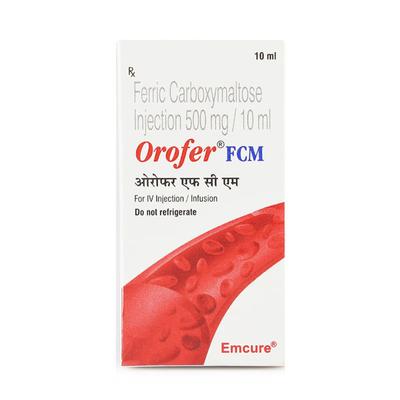
Orofer Fcm Injection is an iron-based injection used for managing iron deficiency anemia. It is used to replenish iron stores in individuals with low iron levels due to various causes, including chronic kidney disease or malabsorption. It is used particularly in cases when oral iron supplements are ineffective.
Orofer Fcm should be used under medical supervision. It will be administered to you only by a doctor or a nurse as an injection or infusion into your vein in a hospital or clinic. Before administration of this medicine, inform your doctor if you are allergic to iron in any form. While administration, if you experience severe nausea or vomiting, inform your doctor immediately.
Orofer Fcm Injection is typically given in two doses, spaced seven days apart. The exact dosage and frequency will be determined by your doctor based on your specific needs. A well-balanced diet rich in iron, vitamins, and minerals can help restore iron levels. Good dietary sources of iron include meat, eggs, raisins, broccoli, and lentils. Iron is crucial for producing red blood cells that transport oxygen throughout the body.
Before taking Orofer Fcm Injection, inform your doctor if you have asthma, allergic conditions, rheumatoid arthritis, liver problems or high blood pressure as a precaution. Orofer Fcm can be used in pregnant and breastfeeding women if prescribed to replenish deficient iron levels.It is advised to avoid alcohol while receiving this management, as it may increase the risk of certain side effects.
The most common side effects of Orofer Fcm include Injection site reactions (pain, redness, irritation, swelling), headache, dizziness, nausea or vomiting and high blood pressure. These side effects usually subside shortly after the injection, but if they persist or become bothersome, consult your doctor. Orofer Fcm Injection should not be used if your anemia is not caused by iron deficiency.
Key Composition
- Ferric Carboxy Maltose (elemental iron)
Uses Of OROFER FCM INJECTION
- Iron deficiency anaemia
Benefits of OROFER FCM INJECTION
- Rapid Iron Restoration: Quickly improves low iron levels, alleviating symptoms like fatigue, weakness, and breathlessness.
- Convenient Single Dose: Administered as an injection or infusion, often requiring fewer doses compared to oral iron.
- Minimal Side Effects: Reduces common side effects like nausea, constipation, and stomach upset seen with oral iron supplements.
- Effective for Chronic Conditions: Ideal for patients with chronic kidney disease, inflammatory bowel disease, postpartum anemia, or heavy menstrual bleeding.
- Boosts Energy & Hemoglobin: Enhances physical performance, mental clarity, and overall quality of life.
Orofer Fcm for Chronic Kidney Disease Patients:
Orofer Fcm is specially designed to manage anemia in CKD patients, ensuring effective iron supplementation even when oral iron is not suitable. It helps CKD patients by addressing their iron deficiency quickly and safely, particularly for those undergoing dialysis.
Orofer Fcm for pregnancy-related anemia:
Orofer Fcm is an efficient option for pregnancy-related anemia, ensuring optimal iron levels for the health of the mother and baby. It is particularly beneficial in the second and third trimesters when rapid iron correction is essential.
Orofer Fcm for iron deficiency in children:
Orofer Fcm offers an effective solution for iron deficiency anemia in children, especially in cases of malabsorption or severe anemia. Its quick action and reduced side effects make it a reliable choice for pediatric care under medical guidance.
How OROFER FCM INJECTION Works
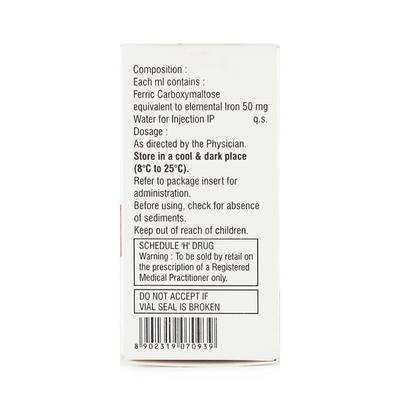
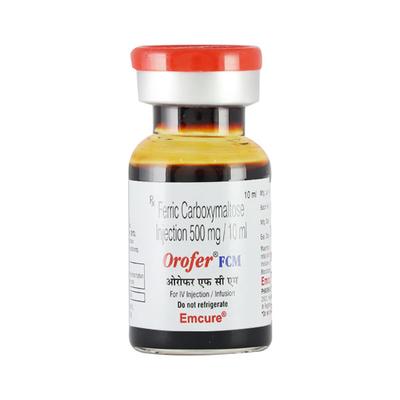
Orofer Fcm Injection contains an active ingredient called ferric carboxy maltose which corresponds to elemental iron 50mg/ml.
How Orofer Fcm Works for Anemia:
The ferric carboxymaltose (or elemental iron) present in Orofer Fcm helps anemia by directly delivering iron into the bloodstream. The iron binds to proteins in the body, helping to produce hemoglobin, the molecule in red blood cells responsible for carrying oxygen. This rapid replenishment of iron stores improves symptoms like fatigue, weakness, and dizziness, restoring energy levels and overall health.
How Orofer Fcm Works in Chronic Kidney Disease:
In CKD patients, anemia often results from impaired iron absorption and reduced erythropoietin production (a hormone that stimulates red blood cell production). Orofer Fcm bypasses the gastrointestinal tract, ensuring efficient iron delivery to the body. This supports the production of hemoglobin, improves oxygen transport, and reduces the need for blood transfusions or higher doses of erythropoiesis-stimulating agents (ESAs). It is particularly effective in CKD patients, including those on dialysis, offering a safe and rapid solution to manage anemia.
How to use OROFER FCM INJECTION
Orofer Fcm Injection is administered as an intravenous (IV) infusion or injection by a healthcare professional. The dosage depends on the patient’s iron requirements, body weight, and medical condition. A healthcare provider will calculate the exact dose to avoid under- or over-management.
Orofer Fcm Injection Recommended Dosage:
- The recommended dosage is based on the patient’s total iron deficit, calculated using body weight, hemoglobin levels, and iron stores.
- The maximum single dose of Orofer Fcm is 1,000 mg per week, depending on the patient's needs.
Orofer Fcm Injection Dosing for Iron Deficiency Anemia:
- For adults with iron deficiency anemia, the dose is calculated based on total iron requirements.
- Typically, 500 mg to 1,000 mg per session, with follow-up doses as needed, based on the severity of anemia and hemoglobin improvement.
Orofer Fcm Injection Dosing in Chronic Kidney Disease (CKD):
- For CKD patients, Orofer Fcm is often used to manage anemia in combination with erythropoiesis-stimulating agents (ESAs).
- The total iron requirement is calculated, and doses of up to 1,000 mg may be administered weekly until the target iron levels are achieved.
- Dosage frequency is adjusted based on hemoglobin and ferritin levels.
Orofer Fcm Injection Dosing in Pregnancy:
- In pregnancy-related anemia, Orofer Fcm is used when oral iron supplements are ineffective or poorly tolerated.
- The dose depends on the patient’s iron deficit, typically calculated based on pre-pregnancy weight.
- Up to 1,000 mg of iron can be administered per week in the second and third trimesters under medical supervision.
Orofer Fcm Dosing in Elderly Patients:
- Elderly patients often tolerate Orofer Fcm well, with dosages calculated individually based on body weight and iron levels.
- Up to 1,000 mg per week may be administered, with careful monitoring for side effects or iron overload.
Orofer Fcm Dosing in Pediatric Patients:
- Orofer Fcm is not typically recommended for children under 14 years of age due to limited safety data.
- For children aged 14 and above, doses are calculated based on body weight and total iron deficit, similar to adult dosing guidelines.
Side Effects Of OROFER FCM INJECTION
Like all medicines, Orofer Fcm injection may cause certain side effects in some individuals, although not everybody gets them.
Possible Orofer Fcm Side Effects:
- Injection site reactions (pain, redness, irritation, swelling)
- Headache
- Dizziness
- Nausea or vomiting
- High blood pressure
When to consult your doctor?
Consult your doctor if you experience any of the following side effects after receiving Orofer Fcm injection.
- Allergic reactions symptoms such as rash, itching, swelling (especially of the face/tongue/throat), severe dizziness, trouble breathing
- Severe chest pain or pressure symptoms such as tightness in the chest, pain radiating to the arm, neck, jaw, or back, shortness of breath, sweating
- Severe Nausea or Vomiting
- Severe Abdominal Pain or Discomfort
Orofer Fcm Injection Side Effects in Elderly Patients:
In addition to the above-mentioned side effects, elderly patients may experience hypotension (decreased blood pressure) or excess tiredness after receiving this medicine. This could be due to any other age -related medical conditions of the elderly patients. Consult your doctor if the symptoms trouble you.
Orofer Fcm Injection Side Effects During Pregnancy:
Orofer Fcm is generally considered safe during pregnancy, particularly when oral iron supplements are ineffective or poorly tolerated. However, some pregnant women may experience:
- Gastrointestinal issues like nausea, constipation, or abdominal pain (though less common compared to oral iron).
Therefore, Orofer Fcm should only be used during pregnancy under medical supervision, particularly in the second and third trimesters.
How To Manage Side Effects

Dizziness Or Drowsiness
- Sit or Lie Down: If you feel dizzy, sit down or lie down immediately to reduce falling. Keep your head still and close your eyes if needed.
- Hydrate: Dehydration can cause dizziness, so drink water or electrolyte-replenishing drinks like sports drinks.
- Avoid Sudden Movements: When standing or sitting, do so slowly to avoid triggering dizziness. Take your time when getting up.
- Eat Small, Regular Meals: Low blood sugar can cause dizziness, so eat small meals throughout the day and avoid skipping meals.
- Fresh Air: Sometimes dizziness can be alleviated by taking slow, deep breaths in a well-ventilated area.

Headache
- Rest in a Quiet, Dark Room: Find a calm, quiet space away from bright lights and loud noises. Lie down and close your eyes.
- Hydrate: Dehydration can contribute to headaches, so drink plenty of water.
- Apply a Cold or Warm Compress: A cold pack on your forehead may reduce pain, or a warm compress on your neck or shoulders can relieve tension.
- Over-the-Counter Pain Relief: You can take over-the-counter pain relievers like acetaminophen or ibuprofen if appropriate for you. Follow the recommended dosage.
- Practice Relaxation Techniques: Deep breathing exercises, meditation, or gentle stretching can help reduce stress and alleviate headache symptoms.

Nausea And Vomiting
- Eat Small, Frequent Meals: Avoid heavy or greasy foods. Opt for bland foods like crackers, toast, or bananas.
- Stay Hydrated: Sip on clear fluids like water, ginger tea, or electrolyte drinks, Avoid caffeinated and carbonated beverages.
- Ginger: Ginger is a natural remedy for nausea. Try ginger tea, ginger candies, or ginger ale (ensure it contains real ginger).
- Avoid Strong Odors: Minimize exposure to smells that might trigger nausea, such as perfumes or cooking odors.
Warning & Precautions

Pregnancy
Consult your doctorOrofer Fcm injection is considered safe for use in pregnant women to replenish iron levels, especially in second and third trimester when oral iron supplements are insufficient. However, it should be used under careful medical supervision under gynecologist’s guidance

Breastfeeding
Consult your doctorOrofer Fcm injection is safe to use during breastfeeding. Human studies suggest that the drug does not pass into the breastmilk in a significant amount and is not harmful to the baby. Please consult your doctor.

Driving and Using Machines
Use with CautionOrofer Fcm Injection is unlikely to impair the ability to drive or operate machines.

Alcohol
Consult your doctorAvoid consumption of alcohol while receiving Orofer Fcm Injection since it may alter the effect of the medicine.

Kidney
Consult your doctorOrofer Fcm can be used in patients with kidney problems, especially chronic kidney disease. Your doctor will carefully monitor the deficient levels and suggest a suitable dose for you. Therefore, inform your doctor if you have any pre-existing kidney diseases as a precaution.

Liver
Use with CautionOrofer Fcm should be used cautiously in patients with liver disease. Regular medical check-ups and blood tests are required in such patients. Therefore, inform your doctor if you have any pre-existing liver diseases as a precaution.

Allergy
ContraindicatedDo not receive this injection if you are allergic to Ferric Carboxymaltose, and/or any other ingredients of this medicine.

Lungs
Use with CautionOrofer Fcm injection should be used cautiously in patients with asthma. Consult your doctor before receiving it.

Use In Pediatrics
Consult your doctorOrofer Fcm Injection is suitable for use in children and adolescents (aged 14 years or older). For children aged below 14 years, consult your doctor for a suitable alternative medicine.

Use In Geriatrics
Use with CautionOrofer Fcm Injection should be used cautiously in elderly patients (aged 65 years or above). Consult your doctor before receiving it.
Other Warnings for OROFER FCM INJECTION
Before receiving Orofer Fcm Injection, inform your doctor if you have:
- Systemic lupus erythematosus
- Rheumatoid arthritis
- Eczema or other allergies
- An infection
- Low levels of phosphate in the blood
- High blood pressure
Who should not take OROFER FCM INJECTION
Orofer Fcm is generally not safe for use if you have:
- Anaemia not caused by iron deficiency
- Iron overload (too much iron in your body) or disturbances in the utilization of iron
Safety Advice
Expert tips to follow while taking Orofer Fcm Injection:
- Follow a well-balanced diet rich in iron, vitamins, and minerals can helps to restore iron levels. Good dietary sources of iron include meat, eggs, raisins, broccoli, and lentils.
- Being adequately hydrated before and after the injection can helps to reduce side effects such as dizziness or fainting.
- This injection should be administered through an injection or infusion (saline drip) into a vein by your doctor or nurse.
- It should not be administered by intramuscular injection.
- Do not self-administer or adjust the dose without consulting your doctor
- Avoid alcohol consumption while receiving this management, as it may increase the risk of certain side effects.
- Ferric Carboxymaltose Injection may cause your stools to appear black or dark in color. This is common in some individuals experience this after receiving the injection.
Drug - Drug interaction
Inform your physician if you are taking any of the following medicine before receiving Orofer Fcm Injection:
- Oral Iron Supplements:
- Antacids/Proton Pump Inhibitors (PPIs such as aluminium hydroxide, gelusil)
- Erythropoiesis-Stimulating Agents (such as epoetin alfa or darbepoetin alfa)
- Chelating Agents (e.g., Deferoxamine, Deferasirox):
- Anticoagulants (e.g., Warfarin):
- Blood Pressure Medications
Synopsis
|
Drug |
: |
Ferric carboxymaltose |
|
Pharmacological Category |
: |
Iron replacement medicines |
|
Therapeutic Indication |
: |
Iron Deficiency Anemia (IDA) |
|
Dosage Forms |
: |
Injection |
More Information
Why Choose Orofer Fcm?
Orofer Fcm (ferric carboxymaltose) is a fast-acting and convenient solution for managing iron deficiency anemia. Unlike oral iron supplements, it delivers iron directly into the bloodstream, offering quicker results with fewer side effects like nausea or constipation. It is especially beneficial for patients with severe anemia, chronic illnesses, malabsorption issues, or those needing rapid iron replenishment. With fewer doses required and no dietary restrictions, Orofer Fcm ensures effective and hassle-free management under medical supervision.
Benefits of Orofer Fcm vs. Oral Iron Supplements?
Orofer Fcm (ferric carboxymaltose) offers several advantages over traditional oral iron supplements, making it a preferred choice for managing iron deficiency anemia in specific cases:
- Rapid Iron Replenishment: Orofer Fcm delivers iron directly into the bloodstream, ensuring faster correction of iron levels compared to oral supplements, which take weeks or months to show results.
- Convenient Dosage: A single or few doses of Orofer Fcm can provide the required iron, reducing the need for daily tablets and improving patient compliance.
- Fewer Gastrointestinal Side Effects: Oral iron supplements often cause side effects like nausea, constipation, and abdominal discomfort, which are minimized with Orofer Fcm.
- Effective in Malabsorption Issues: Orofer Fcm bypasses the gastrointestinal system, making it ideal for patients with malabsorption disorders or conditions like inflammatory bowel disease.
- Tailored for Severe Anemia: It is particularly beneficial for patients with severe anemia or chronic conditions where rapid improvement is needed.
- Safe for Special Populations: Orofer Fcm is suitable for use during pregnancy, in patients with chronic kidney disease, or those undergoing chemotherapy, under medical supervision.
Orofer Fcm Injection reviews:
User reviews for ferric carboxymaltose highlight its rapid effectiveness for iron deficiency anemia, with many experiencing improved energy levels and reduced fatigue within weeks. The intravenous administration is appreciated for its speed and convenience compared to oral iron, and side effects like dizziness, nausea, and post-infusion fatigue are generally mild. However, some report more severe side effects such as muscle spasms or anxiety, with a few users experiencing a temporary dip in mood. Overall, the majority of users find it a reliable and efficient.
Relevant Health Articles:
FAQs About OROFER FCM INJECTION
Q: What is Orofer Fcm Injection?
A: Orofer Fcm (ferric carboxymaltose) is an intravenous iron supplement used to manage iron deficiency anemia, particularly when oral iron is ineffective or not tolerated. It provides a quick and efficient way to replenish iron stores and prescribed especially for anemia caused due to pregnancy, inflammatory bowel disease (Crohn’s disease), chronic kidney disease etc.
Q: How Does Orofer Fcm Work for Iron Deficiency?
A: Orofer Fcm delivers iron directly into the bloodstream, bypassing the digestive system, where it is incorporated into hemoglobin, improving red blood cell production and addressing symptoms of anemia.
Q: How Orofer Fcm Injection Helps When Oral Iron is Ineffective
A: For patients who cannot tolerate or absorb oral iron due to gastrointestinal issues or malabsorption, Orofer Fcm provides a direct intravenous iron infusion, rapidly restoring iron levels
Q: How Long Does It Take for Orofer Fcm to Work?
A: Orofer Fcm works quickly by improving hemoglobin levels in the body. Within few hours, it can improve Hb levels of 2 counts, alleviating symptoms like fatigue, weakness, and breathlessness.
Q: What Should I Do if I Miss a Dose of Orofer Fcm?
A: If a dose is missed, consult your healthcare provider for guidance on when to reschedule the next infusion. Do not self-administer the injection.
Q: Is Orofer Fcm Safe During Pregnancy?
A: Orofer Fcm can be used during pregnancy, especially when oral iron supplements are ineffective or not tolerated, but it should only be administered under the supervision of a healthcare provider.
Q: Can We Use Orofer Fcm for Dialysis Patients?
A: Yes, Orofer Fcm is commonly used in dialysis patients, particularly those with chronic kidney disease (CKD), to manage anemia, especially when oral iron supplements are ineffective.
Q: Can Orofer Fcm Be Used in Kidney Disease Patients?
A: Orofer Fcm is effective and safe for patients with kidney disease, particularly those on dialysis, as it helps to address anemia caused by reduced iron absorption and erythropoietin production.
Q: How to Use Orofer Fcm Safely?
A: Orofer Fcm should be administered by a healthcare professional via intravenous infusion or injection. Regular monitoring of iron levels and response to treatment is essential to prevent complications like iron overload.
References
- KD. Tripathi. Haematinics and Erythropoietin. Essentials of Medical Pharmacology. Seventh Edition. 2013. Page-605
- FERINJECT (ferric carboxymaltose) 50 mg/mL solution for injection. Medsafe. [Revised in July 2024]. [Accessed on 9th May 2026].

- INJECTAFER® (ferric carboxymaltose injection), for intravenous use Initial U.S. Approval: 2013. USFDA. Revised in April 2021. [Accessed on 9th May 2026].

- Ferinject 50 mg iron/mL dispersion for injection/infusion Ferric carboxymaltose. EMC. UK. Patient information leaflet. [Revised in August 2023]. [Accessed on 9th May 2026].
- Rationale and design of Ferinject® Assessment in patients with IRon deficiency and chronic Heart Failure (FAIR-HF) study: a randomized, placebo-controlled study of intravenous iron supplementation in patients with and without anaemia. NIH. National Library of Medicine. November 2009. [Accessed on 9th May 2026].
- Meta-analysis of efficacy and safety of intravenous ferric carboxymaltose (Ferinject) from clinical trial reports and published trial data. September 2011. [Accessed on 9th May 2026].
Useful Diagnostic Tests
Author Details