



Netmeds First Membership
Quick Links
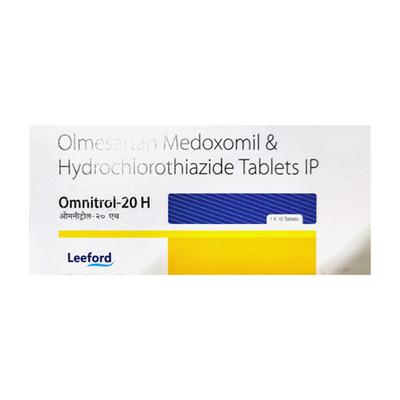
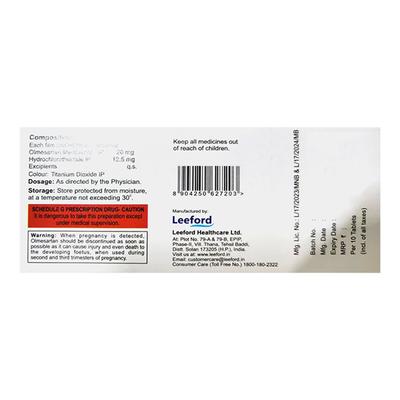
Introduction About OMNITROL H 20 TABLET
OMNITROL H 20 TABLET is a combination of Hydrochlorothiazide and Olmesartan which belongs to the group of medicines called Anti-hypertensives. It is indicated for the management of essential hypertension. Essential hypertension (also known as primary hypertension) is a medical condition in which the force of the blood exerted against the walls of the artery remains very high and as a result it may lead to severe damage to the blood vessels of several organs, thus causing heart attack, heart or kidney failure, stroke or even blindness.
Along with the management, follow a low-sodium diet and drink plenty of fluids as advised by your physician. During the management, your doctor might regularly check your blood pressure, blood cholesterol levels, kidney function and electrolyte balance to avoid the risk of unwanted side effects.
Before taking OMNITROL H 20 TABLET, inform your doctor if you have any problems related to kidney, liver, lungs or heart. Management with OMNITROL H 20 TABLET particularly for a longer period can increase the risk of certain types of skin and lip cancer, and so protect your skin from sun exposure or UV rays while taking this medicine.
OMNITROL H 20 TABLET is strictly not recommended for use in patients with diabetes-related kidney disease and in pregnant or breast-feeding women. Consult your doctor for alternative therapy.
The most common side effects of taking OMNITROL H 20 TABLET are dizziness, headache, weakness, tiredness, nausea and vomiting. Consult your doctor if any of the side effects worsen.
Uses Of OMNITROL H 20 TABLET
- To manage essential hypertension
How OMNITROL H 20 TABLET Works
OMNITROL H 20 TABLET effectively reduces elevated blood pressure, where Olmesartan acts by inhibiting the action of Angiotensin – II (a peptide hormone that causes narrowing of blood vessels and increase in blood pressure) by blocking the angiotensin-II receptors and hydrochlorothiazide acts by inhibiting the reabsorption of sodium, chloride and fluids from the kidneys, thus leading to a marked decrease in blood volume which in turn reduces blood pressure.
How to use OMNITROL H 20 TABLET
Take OMNITROL H 20 TABLET as advised by your physician. Swallow the medicine with a glass of water. Do not crush or chew the medicine. Your doctor will decide the correct dose and duration for you depending upon your age, body weight and disease condition.
Overdose
If you or anyone else accidentally take too much of OMNITROL H 20 TABLET, contact your doctor immediately or go to a hospital straight away. Symptoms of overdosage might include low blood pressure, slow or fast heart rate, parasympathetic (vagal) stimulation, electrolyte depletion, dehydration and increased urination.
Side Effects Of OMNITROL H 20 TABLET
Common side effects of OMNITROL H 20 TABLET:
- dizziness and headache
- weakness, tiredness
- chest pain
- swelling of hands, arms, ankles, feet or legs
- bronchitis (inflammation of the bronchus)
- cough, runny nose, sore throat or flu-like symptoms
- nausea, vomiting, diarrhea, stomach pain, indigestion, bloating, constipation
- back pain, joint pain or bone
- urinary tract infection or blood in urine
- confusion
Stop taking OMNITROL H 20 TABLET and contact your doctor immediately if you experience any of the following side effects:
- severe allergic reactions (such as skin rash, itching, swelling of the face, mouth and/or throat)
- hypotension (fainting or lightheadedness)
- yellowing of the whites of the eyes, dark urine and itching of the skin
- severe persistent diarrhea with a substantial weight loss
- painful eyes or decrease in vision
- signs of electrolyte depletion (nausea, vomiting, thirst, dry mouth, hypotension, feeling weak, tired, sluggish, sleepy, or restless, muscle pain, less need to pass urine or a rapid heart rate)
How To Manage Side Effects
Constipation
Eat fiber rich foods such as fresh fruits, vegetables and cereals and drink plenty of water. Try to exercise more regularly. Consult your doctor if the symptom did not improve on its own.

Diarrhea
Drink lots of fluids such as water or fruit juices to keep yourself hydrated. Avoid taking any medicine on your own for managing diarrhea. Consult your doctor if the symptom did not improve.

Dizziness Or Drowsiness
Try to rest and relax. Get enough sleep. Avoid driving or operating any tools or machines while you are feeling dizzy. Do not consume too much of alcohol, as it can aggravate your dizziness. Consult your doctor if the symptom did not improve.
Headache
Rest and relax. Drink plenty of fluids such as water. Apply a pain-relieving balm on the forehead if required. Do not consume too much of alcohol. Consult your doctor if the symptom did not improve.

Nausea And Vomiting
Try to take this medicine with or just after a meal or a snack. Stick to simple meals. Avoid eating rich or spicy food. Consult your doctor if the symptom did not improve.

Stomach Pain
Rest and relax. Eat and drink slowly or try to have smaller and frequent meals. Keep a heat pad on your stomach. Do not self-manage on your own and consult your doctor if the symptom did not improve on its own.
Warning & Precautions

Pregnancy
ContraindicatedOMNITROL H 20 TABLET is not recommended for use in pregnant women as it may cause serious harm to the growing baby. Consult your doctor before taking OMNITROL H 20 TABLET.

Breastfeeding
ContraindicatedOMNITROL H 20 TABLET is not recommended for use in breastfeeding women. Consult your doctor before taking OMNITROL H 20 TABLET.

Driving and Using Machines
Use with CautionDo not drive or operate any tools or machines if you feel dizzy or sleepy after taking this medicine.

Alcohol
ContraindicatedAvoid consumption of alcohol while taking this medicine, as it may cause orthostatic hypotension (low blood pressure when standing up from sitting or lying position).

Kidney
Consult your doctorOMNITROL H 20 TABLET is not recommended for use in patients with severe kidney problems. It should be used with caution in patients with mild to moderate kidney problems or if you recently had a kidney transplant. Consult your doctor before taking OMNITROL H 20 TABLET.

Liver
Consult your doctorOMNITROL H 20 TABLET is not recommended for use in patients with severe liver disease such as jaundice (yellowing of skin and eyes with fever) or biliary obstruction (problems in drainage of bile from gallbladder), severely impaired liver function. It should be used with caution in patients with mild to moderate liver impairment. Consult your doctor before taking OMNITROL H 20 TABLET.

Allergy
ContraindicatedDo not take OMNITROL H 20 TABLET if you are allergic to Hydrochlorothiazide, Olmesartan or substances similar to hydrochlorothiazide (Ex. sulfonamides).

Lungs
Use with CautionOMNITROL H 20 TABLET should be used with caution in patients with bronchial asthma due to increased risk of hypersensitivity reactions.

Heart Disease
Use with CautionOMNITROL H 20 TABLET should be taken with caution in patients with heart diseases (such as heart failure or problems with your heart valves or heart muscles). Consult your doctor before taking OMNITROL H 20 TABLET.

Use In Pediatrics
ContraindicatedOMNITROL H 20 TABLET is not suitable for use in children and adolescents (aged less than 18 years). Consult your child’s doctor for advice.

Use In Geriatrics
Use with CautionOMNITROL H 20 TABLET should be taken with caution in elderly patients (aged 65 years or above). Proper dose adjustments and careful monitoring are required in such patients. Consult your doctor before taking OMNITROL H 20 TABLET.
Other Warnings for OMNITROL H 20 TABLET
Before taking OMNITROL H 20 TABLET, inform your doctor if you:
- have severe vomiting or diarrhea
- have problems in adrenal glands (Ex. primary aldosteronism)
- have lupus erythematosus (an autoimmune disease)
- other allergic disorders
- have had a skin cancer
- are due to have tests for parathyroid function
- are due to have anti-dope test (used in sports persons)
Who should not take OMNITROL H 20 TABLET
OMNITROL H 20 TABLET is not recommended for use if you:
- have diabetes and managed with a blood pressure lowering medicine containing aliskiren
- have low levels of potassium or sodium in the blood
- have hypercalcemia (high calcium levels in blood) or high uric acid levels in the blood (with symptoms of gout or kidney stones)
Drug - Drug interaction
Before taking OMNITROL H 20 TABLET inform to your doctor, if you are taking any of these medicines:
- other medicines used to manage high blood pressure (Ex. aliskiren, methyldopa, captopril, enalapril, valsartan, propranolol, atenolol)
- other diuretics (used to increase urine output) Ex. chlorothiazide, furosemide
- medicines which can alter the levels of potassium in the blood (such as potassium supplements
- heparin (used to manage or manage blood clots)
- adrenocorticotrophic hormone (used to stimulate the production of cortisol)
- carbenoxolone (used to manage mouth and stomach ulcers)
- laxatives (used to relieve constipation) Ex. liquid paraffin, ispaghula
- corticosteroids (used to manage pain or inflammation Ex. prednisolone, dexamethasone
- medicines used to induce sleep (Ex. phenobarbitone, pentobarbital, diazepam, lorazepam, clonazepam)
- medicines used to manage depression (Ex. fluoxetine, sertraline, imipramine, amitriptyline)
- medicines used to manage psychiatric disorders (Ex. chlorpromazine, trifluoperazine, levomepromazine, cyamemazine, sulpiride, amisulpride, pimozide, thioridazine, sultopride, tiapride, droperidol or haloperidol)
- medicines used to manage heart problems (Ex. digitalis, quinidine, hydroquinidine, disopyramide, amiodarone, dofetilide, ibutilide or sotalol)
- mizolastine, terfenadine (used to manage allergic reactions)
- pentamidine (used to manage pneumonia)
- medicines used to control blood sugar levels (Ex. metformin, insulin or diazoxide)
- medicines used to increase blood pressure and slow heart rate (Ex. noradrenaline)
- medicines used to manage gout (Ex. probenecid, sulfinpyrazone and allopurinol)
- skeletal muscle relaxants (used to manage muscle cramps) Ex. baclofen and tubocurarine
- medicines use to manage cancer (Ex. amifostine, methotrexate or cyclophosphamide)
- medicines used to control blood cholesterol levels (Ex. cholestyramine, colestipol, colesevelam)
- non-steroidal anti-inflammatory drugs (used to manage pain, swelling or inflammation) Ex. ibuprofen, diclofenac, aspirin
- anticholinergic agents (used to decrease muscle movements or secretions) such as atropine and biperiden
- lithium (used to manage mental illness)
- diphemanil (used to manage a slow heartbeat or reduce sweating)
- calcium supplements
- amantadine (used to manage viral infections)
- ciclosporin (used to manage graft rejection)
- certain antibiotics (used to manage bacterial infections) such as tetracyclines, erythromycin injection, penicillin G or sparfloxacin
- amphotericin (a medicine used to manage fungal infections)
- antacids (used to neutralize stomach acid) such as aluminium hydroxide, magnesium hydroxide
- cisapride (used to increase gastrointestinal movements)
- halofantrine (a medicine used to manage malaria)
Synopsis
|
Drug |
: |
Hydrochlorothiazide, Olmesartan |
|
Pharmacological Category |
: |
Thiazide diuretics, Angiotensin-II receptor blockers |
|
Therapeutic Indication |
: |
Essential Hypertension |
|
Dosage Forms |
: |
Tablet |
More Information
Storage
- Keep OMNITROL H 20 TABLET out of reach of children
- Store at room temperature
FAQs About OMNITROL H 20 TABLET
Q: Can OMNITROL H 20 TABLET cause leg swelling?
A: Yes, OMNITROL H 20 TABLET may cause swelling of the hands, arms, feet, ankles, or legs in some individuals. Try to keep your legs elevated for some time and follow a calorie-restricted diet as advised by your doctor. If the condition does not improve or becomes worse, consult your doctor.
Q: Can OMNITROL H 20 TABLET be taken during pregnancy?
A: No, OMNITROL H 20 TABLET is strictly not recommended during pregnancy, as it may cause serious harm to the developing baby. Consult your doctor before taking this medicine. Women of childbearing potential should use appropriate contraceptive methods to avoid pregnancy and should discontinue OMNITROL H 20 TABLET as early as possible if pregnancy occurs.
Q: Can I take my diabetic medicines along with OMNITROL H 20 TABLET?
A: Avoid taking anti-diabetic medicines (such as metformin, insulin, diazoxide, or others) together with OMNITROL H 20 TABLET without consulting your doctor. Your doctor may adjust the dose of your medicines or monitor your blood sugar levels more frequently to ensure safe use.
Q: Can OMNITROL H 20 TABLET cause dehydration?
A: Yes, OMNITROL H 20 TABLET may cause severe dehydration in some individuals. If you experience severe or persistent diarrhea or vomiting, consult your doctor immediately to reduce the risk of dehydration and electrolyte imbalance.
Q: Can OMNITROL H 20 TABLET cause low sodium levels?
A: Yes, OMNITROL H 20 TABLET can cause hyponatremia (low sodium levels in the blood) in some individuals. To help prevent this, your doctor may regularly monitor your electrolyte levels and adjust your treatment if necessary. If you experience symptoms such as fainting, dizziness, excessive thirst, or a dry mouth, contact your doctor immediately.
Q: What should I do if I forget to take a dose of OMNITROL H 20 TABLET?
A: Take OMNITROL H 20 TABLET as soon as you remember. However, if it is almost time for your next scheduled dose, skip the missed dose and continue with your regular dosing schedule. Do not take a double dose to make up for the missed dose.
References
1. KD. Tripathi. Diuretics and Drugs Affecting ReninAngiotensin System and Plasma Kinins. Essentials of medical pharmacology. Seventh edition. 2013. Page – 582-586 & 505-508.
2. Randa Hilal-Dandan. Renin and angiotensin. Goodman & Gilman’s: The Pharmacological basics of Therapeutics. 12th Edition. New York McGraw Hill Medical 2011. Page – 738-739.
3. Thomas Michel and Brian B. Hoffman. Treatment of Myocardial ischemia and hypertension. Goodman & Gilman’s: The Pharmacological basics of Therapeutics. 12th Edition. New York McGraw Hill Medical 2011. Page – 769-770.
4. Gerald G. Briggs and Roger K. Freeman. H & O. A reference guide to fetal and neonatal risk: Drugs in Pregnancy and Lactation. Tenth Edition. 2015. Page – 1869 & 2852-2853.
5. Luis M Ruilope. Clinical efficacy and safety of olmesartan/hydrochlorothiazide combination therapy in patients with essential hypertension. NCBI; PMC US National Library of Medicine, National Institute of Health. December 2008. [Accessed on 12th June 2026] 
6. Xiaoshen Zhang, Han Zhang, Yuxia Ma, Wenliang Che, and Michael R. Hamblin. Management of Hypertension Using Olmesartan Alone or in Combination. NCBI; PMC US National Library of Medicine, National Institute of Health. [Revised in June 2017]. [Accessed on 12th June 2026] 
7. Mark Greathouse. Olmesartan medoxomil combined with hydrochlorothiazide for the treatment of hypertension. NCBI; PMC US National Library of Medicine, National Institute of Health. December 2006. [Accessed on 12th June 2026]
8. Mylan Pharmaceuticals, Inc. U.S. Food & Drug Administration. [Revised in May 2011] [Accessed on 12th June 2026]
Useful Diagnostic Tests
Author Details