






Netmeds First Membership
Quick Links
Introduction About NORFLOX 400MG TABLET
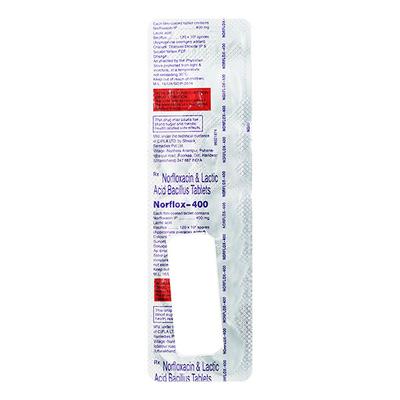
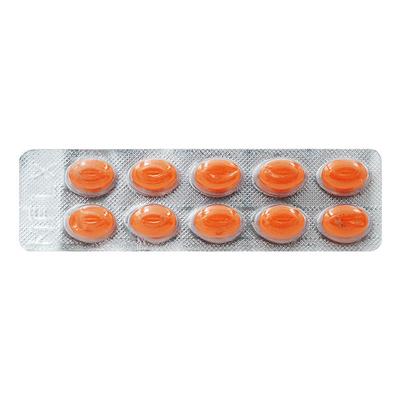
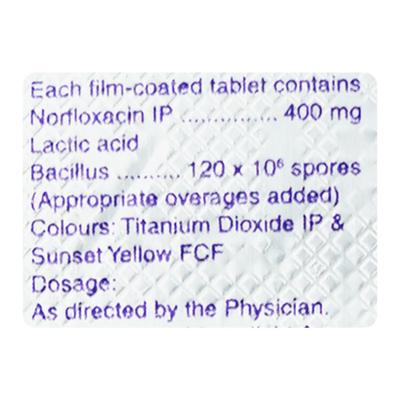
Norflox 400mg Tablet contains Norfloxacin 400 mg, a fluoroquinolone antibacterial medicine prescribed by doctors for certain bacterial infections caused by susceptible organisms. It may be prescribed for bacterial infections involving the urinary tract and gastrointestinal tract, depending on the type of infection, bacterial susceptibility, and individual medical assessment.
Norfloxacin works by interfering with bacterial DNA gyrase and topoisomerase IV, enzymes that are important for bacterial DNA replication and maintenance. By disrupting these essential bacterial DNA processes, it contributes to antibacterial activity against susceptible organisms.
The suitability of Norflox 400mg Tablet depends on individual medical requirements and the nature of the bacterial infection. Patients with kidney problems, a history of hypersensitivity to norfloxacin or other quinolone medicines, tendon-related conditions, or those taking other medicines should inform their doctor before use. Older adults may also require individual medical assessment.
Norflox 400mg Tablet should be taken exactly as prescribed by your doctor. Swallow the tablet whole with water and follow the recommended instructions regarding food and meal timing. Milk and dairy products, as well as certain mineral-containing products, may affect norfloxacin absorption. The prescribed dose and duration should not be changed without consulting your doctor.
Possible effects associated with Norflox 400mg Tablet may include nausea, abdominal discomfort, diarrhoea, headache, dizziness, or other gastrointestinal and nervous-system-related symptoms. If any effect becomes persistent or troublesome, or if unusual symptoms occur, consult your doctor promptly.
Uses Of NORFLOX 400MG TABLET
It is used to manage:
• Complicated urinary tract infections (complex bacterial UTIs)
• Uncomplicated urinary tract infections (simple bacterial UTIs)
• Cystitis (bladder infection)
• Pyelitis (kidney pelvis inflammation)
• Pyelonephritis (kidney infection)
• Urethritis (urethral inflammation)
• Gonococcal urethritis (gonorrhoea affecting the urethra)
• Gonococcal cervicitis (gonorrhoea affecting the cervix)
• Chronic bacterial prostatitis (long-term prostate infection)
Benefits of NORFLOX 400MG TABLET
Supports Management of Susceptible Bacterial Infections
Norflox 400mg Tablet supports the management of bacterial infections caused by organisms that are susceptible to norfloxacin, based on medical evaluation and appropriate antibiotic selection.
Supports Urinary Tract Bacterial Health
Norflox 400mg Tablet supports the management of certain bacterial infections affecting the urinary tract when the causative organisms are susceptible to norfloxacin.
Supports Management of Certain Gastrointestinal Bacterial Infections
Norflox 400mg Tablet supports the management of certain bacterial infections affecting the gastrointestinal tract, based on the susceptibility of the causative organisms.
Helps Manage Bacterial Diarrhoea
Norflox 400mg Tablet helps manage diarrhoea associated with certain susceptible bacterial infections when prescribed following appropriate medical evaluation.
How NORFLOX 400MG TABLET Works
How Norfloxacin Acts in the Body
Norflox 400mg Tablet contains norfloxacin, a fluoroquinolone antibacterial medicine. It works by interfering with enzymes that are essential for bacterial DNA replication and maintenance.
Inhibits Bacterial DNA Gyrase
Norfloxacin inhibits bacterial DNA gyrase, an enzyme required for DNA replication and maintenance. This interferes with essential DNA processes within susceptible bacteria.
Blocks Bacterial Topoisomerase IV
Norfloxacin also inhibits bacterial topoisomerase IV, an enzyme involved in bacterial DNA replication and separation. This disruption interferes with the multiplication of susceptible bacteria.
Disrupts Bacterial DNA Replication
By inhibiting DNA gyrase and topoisomerase IV, norfloxacin interferes with bacterial DNA replication and maintenance. This contributes to its antibacterial activity against susceptible organisms.
How to use NORFLOX 400MG TABLET
Recommended Dosage as Directed by Your Doctor
- The dosage is determined by your doctor based on your medical condition and individual requirements.
- Take Norflox 400mg Tablet exactly as prescribed.
- Do not change the dose or frequency without consulting your doctor.
How to Take Norflox 400mg Tablet
- Swallow the tablet whole with a glass of water.
- Do not crush or chew the tablet.
- Take it at the prescribed time.
Food and Meal Timing
- Follow your doctor's instructions regarding food and meal timing.
- Avoid taking norfloxacin with milk or dairy products, as they may affect its absorption.
- Ask your doctor or pharmacist about the appropriate time gap when using antacids or mineral supplements.
Duration of Use
- Take Norflox 400mg Tablet for the duration prescribed by your doctor.
- Do not extend or shorten the prescribed duration without medical advice.
What if I forgot to take NORFLOX 400MG TABLET
- Take the missed dose when you remember.
- If it is almost time for your next dose, skip the missed dose and continue with your regular schedule.
- Do not take two doses together to make up for a missed dose.
Side Effects Of NORFLOX 400MG TABLET
Common Side Effects
- Nausea or vomiting
- Diarrhoea
- Constipation or gas
- Abdominal discomfort or indigestion
- Headache
- Dizziness or light-headedness
- Dry mouth or altered taste
- Fatigue or drowsiness
- Difficulty sleeping
- Joint pain or stiffness
- Rash or itching
WHEN TO CONSULT A DOCTOR:
- Severe or persistent watery or bloody diarrhoea with abdominal cramps or fever
- Tendon pain, swelling, or difficulty moving a joint
- Numbness, tingling, muscle weakness, or difficulty walking
- Severe confusion, hallucinations, seizures, or significant changes in mood or behaviour
- Yellowing of the skin or eyes, dark urine, or severe loss of appetite
- Significant changes in urine output, blood in the urine, or sudden swelling
- Fast or irregular heartbeat, chest pain, or fainting
- Sudden severe pain in the chest, abdomen, or back
- Blistering, peeling, or extensive skin reactions
- Facial, tongue, or throat swelling with difficulty breathing or swallowing
How To Manage Side Effects
Diarrhea
Stay Hydrated: Drink sufficient fluids to replace fluid loss.
Choose Light Foods: Prefer simple foods that are easy on the stomach.
Avoid Trigger Foods: Limit spicy, oily, or very rich foods if they worsen loose stools.
Maintain Hygiene: Wash your hands regularly, particularly after using the toilet and before eating.
Consult Your Doctor: Seek medical advice if diarrhoea is severe, persistent, watery, or contains blood or mucus.
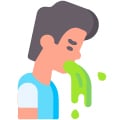
Nausea And Vomiting
Eat Light Meals: Choose small, simple meals and avoid heavy or oily foods if they worsen nausea.
Stay Hydrated: Take small, frequent sips of water to maintain hydration.
Avoid Strong Smells: Stay away from strong food smells if they trigger nausea.
Take Adequate Rest: Rest comfortably if nausea is accompanied by tiredness or weakness.
Consult Your Doctor: Seek medical advice if nausea persists, becomes severe, or interferes with eating and drinking.
Warning & Precautions

Pregnancy
Consult your doctorNorfloxacin 400 mg should generally be avoided during pregnancy and used only when clearly necessary and prescribed by your doctor. Limited information is available regarding its safety during pregnancy. Consult your doctor before using this medicine if you are pregnant, think you may be pregnant, or are planning to have a baby.

Breastfeeding
ContraindicatedNorfloxacin 400 mg is not recommended during breastfeeding unless specifically prescribed by your doctor. It is not known whether norfloxacin passes into human breast milk, and medicines in this class may cause adverse effects in nursing infants. Consult your doctor before using this medicine.

Driving and Using Machines
Use with CautionNorfloxacin 400 mg may cause dizziness, light-headedness, tremors, confusion, or other central nervous system effects that may affect alertness and coordination. Avoid driving, operating machinery, or performing activities requiring mental alertness until you know how this medicine affects you.

Alcohol
Consult your doctorAlcohol may worsen dizziness, light-headedness, or other central nervous system effects associated with Norfloxacin 400 mg. Avoid or limit alcohol consumption during treatment and consult your doctor if required.

Kidney
Use with CautionNorfloxacin 400 mg is mainly eliminated through the kidneys and should be used with caution in patients with impaired kidney function. Dose adjustment may be required depending on kidney function. Drink sufficient fluids during treatment to maintain adequate hydration and urinary output. Consult your doctor before use if you have kidney disease.

Liver
Use with CautionNorfloxacin 400 mg should be used with caution in patients with liver problems. Liver function monitoring may be required, particularly during prolonged treatment. Consult your doctor before use if you have liver disease.

Allergy
ContraindicatedDo not use Norfloxacin 400 mg if you are allergic to norfloxacin or other quinolone antibiotics such as ciprofloxacin, gemifloxacin, or levofloxacin. Inform your doctor about any previous drug allergies. Stop taking this medicine and seek immediate medical attention if you develop rash, swelling of the face or throat, difficulty breathing, or other signs of a severe allergic reaction.

Heart Disease
Use with CautionNorfloxacin 400 mg may prolong the QT interval and, rarely, cause serious abnormal heart rhythms. It should be used with caution in patients with heart rhythm problems, slow heartbeat, heart failure, a history of QT prolongation, or a family history of QT prolongation or sudden cardiac death. Low potassium or magnesium levels may further increase this risk. Consult your doctor before use.

Use In Pediatrics
ContraindicatedNorfloxacin 400 mg is not recommended for children and adolescents below 18 years of age unless specifically prescribed by a doctor. Safety and effectiveness in this age group have not been established, and fluoroquinolones may affect developing joints and cartilage.

Use In Geriatrics
Use with CautionElderly patients may have a higher risk of tendon problems, including tendon rupture, particularly when taking corticosteroids. They may also be more susceptible to QT interval prolongation and aortic complications. Kidney function should be considered when determining the appropriate dose.
Other Warnings for NORFLOX 400MG TABLET
• Previous tendon problems, tendinitis, or tendon rupture
• Peripheral neuropathy or other nerve problems
• Myasthenia gravis
• Epilepsy or a history of seizures
• Depression or other mental or mood disorders
• Aortic aneurysm, aortic dissection, or other blood vessel problems
• High blood pressure or atherosclerosis
• Marfan syndrome or Ehlers-Danlos syndrome
• Diabetes or other blood glucose problems
• Glucose-6-phosphate dehydrogenase (G6PD) deficiency
Safety Advice
- Take only as prescribed: Use Norflox 400mg Tablet only in the dose and for the duration advised by your doctor. Do not change the dose on your own.
- Complete the prescribed course: Follow the duration recommended by your doctor. Do not stop or continue the medicine without medical advice.
- Maintain proper hydration: Drink adequate fluids unless your doctor has advised you to restrict fluid intake.
- Check medicine interactions: Inform your doctor about all medicines, antacids, vitamins, and mineral supplements you take, as some products may affect norfloxacin absorption or action.
- Keep a gap from mineral products: Ask your doctor or pharmacist about the appropriate timing of calcium, iron, magnesium, aluminium, or zinc-containing products.
- Avoid unnecessary self-use: Do not use leftover Norflox 400mg Tablet for a new illness or share it with another person.
- Report unusual symptoms: Contact your doctor if you develop severe or persistent symptoms while taking the medicine.
- Pregnancy and breastfeeding: Inform your doctor if you are pregnant, planning pregnancy, or breastfeeding before using Norflox 400mg Tablet.
- Driving: Avoid driving or operating machinery if you feel dizzy, light-headed, or less alert after taking the medicine.
- Store properly: Keep the tablets in a cool, dry place away from direct sunlight and out of reach of children.
Drug - Drug interaction
Antacids, Sucralfate, Iron, Zinc and Multivitamins
Interaction: These products may reduce the absorption of norfloxacin when taken together.
Effects: Lower absorption may reduce norfloxacin levels in the body.
Management: Take these products at least 2 hours apart from Norflox 400mg Tablet, as advised by your doctor or pharmacist.
Didanosine
Interaction: Didanosine may interfere with the absorption of norfloxacin when taken together.
Effects: This may result in lower norfloxacin levels.
Management: Avoid taking didanosine within 2 hours of Norflox 400mg Tablet.
Caffeine
Interaction: Norfloxacin may slow the metabolism of caffeine.
Effects: Caffeine may remain in the body for longer than usual.
Management: Inform your doctor if you regularly consume large amounts of caffeine while taking Norflox 400mg Tablet.
Cyclosporine
Interaction: Concomitant use may increase cyclosporine levels in the blood.
Effects: Higher cyclosporine exposure may increase the risk of adverse effects.
Management: Your doctor may monitor cyclosporine levels and adjust its dose when required.
Glyburide
Interaction: Quinolone antibiotics such as norfloxacin may affect blood glucose control when used with glyburide.
Effects: There may be an increased risk of low blood sugar.
Management: Blood glucose monitoring may be recommended during combined use.
Nitrofurantoin
Interaction: An antagonistic interaction has been demonstrated between norfloxacin and nitrofurantoin.
Effects: Their combined antibacterial activity may be affected.
Management: Inform your doctor if you are taking nitrofurantoin before starting Norflox 400mg Tablet.
Probenecid
Interaction: Probenecid may reduce the urinary excretion of norfloxacin.
Effects: This can alter norfloxacin levels in the body.
Management: Norfloxacin should not be taken together with probenecid unless specifically directed by your doctor.
Theophylline
Interaction: Norfloxacin may increase the level of theophylline in the blood.
Effects: Higher theophylline exposure may increase the risk of theophylline-related adverse effects.
Management: Your doctor may monitor theophylline levels and adjust its dose when necessary.
Warfarin
Interaction: Norfloxacin may increase the effects of warfarin or related oral anticoagulants.
Effects: This may increase the risk of bleeding.
Management: Your doctor may monitor prothrombin time or other appropriate coagulation tests during combined use.
Synopsis
|
Drug |
Norfloxacin |
|
Pharmacological Category |
Fluoroquinolone Antibiotic |
|
Therapeutic Indication |
Used in the management of susceptible bacterial infections, particularly infections involving the urinary tract and gastrointestinal tract, as prescribed by a doctor based on the type of infection and bacterial susceptibility. |
|
Dosage Forms |
Tablet, drops |
More Information
1. Why Is Responsible Use of Norflox 400mg Tablet Important?
Norflox 400mg Tablet contains norfloxacin, an antibacterial medicine prescribed for susceptible bacterial infections. Responsible use of Norflox involves taking it only as directed by your doctor and following the prescribed instructions.
Use Norflox Only as Prescribed
Norflox 400mg Tablet should be used according to your doctor's advice and based on your individual medical requirements.
Follow the Prescribed Schedule
Take Norflox 400mg Tablet according to the prescribed dose and duration. Do not change the schedule without consulting your doctor.
Avoid Unnecessary Antibiotic Use
Norflox 400mg Tablet is intended for susceptible bacterial infections and does not work against viral illnesses. Unnecessary antibiotic use may contribute to antimicrobial resistance.
Do Not Share Norflox Tablets
Do not share Norflox 400mg Tablet with another person or reuse leftover tablets for a different illness without medical advice.
Support Responsible Antibiotic Use
Using Norflox 400mg Tablet appropriately and following medical guidance supports responsible antibiotic use and helps reduce unnecessary antibiotic exposure.
FAQs About NORFLOX 400MG TABLET
Q. What is Norflox 400mg Tablet used for?
A. Norflox 400mg Tablet contains Norfloxacin, an antibacterial medicine prescribed for certain bacterial infections caused by susceptible organisms, based on medical evaluation.
Q. How does Norflox 400mg Tablet work?
A. Norflox 400mg Tablet works by inhibiting bacterial DNA gyrase and topoisomerase IV, enzymes involved in bacterial DNA replication and maintenance.
Q. How should I take Norflox 400mg Tablet?
A. Take Norflox 400mg Tablet exactly as prescribed by your doctor. Swallow the tablet whole with water and follow the recommended dosing schedule.
Q. Should Norflox 400mg Tablet be taken with food?
A. Follow your doctor's instructions regarding food and meal timing. Milk and dairy products may affect the absorption of norfloxacin, so ask your doctor or pharmacist about appropriate timing.
Q. Can I take antacids with Norflox 400mg Tablet?
A. Antacids containing aluminium or magnesium may reduce the absorption of norfloxacin. Consult your doctor or pharmacist about the appropriate time interval between Norflox 400mg Tablet and antacids.
Q. What should I do if I miss a dose of Norflox 400mg Tablet?
A. Take the missed dose when you remember, unless it is nearly time for your next dose. If the next dose is due soon, skip the missed dose and continue with your usual schedule. Do not take two doses together.
Q. What are the common side effects of Norflox 400mg Tablet?
A. Common side effects may include nausea, abdominal discomfort, diarrhoea, headache, dizziness, or other digestive and nervous-system-related symptoms.
Q. Can I take Norflox 400mg Tablet during pregnancy?
A. Inform your doctor if you are pregnant, planning to become pregnant, or think you may be pregnant. Your doctor will determine whether Norflox 400mg Tablet is appropriate for you.
Q. Can I take Norflox 400mg Tablet while breastfeeding?
A. Inform your doctor before taking Norflox 400mg Tablet while breastfeeding. Your doctor can advise you based on your individual circumstances and the need for the medicine.
Q. Can I drink alcohol while taking Norflox 400mg Tablet?
A. Consult your doctor regarding alcohol consumption while taking Norflox 400mg Tablet, particularly if you experience dizziness or reduced alertness.
Q. Can I stop taking Norflox 400mg Tablet when I feel better?
A. Do not stop or change Norflox 400mg Tablet on your own. Follow your doctor's instructions regarding the prescribed duration of use.
References
1. KD Tripathi. Sulfonamides, Cotrimoxazole and Quinolones.Drugs Essentials of medical pharmacology. 8th edition. 2013. Page –763
2. J Joost [Norfloxacin in the treatment of urinary tract infections].National Library of Medicine, National Center for Biotechnology Information. PubMed central. [Accessed date 08/010/2026] 
3. Kaiser Foundation Health Plan, Inc. norfloxacin 400 mg tablet. [Accessed date 08/010/2026] 
4. AA Pharma Inc. Norfloxacin Tablets, 400 mg. [Revised date MAY 29, 2025]. [Accessed date 08/010/2026]
5. CIPLAMED.NORFLOX Tablets. [Accessed date 08/010/2026]
Author Details