

Netmeds First Membership
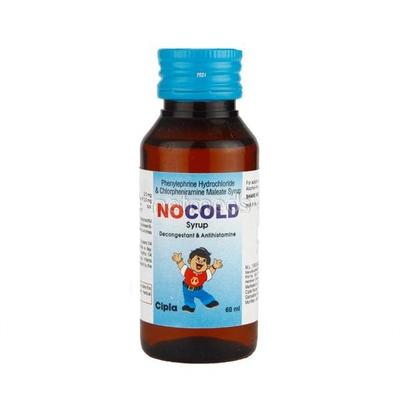
Introduction About NOCOLD SYRUP
NOCOLD SYRUP is a combination of Chlorpheniramine, Paracetamol and Phenylephrine which belongs to the group of medicines called Antihistamines, Analgesics and Nasal decongestants respectively.
It is used to relieve the symptoms of allergic rhinitis,common cold, other upper respiratory allergies, like headache, facial congestion and pressure, nasal congestion, runny nose, sneezing, minor aches and pains, itching of the nose, throat, or eyes, and watery eyes. It can also be used as an adjunct with antibiotics in sinusitis, tonsillitis, and otitis media.
NOCOLD SYRUP is not recommended for use in children (aged less than 2 months). Consult your doctor for advice. Before taking NOCOLD SYRUP, inform your doctor if you have any kidney, liver, heart, thyroid, or lung problems, diabetes, or glaucoma.
Consult your doctor for advice. NOCOLD SYRUP should be used with caution in pregnant and breastfeeding women, so consult your doctor before taking it.
Common side effects of taking NOCOLD SYRUP are vomiting, nausea, allergic reaction, sleepiness, and headache. Contact your doctor if any of the above side effects worsen.
Uses Of NOCOLD SYRUP
Manages
- symptoms of allergic rhinitis, common cold, or other upper respiratory allergies
- sinusitis, tonsillitis and otitis media as an adjunct with antibiotics
Benefits of NOCOLD SYRUP
Helps Relieve Nasal Congestion
- Helps reduce a blocked or stuffy nose by shrinking swollen blood vessels in the nasal passages.
- Supports easier nasal breathing during colds and allergic conditions.
- Helps reduce sinus congestion and nasal pressure.
Reduces Allergy Symptoms
- Helps relieve sneezing caused by allergies.
- Reduces a runny nose and watery eyes.
- Helps ease itching of the nose and throat associated with allergic rhinitis.
Improves Breathing Comfort
- Supports improved airflow through the nose.
- Helps reduce discomfort associated with nasal blockage.
- Promotes greater comfort during common cold episodes.
Dual-Action Formula
- Combines an antihistamine and a decongestant in one syrup.
- Addresses both allergic symptoms and nasal congestion simultaneously.
- Suitable for use as prescribed by a healthcare professional.
How NOCOLD SYRUP Works
NOCOLD Syrup contains Chlorpheniramine Maleate and Phenylephrine, which work through different mechanisms to provide relief from common cold and allergy symptoms.
1. Chlorpheniramine Maleate – Blocks Histamine
- Chlorpheniramine is a first-generation H1 antihistamine.
- During an allergic response, the body releases histamine, which binds to H1 receptors.
- Histamine causes sneezing, runny nose, watery eyes, itching, and nasal irritation.
- Chlorpheniramine blocks H1 receptors, preventing histamine from producing these symptoms.
- This helps reduce sneezing, nasal discharge, itching, and watery eyes.
2. Phenylephrine – Reduces Nasal Swelling
- Phenylephrine is an alpha-1 adrenergic receptor agonist.
- It stimulates alpha-1 receptors in the blood vessels of the nasal lining.
- This causes the blood vessels to constrict (vasoconstriction).
- Reduced blood flow decreases swelling of the nasal tissues.
- As swelling decreases, nasal passages become more open, allowing easier breathing.
Combined Mechanism
Together, the two ingredients provide comprehensive symptomatic relief:
- Chlorpheniramine reduces allergy-related symptoms by blocking histamine.
- Phenylephrine relieves nasal congestion by reducing swelling inside the nose.
This complementary action helps improve nasal airflow, reduce sneezing and runny nose, relieve watery eyes, and enhance overall comfort during common cold and allergic episodes.
How to use NOCOLD SYRUP
Before Taking NOCOLD Syrup
- Take NOCOLD Syrup only as prescribed by a healthcare professional.
- Read the product label carefully before use.
- Inform your healthcare professional about any existing medical conditions and all medicines or supplements you are taking.
- Use the medicine only for the prescribed duration.
How to Take NOCOLD Syrup
- Shake the bottle well before each dose.
- Measure the prescribed dose using the supplied measuring cup, spoon, or oral syringe.
- Do not use a household teaspoon, as it may result in inaccurate dosing.
- Take the syrup by mouth.
- It may be taken with or without food. If stomach discomfort occurs, taking it with food may help.
- Follow the prescribed dose and dosing schedule carefully.
During Treatment
- Continue taking the medicine only for the duration advised by your healthcare professional.
- Do not exceed the recommended dose.
- Maintain adequate fluid intake unless otherwise advised.
- If symptoms persist or worsen, seek medical advice.
What if I forgot to take NOCOLD SYRUP
- Take the missed dose as soon as you remember.
- If it is almost time for your next scheduled dose, skip the missed dose.
- Do not take two doses together to make up for a missed dose.
Overdose
- Seek immediate medical attention if an overdose is suspected.
- Carry the medicine bottle or packaging when visiting a healthcare facility.
Side Effects Of NOCOLD SYRUP
Common Of NOCOLD SYRUP
- nausea
- sleepiness
- headache
When to consult your doctor?
- allergic reactions (skin rash, itching, hives, swollen face, lips, or tongue)
- breathing problems
- vision changes
- cold, clammy skin
- dizziness
- increased heart rate, irregular heartbeat
- high blood pressure
- hallucinations, fits, shaking
- trouble urinating or change in the amount of urine
- extreme tiredness
- vomiting
- pain or cough gets worse
- fever worsening
- cough comes back or occurs with rash or headache that persists
- redness or swelling
Warning & Precautions

Pregnancy
Monitoring requiredNOCOLD SYRUP should be used in pregnant women only if considered clearly necessary by your doctor. Consult your doctor before taking it.

Breastfeeding
Monitoring requiredNOCOLD SYRUP should be used in breastfeeding women only if considered clearly necessary by your doctor. Consult your doctor before taking it.

Driving and Using Machines
Use with CautionDo not drive or use any machines during management with NOCOLD SYRUP. Consult your doctor for advice.

Alcohol
Consult your doctorAvoid consumption of alcohol with NOCOLD SYRUP. It should be used with caution in patients with alcohol dependence. Consult your doctor before taking NOCOLD SYRUP.

Kidney
Use with CautionNOCOLD SYRUP should be used with caution in patients having kidney dysfunction and urinary retention. Consult your doctor before taking it.

Liver
Consult your doctorNOCOLD SYRUP is not recommended for use in patients with liver insufficiency, failure or active liver disease. NOCOLD SYRUP should be used with caution in patients with liver dysfunction. Consult your doctor before taking it.

Allergy
ContraindicatedDo not take NOCOLD SYRUP if you are allergic to Chlorpheniramine, Paracetamol, Phenylephrine, or any other ingredients of this medicine.

Lungs
Use with CautionNOCOLD SYRUP should be used with caution in patients with chronic bronchitis, asthma, bronchiectasis, and cough that lasts long, or that occurs with too much phlegm. Consult your doctor before taking it.

Heart Disease
ContraindicatedNOCOLD SYRUP is not recommended in patients with severely high blood pressure or any other cardiovascular problems. Consult your doctor before taking it.

Use In Pediatrics
Consult your doctorNOCOLD SYRUP is not recommended for use in children (aged less than 2 years). Your doctor will prescribe the right dose depends on your child’s age, body weight and disease condition. Consult your doctor before taking it.

Use In Geriatrics
Use with CautionNOCOLD SYRUP should be used with caution in elderly patients as they may be at a greater risk of getting side effects. Consult your doctor before taking it.
Other Warnings for NOCOLD SYRUP
Before taking NOCOLD SYRUP, inform your doctor if you:
- have intestinal obstruction
- smoke or consume tobacco
Who should not take NOCOLD SYRUP
NOCOLD SYRUP is not recommended for use if you have:
- diabetes
- overactive thyroid
- a condition in which there is increased pressure inside your eye
- seizures
- an enlarged prostate gland
- phaeochromocytoma (a tumor in adrenal gland)
- a blood clot that obstructs a vein
Drug - Drug interaction
1. Monoamine Oxidase Inhibitors (MAOIs)
Using NOCOLD Syrup with MAOIs may cause a significant increase in blood pressure due to the phenylephrine component.
Examples:
- Selegiline
- Isocarboxazid
- Tranylcypromine
- Phenelzine
- Methylene blue
- Furazolidone
Possible Effect:
- Severe hypertension
- Severe headache
- Chest pain
- Dizziness
- Blurred vision
2. Linezolid
Linezolid has MAOI-like properties and may increase the pressor effects of phenylephrine.
Possible Effect:
- Elevated blood pressure
- Headache
- Anxiety
- Palpitations
3. Other Sympathomimetic Medicines (Decongestants and Stimulants)
Taking multiple decongestants together may excessively stimulate the cardiovascular system.
Examples:
- Pseudoephedrine
- Ephedrine
- Oxymetazoline
- Xylometazoline
- Adrenaline (Epinephrine)
Possible Effect:
- Increased blood pressure
- Rapid heartbeat
- Nervousness
- Tremors
- Palpitations
4. Sedatives and Central Nervous System Depressants
Chlorpheniramine may increase the sedative effects of medicines that depress the central nervous system.
Examples:
- Diazepam
- Lorazepam
- Alprazolam
- Clonazepam
- Phenobarbital
- Zolpidem
Possible Effect:
- Excessive drowsiness
- Dizziness
- Reduced alertness
- Impaired coordination
5. Opioid Pain Medicines
Concurrent use may increase sedation and impair mental alertness.
Examples:
- Morphine
- Tramadol
- Codeine
- Oxycodone
- Fentanyl
Possible Effect:
- Increased drowsiness
- Slowed reaction time
- Difficulty concentrating
6. Other Antihistamines
Using more than one antihistamine may increase adverse effects.
Examples:
- Cetirizine
- Levocetirizine
- Diphenhydramine
- Promethazine
- Hydroxyzine
Possible Effect:
- Excessive drowsiness
- Dry mouth
- Blurred vision
- Dizziness
7. Tricyclic Antidepressants (TCAs)
TCAs may enhance both the anticholinergic effects of chlorpheniramine and the cardiovascular effects of phenylephrine.
Examples:
- Amitriptyline
- Imipramine
- Nortriptyline
- Clomipramine
Possible Effect:
- Increased drowsiness
- Dry mouth
- Constipation
- Increased heart rate
- Elevated blood pressure
8. Anticholinergic Medicines
Concurrent use may increase anticholinergic adverse effects.
Examples:
- Atropine
- Oxybutynin
- Tolterodine
- Glycopyrrolate
- Hyoscine Butylbromide
Possible Effect:
- Dry mouth
- Constipation
- Difficulty passing urine
- Blurred vision
9. General Anesthetics
Certain anesthetic agents may enhance the cardiovascular effects of phenylephrine.
Examples:
- Propofol
- Sevoflurane
- Methoxyflurane
Possible Effect:
- Changes in blood pressure
- Heart rhythm disturbances
- Altered sedation levels
10. Potassium Supplements
Concurrent use may increase gastrointestinal irritation.
Examples:
- Potassium chloride
- Potassium citrate
Possible Effect:
- Stomach irritation
- Abdominal pain
- Nausea
- Gastrointestinal ulceration (rare)
Synopsis
|
Drug |
Chlorpheniramine, Paracetamol, Phenylephrine |
|
Pharmacological Category |
Antihistamine, Antipyretic-Analgesic, Nasal decongestant |
|
Therapeutic Indication |
Symptoms of upper respiratory allergies, Common Cold |
|
Dosage Forms |
Suspension |
More Information
1. Understanding Why Nasal Congestion Occurs
A blocked nose is often caused by swollen blood vessels and inflamed nasal tissues, rather than excess mucus alone. During a cold or allergic reaction, blood flow to the nasal lining increases, resulting in congestion and difficulty breathing through the nose.
Patient Education
- Phenylephrine helps reduce swelling inside the nasal passages by narrowing enlarged blood vessels.
- Chlorpheniramine reduces the body's response to histamine, helping relieve sneezing, watery eyes, and nasal irritation.
- Maintaining adequate fluid intake may help keep nasal secretions thinner.
- Rest and good hydration can complement the benefits of the medicine.
2. Practical Tips for Parents and Caregivers
Proper administration helps ensure the child receives the intended benefit from NOCOLD Syrup.
Helpful Tips
- Shake the bottle well before every dose.
- Always measure the dose using the supplied oral syringe, measuring cup, or dosing spoon.
- Follow the prescribed dose based on the child's age and body weight.
- Avoid giving other cold, allergy, or decongestant medicines at the same time unless advised by a healthcare professional, as they may contain similar ingredients.
- Monitor the child's symptoms and seek medical advice if they persist, worsen, or are accompanied by high fever, difficulty breathing, or poor fluid intake.
FAQs About NOCOLD SYRUP
Q: What is NOCOLD Syrup used for?
A: NOCOLD Syrup is used for the symptomatic relief of common cold and allergy-related symptoms such as a blocked nose, runny nose, sneezing, watery eyes, and nasal irritation. It should be used as directed by a healthcare professional.
Q: How should NOCOLD Syrup be taken?
A: Shake the bottle well before each use and measure the prescribed dose using the supplied measuring cup, spoon, or oral syringe. Take it exactly as prescribed.
Q: Can NOCOLD Syrup be taken with food?
A: Yes. NOCOLD Syrup may be taken with or without food. If stomach discomfort occurs, taking it after food may help.
Q: What should I do if I miss a dose?
A: Take the missed dose as soon as you remember. If it is almost time for your next scheduled dose, skip the missed dose and continue with the regular dosing schedule. Do not take two doses together.
Q: Can NOCOLD Syrup cause drowsiness?
A: Yes. The chlorpheniramine component may cause drowsiness, dizziness, or reduced alertness in some people. If these symptoms occur, avoid activities that require full attention until you know how the medicine affects you.
Q: Can I take NOCOLD Syrup along with other cold or allergy medicines?
A: Do not take other cold, cough, allergy, or decongestant medicines without consulting your healthcare professional, as they may contain similar ingredients and increase the risk of side effects.
Q: How long should I use NOCOLD Syrup?
A: Use the medicine only for the duration prescribed by your healthcare professional. If symptoms persist, worsen, or recur frequently, seek medical advice.
Q: How should NOCOLD Syrup be stored?
A: Store the syrup below 30?C in a cool, dry place away from direct sunlight and moisture. Keep the bottle tightly closed and out of the reach of children.
Q: Can children take NOCOLD Syrup?
A: Yes, but only in the dose recommended by a healthcare professional. The dosage is based on the child's age, body weight, and medical condition.
Q: When should I contact a healthcare professional while taking NOCOLD Syrup?
A: Seek medical advice if symptoms do not improve, worsen, or are accompanied by a high fever, persistent cough, difficulty breathing, severe drowsiness, or signs of an allergic reaction.
References
1. Barbara G. Wells, Joseph T. DiPiro, Terry L. Shwinghammer, Cecily V. DiPiro. Allergic Rhinitis. Pharmacotherapy Handbook. Ninth edition. Page- 813.
2. Kiran, M., Vakharia, M., Pawaskar, L., & Sheikh, S. Efficacy and safety of a fixed dose combination of paracetamol, chlorpheniramine maleate and phenylephrine in management of common cold: a phase IV, open-labelled, multi-centric study. International Journal of Basic & Clinical Pharmacology. 2018. [Accessed on 21st July 2026] 
3. PubChem Compound Summary for CID 2725, Chlorpheniramine. National Center for Biotechnology Information. June 2022. [Accessed on 21st July 2026] 
4. Centaur Pharma. Chlorpheniramine + Paracetamol + Phenylephrine. [Accessed on 21st July 2026]
5. Pharmasynth Formulation Ltd. Chlorpheniramine + Paracetamol + Phenylephrine. [Accessed on 21st July 2026]
6. Kepler healthcare Pvt. Ltd. Chlorpheniramine + Paracetamol + Phenylephrine. [Accessed on 21st July 2026]
7. Ticoma Pharmacia. Chlorpheniramine + Paracetamol + Phenylephrine. [Accessed on 21st July 2026]
Author Details