



Netmeds First Membership
Quick Links
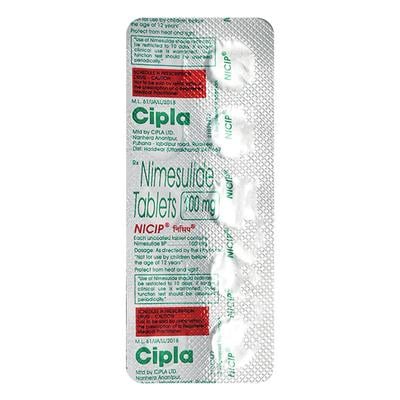
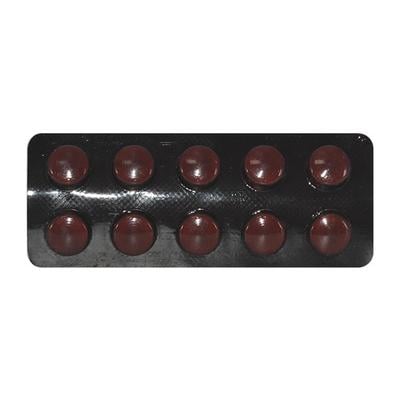
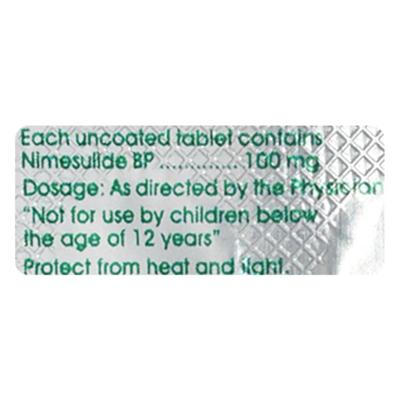
Introduction About NICIP 100MG TABLET
Nicip 100mg Tablet contains nimesulide, a non-steroidal anti-inflammatory drug (NSAID) commonly used for short-term management of pain and inflammation. It works by reducing substances in the body that cause pain, swelling, and discomfort. Nicip 100mg Tablet is often prescribed for conditions such as acute pain, dental pain, musculoskeletal pain, and menstrual discomfort.
Nimesulide acts by inhibiting cyclooxygenase enzymes, thereby reducing the production of prostaglandins responsible for pain and inflammation. The medicine provides effective relief from pain while also helping reduce swelling. It is generally intended for short-term use and should always be taken under medical supervision.
Caution is required in individuals with liver problems, as prolonged or excessive use may affect liver function. It is not recommended for children, pregnant women, or breastfeeding mothers unless advised by a doctor. Common side effects may include nausea, stomach discomfort, dizziness, or heartburn.
Uses Of NICIP 100MG TABLET
- Reduces joint pain caused by arthritis or injuries.
- Provides relief from short-term pain such as dental, muscle, or post-surgical discomfort.
- Effectively brings down fever.
- Alleviates menstrual pain and headaches.
Benefits of NICIP 100MG TABLET
Nicip 100mg Tablet for Arthritis
Nicip 100mg contains nimesulide, a non-steroidal anti-inflammatory medicine that may be prescribed to help manage pain, stiffness, and joint discomfort associated with rheumatoid arthritis. In this condition, ongoing inflammation within the joints can lead to swelling and reduced mobility. Nicip works by lowering the production of certain inflammatory mediators, which can help ease daily joint pain and improve comfort during movement. It is generally advised for short-term, symptom-focused use, alongside other long-term medicines recommended by the doctor for rheumatoid arthritis care.
Nicip 100mg for Postoperative Painful Condition
After surgery, the body’s natural healing response often leads to pain, swelling, and tenderness around the operated area. Nicip 100mg may be advised to relieve postoperative pain and inflammation, helping patients feel more comfortable during the recovery phase. By reducing inflammatory signals at the surgical site, it can support easier movement and rest in the initial days following a procedure. The medicine is usually prescribed for a limited duration, with dose and length of use carefully decided by the healthcare provider to suit the individual’s recovery needs.
Nicip 100mg for Fever
Nicip 100mg may be prescribed to help reduce fever associated with infections or inflammatory conditions. Fever occurs when the body releases chemicals that raise body temperature as part of the immune response. Nicip works by inhibiting substances responsible for this temperature rise, helping bring the fever down and improving overall comfort. It is usually recommended for short-term use, especially when fever is accompanied by pain or inflammation.
How NICIP 100MG TABLET Works
Inhibition of Prostaglandin Synthesis
Nicip 100mg contains nimesulide, which works by inhibiting the cyclooxygenase (COX) pathway involved in the production of prostaglandins. Prostaglandins are chemical messengers responsible for causing pain, inflammation, and fever at injury or infection sites. By reducing their formation, nimesulide helps control pain and inflammatory responses.
Anti-Inflammatory Effect
By lowering prostaglandin levels, Nicip helps reduce inflammation-related symptoms such as swelling, redness, warmth, and stiffness. This action is particularly beneficial in conditions involving joint and soft-tissue inflammation, allowing improved mobility and comfort.
Analgesic Action
Nimesulide interferes with pain signal transmission both at the site of inflammation and within the central nervous system. This dual action helps lessen pain intensity, providing effective relief from acute and short-term pain conditions such as musculoskeletal, dental, and post-operative pain.
Selective Action
Nicip shows relatively selective inhibition of inflammatory pathways, which may help reduce irritation to the stomach lining when used at the prescribed dose and duration. However, appropriate use and medical supervision remain essential to minimize gastrointestinal and liver-related risks.
Short-Term Symptom Control
Nicip 100mg is primarily intended for short-term management of pain, inflammation, and fever. It provides symptomatic relief rather than treating the underlying cause, making it suitable for acute conditions when used for the shortest effective duration as advised by a healthcare professional.
How to use NICIP 100MG TABLET
How to Take Nicip 100mg Tablet
• Take Nicip 100mg Tablet exactly as prescribed by your doctor.
• Swallow the tablet whole with a glass of water.
• It is usually taken after food to reduce stomach irritation.
• Do not crush or chew the tablet.
• Follow the prescribed dose and duration strictly.
• Do not use for longer than advised.
What if I forgot to take NICIP 100MG TABLET
• Take the missed dose as soon as you remember.
• Skip the missed dose if it is almost time for the next dose.
• Resume your regular dosing schedule.
• Do not take a double dose.
• Consult your doctor if doses are missed frequently.
Overdose
Seek immediate medical attention in case of overdose. severe stomach pain, nausea, vomiting, dizziness, liver-related symptoms, or extreme weakness.
Side Effects Of NICIP 100MG TABLET
Common side effects of Nicip 100mg Tablet
- Nausea
- Stomach pain or discomfort
- Heartburn
- Dizziness
- Diarrhoea
- Fatigue
When to Seek Medical Attention?
Stop taking Nicip 100mg Tablet and contact your doctor immediately if you experience
- Severe abdominal pain
- Yellowing of skin or eyes
- Dark urine or persistent nausea
- Severe allergic reactions
- Unusual fatigue or weakness
How To Manage Side Effects

Dizziness Or Drowsiness
- Sit or lie down immediately: If you feel dizzy, sit or lie down right away to avoid falls. Rest until the feeling passes.
- Stay hydrated: Drink enough water during the day. Dehydration is a common cause of dizziness, especially in hot weather.
- Eat on time: Low blood sugar can lead to light-headedness. Have small, balanced meals at regular intervals.
- Move slowly: Avoid sudden changes in position. Get up slowly from sitting or lying down to reduce the risk of dizziness.
- Try deep breathing: Slow, steady breathing may help if dizziness is related to anxiety or stress.
- Ginger tea: Ginger may help ease dizziness linked with nausea. Sip it slowly for comfort.
- Ensure proper sleep: Lack of rest can worsen dizziness. Maintain a consistent sleep routine.

Nausea And Vomiting
- Sip ginger tea or chew a small piece of fresh ginger: Ginger is commonly used to ease stomach discomfort. Warm ginger tea or ginger candy may help settle the feeling of nausea.
- Drink small sips of clear fluids: Water, coconut water, clear soups, or oral rehydration fluids can help prevent dehydration. Take small, frequent sips instead of drinking large amounts at once.
- Try lemon or citrus aroma: Smelling fresh lemon or adding a few drops of lemon juice to warm water may help reduce queasiness.
- Eat light, bland foods: Choose simple foods like plain rice, toast, crackers, bananas, or curd. Avoid spicy, oily, or heavy meals until you feel better.
- Peppermint tea: Peppermint has a soothing effect on the stomach. A warm cup of peppermint tea may help relieve the uneasy feeling.
- Rest in an upright position: Sit upright or keep your head elevated after eating. Lying flat may worsen nausea.
- Get fresh air: Open a window or take a short walk in fresh air. Strong smells and stuffy rooms can trigger nausea.
Warning & Precautions

Pregnancy
Use with CautionNicip 100mg Tablet should be used with caution during pregnancy and only if the doctor considers it necessary. Pregnant women should consult a healthcare professional before using this medicine, as safety depends on individual risk assessment.

Breastfeeding
Consult your doctorUse of Nicip 100mg during breastfeeding is generally not recommended unless clearly advised by a doctor. Medical guidance is important to evaluate potential risks to the nursing infant before use.

Driving and Using Machines
Use with CautionNicip 100mg may cause dizziness in some individuals. Avoid driving or operating heavy machinery if you feel light-headed or unwell after taking the tablet.

Alcohol
ContraindicatedConsuming alcohol while taking Nicip 100mg may increase the risk of stomach irritation and liver-related side effects. It is advisable to avoid or strictly limit alcohol intake during use.

Kidney
Use with CautionPatients with kidney-related conditions should use Nicip 100mg cautiously. A doctor’s consultation is necessary before starting the medicine, and monitoring may be required during use.

Liver
Consult your doctorNicip 100mg should be used with extreme caution in individuals with liver disorders. It is generally avoided or used only under strict medical supervision, as liver monitoring may be needed.

Allergy
ContraindicatedNicip 100mg should not be used by individuals who are allergic to nimesulide or any other component of the formulation. Inform your doctor about any known drug allergies before use.

Heart Disease
Use with CautionPeople with existing heart conditions should use Nicip 100mg carefully. Medical advice is essential, especially in those with cardiovascular risk factors.

Use In Pediatrics
ContraindicatedNicip 100mg is generally not recommended for use in children. Always seek medical guidance before considering this medicine for paediatric patients.

Use In Geriatrics
Monitoring requiredElderly patients may be more sensitive to the effects of Nicip 100mg. Closer medical monitoring and dose considerations may be advised to ensure safe use.
Others
Other Warnings for NICIP 100MG TABLET
Before taking NICIP 100MG TABLET, inform your doctor if you
- have peptic ulcer, ulcerative colitis, or Crohn's diseas
Who should not take NICIP 100MG TABLET
NICIP 100MG TABLET is not recommended for use if you
- have drug addiction problems
- have cerebrovascular bleeding or other active bleeding or bleeding disorders
- have severe clotting disorders
- have an active or history of gastric or duodenal ulcers or gastrointestinal bleeding
- have signs of flu or fever
Safety Advice
- Use for the shortest duration advised: Nicip 100mg is generally recommended for short-term pain relief. Avoid prolonged use unless your doctor specifically advises it.
- Monitor liver health: Inform your doctor if you notice symptoms like persistent nausea, dark urine, yellowing of the eyes/skin, or unusual tiredness, as these may need medical review.
- Watch for stomach discomfort: Report symptoms such as severe abdominal pain, indigestion, black stools, or vomiting, which may indicate stomach irritation.
- Avoid combining with similar pain medicines: Do not take other NSAIDs or pain relievers alongside Nicip unless approved by your healthcare provider.
- Caution in existing conditions: Tell your doctor if you have a history of liver, kidney, heart, or stomach problems before starting the medicine.
- Inform before surgery or procedures: Let your doctor or dentist know you are taking Nicip 100mg, as it may affect bleeding tendency.
- Do not exceed the prescribed dose: Taking more than recommended does not improve relief and may increase the risk of side effects.
- Store properly: Keep the tablets in a cool, dry place away from direct sunlight and out of reach of children.
- Avoid sharing medication: This medicine should only be used by the person it is prescribed for, under medical supervision.
Diet and Lifestyle Advice
- Use for the shortest duration advised: Nicip 100mg is generally recommended for short-term pain relief. Avoid prolonged use unless your doctor specifically advises it.
- Monitor liver health: Inform your doctor if you notice symptoms like persistent nausea, dark urine, yellowing of the eyes/skin, or unusual tiredness, as these may need medical review.
- Watch for stomach discomfort: Report symptoms such as severe abdominal pain, indigestion, black stools, or vomiting, which may indicate stomach irritation.
- Avoid combining with similar pain medicines: Do not take other NSAIDs or pain relievers alongside Nicip unless approved by your healthcare provider.
- Caution in existing conditions: Tell your doctor if you have a history of liver, kidney, heart, or stomach problems before starting the medicine.
- Inform before surgery or procedures: Let your doctor or dentist know you are taking Nicip 100mg, as it may affect bleeding tendency.
- Do not exceed the prescribed dose: Taking more than recommended does not improve relief and may increase the risk of side effects.
- Store properly: Keep the tablets in a cool, dry place away from direct sunlight and out of reach of children.
- Avoid sharing medication: This medicine should only be used by the person it is prescribed for, under medical supervision.
Nicip 100 mg Tablet vs Drotin DS Tablet – Abdominal Pain
|
Feature |
Nicip 100mg Tablet |
Drotin DS Tablet |
|
Drug Class |
NSAID (Non-Steroidal Anti-Inflammatory) |
Antispasmodic |
|
Primary Action |
Reduces pain and inflammation by inhibiting prostaglandin synthesis |
Relaxes smooth muscles to relieve spasms |
|
Mechanism Related to Abdomen |
May reduce pain if inflammation is present; does not target muscle spasms |
Directly relaxes intestinal and uterine muscle spasms, easing cramp-type abdominal pain |
|
Use in Abdominal Pain |
Not a first choice for typical abdominal cramps or colicky pain; may be used if pain has inflammatory origin |
Commonly used for abdominal cramps, colic, and smooth muscle pain |
|
Effectiveness for Cramps |
Limited benefit for spasm-related pain |
High effectiveness for spasm-related pain |
|
Common Indications |
Inflammatory pain (arthritis, musculoskeletal pain), fever, postoperative or menstrual pain when inflammation is involved |
Abdominal cramps, intestinal colic, menstrual cramps, biliary and urinary tract spasms |
|
Gastrointestinal Risk |
May cause gastric irritation or worsen abdominal discomfort in some cases |
Lower risk of gastric irritation since action is on muscle relaxation |
|
Typical Use Duration |
Short-term for acute inflammatory pain |
Short-term for spasm and cramp relief |
|
Best Choice for Abdominal Pain |
Not ideal for typical abdominal cramp pain |
Preferred choice for cramp-related abdominal pain |
Drug - Drug interaction
1.Anticoagulants and Antiplatelet Medicines (e.g., warfarin, aspirin, clopidogrel)
Interaction: Using Nicip with blood-thinning medicines may increase the risk of bleeding, especially in the stomach or intestines.
Management: This combination should be used cautiously. Your doctor may monitor for signs of bleeding and adjust doses or suggest an alternative pain-relief option.
2.Other NSAIDs and Pain Relievers (e.g., ibuprofen, diclofenac)
Interaction: Taking Nicip along with other NSAIDs can increase the chances of stomach irritation, ulcers, or kidney strain.
Management: Avoid combining similar pain medicines unless specifically advised. Use only one NSAID at a time under medical guidance.
3.Corticosteroids (e.g., prednisolone, dexamethasone)
Interaction: Concurrent use may raise the risk of gastrointestinal irritation or bleeding.
Management: Doctors may prescribe stomach-protective measures or closely monitor for digestive discomfort if both are necessary.
4.Diuretics (Water Tablets) (e.g., furosemide, hydrochlorothiazide)
Interaction: Nicip may reduce the effectiveness of diuretics and increase the risk of kidney-related effects, especially in dehydrated patients.
Management: Adequate hydration and periodic kidney function monitoring may be advised when used together.
5.Antihypertensive Medicines (e.g., ACE inhibitors, beta blockers)
Interaction: Nicip can sometimes reduce the blood pressure-lowering effect of these medicines.
Management: Blood pressure may be monitored more frequently, and dose adjustments considered if needed.
6.Lithium
Interaction: Nicip may increase lithium levels in the blood, raising the risk of toxicity.
Management: Doctors usually monitor lithium levels closely or avoid this combination where possible.
7.Methotrexate
Interaction: Using Nicip with methotrexate may increase the risk of methotrexate-related side effects due to reduced clearance.
Management: Careful timing of doses and close medical monitoring are essential if both medicines are required.
8.Cyclosporine
Interaction: Combined use may increase the risk of kidney strain.
Management: Kidney function monitoring is recommended, and alternative pain relief may be considered.
Drug - Food interaction
1.Spicy and Oily Foods
Interaction: Very spicy or oily meals may worsen stomach discomfort or acidity when taken with Nicip.
Management: Prefer light, easily digestible meals and avoid heavy or overly spicy foods to reduce gastric irritation.
2.Caffeine-Containing Beverages (coffee, strong tea, energy drinks)
Interaction: Excess caffeine may increase gastric acidity and contribute to restlessness or discomfort in some individuals.
Management: Limit caffeine intake and choose non-caffeinated beverages if you notice stomach upset.
3.Grapefruit and Grapefruit Juice
Interaction: Grapefruit products may interfere with liver enzymes involved in medicine metabolism, potentially affecting how Nicip is processed in the body.
Management: Avoid grapefruit and its juice during therapy unless your doctor confirms it is safe for you.
4.High-Fat Meals
Interaction: Very fatty foods may delay the absorption of Nicip, leading to a slower onset of pain relief.
Management: Taking the tablet with a normal or light meal, rather than a heavy fatty meal, may help maintain predictable action.
5.Herbal Supplements Affecting the Liver (e.g., herbal tonics, certain Ayurvedic or herbal products)
Interaction: Some herbal products may add to liver workload when taken with Nicip.
Management: Inform your doctor about any herbal or dietary supplements you use and avoid self-medicating with liver-affecting products.
Synopsis
Synopsis
|
Drug |
Nimesulide |
|
Pharmacological Category |
NSAIDs |
|
Therapeutic Indication |
Pain and inflammation |
|
Dosage Forms |
Tablet, Capsule, Suppositories, Topical Gel |
More Information
Storage
• Store below 25°C and protect from moisture
• Keep out of children’s reach
FAQs About NICIP 100MG TABLET
Q: What is Nicip 100mg Tablet used for?
A: Nicip 100mg Tablet contains nimesulide, a non-steroidal anti-inflammatory medicine. It is commonly prescribed for short-term relief from pain and inflammation. It may be advised in conditions like joint pain, muscle pain, dental pain, or postoperative discomfort. The medicine helps reduce swelling and pain signals. It should be used only under doctor's supervision.
Q: How does Nicip 100mg Tablet work?
A: Nicip works by reducing the production of certain chemical messengers responsible for pain and inflammation. This action helps lower swelling and discomfort at the affected area. It mainly targets inflammatory pathways linked to pain. The effect supports improved comfort and movement. It does not cure the underlying condition.
Q: How does Nicip 100mg Tablet work?
A: Nicip works by reducing the production of certain chemical messengers responsible for pain and inflammation. This action helps lower swelling and discomfort at the affected area. It mainly targets inflammatory pathways linked to pain. The effect supports improved comfort and movement. It does not cure the underlying condition.
Q: How should I take Nicip 100mg Tablet?
A: Take Nicip 100mg exactly as prescribed by your doctor. Swallow the tablet whole with water. It is usually advised after food to reduce stomach irritation. Do not crush or chew the tablet. Follow the recommended dose and duration strictly.
Q: Can I take Nicip 100mg on an empty stomach?
A: It is generally better to take Nicip after meals. Taking it on an empty stomach may increase the risk of stomach discomfort. If advised otherwise by your doctor, follow their instructions. Avoid alcohol during use. Consult your doctor if you feel gastric irritation.
Q: How quickly does Nicip 100mg start working?
A: Pain relief may begin within 30-60 minutes after taking the tablet. The exact response varies from person to person. Severity of pain and individual body response matter. Continue using it as prescribed. Inform your doctor if relief is inadequate.
Q: Can Nicip 100mg be taken daily?
A: Nicip is usually recommended for short-term use only. Daily or prolonged use without medical advice is not advised. Your doctor will decide the duration based on your condition. Avoid self-medication. Regular review is important if pain persists
Q: What are the common side effects of Nicip 100mg?
A: Some people may experience nausea, stomach pain, or indigestion. Mild dizziness or headache can occur. These effects are usually temporary. Inform your doctor if side effects persist or worsen. Medical advice may be required.
Q: Can Nicip 100mg cause stomach problems?
A: Yes, stomach irritation or acidity may occur in some individuals. Taking the tablet after food may help reduce this risk. Avoid spicy or oily foods. Report severe abdominal pain or black stools immediately. Medical evaluation is important.
Q: What happens if I take too much Nicip 100mg?
A: Taking more than the prescribed dose may increase the risk of side effects, especially related to the stomach or liver. Seek medical help immediately if an overdose is suspected. Do not wait for symptoms to appear. Emergency care may be needed.
Q: Can I take other pain medicines along with Nicip 100mg?
A: Combining Nicip with other pain relievers, especially similar medicines, may increase side effects. Always inform your doctor about all medicines you are taking. Avoid self-combination. Medical guidance ensures safer use.
Q: Can Nicip 100mg be used for joint pain or arthritis?
A: Doctors may prescribe Nicip for short-term relief of pain and inflammation linked to joint conditions. It helps reduce stiffness and discomfort. Long-term management usually involves other medicines. Follow your doctors advice carefully. Do not use it continuously without review.
Q: Is Nicip 100mg safe for everyone?
A: Nicip may not be suitable for people with liver disease, stomach ulcers, or certain heart or kidney conditions. Allergy to nimesulide should be reported. Always share your medical history with your doctor. Proper assessment is essential before use.
Q: Can I stop taking Nicip 100mg once pain improves?
A: Follow your doctors instructions regarding duration. Short-term use is common. Do not continue longer than advised. If pain returns or worsens, consult your doctor. Avoid abrupt or prolonged self-use.
Q: Does Nicip 100mg cause drowsiness?
A: Drowsiness is not common but dizziness may occur in some people. Avoid driving or operating machinery if you feel unwell. Rest until symptoms pass. Inform your doctor if it affects daily activities.
Q: When should I seek medical help while taking Nicip 100mg?
A: Seek medical advice if pain does not improve, or if you notice severe stomach pain, vomiting, yellowing of eyes/skin, or unusual tiredness. Allergic reactions like rash or swelling also need immediate attention. Prompt medical care ensures safety.
References
1. KD Tripathi. Nonsteroidal Anti-inflammatory Drugs and Antipyretic-Analgesics. Essentials of Medical Pharmacology. Seventh Edition, 2013. Page - 203-204.
2. H G Kress, A Baltov, A Basinski, F Berghea, J Castellsague, C Codreanu, E Copaciu, M A Giamberardino, M Hakl, L Hrazdira, M Kokavec, J Lejcko, L Nachtnebl, R Stancík, A Švec, T Tóth, M V Vlaskovska, J Woron. Acute pain: a multifaceted challenge—the role of nimesulide. NIH: National Library of Medicine, National Center of Biotechnology Information Pubmed.gov. [Accessed on 16th February 2026] 
3. A K Singla, M Chawla, A Singh. Nimesulide: some pharmaceutical and pharmacological aspects—an update. NIH: National Library of Medicine, National Center of Biotechnology Information Pubmed.gov. [Revised in May 2000]. [Accessed on 16th February 2026] 
4. Pharm Evo Pvt Ltd. NICIP 100MG TABLET (Nimesulide 100mg). [Revised on May 2016] [Accessed on 16th February 2026]
Author Details