






Netmeds First Membership
Quick Links
Introduction About NEOSPORIN ANTIBIOTIC OINTMENT
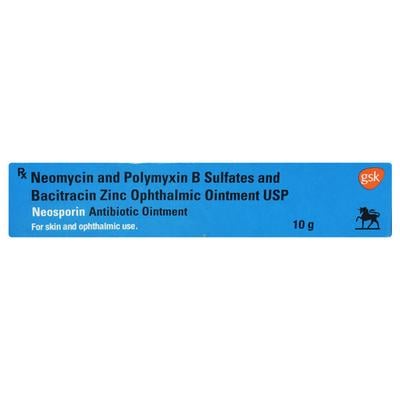
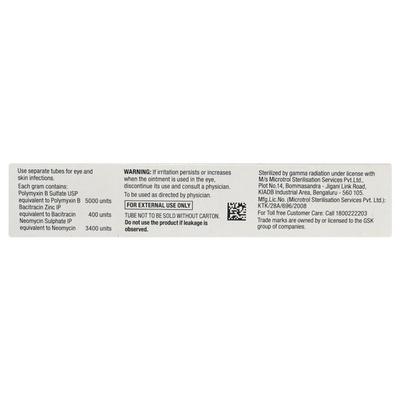
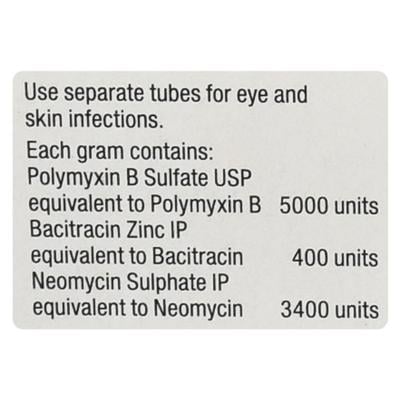
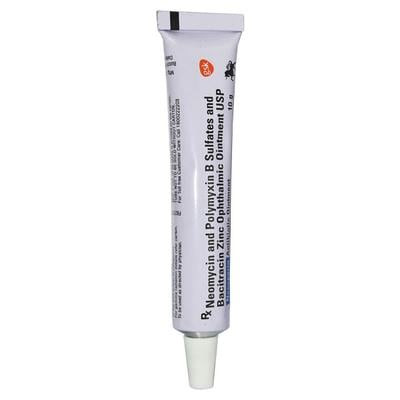
Neosporin Antibiotic Ointment contains a combination of three topical antibiotics: bacitracin neomycin and polymyxin B. It is used for the management of certain bacterial skin infections and may also be prescribed for minor cuts, superficial wounds, and other small skin injuries where bacterial infection is present or considered a concern. The combination works against susceptible bacteria on the skin and helps reduce the bacterial load at the affected area.
Use Neosporin Antibiotic Ointment exactly as advised by your doctor or pharmacist. It is meant for external use only. Clean and gently dry the affected area before applying a thin layer of ointment. Wash your hands before and after application unless the hands themselves are being treated. Avoid applying it to the eyes, mouth, inside of the nose, or other mucosal areas unless specifically advised by a healthcare professional. Do not use it more frequently or for longer than recommended.
Do not use Neosporin Antibiotic Ointment if you are allergic to bacitracin, neomycin, polymyxin B, or any of its other ingredients. Inform your doctor if you have previously developed a rash, itching, swelling, or other allergic reaction after using topical antibiotics. Avoid applying the ointment to deep wounds, puncture wounds, extensive burns, animal bites, or large areas of damaged skin without medical advice. Prolonged or inappropriate use of topical antibiotics may increase the risk of skin sensitisation or reduced effectiveness against bacteria.
Common side effects of Neosporin Antibiotic Ointment may include mild itching, redness, irritation, or swelling at the application site. Stop using the ointment and seek medical attention if you develop severe skin irritation, widespread rash, facial or throat swelling, difficulty breathing, or other signs of a serious allergic reaction. If the affected area becomes more painful, swollen, increasingly red, develops pus, or does not improve as expected, consult your doctor.
Uses Of NEOSPORIN ANTIBIOTIC OINTMENT
- Bacterial infections affecting the superficial layers of the skin
- Minor wounds such as cuts, scrapes, and abrasions where infection is suspected or present
- Localized infected skin injuries requiring topical antibacterial treatment
Benefits of NEOSPORIN ANTIBIOTIC OINTMENT
Neosporin Antibiotic Ointment for Bacterial Skin Infections
Neosporin Antibiotic Ointment contains bacitracin, neomycin, and polymyxin B, three antibiotics that act against susceptible bacteria on the skin. It may be prescribed for certain superficial bacterial skin infections and helps reduce bacterial growth at the affected area. Use it only for the condition and duration recommended by your healthcare professional.
Neosporin Antibiotic Ointment for Minor Cuts and Wounds
Neosporin Antibiotic Ointment may be used for minor cuts and superficial wounds when bacterial infection is present or when a healthcare professional considers topical antibacterial therapy appropriate. Applying a thin layer to a clean, dry affected area helps deliver the antibiotics directly to the skin. It should not be used on deep or extensive wounds without medical advice.
Neosporin Antibiotic Ointment for Infected Superficial Skin Injuries
Neosporin Antibiotic Ointment may be prescribed for superficial skin injuries associated with bacterial infection. Its combination of bacitracin, neomycin, and polymyxin B provides activity against different susceptible bacteria. Follow the prescribed application frequency and duration, and consult your doctor if symptoms worsen or fail to improve.
How NEOSPORIN ANTIBIOTIC OINTMENT Works
How Neosporin Antibiotic Ointment works
Neosporin Antibiotic Ointment contains three antibiotics: bacitracin, neomycin, and polymyxin B. Bacitracin interferes with bacterial cell-wall formation, neomycin interferes with bacterial protein production, and polymyxin B damages the bacterial cell membrane. Together, these actions help inhibit or eliminate susceptible bacteria present on the skin.
How to use NEOSPORIN ANTIBIOTIC OINTMENT
How to use Neosporin Antibiotic Ointment
- Use Neosporin Antibiotic Ointment exactly as advised by your doctor or pharmacist.
- Clean the affected area gently and allow it to dry before application.
- Apply a thin layer of ointment over the affected area.
- Wash your hands before and after applying the ointment, unless the hands are the area being treated.
- Use it only on the affected skin and avoid unnecessary application to healthy skin.
- Do not apply it inside the eyes, mouth, nose, or other sensitive areas unless specifically advised.
- Do not cover the area with a tight or airtight dressing unless your doctor recommends it.
- Do not use the ointment more frequently or for longer than prescribed.
What if I forgot to take NEOSPORIN ANTIBIOTIC OINTMENT
- Apply the missed dose when you remember.
- If it is almost time for your next scheduled application, skip the missed application and continue with your regular schedule.
- Do not apply an excessive amount to make up for the missed application.
- Missing applications repeatedly may reduce the effectiveness of topical antibacterial therapy.
- If you frequently forget applications, try using a reminder or applying the ointment at the same time each day as advised.
Overdose
If you accidentally apply more Neosporin Antibiotic Ointment than recommended, gently remove the excess ointment and continue with the prescribed application schedule. Applying excessive amounts or using the ointment over large areas may increase the risk of skin irritation or absorption-related adverse effects. If a large quantity is accidentally swallowed, seek immediate medical advice.
Side Effects Of NEOSPORIN ANTIBIOTIC OINTMENT
Common side effects of Neosporin Antibiotic Ointment
- Itching at the application site
- Mild skin redness
- Skin irritation
- Burning or stinging sensation
- Local swelling
- Skin rash or sensitivity
When to Seek Medical Attention?
Stop using Neosporin Antibiotic Ointment and inform your doctor immediately if you experience any of the following
- Severe or rapidly worsening skin irritation
- Widespread rash, severe itching, or blistering
- Significant swelling of the treated area
- Swelling of the face, lips, tongue, or throat
- Difficulty breathing or swallowing
- Severe burning or pain after application
- Signs that the skin infection is worsening, such as increasing redness, swelling, pus, or pain
- No improvement or worsening of the condition despite appropriate use
How To Manage Side Effects

Skin Sensitivity
- Stop and assess: If irritation becomes significant, stop applying the ointment and contact your healthcare professional.
- Keep the area clean: Gently clean the affected area with water and avoid harsh soaps or scrubbing.
- Avoid scratching: Scratching can further damage the skin and may increase the risk of bacterial contamination.
- Avoid irritating products: Do not apply perfumes, alcohol-based products, exfoliants, or other irritating creams to the affected area unless advised.
- Keep the area protected: Follow your healthcare professional's advice regarding dressings or wound care.
- Seek medical advice: Persistent or worsening irritation may indicate sensitivity to one of the ingredients.
Warning & Precautions

Pregnancy
Consult your doctorNeosporin Antibiotic Ointment should be used during pregnancy only when recommended by a healthcare professional. Inform your doctor if you are pregnant, planning pregnancy, or think you may be pregnant before using the ointment.

Breastfeeding
Consult your doctorIf you are breastfeeding, consult your doctor before using Neosporin Antibiotic Ointment. Avoid applying it to the breast or nipple area immediately before breastfeeding unless specifically advised.

Kidney
Use with CautionNeosporin Antibiotic Ointment should be used with caution in patients with kidney diseases. Consult your doctor before using it.

Allergy
ContraindicatedDo not use Neosporin Antibiotic Ointment if you have a known allergy to bacitracin, neomycin, polymyxin B, or any other ingredient in the formulation. Neomycin and bacitracin can cause contact sensitivity in some individuals.

Use In Pediatrics
Consult your doctorUse in children should follow medical advice, particularly when applying the ointment to large areas, broken skin, or for prolonged periods. Keep the tube out of children's reach.

Use In Geriatrics
Use with CautionOlder adults may have thinner or more fragile skin and may be more susceptible to irritation from topical medicines. Use Neosporin Antibiotic Ointment carefully and only on the area recommended by your healthcare professional.
Other Warnings for NEOSPORIN ANTIBIOTIC OINTMENT
Before using Neosporin Antibiotic Ointment inform your doctor if you
- have previously developed a rash or skin irritation after using antibiotic ointments.
- have extensive skin damage, deep wounds, puncture wounds, or severe burns.
- have an animal bite or another wound that may require medical assessment.
- are using other topical medicines on the same area.
- have a wound that is not improving or appears to be worsening.
Who should not take NEOSPORIN ANTIBIOTIC OINTMENT
Neosporin Antibiotic Ointment is not recommended if you have
- have or ever had nerve deafness
Safety Advice
- Use Neosporin Antibiotic Ointment only on the skin and exactly as directed.
- Clean and dry the affected area before application.
- Apply only a thin layer of ointment.
- Wash your hands before and after application.
- Avoid contact with the eyes, mouth, nose, and other mucosal areas.
- Do not apply the ointment to deep wounds, extensive burns, or animal bites without medical advice.
- Do not share the tube with other people.
- Avoid using other topical antibiotics or medicated creams on the same area unless advised.
- Do not use the ointment for longer than recommended.
- Stop using it and seek medical advice if severe itching, rash, swelling, or breathing difficulty occurs.
- Contact your doctor if the wound becomes increasingly painful, swollen, red, or produces pus.
- Keep the tube tightly closed and store it as directed on the product label.
Diet and Lifestyle Advice
- Maintain good hygiene: Wash your hands before touching wounds or applying medicines.
- Keep the affected area clean: Follow appropriate wound-cleaning instructions provided by your healthcare professional.
- Avoid scratching: Scratching may damage the skin and increase bacterial contamination.
- Do not share personal items: Avoid sharing towels, razors, clothing, or other items that come into contact with affected skin.
- Keep wounds protected: Follow medical advice regarding dressings and wound protection.
- Maintain adequate nutrition: A balanced diet containing adequate protein, fruits, vegetables, and whole grains supports normal skin health.
- Stay hydrated: Drink adequate fluids unless your doctor has advised fluid restriction.
- Avoid harsh skin products: Limit products containing strong fragrances, alcohol, or irritating exfoliating ingredients around the affected area.
- Follow the prescribed duration: Do not continue topical antibiotics unnecessarily after the recommended course.
1. Neosporin Antibiotic Ointment vs Mupirocin Ointment
|
Feature |
Neosporin Antibiotic Ointment |
Mupirocin Ointment |
|
Active ingredients |
Bacitracin + Neomycin + Polymyxin B |
Mupirocin |
|
Type |
Combination topical antibiotics |
Single-agent topical antibiotic |
|
Use |
Used for selected superficial bacterial skin infections and minor infected skin injuries |
Used for susceptible bacterial skin infections as prescribed |
|
Mechanism |
Different components interfere with bacterial cell-wall formation, protein production, and cell-membrane function |
Interferes with bacterial protein synthesis |
|
Common local effects |
Itching, redness, irritation, or swelling may occur |
Burning, stinging, itching, or local irritation may occur |
|
Allergy considerations |
Neomycin and bacitracin may cause contact sensitivity in some individuals |
Hypersensitivity can occur |
|
Suitability |
May be considered when a combination topical antibiotic is appropriate |
May be selected when a specific topical antibiotic is appropriate |
2. Neosporin Antibiotic Ointment vs Fusidic Acid Ointment
|
Feature |
Neosporin Antibiotic Ointment |
Fusidic Acid Ointment |
|
Active ingredients |
Bacitracin + Neomycin + Polymyxin B |
Fusidic acid |
|
Drug class |
Combination topical antibiotics |
Topical antibacterial |
|
Action |
Acts against susceptible bacteria through multiple antibacterial mechanisms |
Inhibits bacterial protein synthesis |
|
Application |
Applied as a thin layer to the affected skin as directed |
Applied to affected skin as prescribed |
|
Side effects |
Local itching, redness, irritation, or swelling may occur |
Local irritation, itching, or burning may occur |
|
Allergy considerations |
Neomycin and bacitracin can cause contact sensitivity |
Hypersensitivity may occur |
|
Use |
Selected superficial bacterial skin conditions |
Selected bacterial skin infections caused by susceptible organisms |
Drug - Drug interaction
1. Other Topical Antibiotics
- Interaction: Using Neosporin with other topical antibiotics on the same area may increase the risk of skin irritation or allergic sensitisation.
- Management: Inform your doctor or pharmacist about all topical medicines you use. Avoid combining topical antibiotics unless specifically recommended.
2. Other Topical Medicines
- Interaction: Applying multiple medicated creams or ointments to the same area may increase irritation and can interfere with appropriate skin care.
- Management: Use other topical medicines only according to your healthcare professional's instructions.
3. Aminoglycoside Antibiotics
- Interaction: Neomycin belongs to the aminoglycoside class. Using other aminoglycoside antibiotics may increase concerns about additive adverse effects, particularly when significant absorption occurs from extensive or damaged skin.
- Management: Tell your doctor about any oral, injectable, or topical aminoglycoside antibiotics you are using.
4. Medicines Affecting Kidney Function
- Interaction: Significant absorption of topical antibiotics is uncommon with appropriate use, but absorption may increase when applied to extensive or severely damaged skin. This may be more relevant in people with kidney problems.
- Management: Inform your doctor if you have kidney disease or are using medicines that may affect kidney function.
Synopsis
|
Drug |
Bacitracin + Neomycin + Polymyxin B |
|
Pharmacological Category |
Topical antibacterial agents |
|
Therapeutic Indication |
Management of susceptible superficial bacterial skin infections and selected minor skin wounds |
|
Dosage Forms |
Topical ointment |
More Information
Storage
- Store Neosporin Antibiotic Ointment below 30°C
- Keep it out of the sight and reach of children and pets.
FAQs About NEOSPORIN ANTIBIOTIC OINTMENT
Q: What is Neosporin Antibiotic Ointment used for?
A: Neosporin Antibiotic Ointment contains bacitracin neomycin and polymyxin B. It is used for the management of certain superficial bacterial skin infections and may also be used for selected minor cuts and superficial wounds when recommended by a healthcare professional.
Q: How does Neosporin Antibiotic Ointment work?
A: Neosporin contains three antibiotics that act against susceptible bacteria through different mechanisms. They interfere with bacterial cell-wall formation protein production and cell-membrane function helping reduce bacterial growth on the skin.
Q: How should I use Neosporin Antibiotic Ointment?
A: Clean and gently dry the affected area before applying a thin layer of ointment. Wash your hands before and after application unless the hands are being treated. Use it exactly as directed by your doctor or pharmacist.
Q: Can Neosporin Antibiotic Ointment be used on cuts and wounds?
A: It may be used for selected minor cuts and superficial wounds when bacterial infection is present or when a healthcare professional recommends it. Deep wounds puncture wounds extensive burns and animal bites require medical evaluation.
Q: Can Neosporin Antibiotic Ointment be used for fungal infections?
A: No. Neosporin is an antibacterial ointment and is not intended for fungal infections. A healthcare professional should identify the cause of the skin condition before using an antimicrobial medicine.
Q: What are the common side effects of Neosporin Antibiotic Ointment?
A: Common side effects may include itching redness burning stinging irritation rash or swelling at the application site. Contact your doctor if these effects are severe or persistent.
Q: Can Neosporin Antibiotic Ointment cause an allergic reaction?
A: Yes. Neomycin and bacitracin may cause skin sensitivity or an allergic reaction in some people. Stop using the ointment and seek medical attention if you develop severe rash facial or throat swelling or difficulty breathing.
Q: Can I use Neosporin Antibiotic Ointment during pregnancy or breastfeeding?
A: If you are pregnant planning pregnancy or breastfeeding consult your doctor before using Neosporin Antibiotic Ointment. Avoid applying it to the breast or nipple area immediately before breastfeeding unless specifically advised.
Q: Can Neosporin Antibiotic Ointment be used with other creams?
A: Do not apply other medicated creams ointments or topical antibiotics to the same area unless advised by your doctor. Combining topical medicines may increase skin irritation or affect appropriate use.
Q: When should I contact my doctor while using Neosporin Antibiotic Ointment?
A: Contact your doctor if the treated area becomes increasingly red swollen painful or develops pus or if the condition does not improve as expected. Seek urgent medical attention for severe allergic reactions such as facial or throat swelling or difficulty breathing.
References
1. K.D. Tripathi Antimicrobial Drugs Essentials of Pharmacology. Seventh Edition. 2013. Page no: 750, 759.
2. PANACCIO V. Topical treatment of various skin infections with an antibiotic polymyxin B-bacitracin-neomycin ointment NCBI, PMC, US National Library of Medicine, National Institute of Health. [Revised in 1st October 1956]. [Accessed on 20th September 2026] 
3. GlaxoSmithKline Pharmaceuticals Limited. [Revised in 26th March 2020] [Accessed on 20th September 2026] 
4. Bacitracin, Neomycin, and Polymyxin B. Leeford Healthcare Limited. [Accessed on 20th September 2026]