



Netmeds First Membership
Introduction About NAPZOL PLUS EYE DROPS
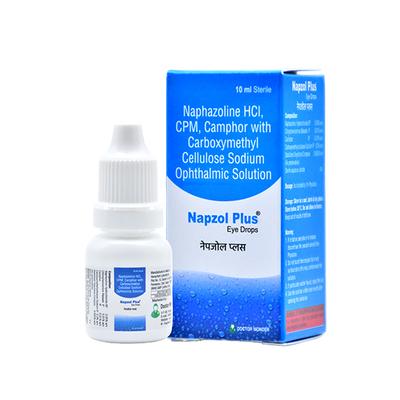
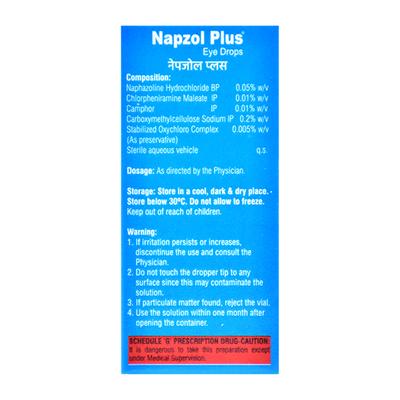
Napzol Plus Eye Drop is a sterile ophthalmic solution formulated with Naphazoline 0.01%. It is commonly used to manage occasional eye redness or discomfort, especially after extended screen time, exposure to dust, or seasonal changes.
Napzol Plus Eye Drops should only be used in the affected eye, following the dosage and duration recommended by your doctor. Make sure to wash your hands before applying the medication. Always read the label for specific instructions before use. Do not skip any doses, and complete the entire course of management, even if you start feeling better.
Common side effects of these drops may includes burning sensation, dry eye, irritation, itching, and redness at the application site. These are usually temporary and resolve with time. However, if they persist or get worse, inform your doctor. In case of accidental contact with your ears, nose, or mouth, immediately rinse it with water.
Let your doctor know if you have any known allergies to the ingredients in this medication or if you're taking any other medicines. It's also recommended not to drive or operate heavy machinery right after using this medication, as it may cause temporary vision blurring and impair your ability to drive.
Uses Of NAPZOL PLUS EYE DROPS
- Allergic eye conditions
Benefits of NAPZOL PLUS EYE DROPS
01)Provides Relief from Eye Redness and Irritation: Effectively alleviates redness, discomfort, and minor irritation caused by various environmental factors or minor eye conditions.
02)Formulated with Naphazoline: Contains Naphazoline, a well-known vasoconstrictor that helps reduce blood vessel dilation in the eye, relieving redness and irritation swiftly.
03)Ideal for Screen Time and Environmental Strain: Perfect for individuals experiencing eye strain due to prolonged screen use, dry air, dust, or seasonal allergens that can lead to discomfort.
04)Convenient, Easy-to-Use Dropper Bottle: Comes with a precise, hygienic dropper bottle, making it easy to administer the right dose for fast relief, with no mess or wastage.
05) Soothes Tired and Dry Eyes: Helps moisturize and refresh the eyes, especially after long hours of reading, working, or exposure to air conditioning, wind, or smoke.
06) Quick Action for Instant Comfort: Provides fast-acting relief, making it ideal for on-the-go use whenever eye irritation or dryness occurs.
How NAPZOL PLUS EYE DROPS Works
Napzol Plus Eye Drops work through a combination of mechanisms of action (MOA), each targeting specific aspects of eye irritation and discomfort:
- Vasoconstrictor Action (Naphazoline): The main ingredient, Naphazoline, acts as a vasoconstrictor, meaning it narrows the blood vessels in the eye. This reduces the redness caused by dilated blood vessels, providing a clearer, less irritated appearance.
- Reduces Eye Irritation: By constricting the blood vessels and reducing inflammation, Naphazoline helps alleviate minor eye irritation caused by external factors like dust, pollen, smoke, or prolonged exposure to digital screens.
- Soothes Dryness and Discomfort: The drops work to relieve dry eyes by providing moisture to the surface of the eye, which soothes the sensation of dryness or tiredness, especially after prolonged exposure to air conditioning, heating, or digital screens.
- Anti-inflammatory Effect: By reducing blood flow to the affected area, Naphazoline also helps to decrease inflammation, which is often responsible for the discomfort, redness, and swelling associated with eye irritation.
- Fast Relief: Upon application, the drops work quickly to reduce symptoms such as redness, itching, and discomfort, offering almost immediate relief and restoring comfort to the eyes.
- Convenient and Precise Application: The dropper ensures controlled, accurate application of the drops, delivering the right amount of medicine exactly where it’s needed, enhancing the effectiveness of the treatment and reducing the risk of wastage.
Together, these actions make Napzol Plus Eye Drops an effective and fast-acting solution for managing eye redness, irritation, and dryness.
How to use NAPZOL PLUS EYE DROPS
Follow the instructions provided by your doctor. Avoid touching the dropper tip to any surface to maintain its sterility.
Recommended Dosage for Napzol Plus Eye Drop:
The recommended dosage will depend on the severity of your symptoms and your doctor's advice. Typically, 1-2 drops are administered in the affected eye(s) up to 3-4 times a day. Follow your doctor’s guidance carefully.
How to Apply Napzol Plus Eye Drop:
1. Wash your hands thoroughly before use.
2. Tilt your head back slightly and pull down the lower eyelid of the affected eye.
3. Hold the dropper close to your eye without touching the tip to your eye or any other surface to keep it sterile.
4. Squeeze the prescribed number of drops into the lower eyelid pocket.
5. Close your eye gently, and press lightly on the corner of your eye near the nose to prevent the drops from draining out.
6. Wash your hands again after applying the drops.
Napzol Plus Eye Drop: How Often Should You Use It?
Napzol Plus should be used as directed by your doctor. Usually, the frequency is 3-4 times daily. Do not exceed the prescribed dose or frequency to avoid any potential side effects.
Napzol Plus Eye Drop Dosage for Different Age Groups:
Dosage for children, adults, and elderly individuals will vary based on the doctor’s instructions. It’s crucial to follow age-specific dosage recommendations and avoid overuse.
Important Instructions for Using Napzol Plus Safely:
- Do not use if you are allergic to any of the ingredients in the eye drop.
- Always check the expiration date before use
- Avoid contact with the dropper tip to reduce contamination.
- Consult your doctor if you experience any side effects or discomfort.
- If you are using other eye medications, wait at least 5 minutes before applying Napzol Plus to avoid interactions.
When Do People Consider Using It?
- During long hours of screen exposure causing eye fatigue and discomfort.
- After exposure to dust, smoke, or allergens in the air, leading to irritation.
- To support eye comfort in dry, windy, or harsh climates.
Side Effects Of NAPZOL PLUS EYE DROPS
Like all medicines, Napzol Plus Eye Drop may cause certain side effects in some individuals, although not everybody gets them.
The most common side effects of taking Napzol Plus Eye Drop are:
- Application site reactions such as eye burning sensation, dry eye, irritation, itching and redness
When to consult your doctor?
- Allergic Reactions symptoms such as rash, itching/swelling (especially of face/tongue/throat), severe dizziness, trouble breathing.
- Severe eye pain or irritation
- Vision Problems symptoms such as sudden or severe changes in vision, such as blurred vision, double vision, or loss of vision
- Severe redness or Swelling
- Heart symptoms such as heart palpitations, rapid heartbeat, or chest pain
- Severe dryness or discomfort
- Light sensitivity
Warning & Precautions

Pregnancy
Use with CautionNapzol Plus Eye Drops should be used with caution during pregnancy. There is limited data available, so consult your doctor before using this medication if you are pregnant.

Breastfeeding
Consult your doctorNapzol Plus Eye Drops are generally considered safe for use while breastfeeding, but consult your doctor before using them during this period to ensure they are appropriate for your situation.

Driving and Using Machines
Use with CautionNapzol Plus Eye Drops may cause temporary blurred vision after use, which could affect your ability to drive or operate machinery. Avoid such activities until your vision is clear again.

Alcohol
Consult your doctorThere are no known direct interactions between alcohol and Napzol Plus Eye Drops. However, excessive alcohol consumption can cause dehydration, which may worsen dry eye symptoms. It's best to use the drops cautiously with alcohol.

Kidney
Use with CautionUse Napzol Plus Eye Drops with caution if you have a history of kidney problems. Always consult your doctor before use if you have any kidney-related conditions.

Liver
Consult your doctorThere are no significant concerns regarding the use of Napzol Plus Eye Drops for individuals with liver conditions. However, if you have any liver disease, it’s recommended to consult your doctor before use.

Allergy
ContraindicatedDo not use Napzol Plus Eye Drops if you are allergic to Naphazoline or any of its ingredients, or other similar medications. Seek immediate medical attention if you experience symptoms of an allergic reaction.

Lungs
Use with CautionNapzol Plus Eye Drops should be used with caution if you have any lung conditions, especially asthma. The medication can cause irritation or discomfort, potentially affecting breathing. Consult your doctor before use.

Heart Disease
Use with CautionUse Napzol Plus Eye Drops with caution if you have heart disease or high blood pressure. Naphazoline, the active ingredient, may affect blood vessels and blood pressure, so consult your doctor before use.

Use In Pediatrics
Consult your doctorNapzol Plus Eye Drops typically recommended for adults and children over 12 years of age. Consult your pediatrician before use.

Use In Geriatrics
Use with CautionElderly patients should use Napzol Plus Eye Drops with caution, as they may be more sensitive to its side effects, such as temporary blurred vision or potential blood pressure changes. Consult your doctor for proper guidance and monitoring.
Other Warnings for NAPZOL PLUS EYE DROPS
Before taking Napzol Plus Eye Drop, inform your doctor if you:
- Have depression
- Have diabetes
- Have hardening and narrowing of blood vessels or experience eye pain or changes in eyesight
Who should not take [GBNKEYWORD
Napzol Plus Eye Drop is not recommended for use if you:
- Have a history of glaucoma or other eye diseases that affect intraocular pressure.
- Have any eye infections, as it may worsen the condition.
- Have or had an eye surgery.
- Are using other eye medications that contain vasoconstrictors or similar active ingredients without consulting your doctor.
- Are a children under 12 years of age
Drug - Drug interaction
Inform your physician if you are taking any of the following medicine before taking Napzol Plus Eye Drop:
- Other Eye Medications (especially vasoconstrictors)
- Interaction: Increased risk of excessive vasoconstriction or blood vessel narrowing.
- Effects: Increased risk of eye irritation, increased intraocular pressure, or other side effects related to excessive constriction.
- Management: Avoid using multiple eye drops containing similar active ingredients. Consult your doctor before combining treatments.
- Antihypertensive Medications (e.g., Beta-Blockers, ACE Inhibitors)
- Interaction: Potential counteracting effects on blood pressure regulation.
- Effects: Possible increase in blood pressure due to vasoconstriction properties of Naphazoline.
- Management: Monitor blood pressure regularly. Adjust the dosage of antihypertensive medications if necessary, as advised by your healthcare provider.
- Antidepressants (e.g., MAO Inhibitors, Tricyclic Antidepressants)
- Interaction: Increased risk of hypertension or other cardiovascular effects.
- Effects: Elevated blood pressure, palpitations, or dizziness due to interaction between Naphazoline and certain antidepressants.
- Management: Use with caution and under the supervision of a healthcare provider. Regular monitoring of blood pressure is recommended.
- Alpha-Agonists (e.g., Clonidine, Methyldopa)
- Interaction: Enhanced vasoconstrictor effect.
- Effects: Increased risk of elevated blood pressure, dizziness, or palpitations.
- Management: Monitor blood pressure closely. Adjust medication doses under medical supervision as necessary.
- Corticosteroids (Oral or Ophthalmic)
- Interaction: Increased risk of eye irritation or pressure changes.
- Effects: Potentially enhanced irritation and delayed healing due to combined use with corticosteroids.
- Management: Use with caution, especially in individuals with pre-existing eye conditions. Discuss with your doctor before use.
- Sympathomimetic Drugs (e.g., Pseudoephedrine, Ephedrine)
- Interaction: Additive vasoconstrictor effects.
- Effects: Increased risk of hypertension and other systemic side effects due to additive vasoconstriction.
- Management: Avoid concurrent use unless advised by your doctor. Monitor blood pressure regularly.
- Alcohol
- Interaction: Alcohol can exacerbate dry eye symptoms and potentially cause dehydration.
- Effects: Increased eye dryness, irritation, or discomfort.
- Management: Limit alcohol consumption while using Napzol Plus Eye Drops to prevent worsening of eye dryness and irritation.
- Decongestants (e.g., Nasal Sprays or Oral Decongestants)
- Interaction: Increased risk of systemic vasoconstriction.
- Effects: May exacerbate increased blood pressure or heart rate.
- Management: Avoid using multiple vasoconstrictors simultaneously. Consult with your healthcare provider before use.
Synopsis
|
Drug |
: |
Naphazoline |
|
Pharmacological Category |
: |
Alpha-adrenergic agonists. |
|
Therapeutic Indication |
: |
Allergic eye conditions |
|
Dosage Forms |
: |
Eye Drops |
More Information
01.Why Choose Napzol Plus Eye Drops Over Other Brands?
1. Effective Relief for Eye Redness and Irritation
- Napzol Plus typically contains Naphazoline, an alpha-adrenergic agonist, which constricts the blood vessels in the eyes to reduce redness and irritation. If you are looking for fast-acting relief from minor eye redness caused by irritants like smoke, dust, or allergens, Napzol Plus can provide that.
2. Dual Action Formula
- In addition to Naphazoline for vasoconstriction, many Napzol Plus formulations include antihistamines or other ingredients that target both the physical symptoms (like redness) and the allergic response (like itching or watery eyes). This dual-action approach could be an advantage if you suffer from both symptoms.
3. Long-Lasting Effects
- Some users report that Napzol Plus offers longer-lasting relief compared to other brands, meaning fewer applications are needed throughout the day. This can be more convenient for people who need sustained symptom control.
4. Convenient and Portable
- Like many other eye drop brands, Napzol Plus comes in small, portable bottles that can easily fit into a pocket or purse. If you're someone who needs quick relief on the go, this could be a major advantage.
5. Lower Cost vs. Prescription Alternatives
- Depending on where you live, Napzol Plus may be more affordable than prescription medications, making it a practical over-the-counter option for people who want relief without the higher cost associated with some other prescription managements.
6. Fewer Ingredients (for Sensitive Eyes)
- Napzol Plus may have fewer ingredients or preservatives compared to other formulations, making it suitable for people with more sensitive eyes. This can reduce the likelihood of irritation or unwanted reactions from extra additives.
7. Brand Reputation
- If you trust the manufacturer or have had a good experience with other products from that brand, it might influence your decision. Some brands build up a reputation for reliability and consistency, which can be a factor when choosing a product.
2. Product Comparison
a) Napzol Plus vs. Other Eye Drops
|
Feature |
Napzol Plus |
Other Eye Drops |
|
Active Ingredients |
Naphazoline (Vasoconstrictor) + Antihistamines (optional, varies by formulation) |
Varies (typically only decongestants like Tetrahydrozoline or Naphazoline) |
|
Dual Action Formula |
Yes – Combines a vasoconstrictor with antihistamines for both redness and irritation relief |
Often single-action (usually just vasoconstriction) |
|
Relief Duration |
Long-lasting relief, reduces redness and irritation for several hours |
Relief is typically shorter (2-4 hours) |
|
Speed of Action |
Fast-acting – noticeable reduction in redness and irritation within minutes |
Usually fast, but may not be as quick or effective for all symptoms |
|
Convenience |
Compact, portable, easy to carry for on-the-go relief |
Typically portable but may require more frequent application |
|
Suitable for Sensitive Eyes |
Formulated for fewer preservatives, may be more gentle on sensitive eyes |
Some brands have more preservatives, which can irritate sensitive eyes |
|
Cost |
Often more affordable than prescription-strength eye drops |
Can vary, but many are also available over-the-counter at similar or higher costs |
|
Side Effects |
Risk of rebound redness if overused, minimal side effects when used correctly |
Possible irritation or dryness, with some brands causing increased sensitivity after prolonged use |
|
Usage Instructions |
Typically requires only 1-2 drops per eye, a few times per day |
Usage may vary by brand, but usually involves frequent reapplication |
|
Best For |
Temporary relief of eye redness, irritation, and minor allergy symptoms |
Short-term redness relief but may not address underlying irritation or allergies |
Why Choose Napzol Plus?
- Comprehensive Relief: The combination of Naphazoline with antihistamines (when included) provides more than just temporary redness relief, it's also effective for addressing underlying irritation and allergy-related symptoms.
- Longer Lasting: The formulation in Napzol Plus often offers longer-lasting relief, which is ideal for people who don’t want to apply drops constantly.
- Gentler on Sensitive Eyes: Napzol Plus is formulated with fewer preservatives, making it a better option for those with more sensitive eyes or those prone to dryness.
- Affordable and Accessible: As an over-the-counter product, Napzol Plus is often more affordable compared to prescription alternatives, making it a practical choice for individuals who need regular relief.
3. Are Napzol Plus Eye Drops Better Than Natural Remedies?
|
Feature |
Napzol Plus Eye Drops |
Natural Remedies (Cucumber, Tea Bags, Oils, etc.) |
|
Active Ingredient |
Naphazoline (Vasoconstrictor) and sometimes Antihistamines |
No active pharmaceutical ingredients; relies on natural properties of herbs or cooling effects |
|
Speed of Relief |
Fast-acting – noticeable relief within minutes |
Slow-acting; can take 15-30 minutes or longer for noticeable results |
|
Duration of Relief |
Long-lasting (several hours of redness reduction) |
Temporary relief, usually only lasts for 1-2 hours |
|
Targeted Action |
Directly reduces redness and swelling by constricting blood vessels |
May reduce swelling or provide mild cooling, but doesn’t directly address the underlying cause of redness |
|
Ease of Use |
Simple – just apply a few drops as needed |
Requires preparation and application (e.g., chilling cucumber, soaking tea bags, applying oils) |
|
Effectiveness for Redness |
Highly effective for redness caused by irritation, allergies, or dryness |
Mildly effective; might provide soothing, but not for severe redness or irritation |
|
Convenience |
Portable, easy to carry in your bag, and quick to use |
Less convenient, often requires setup and preparation (e.g., cooling cucumber slices, making tea bags) |
|
Side Effects |
Minimal when used as directed; risk of rebound redness if overused |
Rare side effects, but can cause irritation in some people (e.g., oils or strong herbal extracts) |
|
Suitability for Chronic Issues |
Effective for recurring or acute redness and irritation (like allergies) |
Better suited for occasional or mild discomfort, not effective for chronic eye problems |
|
Availability |
Available over-the-counter in most pharmacies |
Readily available at home or in natural food stores |
|
Cost |
Affordable, usually under $10 for a bottle |
Low-cost or free (if you have the ingredients at home) |
|
Risk of Overuse |
Risk of rebound redness if overused (temporary side effect) |
No risk of rebound redness, but may be less effective for persistent issues |
Advantages of Napzol Plus Eye Drops Over Natural Remedies:
- Faster Action: Napzol Plus works within minutes, providing quick relief for irritated, red, or swollen eyes. Natural remedies, on the other hand, often take longer to show noticeable results.
- Targeted Treatment: Napzol Plus specifically addresses the cause of redness by constricting the blood vessels in the eyes, whereas natural remedies like cucumber or tea bags offer soothing, but not targeted, relief.
- Longer-Lasting Effect: The effects of Napzol Plus can last several hours, while natural remedies tend to provide more temporary relief, requiring reapplication or refreshing after a short time.
- Convenience and Ease: Napzol Plus is easy to use, especially on the go, and doesn’t require preparation or setup. Natural remedies need you to gather ingredients, chill them, or apply them in a more time-consuming manner.
- Consistency: Napzol Plus provides consistent, predictable results when used correctly. Natural remedies can vary in effectiveness, and their results may depend on external factors like how fresh the ingredients are or how long you apply them.
- Suitable for Severe Cases: For severe irritation, allergies, or dry eyes, Napzol Plus is a reliable and effective choice. Natural remedies might help with minor discomfort but are generally not potent enough for more serious eye conditions.
When Might You Prefer Natural Remedies?
- Mild Redness or Irritation: If you’re looking for a soothing, all-natural approach and have only mild symptoms, natural remedies like cucumber slices or tea bags could be sufficient.
- Chronic, Long-Term Use: Some people prefer natural remedies for ongoing maintenance, especially when they're not dealing with severe or acute issues, and they may want to avoid pharmaceutical options.
- Sensitive Skin: If you have sensitive skin or eyes, you might prefer natural remedies that are less likely to contain chemicals or preservatives.
Conclusion:
Napzol Plus offers a faster, more targeted, and longer-lasting solution compared to natural remedies, making it the better option for quick relief from eye redness and irritation. However, for mild discomfort or occasional irritation, natural remedies can still be a good, soothing choice.
FAQs About NAPZOL PLUS EYE DROPS
Q: What are Napzol Plus Eye Drops used for?
A: Napzol Plus Eye Drops are primarily used to provide temporary relief from redness and irritation in the eyes caused by allergies, dust, smoke, or other minor irritants. They work by constricting blood vessels in the eyes, reducing redness and swelling.
Q: How do Napzol Plus Eye Drops work?
A: Napzol Plus contains Naphazoline, a vasoconstrictor that works by narrowing the blood vessels in the eye. This reduces redness and alleviates irritation caused by allergens or dryness, providing fast-acting relief.
Q: Can I use Napzol Plus for dry eyes?
A: Yes, Napzol Plus Eye Drops can help relieve dryness and redness caused by environmental factors like wind or air conditioning. However, if you have chronic dry eye conditions, consult your doctor before using these drops.
Q: How long does Napzol Plus take to work?
A: Napzol Plus typically provides noticeable relief within minutes after application. The effects last for several hours, depending on the severity of the symptoms.
Q: Are Napzol Plus Eye Drops safe for daily use?
A: While Napzol Plus is generally safe for temporary relief, it should not be used frequently or for extended periods. Overuse can lead to rebound redness or irritation. Always follow the recommended usage instructions.
Q: Can I use Napzol Plus if I wear contact lenses?
A: It is generally advisable to remove your contact lenses before using Napzol Plus. After applying the drops, wait at least 15 minutes before reinserting your lenses. This helps avoid any potential irritation or interaction between the drops and the lenses.
Q: What should I do if I accidentally use too much Napzol Plus?
A: If you accidentally use too much Napzol Plus, flush your eyes with clean, lukewarm water. If you experience prolonged irritation or discomfort, consult a healthcare provider immediately.
Q: Can I use Napzol Plus if I have sensitive eyes?
A: Napzol Plus is formulated to be gentle on most eyes, but if you have extremely sensitive eyes or a history of eye conditions (like glaucoma), it's best to consult with a doctor before using these drops to avoid potential complications.
Q: Are there any side effects of Napzol Plus Eye Drops?
A: Common side effects of Napzol Plus include mild stinging or burning sensations upon application. Overuse may cause rebound redness, where the eyes become even more irritated after the drops wear off. If you experience severe irritation, seek medical advice.
Q: Can I use Napzol Plus Eye Drops if I have allergies?
A: Yes, Napzol Plus is effective for relieving eye irritation caused by allergies. In some formulations, it may also contain antihistamines to help reduce allergic reactions along with redness.
Q: How often can I use Napzol Plus Eye Drops?
A: Napzol Plus should generally be used no more than 4 times a day, with a few hours between applications. Using the drops more frequently can lead to rebound redness and increased irritation.
Q: Is Napzol Plus safe for children?
A: Napzol Plus is typically recommended for adults and older children over 12 years of age. If you want to use it for younger children, consult with a pediatrician first.
Q: How should I store Napzol Plus Eye Drops?
A: Store Napzol Plus in a cool, dry place, away from direct sunlight. Make sure the cap is tightly closed and keep it out of reach of children.
Q: Can Napzol Plus be used for eye infections?
A: Napzol Plus is not designed to treat eye infections. If you suspect an infection (such as discharge, pain, or persistent redness), it is important to consult a doctor for proper diagnosis and management.
Q: What makes Napzol Plus different from other eye drops?
A: Napzol Plus combines Naphazoline, a vasoconstrictor, with other active ingredients like antihistamines to address both redness and allergy-related symptoms. This dual-action formula can provide quicker, more comprehensive relief compared to single-ingredient drops.
References
1)K.D. Tripathi. Adrenergic Transmission and Adrenergic Drugs. Essentials of Medical Pharmacology. Seventh Edition. 2013. Page - 149.
2)Doctor Wonder (P) Limited. Napzol Plus Eye Drop. [Accessed on 30th May 2025] 
3)Andrea Leonardi 1, Luigi Quintieri 2, Ignacio Jáuregui Presa 3, Jesús Merayo LLoves 4, Jesús Montero 5,6, José Manuel Benítez-del-Castillo 7, Francisco Javier Seoane Lestón 8, Eloína González-Mancebo 9, Riccardo Asero 10, Anna Groblewska 11, Piotr Kuna 12. Allergic Conjunctivitis Management: Update on Ophthalmic Solutions. NIH National Library of Medicine. National Centre for Biotechnology Information. Pubmed Central. 13 June 2024. [Accessed on 30th May 2025] 
4) Drugs.com. Naphazoline (Monograph). [Accessed on 30th May 2025]
5) Reckitt Benckiser Healthcare International Ltd, Nottingham, UK, and RB NL Brands B.V., Schiphol, Netherlands. Electronic Medicines Compendium (EMC). [Revised in June 2023] [Accessed on 30th May 2025]
Author Details