



Netmeds First Membership
Quick Links
Introduction About MUPICIP OINTMENT
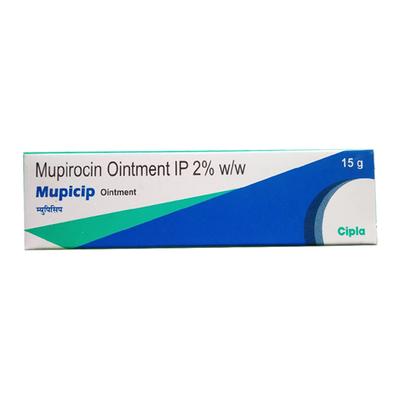
Mupicip Ointment containing mupirocin 2%, is a topical antibiotic indicated for the management of bacterial skin infections caused by Staphylococcus aureus and Streptococcus pyogenes. It is used for managing mild impetigo (school sores), infected hair follicles (folliculitis), recurring boils (furunculosis), and secondary bacterial infections of minor skin lesions, including cuts, abrasions, insect bites, minor wounds, burns, and infected dermatoses. The ointment effectively targets common bacteria responsible for primary and secondary skin infections, including Staphylococci, Streptococci, and E. coli that works by killing certain bacteria, which helps to improve your symptoms and clear the underlying infection.
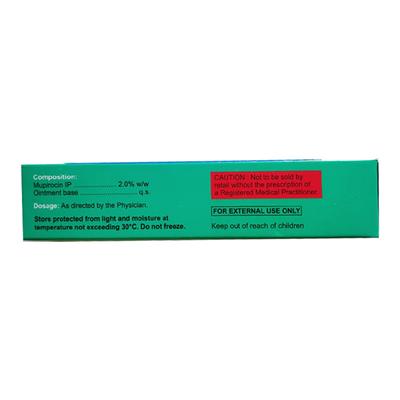
Mupicip Ointment for Bacterial Infection is for external use only. It should be applied to the affected area of the skin as directed by a registered medical practitioner. For best results, use it regularly and preferably at the same time each day. Do not apply larger amounts, use it more frequently, or continue management for longer than prescribed, as this may increase the risk of side effects.
Common side effects of Mupicip Ointment include application site reactions such as burning, irritation, redness, itching, dryness, or rashes. These effects are usually mild and temporary, resolving on their own. If any of these symptoms persist or worsen, consult your doctor.
Avoid contact with your eyes, nose, or mouth. If the ointment accidentally enters these areas, rinse thoroughly with water. Before using this medicine, inform your doctor if you have a history of allergies to this or any other medication. Pregnant or breastfeeding women should consult their doctor before use.
Uses Of MUPICIP OINTMENT
- Manage bacterial skin infections such as folliculitis, impetigo (school sores), and furunculosis
- Manage infections of minor skin injuries, including cuts, scrapes, wounds, burns, insect bites, and other infected areas
Benefits of MUPICIP OINTMENT
01)Supports Faster Healing of Skin Infections
Mupicip Ointment contains Mupirocin 2%, which works by killing bacteria that cause skin infections, helping the affected areas heal more quickly.
02) Helps Manage Common Bacterial Skin Conditions
It is effective in managing conditions such as impetigo (school sores), folliculitis (infected hair follicles), and recurring boils (furunculosis).
03)Promotes Recovery of Minor Skin Injuries
The ointment can be applied to minor cuts, scrapes, wounds, burns, insect bites, and other infected skin areas to support healing and control further infection.
04)Reduces Symptoms Like Redness, Swelling, and Irritation
By targeting the bacteria causing infection, Mupicip Ointment helps relieve discomfort, itching, and inflammation at the affected site.
05) Helps Control the Spread of Infection
Topical application of Mupicip Ointment kills harmful bacteria on the skin, reducing the risk of infection spreading to other areas or people.
06)Supports Overall Skin Health
Regular use as prescribed helps maintain cleaner, healthier skin and supports the natural recovery process after minor infections.
07)Promotes Safe and Effective Use Under Medical Guidance
Mupicip Ointment should be used as directed by a healthcare professional to ensure proper dosage, application, and safety for individual skin conditions.
How MUPICIP OINTMENT Works
Mechanism of Action of Mupicip Ointment
Mupicip Ointment contains Mupirocin, a topical antibiotic that works by killing bacteria responsible for skin infections. It acts locally at the site of application, helping to control infection and promote skin healing when used as directed.
How Mupirocin Controls Bacterial Growth
Mupirocin interferes with bacterial protein production, halting bacteria from growing and multiplying. This helps reduce infection and inhibits its spread to surrounding skin.
Action of Mupicip Ointment on Skin Infections
When applied to affected areas, Mupicip Ointment penetrates the outer layers of the skin to target harmful bacteria directly. This helps to manage conditions like impetigo, folliculitis, and recurring boils under medical supervision.
How Mupicip Ointment Reduces Infection Symptoms
The ointment works by eliminating bacteria, which in turn reduces redness, swelling, pus formation, and irritation, helping the skin recover more comfortably.
How to use MUPICIP OINTMENT
How should Mupicip Ointment be applied correctly?
- Apply Mupicip Ointment only to the affected area of the skin.
- Clean and dry the area before application.
- Avoid applying it to healthy or uninfected skin.
What is the proper way to apply a thin layer to the affected skin?
- Squeeze a small amount of ointment onto a clean fingertip and gently spread it evenly over the infected area in a thin layer.
- Avoid rubbing it too hard.
Are there step-by-step instructions for using Mupicip Ointment?
- Wash your hands thoroughly before and after application.
- Clean and dry the affected skin.
- Apply a thin layer of Mupicip Ointment to the infected area.
- Cover with a sterile bandage if advised by your doctor.
- Repeat as directed by your healthcare professional.
What is the recommended dosage of Mupicip Ointment?
- Use a thin layer of Mupicip Ointment on the affected skin as prescribed by your doctor.
- The exact amount depends on the size and severity of the infection.
How often should it be applied?
- Typically, Mupicip Ointment is applied 2–3 times a day or as instructed by your healthcare provider.
How much ointment should be used each time?
- Apply just enough to cover the affected area with a thin layer, usually a small pea-sized amount per affected area is sufficient.
What are the best practices for applying Mupicip Ointment?
- Wash hands before and after application.
- Apply only to the infected area.
- Do not use larger amounts or for longer than prescribed.
- Avoid contact with eyes, nose, or mouth.
How can proper application be ensured?
- Follow your doctor’s instructions carefully, apply the ointment consistently at the prescribed times, and cover the area if recommended.
- Avoid skipping doses for effective management.
What is the recommended routine for using Mupicip Ointment?
- Apply the ointment at the same times each day, usually 2–3 times daily, maintaining a regular schedule until your doctor confirms the infection has cleared.
Overdose
If you or anyone else accidentally swallowed or used too much of Mupicip Ointment, consult your doctor immediately or visit the nearby hospital.
Side Effects Of MUPICIP OINTMENT
Common:
- Application site reactions such as burning, irritation, redness, itching, dryness, or rashes
When to consult your doctor?
- Severe allergic reactions symptoms such as swelling of the face, lips, tongue, or throat, which can cause difficulty in breathing or swallowing, shortness of breath, wheezing, coughing, raised itchy rash (hives), skin irritation, fainting, or hay fever-like symptoms such as sneezing and a runny nose.
How To Manage Side Effects

Application Site Reactions
• Keep the Area Clean and Dry: Gently clean the affected area before application and keep it dry to reduce irritation.
• Apply a Thin Layer Only: Use a small amount as prescribed to avoid worsening of burning or redness.
• Avoid Scratching or Rubbing: Do not scratch the area, as it may increase irritation or delay healing.
• Use at Recommended Frequency: Do not overuse the ointment, as excessive application may increase skin reactions.
• Protect the Skin: Avoid exposure to harsh chemicals, soaps, or extreme weather on the managed area.
• Seek Medical Advice: Consult your doctor if symptoms persist, worsen, or become severe.
Warning & Precautions

Pregnancy
Consult your doctorIf you are pregnant, think you may be pregnant, or are planning to have a baby, consult your doctor before using Mupicip Ointment.

Breastfeeding
Consult your doctorInform your doctor if you are breastfeeding before applying Mupicip Ointment. It is not known whether this medicine is excreted in human milk. Therefore, consult your doctor before use.

Driving and Using Machines
Use with CautionMupicip Ointment is unlikely to affect your ability to drive or operate machinery.

Kidney
Consult your doctorMupicip Ointment is not recommended for use in patients with severe kidney problems and should be used with caution in those with mild to moderate kidney problems. Consult your doctor before use.

Allergy
ContraindicatedDo not use Mupicip Ointment if you are allergic to mupirocin or any of its ingredients.

Use In Pediatrics
Use with CautionMupicip Ointment should be used with caution in children. Consult a doctor before use.

Use In Geriatrics
Use with CautionMupicip Ointment should be used with caution in elderly patients (above 65 years). Consult your doctor before use.
Other Warnings for MUPICIP OINTMENT
Before taking Mupicip Ointment, inform your physician if you:
- have large areas of open wounds or damaged skin to be managed
Interactions
Drug - Drug interaction
Before using Mupicip Ointment, tell your healthcare provider about all the medicines you take, including prescription and over-the-counter medicines, vitamins, and herbal supplements.
1. Other Topical Antibiotics (e.g., Neomycin, Bacitracin)
o Interaction: Concurrent use with other topical antibiotics may increase the risk of local skin irritation or allergic reactions.
o Effects: Redness, itching, rash, or contact dermatitis at the application site.
o Management: Avoid applying multiple topical antibiotics on the same area unless prescribed. Inform your doctor about all topical medications being used.
2. Topical Corticosteroids (e.g., Hydrocortisone, Betamethasone)
o Interaction: Using mupirocin with topical steroids may mask signs of infection or alter the skin’s immune response.
o Effects: Delayed healing or worsening of infection if misused.
o Management: Use combination therapy only if prescribed. Follow the exact instructions regarding timing and application areas.
3. Other Topical Preparations (e.g., Antifungals, Moisturizers, Cosmetics)
o Interaction: Simultaneous application with other creams or ointments may dilute mupirocin or affect its absorption.
o Effects: Reduced effectiveness of mupirocin or increased irritation.
o Management: Apply mupirocin separately (usually with a gap of 20–30 minutes). Avoid layering multiple products unless directed by a healthcare provider.
4. Polyethylene Glycol (PEG)-Containing Products
o Interaction: Mupirocin ointment base contains polyethylene glycol, which may accumulate when used with other PEG-containing topical or systemic products, especially in patients with kidney issues.
o Effects: Potential systemic toxicity in rare cases, particularly in renal impairment.
o Management: Use cautiously in patients with kidney disease. Avoid excessive or prolonged use on large wounds.
5. Occlusive Dressings or Other Occlusive Topicals
o Interaction: Covering the managed area with occlusive dressings or combining with thick occlusive agents may increase systemic absorption.
o Effects: Increased risk of local irritation or rare systemic side effects.
o Management: Use dressings only if advised by a doctor. Follow instructions on whether to keep the area open or covered.
Synopsis
|
Drug |
: |
Mupirocin |
|
Pharmacological Category |
: |
Antibacterial agents (topical antibiotic) |
|
Therapeutic Indication |
: |
Bacterial skin infections (e.g., impetigo, infected wounds, folliculitis) |
|
Dosage Forms |
: |
Ointment, Cream, Powder |
More Information
01)Why Does Dermatologist Guidance Matter When Using Mupicip Ointment?
Dermatologist guidance is essential when using Mupicip Ointment because it contains mupirocin, a topical antibiotic used to manage bacterial skin infections. Antibiotic-based managements should always be used under medical supervision to ensure correct diagnosis, appropriate duration, and to control antibiotic resistance while achieving safe and effective healing.
1) Accurate Diagnosis of Skin Infection
Not all skin infections are bacterial. Conditions like fungal infections (e.g., ringworm), viral infections (e.g., herpes), eczema, or allergic reactions may appear similar but require different managements. A dermatologist can correctly identify the cause before prescribing Mupicip Ointment.
2) Correct Application and Duration
Mupicip Ointment should be applied in a thin layer to the affected area, usually 2–3 times daily for a limited duration (typically 5–10 days). Overuse or prolonged use may reduce effectiveness and increase the risk of resistance. Professional guidance ensures optimal results.
3) Minimizing Antibiotic Resistance
Improper or excessive use of topical antibiotics can lead to resistant bacteria, making future infections harder to manage. A dermatologist ensures mupirocin is used only when necessary and for the appropriate duration.
4) Reduced Risk of Side Effects
Incorrect use may cause local side effects such as burning, itching, redness, or dryness. In rare cases, allergic reactions can occur. A doctor can guide proper usage and recommend supportive care if irritation develops.
5) Appropriate Use on Wounds and Sensitive Areas
Mupirocin should be used carefully on open wounds, damaged skin, or sensitive areas. Excessive absorption may occur if applied over large areas. A dermatologist can advise where and how safely to apply it.
6) Monitoring management Progress
If the infection does not improve within a few days or worsens, a dermatologist can reassess the condition, confirm the diagnosis, or switch to alternative managements. Monitoring ensures effective and timely healing.
Consumer Safety Note
Mupicip Ointment is intended for bacterial skin infections and should not be used for self-medication or shared with others. Always follow your dermatologist’s instructions to ensure safe, responsible, and effective management.
FAQs About MUPICIP OINTMENT
Q: What is Mupicip Ointment commonly used for?
A: Mupicip Ointment contains mupirocin, a topical antibiotic used to manage bacterial skin infections such as impetigo, infected cuts, wounds, and folliculitis. It works by stopping the growth of bacteria on the skin.
Q: How long does Mupicip Ointment take to show its effect?
A: Improvement is usually seen within 3 to 5 days of regular use. However, the full course (typically 5–10 days) should be completed as prescribed for best results.
Q: How should Mupicip Ointment be applied?
A: Clean and dry the affected area, then apply a thin layer of the ointment 2–3 times daily or as directed by your doctor. Wash your hands before and after application.
Q: Can Mupicip Ointment be used for acne or pimples?
A: It is not typically recommended for routine acne management. Acne often requires different medications unless a bacterial infection is specifically diagnosed.
Q: Can I stop using Mupicip Ointment once symptoms improve?
A: No, you should complete the full prescribed course even if symptoms improve early. Stopping too soon may lead to recurrence or antibiotic resistance.
Q: Are there any side effects of Mupicip Ointment?
A: Common side effects are mild and may include burning, itching, or redness at the application site. Severe allergic reactions are rare but require immediate medical attention.
Q: Can Mupicip Ointment be used on children?
A: Yes, it can be used in children if prescribed by a doctor. The dosage and duration should be carefully followed.
Q: Is Mupicip Ointment safe during pregnancy or breastfeeding?
A: It is generally considered safe when used in small amounts. However, consult your doctor before use, especially if applying near the breast area.
Q: Can Mupicip Ointment be applied inside the nose?
A: Only specific intranasal mupirocin formulations should be used inside the nose. Regular ointment should not be used intranasally unless advised by a doctor.
Q: What should I do if I miss an application?
A: Apply it as soon as you remember. If it is close to the next scheduled application, skip the missed dose, do not apply extra ointment to make up for it
Q: When should I consult a doctor while using Mupicip Ointment?
A: Consult your doctor if there is no improvement within a few days, if the infection worsens, or if you experience severe irritation or allergic reactions.
Q: Can I use mupirocin ointment daily?
A: Yes, mupirocin ointment is usually applied 2–3 times daily as prescribed by your doctor. However, it should only be used for the recommended duration (typically 5–10 days). Prolonged or unnecessary daily use may lead to antibiotic resistance or reduced effectiveness.
Q: Is MUPICIP Ointment safe for all skin types?
A: MUPICIP Ointment is generally safe for most skin types when used as directed. However, some individuals may experience mild irritation, redness, or allergic reactions. If you have sensitive skin or a history of allergies, consult your doctor before use.
References
01. KD Tripathi. Macrolide and other antibacterial antibiotics. Essentials of medical pharmacology. 8th edition. 2013. Page –809.
02.J Rumsfield, D P West, I K Aronson. Topical mupirocin in the treatment of bacterial skin infections. NIH National Library of Medicine, National center for biotechnology information. PubMed Central. Dec 1986. [Accessed 19th March 2026] 
03.A Ward, D M Campoli-Richards. Mupirocin. A review of its antibacterial activity, pharmacokinetic properties and therapeutic use. NIH National Library of Medicine, National center for biotechnology information. PubMed Central. Nov1986. [Accessed 19th March 2026] 
04.Dylan Z. Erwin; Philip Chen. Mupirocin. NIH National Library of Medicine, National center for biotechnology information. PubMed Central. 11 Jan 2024. [Accessed 19th March 2026]
05.Mupirocin 2% Ointment; U.S. Food & Drug Administration; [Revised On March 2018] [Accessed 19th March 2026]
06.MUPIROCIN OINTMENT, 2%; U.S. Food & Drug Administration; [Accessed 19th March 2026]
07.Glenmark Generics Inc. Mupirocin Cream USP, 2% %; U.S. Food & Drug Administration; [Accessed 19th March 2026]
08.GlaxoSmithKline Pharmaceuticals S.A. Bactroban® 2% w/w Ointment; Health Products Regulatory Authority (HPRA) [Revised On July 2021] [Accessed 19th March 2026]
09.Taj Life Sciences Pvt. Ltd. Mupirocin Ointment IP 2% w/w [Accessed 19th March 2026]
10.Southern Cross Pharma Pty Limited. APO-MUPIROCIN ointment. [Revised On Dec 2024] [Accessed 19th March 2026]
Useful Diagnostic Tests
Author Details