






Netmeds First Membership
Quick Links
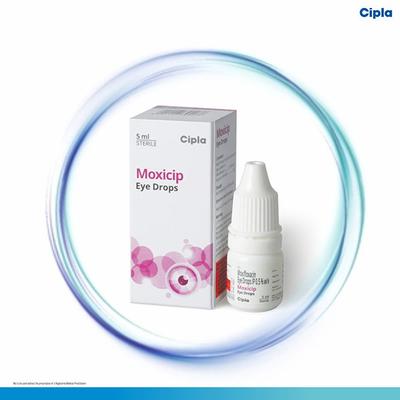
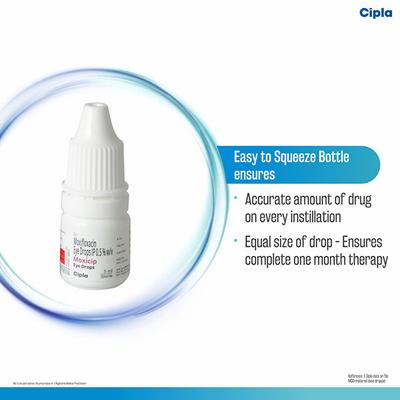
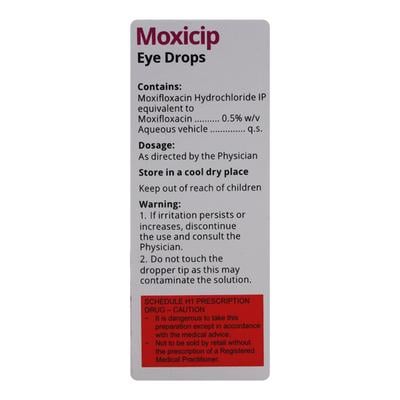
Introduction About MOXICIP EYE DROPS
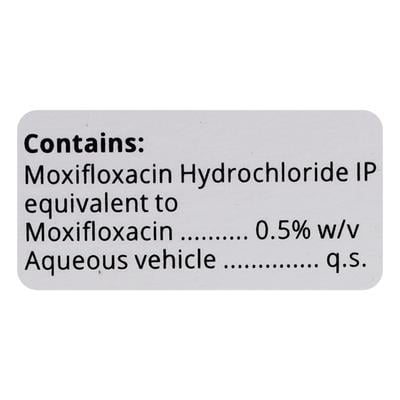
Moxicip Eye Drops is an ophthalmic antibiotic medicine that contains Moxifloxacin, a broad-spectrum fluoroquinolone antibiotic used to manage bacterial infections of the eye. It is commonly prescribed for conditions such as bacterial conjunctivitis (pink eye) and other infections affecting the surface of the eye. The medicine works by eliminating bacteria that cause infection, helping relieve symptoms such as redness, irritation, swelling, and discharge.
Moxicip Eye Drops are intended for topical use in the eyes only and should be used exactly as directed by a healthcare professional. By controlling bacterial growth and preventing their multiplication, the drops help clear the infection and support faster healing of affected eye tissues.
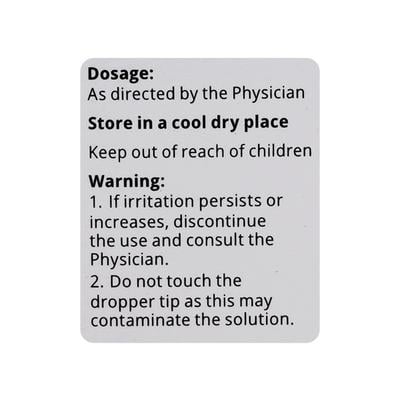
The drops are usually prescribed for a short duration depending on the severity of the infection. Patients are advised to maintain proper hygiene while using the drops, such as avoiding contact between the dropper tip and the eye or fingers to prevent contamination.
Before starting treatment, inform your doctor about any history of eye disorders, allergies to antibiotics, or previous eye surgeries. Some people may experience mild temporary effects such as burning sensation, redness, watery eyes, or blurred vision after applying the drops. These effects are usually temporary and resolve as the eye adapts to the medicine.
Uses Of MOXICIP EYE DROPS
- Management of bacterial conjunctivitis (pink eye)
- Prevents bacterial infection after certain eye procedures or injuries
- Controls redness, irritation, and discharge caused by bacterial infection
Benefits of MOXICIP EYE DROPS
Moxicip Eye Drops for Bacterial Eye Infections
Moxicip Eye Drops contain Moxifloxacin, a powerful antibiotic that targets a wide range of bacteria responsible for eye infections. By destroying harmful bacteria, it helps eliminate infection and prevents it from spreading to surrounding eye tissues. Regular use as prescribed helps reduce common symptoms such as eye redness, itching, discharge, swelling, and irritation. Clearing the infection early also lowers the risk of complications that may affect vision.
Moxicip Eye Drops for Conjunctivitis
Conjunctivitis is a common eye condition characterized by redness, irritation, and watery or sticky discharge. Moxicip Eye Drops work by stopping the growth of bacteria causing the infection, allowing the conjunctiva to heal and restore comfort to the eyes. Consistent use helps shorten the duration of symptoms and promotes faster recovery when used under medical guidance.
How MOXICIP EYE DROPS Works
Mechanism of Action of Moxicip Eye Drops
Moxicip Eye Drops contain Moxifloxacin, which belongs to the class of antibiotics known as fluoroquinolones. It works by blocking bacterial enzymes called DNA gyrase and topoisomerase IV, which are essential for bacterial DNA replication and cell division. When these enzymes are inhibited, bacteria cannot multiply or repair themselves, leading to their destruction. By eliminating the bacteria responsible for infection, the drops help clear the infection and restore normal eye health.
How to use MOXICIP EYE DROPS
- Wash your hands thoroughly before and after using the drops.
- Tilt your head back and gently pull down the lower eyelid to create a small pocket.
- Instill the prescribed number of drops into the lower eyelid pocket.
- Close your eyes gently for 1–2 minutes to allow the medicine to spread evenly.
- Avoid touching the dropper tip to your eye or fingers to prevent contamination.
- Use the medicine exactly as prescribed by your doctor.
- If you are using other eye medications, wait at least 5–10 minutes between applications.
- Do not wear contact lenses while using the drops unless advised by your doctor.
What if I forgot to take MOXICIP EYE DROPS
- If you miss a dose, apply it as soon as you remember.
- If it is almost time for the next dose, skip the missed dose.
- Do not apply extra drops to make up for the missed one.
- Maintaining a consistent dosing schedule helps ensure effective treatment.
Overdose
An overdose is unlikely because the drops are used locally in the eye. However, excessive application may cause irritation, watering, or discomfort. If too many drops are used, rinse the eyes with clean water or saline solution and consult your doctor if irritation continues.
Side Effects Of MOXICIP EYE DROPS
Common
Common side effects may include
- Mild burning or stinging sensation in the eye
- Eye redness or irritation
- Watery eyes
- Blurred vision for a short time after application
- Eye itching or dryness
- Eye discomfort or pain
- Sensitivity to light
When to Seek Medical Attention
Stop using Moxicip Eye Drops and consult your doctor immediately if you experience:
- Severe eye pain or swelling
- Persistent blurred vision
- Severe allergic reaction (rash, swelling, difficulty breathing)
- Increased redness or discharge from the eye
- Sudden changes in vision
How To Manage Side Effects
Eye irritation Or Itching
- Cold Compress: Place a clean cloth soaked in cold water over closed eyes for 5–10 minutes to reduce redness and swelling.
- Wash Eyes with Clean Water: Rinse eyes gently with clean, lukewarm water and blink several times to remove dust or irritants.
- Artificial Tears: Lubricating eye drops can help relieve dryness and keep the eyes moist.
- Cucumber Slices: Place chilled cucumber slices on closed eyes for 10–15 minutes for a soothing and cooling effect.
- Rose Water: Soak cotton pads in pure rose water and place them on closed eyelids for about 10 minutes.
- Proper Eye Rest: Follow the 20-20-20 rule every 20 minutes, look at something 20 feet away for 20 seconds.
- Avoid Rubbing Eyes: Rubbing can worsen irritation and may introduce bacteria into the eyes.
Warning & Precautions

Pregnancy
Consult your doctorMoxicip Eye Drops should be used during pregnancy only if clearly recommended by a doctor. Although it is applied to the eyes and systemic absorption is minimal, pregnant women should always consult their healthcare professional before using it.

Breastfeeding
Use with CautionUse Moxicip Eye Drops with caution while breastfeeding. Doctor consultation is recommended before using the medicine to ensure it is safe for the nursing infant.

Driving and Using Machines
Use with CautionTemporary blurred vision may occur immediately after applying the drops. Avoid driving or operating machinery until your vision becomes clear.

Alcohol
Consult your doctorThere is no known direct interaction with alcohol. However, it is advisable to follow medical guidance and avoid excessive alcohol consumption during treatment.

Kidney
Consult your doctorNo dose adjustment is generally required because the medicine acts locally in the eye. However, patients with kidney conditions should still inform their doctor before use.

Liver
Consult your doctorMoxicip Eye Drops are usually safe for patients with liver disorders since only minimal amounts enter the bloodstream. Consult your doctor if you have liver-related health issues.

Allergy
ContraindicatedDo not use this medicine if you are allergic to Moxifloxacin or other fluoroquinolone antibiotics. Seek medical help if you experience symptoms such as rash, itching, swelling, or breathing difficulty.

Heart Disease
Consult your doctorMoxicip Eye Drops generally do not affect heart function because they are applied locally. However, patients with heart rhythm disorders should inform their doctor before using them.

Use In Pediatrics
Consult your doctorThese eye drops may be prescribed for children when necessary. The dosage and duration should always be determined by a doctor.

Use In Geriatrics
Consult your doctorElderly patients can usually use Moxicip Eye Drops safely. However, they should follow the prescribed dose and consult their doctor if irritation or vision problems persist.
Other Warnings for MOXICIP EYE DROPS
Before using the drops, inform your doctor if you
- Wear contact lenses
- Had recent eye surgery
Who should not take MOXICIP EYE DROPS
Moxicip Eye Drops may not be recommended if you have
- Viral or fungal eye infections
- Severe corneal injury
Safety Advice
- Use only as prescribed: Apply the eye drops exactly as directed by your doctor. Do not use more or less than the recommended dose.
- Maintain proper hygiene: Always wash your hands before and after using the drops to avoid spreading infection.
- Avoid touching the dropper tip: Do not let the dropper touch your eyes, fingers, or any surface, as it may contaminate the medicine.
- Complete the full course: Even if symptoms improve, continue using the drops for the full duration prescribed to prevent the infection from returning.
- Remove contact lenses: Avoid wearing contact lenses while using these eye drops unless your doctor advises otherwise.
- Wait between eye medicines: If you are using other eye drops or ointments, keep a gap of 5–10 minutes between each medication.
- Temporary blurred vision: You may experience mild blurred vision immediately after application. Avoid driving or operating machinery until your vision becomes clear.
- Do not share the medicine: Eye infections can spread easily, so never share your eye drops with others.
- Discard after recommended period: Use the drops within the recommended time after opening the bottle and discard any remaining solution afterward.
- Seek medical advice if symptoms persist: If redness, pain, or irritation continues for several days, consult your doctor for further evaluation.
Diet and Lifestyle Advice
- Maintain good eye hygiene: Wash your hands frequently and avoid touching or rubbing your eyes to prevent the spread of infection.
- Eat a balanced diet: Include foods rich in vitamin A, vitamin C, and antioxidants such as carrots, spinach, oranges, and berries to support overall eye health.
- Stay hydrated: Drink plenty of water throughout the day to help maintain natural eye moisture and reduce dryness.
- Limit screen time: Reduce prolonged use of digital screens. Follow the 20-20-20 rule every 20 minutes, look at something 20 feet away for 20 seconds to reduce eye strain.
- Avoid eye makeup during infection: Cosmetics like mascara or eyeliner may worsen irritation or spread bacteria. Use fresh products only after the infection clears.
- Protect your eyes: Wear sunglasses outdoors to protect your eyes from dust, wind, and bright sunlight.
- Get adequate rest: Proper sleep helps your eyes recover and supports faster healing from infection.
- Avoid contact lenses temporarily: Do not wear contact lenses until your doctor confirms that the infection has completely healed.
1. Moxicip Eye Drops vs Tobramycin Eye Drops
|
Feature |
Moxicip Eye Drops |
Tobramycin Eye Drops |
|
Active Ingredient |
Contains Moxifloxacin |
Contains Tobramycin |
|
Drug Class |
Fluoroquinolone antibiotic |
Aminoglycoside antibiotic |
|
Mechanism of Action |
Stops bacterial DNA replication by inhibiting enzymes like DNA gyrase and topoisomerase IV |
Stops bacterial protein synthesis by binding to the bacterial 30S ribosomal subunit |
|
Primary Use |
Commonly used for bacterial conjunctivitis and other eye infections |
Used for bacterial eye infections such as conjunctivitis, keratitis, and blepharitis |
|
Spectrum of Activity |
Broad-spectrum antibiotic effective against many Gram-positive and Gram-negative bacteria |
Effective mainly against gram-negative bacteria and some Gram-positive bacteria |
|
Dosing Frequency |
Usually applied 3–4 times daily depending on prescription |
Often used every 2 hours initially, then 3–4 times daily depending on severity |
|
Speed of Clinical Response |
Studies show faster early clinical improvement in bacterial conjunctivitis |
Effective but may show slightly slower early improvement compared to moxifloxacin in some studies |
|
Common Side Effects |
Mild burning, irritation, watery eyes, temporary blurred vision |
Eye irritation, redness, eyelid itching, or swelling |
|
Prescription Use |
Used under medical supervision for bacterial eye infections |
Used under medical supervision based on bacterial sensitivity |
Drug - Drug interaction
1. Interaction with Other Antibiotic Eye Drops
- Interaction: Using Moxicip Eye Drops along with other antibiotic eye drops may sometimes reduce effectiveness or increase the risk of irritation if applied simultaneously.
- Management: Doctors usually recommend maintaining a 5–10-minute gap between different eye medications to ensure proper absorption and effectiveness.
2. Interaction with Steroid Eye Drops (e.g., Prednisolone, Dexamethasone)
- Interaction: Combining antibiotic eye drops with steroid eye drops may delay healing or increase the risk of secondary infections if not used properly.
- Management: Use this combination only under medical supervision. Your doctor may monitor the response to treatment and adjust the duration or dosage accordingly.
3. Interaction with Non-Steroidal Anti-Inflammatory Eye Drops (NSAIDs)
- Interaction: When used with NSAID eye drops, there may be a higher chance of eye irritation or delayed corneal healing in some individuals.
- Management: Follow the prescribed dosing schedule carefully and inform your doctor if you notice persistent redness, pain, or discomfort.
4. Interaction with Other Fluoroquinolone Antibiotics
- Interaction: Taking systemic fluoroquinolone antibiotics along with moxifloxacin eye drops may increase the likelihood of antibiotic-related side effects in rare cases.
- Management: Your doctor will evaluate the need for both medicines and monitor for any unusual symptoms.
5. Interaction with Antiarrhythmic Medicines
- Interaction: Some medicines used for heart rhythm disorders may theoretically increase the risk of heart rhythm changes when used with fluoroquinolone antibiotics.
- Management: Although the risk is very low with eye drops, patients with heart conditions should inform their doctor before using the medication.
6. Interaction with Other Ophthalmic Products (Lubricating Drops or Eye Ointments)
- Interaction: Using multiple ophthalmic products together may dilute the antibiotic effect if applied immediately one after another.
- Management: Maintain a minimum interval of 5–10 minutes between different eye medications and apply eye ointments last if prescribed.
7. Interaction with Contact Lens Solutions
- Interaction: Some preservatives in contact lens solutions may irritate the eye when used alongside antibiotic eye drops during an infection.
- Management: Avoid wearing contact lenses until the infection has completely healed and your doctor advises that it is safe to resume use.
Drug - Food interaction
1. Interaction with Caffeine-Containing Beverages (Coffee, Tea, Energy Drinks)
- Interaction: Excessive caffeine intake may cause dryness or irritation in the eyes, which can worsen discomfort during an eye infection.
- Management: Limit caffeine intake and drink more water or herbal teas to help maintain proper eye hydration.
2. Interaction with Sugary or Processed Foods
- Interaction: Diets high in sugar or processed foods may contribute to inflammation in the body, which may affect the body’s ability to fight infections effectively.
- Management: Choose fresh fruits, vegetables, whole grains, and nutrient-rich foods to support faster recovery.
3. Interaction with Dehydration or Low Fluid Intake
- Interaction: Insufficient fluid intake may lead to dry eyes, which can worsen irritation during an eye infection.
- Management: Drink adequate amounts of water throughout the day to help maintain natural eye moisture and comfort.
4. Interaction with Allergenic Foods
- Interaction: In some individuals, foods that trigger allergies may worsen eye itching, redness, or watering.
- Management: Avoid foods that trigger your allergy symptoms and maintain a balanced diet that supports immune health.
Synopsis
|
Drug |
Moxifloxacin |
|
Pharmacological Category |
Fluoroquinolone antibiotic |
|
Therapeutic Indication |
Treatment of bacterial eye infections |
|
Dosage Forms |
Ophthalmic solution (eye drops) |
More Information
Storage
- Store in a cool, dry place away from sunlight.
- Keep out of reach of children and pets.
FAQs About MOXICIP EYE DROPS
Q: What are Moxicip Eye Drops used for?
A: Moxicip Eye Drops are used to treat bacterial infections of the eye such as conjunctivitis (pink eye). They contain Moxifloxacin, an antibiotic that helps stop the growth of bacteria and clear the infection. This helps reduce symptoms like redness, irritation, swelling, and discharge from the eye.
Q: How should I use Moxicip Eye Drops correctly?
A: Wash your hands before using the drops. Tilt your head back, pull down the lower eyelid gently, and instill the prescribed number of drops into the eye. Avoid touching the dropper tip to your eye or fingers. Use the drops exactly as directed by your doctor.
Q: Can I stop using Moxicip Eye Drops once my symptoms improve?
A: Do not stop using the drops suddenly without medical advice, even if your symptoms improve. Stopping early may allow the infection to return. Complete the full course of treatment as prescribed by your doctor.
Q: What are the common side effects of Moxicip Eye Drops?
A: Some people may experience mild burning, irritation, watery eyes, or temporary blurred vision after applying the drops. These effects are usually mild and go away on their own. If symptoms persist or worsen, consult your doctor.
Q: Can Moxicip Eye Drops cause blurred vision?
A: Yes, temporary blurred vision may occur immediately after using the drops. This usually clears within a few minutes. Avoid driving or operating machinery until your vision becomes clear.
Q: Can I wear contact lenses while using Moxicip Eye Drops?
A: It is generally recommended to avoid wearing contact lenses while you have an eye infection or while using the drops. Contact lenses may worsen irritation or slow the healing process.
Q: How long do Moxicip Eye Drops take to work?
A: Many people start noticing improvement in symptoms within a few days of using the drops. However, the full course of treatment should be completed to ensure the infection is fully cleared.
Q: What precautions should I follow while using Moxicip Eye Drops?
A: Wash your hands before and after using the drops and avoid touching the dropper tip. Do not share your eye drops with others. Follow the prescribed dosage and duration. If symptoms worsen or do not improve, seek medical advice.
Q: What lifestyle habits can help while using Moxicip Eye Drops?
A: Maintain good eye hygiene and avoid rubbing your eyes. Rest your eyes regularly, especially if you use screens frequently. Protect your eyes from dust, smoke, and pollution by wearing protective glasses if needed.
Q: Can I use other eye medicines with Moxicip Eye Drops?
A: Yes, but only if prescribed by your doctor. If you are using multiple eye medicines, keep a gap of 5-10 minutes between each medication to ensure proper absorption.
Q: What should I do if my eye irritation or redness worsens?
A: If redness, pain, swelling, or discharge increases, or if you experience vision changes, stop using the drops and consult your doctor immediately for further evaluation.
Q: Can I continue my daily activities while using Moxicip Eye Drops?
A: Yes, most daily activities can be continued. However, avoid activities that may expose your eyes to dust or contaminants, and wait until your vision is clear before driving.
Q: What should I do if I accidentally use more drops than prescribed?
A: Using extra drops occasionally is unlikely to cause serious harm, but it may cause irritation or watering. Rinse your eyes with clean water if needed and consult your doctor if discomfort continues.
References
1. KD. Tripathi. Sulfonamides, Cotrimoxazole and Quinolones. Essentials of medical pharmacology. Eighth edition. 2013. Page-764.
2. Darlene Miller. Review of moxifloxacin hydrochloride ophthalmic solution in the treatment of bacterial eye infections. NIH National Library of Medicine, National center for biotechnology information. PubMed Central. [Revised in March 2008]. [Accessed on 12th March 2026] 
3. Panel Barry A.SchlechPhD, EduardoAlfonsoMD. Overview of the Potency of Moxifloxacin Ophthalmic Solution 0.5% (VIGAMOX®). Science Direct. [Revised in November 2005]. [Accessed on 12th March 2026] 
4. Alcon Laboratories, Inc. U.S. Food & Drug Administration [Accessed on 12th March 2026]
5. Maxim gel. His eyeness ophhalmics. [Accessed on 12th March 2026]
Author Details