


Netmeds First Membership
Quick Links
Introduction About MENI 4MG TABLET
MENI 4MG TABLET contains Betahistine which belongs to the group of medicines called Antivertigo agents. It is used to manage signs of Meniere’s disease. Meniere’s disease is a disorder of the inner ear that causes episodes of dizziness, vertigo, tinnitus (ringing in the ears), nausea and problems in hearing.
Before taking MENI 4MG TABLET inform your doctor if you have asthma or have or had any stomach ulcers. You must also inform your doctor if you have low blood pressure or any underlying allergic conditions (such as skin rash, allergic rhinitis etc.)
MENI 4MG TABLET is not suitable for use in patients with vertigo and dizziness caused due to other head or brain problems apart from Meniere’s disease. It is also not recommended for use in pregnant or breastfeeding women unless considered necessary by the physician.
The most common side effects of taking MENI 4MG TABLET are headache, nausea, stomach pain and indigestion. Taking this medicine with food may reduce these unpleasant gastrointestinal disturbances. However, consult your doctor if they trouble you.
Uses Of MENI 4MG TABLET
- Manage Meniere’s disease (signs including dizziness, vertigo, tinnitus, nausea and hearing problems)
How MENI 4MG TABLET Works
MENI 4MG TABLET is a histamine analogue with anti-motion sickness and vasodilating properties. It reduces the unpleasant symptoms of Meniere’s disease (such as nausea, dizziness, vertigo and tinnitus) by improving the blood supply to the inner ear.
How to use MENI 4MG TABLET
Take MENI 4MG TABLET as advised by your physician. It can be taken with or without food.
For Tablets: Swallow the medicine with a glass of water. Do not crush or chew the medicine.
For Mouth Dissolving Tablet, Orally Disintegrating Tablet: Place the medicine inside your mouth and let it dissolve completely. Do not swallow or chew the medicine.
Your doctor will decide the correct dose and duration of therapy for you depending on your age, body weight and severity of the disease.
Side Effects Of MENI 4MG TABLET
Common
- Nausea
- Indigestion, bloating
- Stomach pain
- Headache
Rare
Stop taking MENI 4MG TABLET and contact your doctor immediately if you experience any of the following side effects:
- Severe allergic reactions (such as lumpy red skin rashes with itching, swelling of your face, lips, tongue or neck, drop in your blood pressure and difficulty in breathing)
How To Manage Side Effects
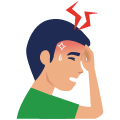
Headache
Rest and relax. Keep yourself hydrated by drinking plenty of fluids such as water or electrolytes. Applying a pain-relieving balm on your forehead can be beneficial. Do not consume excessive alcohol, as it could aggravate your headache. Consult your doctor if your headache worsens.
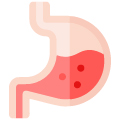
Indigestion
Eat smaller and more frequent meals. Eat and drink slow and exercise regularly. Eat plenty of foods that are rich in fibre such as vegetables, fresh fruits and cereals and drink plenty of water. If the symptom does not improve, contact your doctor.

Nausea And Vomiting
Take MENI 4MG TABLET with or after meals. Stick to simple meals. Avoid eating oil-rich or spicy foods. Consult your doctor if the nausea worsens.
Warning & Precautions

Pregnancy
Monitoring requiredMENI 4MG TABLET should not be used in pregnant women unless considered necessary by the physician. Therefore, inform your doctor before taking MENI 4MG TABLET if you are pregnant or think you may be pregnant.

Breastfeeding
Monitoring requiredMENI 4MG TABLET is not recommended for use in breastfeeding women unless considered necessary by the physician. Therefore, consult your doctor before taking it.

Driving and Using Machines
SafeMENI 4MG TABLET does not affect your ability to drive or handle any heavy tools or machines. However, do not drive or operate any heavy tools or machines if you experience any unusual side effects.

Allergy
ContraindicatedDo not take MENI 4MG TABLET if you are allergic to Betahistine.

Lungs
Use with CautionMENI 4MG TABLET should be used with caution in patients with asthma. Therefore, consult your doctor before taking it.

Use In Pediatrics
ContraindicatedMENI 4MG TABLET is not recommended for use in children and adolescents (aged below 18 years). Therefore, consult your doctor for advice.

Use In Geriatrics
Use with CautionMENI 4MG TABLET should be used with caution in elderly patients (aged above 75 years). Therefore, consult your doctor before taking it.
Others
MENI 4MG TABLET is not recommended for use if you:
- Have pheochromocytoma (tumour of the adrenal gland)
- Have other types of vertigo (such as benign positional vertigo) caused due to other head problems and not due to Meniere’s disease
- Are experiencing dizziness due to any underlying brain conditions and not due to Meniere’s disease
Before taking MENI 4MG TABLET, inform your doctor if you:
- Have or ever had stomach ulcers
- Currently have any allergic reactions (such as skin rash with itching, nasal block or allergic rhinitis)
- Have low blood pressure
Interactions
A. Drug - Drug interactions:
- monoamine oxidase inhibitors (Ex. isocarboxazid, phenelzine, selegiline, tranylcypromine)
Overdosage:
If you or anyone else accidentally took more MENI 4MG TABLET, consult your doctor immediately or visit the nearby hospital. Symptoms of an overdose might include nausea, sleepiness, stomach pain, fast heartbeat, low blood pressure, shortness of breath with a feeling of suffocation (bronchospasm) an accumulation of fluids in the tissues (oedema) and fits.
Synopsis
| Drug | : | Betahistine |
| Pharmacological Category | : | Histamine analogue |
| Therapeutic Indication | : | Meniere’s disease |
| Dosage Forms | : | Tablet, Oral disintegrating tablets, Oral disintegrating strips |
More Information
FAQs About MENI 4MG TABLET
Q: What is MENI 4MG TABLET and why is it given?
A: MENI 4MG TABLET is a histamine analogue. It is used to manage signs of Meniere’s disease such as episodes of dizziness, vertigo, tinnitus (ringing in the ears), nausea and problems in hearing.
Q: Will MENI 4MG TABLET help with ear buzzing?
A: Yes. MENI 4MG TABLET is an antivertigo medicine with anti-motion sickness and vasodilating properties. It reduces tinnitus (ringing sound in the ear) and vertigo associated with Meniere’s disease by improving the blood supply to the inner ear that controls hearing, balance and posture.
Q: Does MENI 4MG TABLET affects my ability to drive?
A: MENI 4MG TABLET does not affect your ability to drive or handle any heavy tools or machines. However, do not drive or operate any heavy tools or machines if you experience any unusual side effects.
Q: Can MENI 4MG TABLET cause stomach discomfort?
A: MENI 4MG TABLET may cause stomach discomfort, indigestion, bloating and nausea in a few individuals. To manage this, take MENI 4MG TABLET with food. However, contact your doctor if these symptoms trouble you. You must also inform your doctor before taking MENI 4MG TABLET if you already have stomach ulcers.
Q: Can MENI 4MG TABLET be used in pregnant or breastfeeding women?
A: MENI 4MG TABLET is not recommended for use in pregnant or breastfeeding women unless considered necessary by the physician. Therefore, consult your doctor for advice before taking it.
Q: What is the best time to take MENI 4MG TABLET?
A: Take MENI 4MG TABLET as directed by your physician. It must be taken after meals to avoid unwanted gastrointestinal disturbances. Your doctor will decide the correct dose, duration of therapy and time of administration for you depending on your age, body weight and disease condition.
Q: Does MENI 4MG TABLET control vertigo?
A: Yes. MENI 4MG TABLET is an antivertigo medicine with anti-motion sickness and vasodilating properties. It corrects vertigo by improving the blood supply to the inner ear that controls hearing, balance and posture.
Q: What are the side effects of MENI 4MG TABLET?
A: The most common side effects of taking MENI 4MG TABLET are headache, nausea and indigestion. Consult your doctor if they trouble you.
Q: Who should not take MENI 4MG TABLET?
A: MENI 4MG TABLET should not be used in patients allergic to betahistine. It is also not suitable for use in patients with vertigo and dizziness caused due to other head or brain problems apart from Meniere’s disease. It is not recommended for use in patients with phaeochromocytoma and in pregnant or breastfeeding women unless considered necessary by the physician.
Q: Is MENI 4MG TABLET addictive in nature?
A: No. MENI 4MG TABLET is not addictive in nature and you can take it as long as it benefits you. If you are doubtful, consult your doctor for advice.
Q: Can MENI 4MG TABLET be used in children?
A: MENI 4MG TABLET is not recommended for use in children and adolescents (aged below 18 years). Therefore, consult your doctor for advice.
Q: Can I stop taking MENI 4MG TABLET once my symptoms subside?
A: Do not stop taking MENI 4MG TABLET without consulting your doctor even if you feel better during the midway of the therapy. Make sure to take MENI 4MG TABLET for the stipulated duration recommended by your doctor to achieve better results.
Q: What to do if I forgot to take a dose of MENI 4MG TABLET?
A: If you forgot to take a dose of MENI 4MG TABLET, take it as soon as you remember. However, if it is time for the next dose of MENI 4MG TABLET, skip the missed dose and take the next one regularly. Do not take a double dose of MENI 4MG TABLET to compensate for the missed ones.
References
1. K.D. Tripathi. Histamine and Anti-Histaminics. Essentials of medical pharmacology. Seventh edition. 2013. Page – 163.
2. Vladimir A. Parfenov, Volodymyr A. Golyk, Eduard I. Matsnev, Svetlana V. Morozova, Oleg A. Melnikov, Ludmila M. Antonenko, Elena E. Sigaleva, Maksym I. Situkho, Olena I. Asaulenko, Vasyl I. Popovych and Maxim V. Zamergrad. Effectiveness of betahistine (48 mg/day) in patients with vestibular vertigo during routine practice: The VIRTUOSO study. PLOS ONE. March 2017. [Accessed on 9th July 2024] https://journals.plos.org/plosone/article?id=10.1371/journal.pone.0174114
3. Jing Hui, Qi Lei, Zhi Ji and Dingjing Zi. Betahistine alleviates benign paroxysmal positional vertigo (BPPV) through inducing production of multiple CTRP family members and activating the ERK1/2-AKT/PPARy pathway. NIH. National Library of Medicine. National Center for Biotechnology Information. PMC. PubMed Central. April 2022. [Accessed on 9th July 2024] https://www.ncbi.nlm.nih.gov/pmc/articles/PMC8981858/
4. Adrian James, Martin J Burton. Betahistine for Menière's disease or syndrome. NIH National Library of Medicine, National Centre for Biotechnology. PubMed Central. January 2001. [Accessed on 9th July 2024] https://www.ncbi.nlm.nih.gov/pmc/articles/PMC6769057/
5. Milpharm Limited. Electronic Medicines Compendium (EMC). [Revised in January 2022] [Accessed on 9th July 2024] https://www.medicines.org.uk/emc/files/pil.7052.pdf
6. Central Drugs Standard Control Organisation. Betahistine. [Accessed on 9th July 2024]. https://cdscoonline.gov.in/CDSCO/Drug
Author Details