



Netmeds First Membership
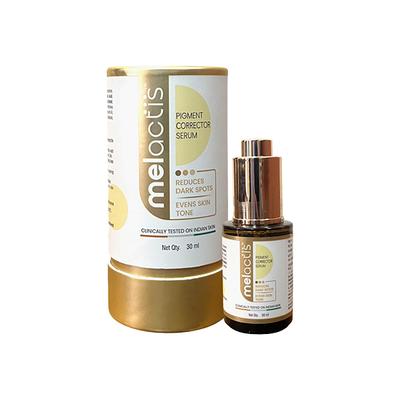
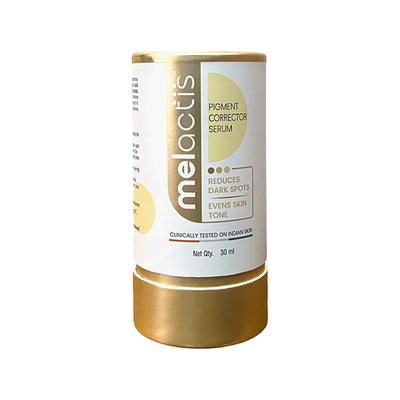
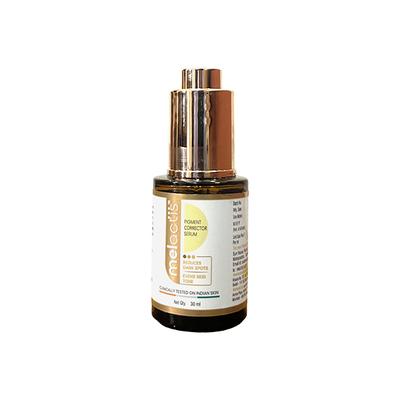
Introduction About MELACTIS PIGMENT CORRECTOR SERUM
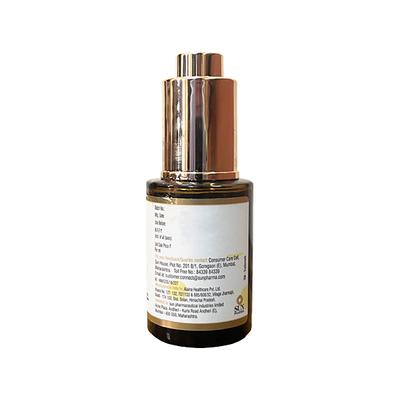
Melactis Pigment Corrector Serum 30 mL is a topical pigmentation-care serum formulated with glycolic acid, niacinamide, alpha arbutin, diglucosyl gallic acid, phenylethyl resorcinol, kojic acid, allantoin, glycerin, and supportive skin-conditioning ingredients. It is designed to help improve the appearance of dark spots, post-inflammatory pigmentation, acne marks, uneven skin tone, dullness, and rough skin texture. Glycolic acid provides gentle surface exfoliation, while ingredients such as alpha arbutin, kojic acid, phenylethyl resorcinol, and diglucosyl gallic acid are included for pigmentation-focused care; niacinamide and allantoin help support the skin barrier and comfort. The product is marketed as dermatologically tested and clinically tested on Indian skin.
Melactis is suitable for adults seeking targeted cosmetic care for uneven pigmentation, post-acne marks, and sun-related discoloration, particularly when the skin is otherwise intact and not significantly irritated. For use, gently cleanse the face and pat it dry, then apply approximately two drops to the forehead, cheeks, nose, and chin and spread evenly with clean fingertips without vigorous rubbing. Product information recommends once-daily use at night, followed by a moisturizer after absorption, while a broad-spectrum sunscreen should be used during the daytime. Introducing the serum gradually may be helpful for sensitive skin because glycolic acid can cause temporary tingling, dryness, peeling, or irritation.
Because the formulation contains glycolic acid and several pigment-modulating ingredients, avoid applying it to broken, sunburned, actively irritated, or inflamed skin and avoid contact with the eyes, eyelids, lips, and other mucous membranes. Do not combine it in the same routine with multiple strong exfoliating acids or topical retinoids unless advised by a dermatologist, as this may increase irritation. Daily sun protection is particularly important because alpha-hydroxy acids such as glycolic acid can increase skin sensitivity to sunlight. Stop use and seek dermatological advice if there is persistent burning, marked redness, swelling, blistering, or another suspected allergic reaction.
During pregnancy, the available product information advises seeking medical advice before use. This formulation does not contain a topical retinoid, and glycolic acid is among topical ingredients that dermatology guidance considers potentially usable during pregnancy when needed; however, pregnancy-specific safety data for the complete Melactis combination are limited, so individualized advice from an obstetrician or dermatologist is appropriate. During breastfeeding, topical glycolic acid is expected to have low systemic absorption, but the complete formulation has not been extensively studied; avoid applying the serum to the breast or areas that could come into direct contact with the infant. Common local effects can include mild tingling, dryness, tightness, redness, peeling, or temporary irritation, particularly when first introduced. Patch testing and gradual introduction may help improve tolerability.
Uses Of MELACTIS PIGMENT CORRECTOR SERUM
- To reduces dark spots and Post inflammatory Hyper pigmentation
Benefits of MELACTIS PIGMENT CORRECTOR SERUM
- Helps reduce the appearance of dark spots and hyperpigmentation.
- Supports a more even-looking skin tone and improved skin radiance.
- Helps improve the appearance of post-inflammatory hyperpigmentation, including marks left after acne or minor skin inflammation.
- Helps improve the appearance of dullness and rough skin texture as part of a regular skincare routine.
- The combination of exfoliating, pigment-focused, barrier-support
How MELACTIS PIGMENT CORRECTOR SERUM Works
- Brightenyl works by modulating melanogenesis through activation of PPAR-γ, reducing tyrosinase activity and melanin production while also providing antioxidant protection to improve skin brightness.
- Alpha Arbutin inhibits tyrosinase enzyme activity, thereby decreasing melanin synthesis and helping to reduce hyperpigmentation and dark spots.
- Phenyl Ethyl Resorcinol acts as a potent tyrosinase inhibitor and antioxidant, effectively reducing melanin formation and improving skin tone.
- Niacinamide reduces the transfer of melanosomes from melanocytes to keratinocytes, helping to even out skin tone while also improving barrier function and reducing inflammation.
- Osmogeline helps maintain cellular hydration and osmotic balance, supporting skin barrier function and improving skin smoothness and resilience.
- Glycolic Acid exfoliates the skin by breaking down corneocyte cohesion, promoting cell turnover and enhancing the removal of pigmented keratinocytes.
- L-Arginine acts as a precursor for nitric oxide, promoting microcirculation and supporting skin repair and hydration.
- Allantoin soothes and protects the skin by promoting cell regeneration and providing anti-irritant and moisturizing effects.
How to use MELACTIS PIGMENT CORRECTOR SERUM
- Gently wash your face and pat dry, apply 2 drops of the serum to the forehead, cheeks, nose, and chin, spread gently with fingertips without aggressive rubbing, allow it to fully absorb before applying moisturizer, and use once daily at night or as advised by your dermatologist while applying sunscreen during the day
- For external use only.
- Avoid contact with eyes, eyelids and mucous membranes. If contact occurs, rinse thoroughly with water.
- Do not apply to broken, sunburned or irritated skin.
- A mild tingling sensation may occur due to glycolic acid.
Sun Protection Warning
- Because this formulation contains 6% glycolic acid, it may increase skin sensitivity to sunlight. Use a broad-spectrum sunscreen (SPF 30 or higher), wear protective clothing, and limit sun exposure during use and for at least one week after discontinuation.
- This precaution is consistent with established recommendations for alpha hydroxy acid-containing cosmetic products
Side Effects Of MELACTIS PIGMENT CORRECTOR SERUM
Possible effects include:
- Mild tingling or stinging after application.
- Temporary redness.
- Dryness or skin tightness.
- Mild peeling or flaking.
- Increased sensitivity or irritation.
- Itching or discomfort at the application site.
- Rarely, a sensitivity or allergic reaction to one of the ingredients.
These reactions are more likely in people with sensitive or reactive skin. Patch testing before regular use and gradual introduction may improve tolerability. Discontinue use and seek dermatological advice if there is significant burning, swelling, blistering, persistent redness, or another severe reaction.
Warning & Precautions

Pregnancy
Consult your doctorPregnancy-specific safety data for the complete Melactis formulation are limited. Pregnant women should discuss use with their dermatologist or obstetrician before starting it.

Breastfeeding
Consult your doctorDuring breastfeeding, obtain professional advice before regular use, particularly when applying the product over large areas. Do not apply the serum to the breast or nipple area where it could come into direct contact with an infant.

Allergy
ContraindicatedDo not use Melactis Pigment Corrector Serum if you are allergic to any of its ingredients. Stop using the serum and seek medical advice if you develop persistent redness, swelling, rash, or other signs of an allergic reaction.

Use In Pediatrics
Consult your doctorMelactis is a facial pigmentation-care serum intended primarily for adult skincare. Use in children or adolescents should be guided by a dermatologist, particularly because the formulation contains an active exfoliating acid.

Use In Geriatrics
Consult your doctorNo specific information is available regarding the use of Melactis Pigment Corrector Serum in older adults. Consult your doctor before use.
Drug - Drug interaction
Other Exfoliating Acids
Avoid routinely combining it in the same skincare session with strong exfoliating products containing:
- Glycolic acid
- Lactic acid
- Salicylic acid
- Other alpha-hydroxy or beta-hydroxy acids
Using several exfoliating products together may increase dryness, burning, redness, peeling, and skin-barrier irritation.
Topical Retinoids
Use caution when combining with:
- Tretinoin
- Adapalene
- Tazarotene
- Other retinoid-containing products
Both glycolic acid and retinoids can increase irritation when used together. Combination use should preferably follow a dermatologist's advice.
Other Pigmentation Actives
Using several strong pigment-correcting products simultaneously may increase irritation without necessarily providing additional benefit. Particular caution is appropriate when combining Melactis with multiple products containing strong acids or other highly active pigmentation ingredients.
Prescription Topical Medicines
If using a prescribed steroid, antibiotic, antifungal, retinoid, or other medicated cream on the same area, consult your dermatologist regarding the order and timing of application.
Synopsis
|
Drug |
Brightenyl, Alpha Arbutin, Phenyl Ethyl Resorcinol , Niacinamide, Glycolic Acid, Osmogeline, L-Arginine, Allantoin |
|
Pharmacological Category |
Topical Skin Brightening and Pigment-Correcting Cosmetic Serum |
|
Therapeutic Indication |
Used as part of a skincare routine for dark spots, post-inflammatory hyperpigmentation, uneven skin tone, dull-looking skin, post-acne marks, and skin discoloration. |
|
Dosage Forms |
Serum |
More Information
1) Why are pigment-correcting skincare routines becoming increasingly popular?
Growing Awareness of Uneven Skin Tone
Many people are becoming more aware of concerns such as uneven skin tone, dark spots, and post-acne marks, leading to increased interest in targeted skincare routines.
Increased Interest in Active Skincare Ingredients
Ingredients such as Alpha Arbutin, Brightenyl, Niacinamide, and Glycolic Acid are widely recognized for supporting a brighter and more even-looking complexion.
Rise of Daily Skincare Habits
Regular skincare routines that include cleansing, moisturizing, and serums have become an important part of everyday skin care for many individuals.
Influence of Digital Skincare Education
Dermatologist-led educational content and skincare awareness campaigns have made ingredient-focused skincare easier to understand.
Demand for Simple Skincare Solutions
Many individuals prefer lightweight serums that are easy to incorporate into both morning and evening skincare routines.
Focus on Healthy-Looking Skin
There is growing interest in maintaining smooth, hydrated, and radiant-looking skin through consistent skincare practices.
2) Why is sunscreen commonly recommended with glycolic acid-containing skincare products?
Increased Skin Sensitivity to Sunlight
Glycolic Acid may increase the skin's sensitivity to sunlight, making sun protection an important part of daytime skincare.
Supporting Daily Skincare Habits
Using sunscreen alongside active skincare ingredients complements a well-balanced daytime skincare routine.
Maintaining a Healthy-Looking Complexion
Daily sun protection supports the overall appearance of the skin while using exfoliating skincare products.
Importance of Consistency
Following a regular skincare routine with sunscreen, moisturizer, and appropriate skincare products contributes to better skincare habits.
Building a Complete Skincare Routine
Combining cleansing, serum application, moisturizing, and sunscreen helps create a simple and consistent skincare routine.
Everyday Skin Care Awareness
Growing public awareness has encouraged many people to learn more about active skincare ingredients and their proper use.
FAQs About MELACTIS PIGMENT CORRECTOR SERUM
Q. What is Melactis Pigment Corrector Serum used for?
A. Melactis Pigment Corrector Serum is commonly included in skincare routines for concerns such as dark spots, post-inflammatory hyperpigmentation, uneven skin tone, dull-looking skin, and post-acne marks.
Q. How does Melactis Pigment Corrector Serum work?
A. It combines brightening, exfoliating, hydrating, and skin-conditioning ingredients that work together to support a brighter, smoother, and more even-looking complexion.
Q. How should Melactis Pigment Corrector Serum be applied?
A. Apply a few drops to clean, dry skin exactly as directed on the product label or by your doctor. Allow the serum to absorb before applying a moisturizer.
Q. Can Melactis Pigment Corrector Serum be used every day?
A. Follow the application instructions provided on the product label or the advice given by your doctor. The frequency of use may vary depending on individual skin needs.
Q. Is a patch test recommended before first use?
A. Yes. A patch test is recommended before first use, especially if you have sensitive skin or a history of reactions to skincare products.
Q. Can I apply moisturizer after using Melactis Pigment Corrector Serum?
A. Yes. Apply a moisturizer after the serum has been completely absorbed into the skin.
Q. Should sunscreen be used while applying this serum?
A. Yes. Since the serum contains Glycolic Acid, applying a broad-spectrum sunscreen during the daytime is recommended as part of your daily skincare routine.
Q. Can Melactis Pigment Corrector Serum be used with other skincare products?
A. Inform your doctor about any topical medicines or active skincare products you are using before combining them with this serum.
Q. What should I do if the serum accidentally gets into my eyes?
A. Rinse your eyes thoroughly with plenty of water. If discomfort continues, consult your doctor.
Q. What are the common skin responses after applying Melactis Pigment Corrector Serum?
A. Some individuals may experience mild redness, dryness, peeling, tingling, or a mild burning sensation, particularly during the initial period of use.
Q. How should Melactis Pigment Corrector Serum be stored?
A. Store the serum in a cool, dry place away from direct sunlight, keep the bottle tightly closed after each use, and keep it out of the reach of children.
References
1. Lillian C Becker 1, Wilma F Bergfeld, Donald V Belsito, Curtis D Klaassen, James G Marks Jr, Ronald C Shank, Thomas J Slaga, Paul W Snyder, F Alan Andersen.Final report of the safety assessment of allantoin and its related complexes. National Library of Medicine, National Center for Biotechnology Information. PubMed central 2010 May [Accessed date 25/09/2026] 
2. Cosmetic Ingredient Review Expert Panel. Final report of the safety assessment of niacinamide and niacin. National Library of Medicine, National Center for Biotechnology Information. PubMed central [Accessed date 25/09/2026] 
3. Safety Assessment of Alpha Hydroxy Acids as Used in Cosmetics. Release Date: November 15, 2013. [Accessed date 25/09/2026]
4. Scientific Committee on Consumer Safety. on the safety of alpha-arbutin and beta-arbutin in cosmetic products. 31 January 2023 [Accessed date 25/09/2026]
5. N Chimanlal Enterprises. Melactis Pigment Corrector Serum [Accessed date 25/09/2026]
Author Details