



Netmeds First Membership
Quick Links
Introduction About MEFTAL P TABLET
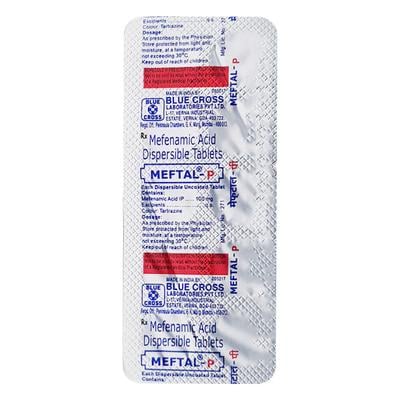
Meftal P Tablet contains Mefenamic acid, which belongs to the non-steroidal anti-inflammatory drug (NSAID) category. It is commonly prescribed for the short-term management of pain and fever in children, as advised by a registered medical practitioner. It is generally recommended for the symptomatic management of fever in children above 6 months of age, as well as for dental discomfort, ear pain, throat irritation or soreness, and mild to moderate body pain.
Meftal pworks by decreasing the production of certain chemical messengers (prostaglandins) in the body that are responsible for pain, swelling, and increased body temperature.
The dispersible tablet should be reconstituted by adding an adequate amount of clean potable water (5–10 ml) immediately before administration. Stir well until the tablet is completely dispersed in the water and administer the prepared mixture promptly.
Meftal P Tablet should be used with caution in individuals with a history of stomach ulcers or kidney or liver conditions. Pregnant or breastfeeding individuals should use this medicine only under strict medical supervision. Common side effects may include mild stomach discomfort, nausea, headache, loose stools, and dizziness.
Uses Of MEFTAL P TABLET
It is mainly used for:
• Fever in children above 6 months of age
• Mild to moderate body pain
• Dental pain or discomfort
• Ear pain
• Throat irritation or soreness
Benefits of MEFTAL P TABLET
1)Reduces Fever in Children
Helps lower high body temperature in children above 6 months of age when prescribed by a doctor. It works by reducing certain substances in the body that cause fever.
2)Relieves Mild to Moderate Pain
Provides short-term relief from mild to moderate pain associated with infections or minor illnesses. It helps ease discomfort and improves overall comfort.
3)Eases Toothache and Dental Discomfort
May be prescribed for tooth-related pain, including discomfort after dental procedures. It helps reduce pain-causing substances in the body.
4)Helps Manage Ear and Throat Pain
Provides relief from earache, throat irritation, and soreness commonly seen during infections, when used under medical supervision.
5)Reduces Body Ache
May help relieve body pain caused by viral infections, seasonal illnesses, or minor inflammatory conditions.
6)Easy-to-Administer Dispersible Form
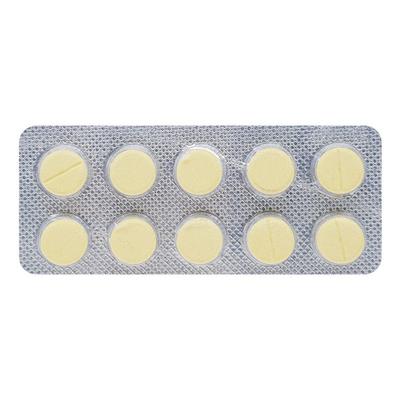
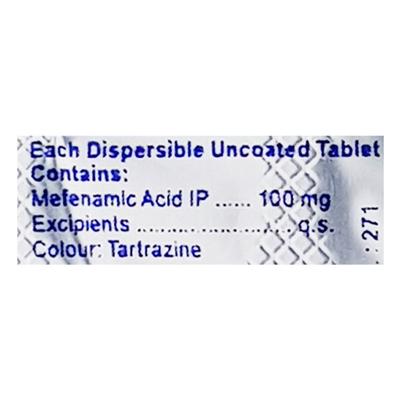
Available as a 100 mg dispersible tablet that can be dissolved in a small amount of water, making it easier for children to take and ensuring accurate dosing.
How MEFTAL P TABLET Works
Meftal-P Tablet works through the action of mefenamic acid, which belongs to the NSAID (non-steroidal anti-inflammatory drug) group. Its mechanism involves the following key steps:
1. Inhibits Prostaglandin Formation
-
Mefenamic acid blocks enzymes called COX-1 and COX-2 (cyclo-oxygenase enzymes).
-
These enzymes normally help the body produce prostaglandins, chemicals that contribute to discomfort and temperature elevation.
-
By reducing prostaglandin levels, Meftal-P helps lower excessive physiological responses related to these chemicals.
2. Modulates Pain Signalling Pathways
-
Lower prostaglandin levels mean fewer signals are transmitted to the brain by nerve endings.
-
This helps reduce the intensity of discomfort felt in the body.
3. Helps Regulate Elevated Temperature
-
Prostaglandins also act on the thermoregulatory center of the brain.
-
By reducing prostaglandins, mefenamic acid supports normalization of elevated body temperature signals.
4. Provides Dual Action
-
Its combined prostaglandin-blocking and signal-modulating activity offers a broader control of physiological discomfort in children when recommended by healthcare professionals.
How to use MEFTAL P TABLET
How to Take Meftal-P Tablet
- Dissolve the tablet in 5–10 ml of clean water just before giving it to your child. Stir well and give it immediately. Always follow your doctor’s instructions.
- The dose depends on the child’s age and weight. A doctor should decide the exact amount to make sure it is safe and effective.
Recommended Way to Give the Dose
- Check the prescribed dose before each administration.
- Give the tablet after meals, unless the healthcare provider suggests otherwise.
- Use a consistent dosing schedule to maintain regularity.
- Ensure the child drinks adequate water after taking the dose.
Daily Timing and Frequency
- The tablet is generally given as needed, with the duration and frequency decided by the healthcare provider.
- Ensure proper gaps between doses, as instructed.
How to Calculate Meftal P Dose Based on Body Weight
Doctors calculate the dose according to the child’s weight. Parents should not change the dose on their own and should follow medical advice carefully.
What if I forgot to take MEFTAL P TABLET
- Give the missed dose as soon as you remember, only if it is not close to the next scheduled dose.
- If it is nearly time for the next dose, skip the missed dose.
- Do not double the dose under any circumstances.
Side Effects Of MEFTAL P TABLET
Common:
- mild stomach discomfort
- nausea
- Headache
- loose stools
- dizziness
How To Manage Side Effects

Headache
- Stay Hydrated: Drink plenty of water throughout the day to help ease headache symptoms.
- Rest in a Quiet Environment: Minimize noise and bright lights by resting in a calm, dark room.
- Use Over-the-Counter Pain Relief: Consult your doctor about using mild pain relievers like acetaminophen to alleviate headaches.
- Avoid Stressful Activities: Limit activities that increase stress or physical exertion when experiencing headaches.
- Seek Medical Advice: Contact your healthcare provider if headaches become severe, persistent, or are accompanied by other symptoms.

Nausea And Vomiting
- Keep Yourself Hydrated: Take small, frequent sips of water, ginger tea, or clear soups to control dehydration.
- Eat Light Foods: Choose simple, bland foods like toast, crackers, or plain rice that are easy on the stomach.
- Avoid Strong Smells and Spicy Foods: These may trigger or worsen nausea.
- Take Adequate Rest: Sit or lie down in a comfortable position and avoid sudden movements.
- Consult a doctor if Needed: Seek medical advice if nausea is severe, does not improve, or is accompanied by repeated vomiting.
Warning & Precautions

Pregnancy
ContraindicatedMeftal p is not usually recommended during pregnancy. Although birth defects are rare, they have been reported with NSAID use. This medicine should not be used in the third trimester, as it can affect the baby’s heart and cause early closure of a blood vessel. It may also delay labour, make it longer, and increase the risk of bleeding in both mother and baby. During the first and second trimesters, Meftal p should only be taken if prescribed by a doctor and if the expected benefits outweigh the potential risks to the baby.

Breastfeeding
Use with CautionMeftal p may pass into breast milk in small amounts and is generally used with caution during breastfeeding. Always consult your doctor before taking it.

Kidney
Consult your doctorPatients with existing kidney problems should use with caution. It is not recommended for patients with advanced kidney disease, as its safety has not been established. Before taking this medicine, consult your doctor, especially if you have symptoms such as reduced urine, swelling in the legs or face, or unusual tiredness.

Liver
Consult your doctorMeftal P is not recommended for patients with serious liver problems, including jaundice, severe hepatitis, or liver failure. If you have liver disease or abnormal liver tests, it should be used with caution. Always consult your doctor before taking it.

Allergy
ContraindicatedDo not take Meftal p Tablet if you are allergic to Mefenamic acid or Other anti-inflammatory agents or any other ingredient in the formulation.

Lungs
Consult your doctorPatients with aspirin-sensitive asthma may experience severe breathing problems (bronchospasm) if they take aspirin. Since similar reactions can occur with other NSAIDs, Meftal P (mefenamic acid) is not recommended for patients with aspirin-sensitive asthma. For patients with preexisting asthma, Meftal P should be used with caution. Always consult your doctor before taking this medicine

Heart Disease
Consult your doctorThis medicine should be used with caution if you have heart disease or risk factors such as high blood pressure, diabetes, high cholesterol, or a history of smoking. It is not recommended for patients with severe heart disease unless prescribed by a doctor. Consult your doctor before taking this medicine.

Use In Pediatrics
Consult your doctorMeftal P is not recommended for children under 6 months as its safety and effectiveness are not known. For children over 6 months used with a caution. Always consult your paediatrician before taking it.

Use In Geriatrics
Use with CautionElderly patients (over 65 years) can take Meftal P, but it should be used with caution. They may have a higher risk of side effects, especially stomach problems like bleeding or ulcers and kidney issues. always consult your doctor before taking it.
Other Warnings for MEFTAL P TABLET
Before taking medicine, inform your doctor if you have:
- Hypertension
- Skin reactions
Who should not take MEFTAL P TABLET
It is not recommended for patients with a history of
- severe gastric irritation,
- stomach ulcers or GI bleeding.
Drug - Drug interaction
1.CYP2C9 Inhibitors (Fluconazole, Voriconazole, Amiodarone, Sulfamethoxazole, Metronidazole)
- Interaction: Some medicines that block the CYP2C9 enzyme may affect how mefenamic acid is processed in the body.
- Effects: May change the safety or effectiveness of mefenamic acid.
- Management: Inform your doctor about all medicines you are taking before starting this medicine
2. ACE Inhibitors (Enalapril, Ramipril, Lisinopril, Captopril)
- Interaction: Mefenamic acid may reduce the blood pressure-lowering effect of ACE inhibitors.
- Effects: Blood pressure may increase or become difficult to control.
- Management: Blood pressure should be monitored. Consult your doctor before taking both medicines together.
3. Aspirin or Other NSAIDs
- Interaction: Taking mefenamic acid with aspirin or other NSAIDs may increase side effects.
- Effects: Higher risk of stomach irritation, ulcers, or bleeding.
- Management: Concomitant use is not generally recommended. Consult your doctor before use.
4. Diuretics (Water Tablets like Furosemide, Thiazides)
- Interaction: Mefenamic acid may reduce the effect of diuretics.
- Effects: Reduced urine output and possible risk of kidney problems.
- Management: Kidney function should be monitored. Inform your doctor if swelling or reduced urine occurs.
5. Lithium
- Interaction: Mefenamic acid may increase lithium levels in the blood.
- Effects: Higher risk of lithium toxicity (tremors, confusion, nausea).
- Management: Close monitoring of lithium levels is required. Consult your doctor immediately if symptoms occur.
6. Methotrexate
- Interaction: Mefenamic acid may increase methotrexate toxicity
- Effects: Increased risk of serious side effects such as bone marrow suppression.
- Management: Use with caution and under strict medical supervision.
7. Warfarin (Blood Thinner)
- Interaction: Combined use may significantly increase the risk of bleeding.
- Effects: Higher risk of serious stomach or internal bleeding.
- Management: Use together only under medical supervision. Immediate medical help is needed if bleeding occurs.
8. Antacids (Magnesium Hydroxide)
- Interaction: Certain antacids may increase the absorption of mefenamic acid.
- Effects: May increase side effects due to higher drug levels.
- Management: Inform your doctor if you are taking antacids regularly.
Synopsis
| Drug | : | Mefenamic acid |
| Pharmacological Category | : | Non-steroidal anti-inflammatory drug (NSAID) |
| Therapeutic Indication | : |
Relief of mild to moderate pain, fever |
| Dosage Forms | : | Tablet, Dispersible tablet, Syrup, Injection |
More Information
1. Why Are Pediatric Formulations Dispersible?
- Dispersible tablets are designed to dissolve easily in water, making them easier for children to swallow. They also allow for accurate dosing based on a child’s age and weight, ensuring safety and effectiveness.
- Doctors may prefer Meftal P (Mefenamic Acid) for children because it relieves fever and mild to moderate pain quickly and is available in child-friendly dispersible or suspension forms. It is suitable for conditions like toothache, ear pain, sore throat, or body aches.
2. Managing High Fever in Children During Viral Season: What Parents Should Know
- During viral infections, high fever can be uncomfortable and worrying. Prescription NSAIDs like Meftal P help reduce fever and pain safely when used as directed by a doctor.
- Always follow recommended dosage for your child’s age and weight, and consult a doctor if fever persists or worsens.
- Not all fever medicines work the same way. Some reduce only fever, while others also relieve pain and inflammation.
- Mefenamic acid (Meftal P) is an NSAID, which provides both fever reduction and pain relief
3. Differences Between Dispersible Tablets and Syrup Formulations
Dispersible Tablets: Dissolve in water, easy to swallow, allow precise dosing, and are convenient for travel.
Syrups (Suspension): Ready-to-use liquid, palatable for children, and helpful for younger kids who cannot swallow tablets.
FAQs About MEFTAL P TABLET
Q: Can Meftal P be given on an empty stomach?
A: It is generally recommended to take Meftal P after food to reduce the risk of stomach upset. Always follow your doctor’s instructions.
Q: How quickly does Meftal P start working?
A: The effect may vary from person to person. Your doctor can guide you on how soon you can expect relief from pain or fever.
Q: What is Meftal P Tablet used for?
A: Meftal P is used to relieve mild to moderate pain, reduce fever, and ease discomfort from dental pain, body aches, menstrual pain, sore throat, or ear pain.
Q: Is Meftal P safe for children?
A: Meftal P is generally safe for children above 6 months when given in the correct dose. Paediatric forms like dispersible tablets or syrup make it easier to administer. Always consult your doctor before giving it to your child.
Q: How is Meftal P different from paracetamol?
A: While paracetamol reduces fever and pain, Meftal P (mefenamic acid) is an NSAID that not only reduces fever and pain but also helps with inflammation, making it effective for conditions like menstrual cramps or body aches.
Q: Can Meftal P be given with antibiotics?
A: Meftal P can usually be taken with antibiotics, but it’s important to inform your doctor about all medicines your child is taking to avoid potential interactions.
Q: What should parents monitor while giving Meftal P?
A: Parents should watch for: Stomach upset or pain, signs of allergic reaction (rash, swelling), changes in urine output or unusual tiredness, persistent high fever or worsening symptoms. If any of these occur, stop the medicine and consult your doctor immediately.
Q: Can Meftal P cause drowsiness in children?
A: Drowsiness is not commonly reported. However, some children may feel tired or less active while unwell. If you notice unusual sleepiness or behavioral changes after giving the medicine, consult your doctor.
Q: Should Meftal P be stopped once the fever reduces?
A: If the medicine was prescribed for a specific duration, complete the course as advised by your doctor. Do not stop or continue it longer than recommended without medical advice.
Q: Can Meftal P be used for teething pain in infants?
A: This medicine should only be given to infants above 6 months of age and strictly under medical supervision. Always consult a paediatrician before using it for teething discomfort.
References
1. KD Tripathi. NSAIDS and Anti-pyretic drugs. Essentials of Medical Pharmacology. Eighth Edition, 2019. Page – 218.
2. Alshehri SM, Park JB, Alsulays BB, Tiwari RV, Almutairy B, Alshetaili AS, Morott J, Shah S, Kulkarni V, Majumdar S, Martin ST, Mishra S, Wang L, Repka MA. Mefenamic acid taste-masked oral disintegrating tablets with enhanced solubility via molecular interaction produced by hot melt extrusion technology. NIH National Library of Medicine, National center for biotechnology information. [Accessed on 4th March 2026] 
3. USFDA. Ponstel (Mefenamic Acid Capsules, USP). [Revised on October 2020 [Accessed 4th March 2026] 
4. Blue Cross Laboratories Pvt Ltd. [Revised on June 2022 [Accessed 4th March 2026]
Useful Diagnostic Tests
Author Details