







Netmeds First Membership
Quick Links
Introduction About MEFNIWEL TABLET
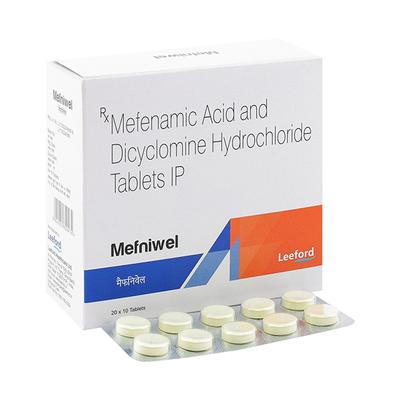
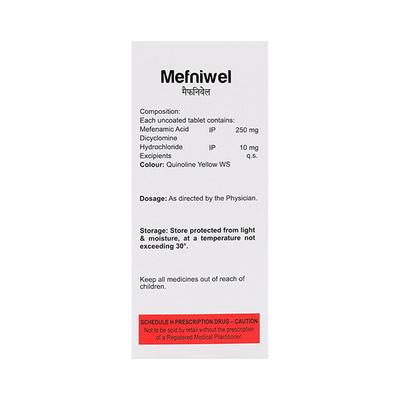
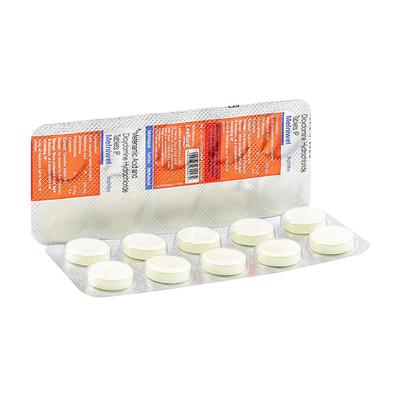
MEFNIWEL TABLET is a combination of Dicyclomine and Mefenamic Acid which belongs to the group of medicines called Anticholinergics and Non-Steroidal Anti-Inflammatory Drugs (NSAIDs) respectively. It is used for the management of abdominal (stomach) pain and dysmenorrhea, it is a condition in women who experience severe and frequent cramps and pain during menses.
MEFNIWEL TABLET is not recommended for use in patients with pre-existing renal disease or obstructive uropathy, asthma, increased pressure in eyes (glaucoma), myasthenia gravis (muscle weakness), gastrointestinal conditions like inflammatory bowel disease, severe ulcerative colitis, paralysis of intestine (paralytic ileus), chronic constipation (intestinal atony) and toxic dilatation of intestine (megacolon). MEFNIWEL TABLET should be used with caution in patients with heart diseases (heart failure, high blood pressure), impaired liver function, fluid retention, prior history of ulcer disease or gastro-intestinal bleeding and prostate enlargement.
MEFNIWEL TABLET is not recommended for use in third trimester of pregnancy and should be used with caution in first and second trimester of pregnancy. It is not recommended for use in breastfeeding women. MEFNIWEL TABLET is not recommended for use in infants (below 6 months of age) and it should be used with caution in elderly patients (aged 65 years and above) as it increases the risk of gastrointestinal (GI) bleeding and perforation which may be fatal. The common side effects of taking MEFNIWEL TABLET are diarrhea, nausea, vomiting, abdominal pain and constipation. Consult your doctor if any of the side effects worsens.
Uses Of MEFNIWEL TABLET
It is used to manage:
- abdominal pain
- dysmenorrhea (severe and frequent menstrual cramps and pain during menses)
How MEFNIWEL TABLET Works
MEFNIWEL TABLET contains Dicyclomine and Mefenamic acid. Dicyclomine works by blocking the effects of a chemical called acetylcholine (responsible for causing contraction of muscles) at the acetylcholine-receptor sites along with direct spasmolytic effect upon smooth muscles (musculotropic). This helps to relieve smooth muscle spasm of the intestine, bile duct, ureters and uterus. Mefenamic acid works by inhibiting the enzyme cyclooxygenase (COX) which is responsible for formation of chemical called prostaglandin that is responsible for inflammatory response in the body.
How to use MEFNIWEL TABLET
Take MEFNIWEL TABLET as advised by your doctor. It must be taken preferably after food. Swallow the medicine with a glass of water. Do not crush or chew the medicine. Do not alter or discontinue the daily dose of MEFNIWEL TABLET after feeling better without consulting your doctor. Your doctor will decide the correct dose and duration of MEFNIWEL TABLET for you depending upon your age, body weight and disease condition.
Overdose
If you or anyone else accidentally takes too much of MEFNIWEL TABLET, consult your doctor immediately or visit the nearby hospital. Symptoms of overdose are lethargy, drowsiness, nausea, headache, blurred vision, dilated pupils, hot dry skin, dizziness, dryness of the mouth, difficulty in swallowing, vomiting, (upper stomach) epigastric pain, tonic-clonic (grand mal) fits, gastrointestinal bleeding, high blood pressure, acute renal failure, CNS stimulation (increased alertness, attention, energy and physical activity), respiratory depression (slow and ineffective breathing), muscular weakness and paralysis.
Side Effects Of MEFNIWEL TABLET
Common side effects of MEFNIWEL TABLET:
- diarrhea
- nausea
- vomiting
- flatulence
- constipation
- abdominal pain
- ulcerative stomatitis
- peptic ulcers, perforation or gastrointestinal bleeding (in elderly)
- blood vomiting
Stop taking MEFNIWEL TABLET and contact your doctor immediately if you experience any of the following side effects:
- signs of gastric problems such as ulcers in stomach, perforation or stomach bleeding leading to nausea, loss of taste, vomiting, diarrhea, bloated feeling, constipation, indigestion, stomach pain, blood in vomit and in stools, ulcers in mouth, inflammatory bowel disease (Crohn's disease)
- signs of blood related disorders such as hemolytic anemia (reversible), hypoplastic bone marrow, reduced in red blood cell, platelets, white blood cell count (leukopenia) with an increased risk of infection, sepsis and clotting disordering leading to uncontrollable bleeding
- severe allergic reactions such as asthma, bronchospasm or difficulty in breathing, skin disorders including rashes of various types, redness, extreme itching and rarely exfoliative or bullous skin lesions (including epidermal necrolysis and erythema multiforme)
- glucose intolerance in diabetic patients, low sodium levels in circulation
- confusion, depression, hallucinations, nervousness
- signs of nervous system disorders such as pain with eye movement and temporary vision loss in one eye, headaches, tingling, altered sensation, dizziness, drowsiness, numbness, mental confusion, excitement (especially in elderly persons), loss of sensation, speech disturbance, sleeplessness, aseptic meningitis (especially in patients with existing auto-immune disorders, such as systemic lupus erythematosus, mixed connective tissue disease), with symptoms such as stiff neck, headache, nausea, vomiting, fever or disorientation, blurred vision, convulsions, insomnia
- eye irritation, reversible loss of color vision, visual disturbances like blurred vision, double vision, dilation, cycloplegia, increased eye pressure
- ear pain, tinnitus, vertigo
- signs of cardiac disorders such as edema, hypertension, tachycardia and with an increased risk of arterial thrombotic events (e.g., myocardial infarction or stroke) along with palpitations and hypotension
- asthma, breathing difficulties, nasal stuffiness or congestion, sneezing, throat congestion
- signs of skin disorders such as swelling (edema) of face and body, skin reactions, including Lyell's syndrome (toxic epidermal necrolysis) and stevens-johnson syndrome, excessive sweating, rash, photosensitivity reaction, itching and redness
- renal disorders such as allergic glomerulonephritis, acute interstitial nephritis, reduced or blood in urine, nephrotic syndrome, non-oliguric renal failure (particularly in dehydration), proteinuria, renal failure including renal papillary necrosis, urinary hesitancy, retention of urine
- fatigue, malaise, multi-organ failure, fever
- decreased sweating
- impotence (inability to keep erection)
- suppression of lactation
How To Manage Side Effects
Constipation
Take fiber rich foods in your diet such as fresh fruits, vegetables and whole grain cereals, and drink plenty of fluids. Exercise more regularly and stay active. Consult your doctor if the symptom does not improve.
Diarrhea
Drink lots of fluids such as water to keep yourself hydrated. Try to avoid taking any medicine on your own to manage diarrhea and consult your doctor if the symptom gets worse.

Nausea And Vomiting
Try to take MEFNIWEL TABLET with or just after a meal or a snack. Stick to simple meals. Avoid eating oil rich, fried or spicy foods. Consult your doctor if the symptom does not improve.

Stomach Pain
Try to take rest and relax. Eat and drink slowly or try to have smaller and frequent meals. Keep a heat pad on your stomach. If the symptom does not improve, contact your doctor.
Warning & Precautions

Pregnancy
Consult your doctorMEFNIWEL TABLET should be used with caution in first and second trimester of pregnancy only if considered clearly necessary. MEFNIWEL TABLET is strictly not recommended for use in third trimester of pregnancy as it can cause heart defects in the fetus (premature closure of heart duct), delay in onset of labour and increased bleeding tendency in mother. Consult your doctor before taking MEFNIWEL TABLET.

Breastfeeding
ContraindicatedMEFNIWEL TABLET is not recommended for use in breastfeeding women due to increased risk of serious adverse reactions in nursing infants. If MEFNIWEL TABLET therapy is essential to mother, breast-feeding must be discontinued during management period. Consult your doctor before taking it.

Driving and Using Machines
Use with CautionDo not drive or operate any machines if you experience dizziness, drowsiness, fatigue, visual disturbances or blurred vision after taking MEFNIWEL TABLET.

Alcohol
ContraindicatedAvoid consumption of alcohol while taking MEFNIWEL TABLET because it might increase gastrointestinal bleeding, ulceration and perforation.

Kidney
ContraindicatedMEFNIWEL TABLET is not recommended for use in patients with pre-existing renal disease or obstructive uropathy or in patients with significantly impaired renal function. Consult your doctor before taking MEFNIWEL TABLET.

Liver
Use with CautionMEFNIWEL TABLET should be taken with caution in patients with impaired liver function. Consult your doctor before taking MEFNIWEL TABLET.

Allergy
ContraindicatedDo not take MEFNIWEL TABLET if you are allergic to Dicyclomine or Mefenamic acid or any other ingredients of this medicine.

Lungs
ContraindicatedMEFNIWEL TABLET is not recommended for use in patients with pre-existing asthma and aspirin-sensitive asthma. Consult your doctor before taking MEFNIWEL TABLET.

Heart Disease
Consult your doctorMEFNIWEL TABLET should be used with caution in patients with heart diseases (such as heart failure, hypertension) as well as increased heart rate conditions such as thyrotoxicosis, congestive heart failure and in cardiac surgery. MEFNIWEL TABLET is not recommended for use in management of peri-operative pain in the setting of coronary artery bypass graft (CABG) surgery. Consult your doctor before taking MEFNIWEL TABLET.

Use In Pediatrics
Consult your doctor[GBNKEYWORD is not recommended for use in infants (below 6 months of age). Other dosage forms of this medicine can be used in children and adolescents (below 12 years of age). Consult your child’s doctor for advice before administration of MEFNIWEL TABLET to your child.

Use In Geriatrics
Use with CautionMEFNIWEL TABLET should be used with caution in elderly patients (65 years and above) as it increases the risk of gastrointestinal (GI) bleeding and perforation which may be fatal. Consult your doctor before taking MEFNIWEL TABLET.
Other Warnings for MEFNIWEL TABLET
Before taking MEFNIWEL TABLET, inform your doctor if you:
- have a prior history of ulcer disease or gastro-intestinal bleeding
- have fever
- have fluid retention (edema)
- have prostate enlargement
Who should not take MEFNIWEL TABLET
MEFNIWEL TABLET is not recommended for use if you have:
- increased pressure in eyes (glaucoma)
- myasthenia gravis (muscle weakness and fatigue)
- gastrointestinal conditions like inflammatory bowel disease, severe ulcerative colitis, paralytic ileus, intestinal atony (chronic constipation), toxic dilatation of intestine (Megacolon)
Drug - Drug interaction
Before taking MEFNIWEL TABLET, inform your doctor if you are taking any of the following medicines:
- medicine used to correct heart rhythm (Ex. digoxin)
- medicine used to manage HIV infection (Ex. Zidovudine)
- medicines used to manage high blood pressure such as ACE Inhibitors (Ex. captopril, enalapril, lisinopril, benazepril) and diltiazem
- non-steroidal anti-inflammatory drugs (NSAID) that are used to relieve pain Ex. aspirin, ibuprofen, diclofenac, celecoxib
- erythromycin, fluoroquinolones such as ciprofloxacin, levofloxacin and aminoglycosides such as amikacin, tobramycin, gentamicin (used to manage bacterial infections)
- ketoconazole (used to manage fungal infections)
- colchicine (used to manage gout)
- lithium, isocarboxazid, phenelzine, amitriptyline (used to manage depression)
- immunosuppressant drugs (used to suppress immune activity) (Ex. methotrexate, cyclosporin, tacrolimus)
- medicines used to manage clot formation in blood such as anti-platelet drugs (Ex. warfarin, aspirin or clopidogrel)
- diuretics such as furosemide, hydrochlorothiazide (used to manage edema)
- medicines used to reduce acidity (Ex. magnesium hydroxide)
- oral anti-diabetic drugs used for the management of type 2 Diabetes (Ex. glimepiride, gliclazide, glibenclamide)
- corticosteroid drugs such as prednisone, prednisolone, methylprednisolone, dexamethasone (used to manage inflammatory conditions)
- latanoprost, tafluprost (used to manage glaucoma)
- antihistamines (Ex. chlorpheniramine, hydroxyzine, dimenhydrinate) (used to manage allergy)
- antipsychotic agents such as chlorpromazine, fluphenazine (used to manage psychosis)
- alprazolam, diazepam (used to manage anxiety and induce sleep)
- narcotic analgesics (Ex. meperidine) (used to relieve moderate to severe pain)
- nitroglycerin, isosorbide mononitrate (used to manage chest pain)
- medicines that affect gastrointestinal motility (Ex. metoclopramide)
- medicines used to manage pregnancy (abortion) (Ex. mifepristone)
Synopsis
|
Drug |
Dicyclomine, Mefenamic Acid |
|
Pharmacological Category |
Anti-cholinergic, Non-Steroidal Anti-Inflammatory Drugs |
|
Therapeutic Indication |
Abdominal pain, Dysmenorrhea |
|
Dosage Forms |
Tablet, Injection |
More Information
Storage
- Keep MEFNIWEL TABLET out of reach of children
- Store at room temperature
FAQs About MEFNIWEL TABLET
Q: Can MEFNIWEL TABLET relieve period pain?
A: Yes, MEFNIWEL TABLET is an anti-spasmolytic and analgesic that helps to relieve pain and cramps during mensuration. Consult your doctor regarding dose and duration of course of MEFNIWEL TABLET before taking it.
Q: Can I consume alcohol after taking MEFNIWEL TABLET?
A: No, avoid consumption of alcohol while taking MEFNIWEL TABLET because it might lead to complications such as increased gastrointestinal bleeding, ulceration and perforation.
Q: Is MEFNIWEL TABLET safe to use in pregnant women?
A: MEFNIWEL TABLET should be used with caution in first and second trimester of pregnancy only if considered clearly necessary. MEFNIWEL TABLET is strictly not recommended for use in third trimester of pregnancy as it can cause heart defects in the fetus (premature closure of heart duct), delay in onset of labour and increased bleeding tendency in mother. Consult your doctor before taking it.
Q: Can I take antacid along with MEFNIWEL TABLET for stomach pain?
A: No, antacids (such as magnesium hydroxide) can interfere with absorption of MEFNIWEL TABLET. Hence its advisable not take both medicines together. Consult your doctor before taking it.
Q: Can MEFNIWEL TABLET be used in patients with kidney problems?
A: MEFNIWEL TABLET is not recommended for use in patients with preexisting renal disease or obstructive uropathy or in patients with significantly impaired renal function. Consult your doctor before taking it.
References
1. KD. Tripathi. Dicyclomine. Anticholinergic Drugs and Drugs Acting on Autonomic Ganglia. Essentials of medical pharmacology. Seventh edition. 2013. Page-134.
2. Janczura M, Kobus-Moryson M, Sip S, Zarowski M, Warenczak A, Cielecka-Piontek J. Fixed-Dose Combination of NSAIDs and Spasmolytic Agents in the Treatment of Different Types of Pain—A Practical Review. Journal of Clinical Medicine. National Library of Medicine, National Institute of Health. 2021 [Accessed on 15th September 2026] 
3. Axcan Scandipharm Inc. U.S. Food & Drug Administration. [Revised in July 2006] [Accessed on 15th September 2026] 
4. Lelypharma B.V. Electronic Medicines Compendium (EMC). [Revised in April 2020] [Accessed on 15th September 2026]