






Netmeds First Membership
Quick Links
Introduction About LYSER D TABLET
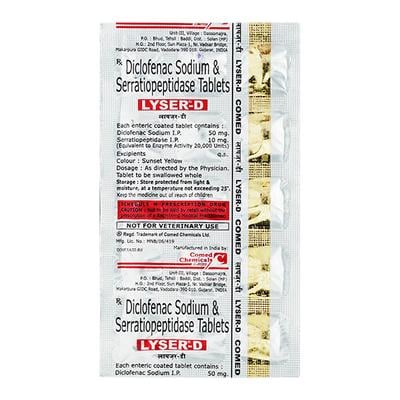
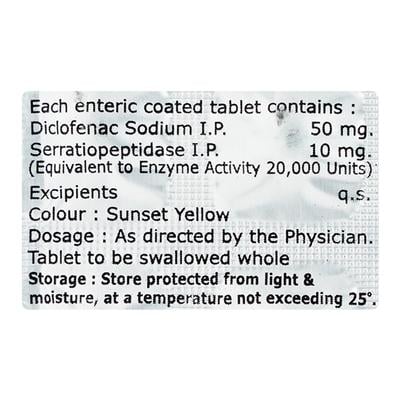
Lyser D Tablet is commonly used in clinical practice where pain, swelling, and inflammation require effective management. This combination includes diclofenac, a non-steroidal anti-inflammatory drug (NSAID), and serratiopeptidase, an enzyme known for its anti-inflammatory properties. It is widely used in conditions involving joint discomfort, muscle strain, and post-surgical inflammation.
It works by reducing the substances responsible for pain and inflammation, while also helping in the breakdown of inflammatory proteins. Lyser D Tablet is often considered in conditions such as musculoskeletal discomfort, dental procedures, and injury-related swelling.
The medicine is usually taken as advised by a healthcare professional, with dosage depending on the severity of the condition and patient-specific factors. Completing the prescribed course helps achieve better results.
During pregnancy and breastfeeding, it should be used only if recommended by a doctor. Some individuals may experience mild effects such as stomach discomfort, nausea, or dizziness. Immediate medical attention is required if severe reactions occur.
Uses Of LYSER D TABLET
- Helps manage pain and inflammation
- Supports relief in joint and muscle discomfort
- Used in post-operative swelling
- Helps in dental pain and inflammation
- Supports recovery in injury-related swelling
- Used in soft tissue inflammation
Benefits of LYSER D TABLET
Lyser D Tablet for Pain and Inflammation Support
Lyser D Tablet helps reduce pain and inflammation by targeting the underlying causes of discomfort. It is commonly used in conditions where effective and timely relief is required.
Lyser D Tablet for Joint and Muscle Discomfort
Lyser D Tablet is often used to manage discomfort related to joints and muscles. It helps reduce stiffness and swelling, supporting improved mobility when used as advised.
Lyser D Tablet for Post-Surgical Swelling
Lyser D Tablet recovery after surgical procedures by helping reduce swelling and inflammation. It is commonly used under medical supervision for better healing outcomes.
Lyser D Tablet for Dental Pain
Lyser D Tablet is used in dental conditions involving pain and swelling, such as after tooth-related procedures. It helps manage discomfort and supports recovery.
Lyser D Tablet for Injury-Related Inflammation
Lyser D Tablet helps control swelling and discomfort associated with injuries. It is often considered in cases of sprains, strains, or soft tissue damage.
How LYSER D TABLET Works
Mechanism of Action of Lyser D Tablet
Diclofenac works by blocking the production of prostaglandins, which are chemicals responsible for pain and inflammation. Serratiopeptidase helps break down inflammatory proteins and reduces fluid accumulation in affected tissues.
This combined action helps reduce swelling, ease discomfort, and support faster recovery. Completing the prescribed course ensures better effectiveness.
How to use LYSER D TABLET
How to take Lyser D Tablet
- Take as prescribed by your doctor
- Swallow with water after food
- Do not crush or chew the tablet
- Follow the recommended dose and duration
- Avoid self-medication
- Regular monitoring may be required in some cases
What if I forgot to take LYSER D TABLET
- Take the missed dose as soon as you remember
- Skip it if it is close to the next dose
- Do not double the dose
- Follow your doctor’s schedule strictly
Overdose
Overdose may lead to symptoms such as severe stomach pain, vomiting, dizziness, or gastrointestinal irritation. Seek immediate medical attention if overdose is suspected.
Side Effects Of LYSER D TABLET
Common
Common Side Effects of Lyser D Tablet
- Nausea
- Stomach discomfort
- Indigestion
- Dizziness
- Diarrhoea
- Headache
When to Seek Medical Attention?
Stop use and contact your doctor immediately if you experience
- Severe stomach pain
- Allergic reactions (rash, swelling, itching)
- Difficulty in breathing
- Persistent vomiting
- Black or bloody stools
- Unusual fatigue
How To Manage Side Effects

Dizziness Or Drowsiness
- Stay Hydrated: Drink plenty of water and include fluids like coconut water to prevent dehydration, a common cause of dizziness.
- Ginger: Consume ginger tea or a small piece of fresh ginger to help reduce dizziness and nausea.
- Lemon Water: Mix fresh lemon juice in warm water to refresh the body and reduce lightheadedness.
- Eat Small, Frequent Meals: Avoid long gaps between meals to prevent low blood sugar, which can trigger dizziness.
- Rest and Positioning: Sit or lie down immediately when you feel dizzy and avoid sudden movements.
- Deep Breathing: Practice slow, deep breathing to manage dizziness related to stress or anxiety.
- Adequate Sleep: Ensure 7–8 hours of restful sleep to reduce the chances of dizziness.
- Limit Caffeine and Alcohol: Reduce intake as they may worsen dizziness in some individuals.

Stomach Discomfort
- Stay Hydrated: Drink plenty of water to aid digestion and reduce discomfort. Warm fluids like herbal teas can also help.
- Eat Light Meals: Choose easily digestible foods such as rice, bananas, toast, or soups. Avoid heavy or greasy meals.
- Ginger: Ginger tea or fresh ginger may help ease bloating, nausea, and indigestion.
- Peppermint: Peppermint tea can help relax digestive muscles and reduce gas or cramps.
- Avoid Spicy and Oily Foods: These can worsen irritation and increase discomfort in the stomach.
- Eat Small, Frequent Meals: Avoid overeating and long gaps between meals to maintain digestive balance.
- Warm Compress: Applying a warm compress or heating pad to the abdomen may help relieve cramps.
- Limit Caffeine and Carbonated Drinks: These may increase acidity and bloating in some individuals.
- Rest and Relaxation: Stress can affect digestion, so try deep breathing or rest to improve comfort.
Warning & Precautions

Pregnancy
Consult your doctorLyser D Tablet is generally not recommended during pregnancy unless clearly advised by a doctor. Always consult your doctor before taking this medicine.

Breastfeeding
Use with CautionThis medicine should be used with caution during breastfeeding, as some of its components may pass into breast milk. Seek medical advice before use.

Driving and Using Machines
Use with CautionAvoid driving or operating machinery if you experience dizziness, drowsiness, or blurred vision after taking Lyser D Tablet.

Alcohol
ContraindicatedDo not consume alcohol while taking this medicine, as it may increase the risk of stomach irritation, dizziness, and liver-related concerns.

Kidney
Consult your doctorLyser D Tablet should be used carefully in patients with kidney problems. It is not usually recommended in severe kidney disease without medical supervision.

Liver
Use with CautionUse this medicine with caution in patients with liver disorders. Avoid use in severe liver disease unless prescribed by a doctor.

Allergy
ContraindicatedDo not take this medicine if you are allergic to diclofenac, serratiopeptidase, paracetamol, or other pain-relieving medicines like aspirin or ibuprofen.

Lungs
ContraindicatedThis medicine may not be suitable for patients with asthma, especially if asthma symptoms worsen after taking painkillers. Consult your doctor before use.

Heart Disease
Use with CautionLyser D Tablet should be used carefully in patients with heart disease, high blood pressure, or a history of stroke. Medical advice is necessary.

Use In Pediatrics
Consult your doctorThis medicine is generally not recommended for children unless specifically prescribed by a doctor. The dose should be decided based on age and condition.

Use In Geriatrics
Use with CautionElderly patients should use Lyser D Tablet with caution, as they may be more sensitive to side effects. Doctor supervision is advised.
Other Warnings for LYSER D TABLET
Before taking Lyser D Tablet inform your doctor if you
- Have a history of stomach ulcers
- Have heart-related conditions
- Are on long-term pain medications
Who should not take LYSER D TABLET
Lyser D Tablet is not recommended for use if you have
- Active stomach ulcers
- Severe liver or kidney disease
- Known allergy to NSAIDs
Safety Advice
- Use only under the supervision of a qualified healthcare professional.
- Do not exceed the prescribed dose or duration, as it may increase the risk of side effects.
- Always take the tablet after food to reduce the chance of stomach irritation.
- Inform your doctor if you have a history of stomach ulcers, bleeding disorders, heart disease, liver, or kidney conditions.
- Let your doctor know about all medicines you are taking, especially painkillers, blood thinners, or steroids.
- Do not combine with other NSAIDs unless advised by a healthcare professional.
- Stop use and seek medical attention if you notice symptoms like severe stomach pain, black stools, rash, swelling, or breathing difficulty.
- Use with caution in elderly individuals, as they may be more sensitive to side effects.
- Not recommended for long-term use unless specifically advised and monitored by a doctor.
Diet and Lifestyle Advice
- Eat light, balanced meals: Include fruits, vegetables, whole grains, and protein-rich foods to support recovery and reduce inflammation.
- Take after food: Always consume the tablet after meals to minimize stomach irritation.
- Stay well hydrated: Drink plenty of water throughout the day to support overall body function and help reduce side effects.
- Avoid spicy and oily foods: These may worsen gastric discomfort commonly associated with this medicine.
- Include anti-inflammatory foods: Add turmeric, ginger, nuts, and leafy greens to your diet for better support.
- Maintain regular meal timings: Avoid skipping meals to prevent acidity and discomfort.
- Get adequate rest: Proper sleep helps the body recover from pain and inflammation.
- Engage in light physical activity: Gentle exercises like walking or stretching may help improve mobility, depending on your condition.
- Maintain good posture: Especially important in musculoskeletal pain to prevent further strain.
1. Lyser D Tablet vs Zerodol SP Tablet
|
Attribute |
Lyser-D Tablet 15's |
Zerodol-SP Tablet 10's |
|
Main Ingredients |
Diclofenac + Paracetamol + Serratiopeptidase |
Aceclofenac + Paracetamol + Serratiopeptidase |
|
Pain Relief Strength |
Strong and fast relief for acute pain |
Effective for moderate to severe pain |
|
Anti-inflammatory Effect |
Stronger for swelling and inflammation |
Good for inflammation with better stomach tolerance |
|
Common Uses |
Dental pain, muscle pain, injury pain, swelling |
Arthritis, joint pain, back pain, post-surgical pain |
|
Stomach Irritation Risk |
Slightly higher due to diclofenac |
Comparatively lower than diclofenac-based tablets |
|
Suitable for Long-term Use |
Usually short-term use only |
Can be preferred for slightly longer supervised use |
|
Doctor Preference |
Often chosen for quick pain relief |
Commonly preferred for arthritis and chronic joint pain |
Drug - Drug interaction
1. Blood Thinners (e.g., warfarin, heparin)
- Interaction: Diclofenac may enhance the effect of blood thinners, increasing the risk of bleeding, including internal bleeding.
- Management: Your doctor may monitor clotting parameters closely and adjust doses if needed. Report any signs like unusual bruising, bleeding gums, or black stools immediately.
2. Other NSAIDs (e.g., ibuprofen, naproxen)
- Interaction: Using multiple NSAIDs together can increase the risk of stomach ulcers, bleeding, and kidney-related side effects.
- Management: Avoid combining unless specifically prescribed. Always check with your doctor before taking any additional pain relief medicines.
3. Corticosteroids (e.g., prednisolone)
- Interaction: Concurrent use may increase the risk of gastrointestinal irritation, ulcers, or bleeding.
- Management: Use with caution under medical supervision. Doctors may recommend protective medicines for the stomach if needed.
4. Diuretics (Water Tablets, e.g., furosemide)
- Interaction: Diclofenac may reduce the effectiveness of diuretics and increase the risk of kidney-related side effects.
- Management: Kidney function and fluid balance may be monitored. Maintain proper hydration and follow medical advice.
5. Antihypertensive Medicines (e.g., ACE inhibitors, beta-blockers)
- Interaction: NSAIDs like diclofenac may reduce the blood pressure-lowering effect of these medicines.
- Management: Regular blood pressure monitoring may be required. Dose adjustments may be made by your doctor if necessary.
6. Methotrexate
- Interaction: Diclofenac may increase methotrexate levels in the body, raising the risk of toxicity.
- Management: This combination should be used cautiously. Your doctor may monitor blood counts and organ function closely.
7. Lithium
- Interaction: Diclofenac can increase lithium levels in the blood, potentially leading to toxicity.
- Management: Blood lithium levels may be monitored regularly, and dose adjustments may be required.
8. Antiplatelet Medicines (e.g., aspirin, clopidogrel)
- Interaction: Combined use may increase the risk of bleeding.
- Management: Use only under medical supervision. Watch for signs of bleeding and inform your doctor promptly.
9. Cyclosporine or Tacrolimus
- Interaction: Increased risk of kidney damage when used with diclofenac.
- Management: Kidney function should be monitored regularly. Dose adjustments may be required.
10. Selective Serotonin Reuptake Inhibitors (SSRIs, e.g., sertraline)
- Interaction: May increase the risk of gastrointestinal bleeding when combined with NSAIDs.
- Management: Use cautiously and report any unusual symptoms like stomach pain or bleeding.
Drug - Food interaction
1. Food Intake (Taking with Meals)
- Interaction: Taking the tablet on an empty stomach may increase the risk of gastric irritation or discomfort.
- Management: Always take Lyser D Tablet after food or with a meal to reduce stomach-related side effects and improve tolerance.
2. Spicy and Oily Foods
- Interaction: These foods do not directly affect the medicine’s action but may worsen acidity, indigestion, or stomach discomfort.
- Management: Prefer light, home-cooked meals and avoid heavy, spicy, or fried foods while taking the medicine.
3. Caffeine (Tea, Coffee, Energy Drinks)
- Interaction: Excess caffeine may aggravate acidity or gastric discomfort in some individuals when combined with NSAIDs.
- Management: Limit intake of caffeinated beverages and observe how your body responds.
4. High-Sodium (Salty) Foods
- Interaction: Diclofenac may cause fluid retention in some individuals, which can be worsened by high salt intake.
- Management: Reduce consumption of processed and salty foods, especially if you have blood pressure or heart-related concerns.
5. Balanced Diet (Nutrient-Rich Foods)
- Interaction: No negative interaction, but poor diet may slow recovery and increase discomfort.
- Management: Include fruits, vegetables, whole grains, and protein-rich foods to support healing and overall well-being.
6. Hydration (Water and Fluids)
- Interaction: Inadequate hydration may increase the risk of kidney-related side effects in some individuals.
- Management: Drink sufficient water throughout the day unless otherwise advised by your doctor.
Synopsis
|
Drug |
Diclofenac + Serratiopeptidase |
|
Pharmacological Category |
NSAID + Enzyme |
|
Therapeutic Indication |
Pain and inflammation support |
|
Dosage Form |
Tablet |
More Information
Storage
- Store Lyser D Tablet in a cool, dry place at room temperature
- Keep out of reach of children and pets to avoid accidental consumption.
FAQs About LYSER D TABLET
Q: What is Lyser D Tablet used for?
A: Lyser D Tablet is commonly used to manage pain and inflammation. It is often considered in conditions involving joints, muscles, or post-surgical swelling. It supports recovery by reducing discomfort. Use is based on medical advice.
Q: How should I take Lyser D Tablet?
A: Take it as prescribed by your doctor. It is usually taken after food with water. Do not crush or chew the tablet. Follow the recommended dosage strictly.
Q: How should I take Lyser D Tablet?
A: Take it as prescribed by your doctor. It is usually taken after food with water. Do not crush or chew the tablet. Follow the recommended dosage strictly.
Q: Can I stop taking it once I feel better?
A: No, complete the course as advised. Stopping early may reduce effectiveness. Always follow your doctors instructions.
Q: What are the common side effects?
A: Some individuals may experience nausea, stomach discomfort, or dizziness. These are usually mild. Inform your doctor if symptoms persist.
Q: Can it cause stomach problems?
A: Yes, mild stomach discomfort may occur. Taking it after food may help. Avoid spicy foods during use.
Q: Is it safe during pregnancy?
A: Use only if recommended by a doctor. Medical evaluation is necessary.
Q: Can I take it with other medicines?
A: It may interact with certain medicines. Inform your doctor about all medications you are taking.
Q: Is it suitable for long-term use?
A: Long-term use should only be under medical supervision. Regular monitoring may be required.
Q: Can it help with swelling after injury?
A: Yes, it is commonly used to manage swelling and discomfort after injuries. It supports recovery when used as advised.
Q: What should I do if I feel unwell after taking it?
A: Inform your doctor immediately. Do not ignore unusual symptoms. Medical evaluation may be needed.
References
1. KD Tripathi. Nonsteroidal Anti-inflammatory Drugs & Antipyretic-Analgesics and Aspects of Pharmacotherapy, Clinical Pharmacology & Drug Development. Essentials of medical pharmacology. Seventh edition. 2013. Page-71, 204.
2. Supakanya Wongrakpanich, Amaraporn Wongrakpanich, Katie Melhado, and Janani Rangaswam. A Comprehensive Review of Non-Steroidal Anti-Inflammatory Drug Use in The Elderly. NIH National Library of Medicine. National Centre for Biotechnology Information. PMC PubMed Central. [Revised in 1st February 2018] [Accessed on 22nd April 2026]
3. B. Pramod Krishna, B. Praveen Reddy, D.S. Yashavanth Kumar, M. Ummar, Vijay Shekhar, and Rahul Vinay Chandra Tiwari. Role of Serratiopeptidase and Dexamethasone in the Control of Postoperative Swelling. NIH National Library of Medicine. National Center for Biotechnology Information. PMC PubMed Central. [Revised in 8th June 2020] [Accessed on 22nd April 2026] 
4. Dexcel Pharma Ltd. D. Electronic medicines compendium (EMC). [Revised in December 2025] [Accessed on 22nd April 2026]
5. Innovative Pharmaceuticals. Geozen-D Tablets. [Accessed on 22nd April 2026]
6. Serum Institute of India Pvt. Ltd. SD-15 TABLETS. [Accessed on 22nd April 2026]