






Netmeds First Membership
Quick Links
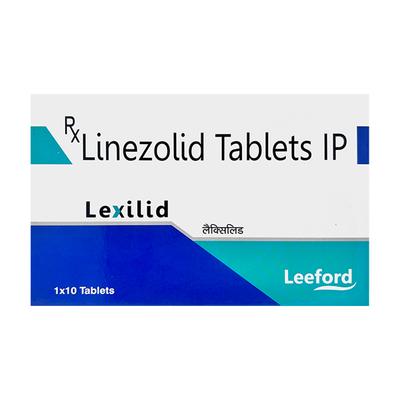
Introduction About LEXILID TABLET
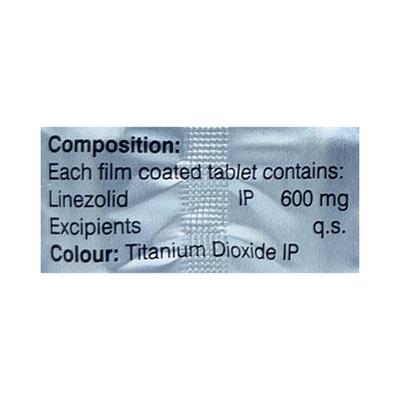
LEXILID TABLET contains Linezolid, which belongs to the group of medicines called Antibiotics. It is used to manage bacterial infections like pneumonia (nosocomial and community-acquired pneumonia), some infections in or under the skin (complicated skin and soft tissue infections), and blood infections.
Bacterial infections are caused by the multiplication of specific harmful strains of bacteria anywhere in the body. It is generally characterized by fever, chills and sweat, swollen lymph nodes, sudden pain or its worsening, unexplained tiredness, headache, skin flushing or discomfort, nausea, vomiting, diarrhea, or stomach pain.
Before taking LEXILID TABLET, inform your doctor if you have liver, kidney, or heart problems, mental health problems (such as maniac depression, schizoaffective disorder), overactive thyroid, anemia, history of seizures, diarrhea, adrenal gland tumors (phaeochromocytoma), or carcinoid syndrome, and if you are prone to getting infections.
During management with LEXILID TABLET, your doctor might perform regular blood tests to monitor your blood count and your eyesight if you take LEXILID TABLET for more than 28 days.
LEXILID TABLET is not recommended for use in pregnant women unless advised by the doctor, and it is not recommended for use in breastfeeding women. LEXILID TABLET is not recommended for use in children and adolescents (below 18 years of age), and it should be used with caution in elderly patients (aged 65 years and above).
The most common side effects of taking LEXILID TABLET are headache, dizziness, nausea, vomiting, diarrhea, constipation, stomach pain, and indigestion. Consult your doctor if any of the side effects worsen.
Uses Of LEXILID TABLET
Manages bacterial infections like:
- pneumonia (nosocomial and community-acquired)
- complicated skin and soft tissue infections
- blood infections
How LEXILID TABLET Works
LEXILID TABLET works by binding to and inhibiting bacterial enzymes required in DNA synthesis, thus interrupting DNA replication and managing bacterial cell multiplication.
How to use LEXILID TABLET
Take LEXILID TABLET as advised by your physician.
For Tablet: Swallow LEXILID TABLET with a glass of water. Do not crush or chew the medicine.
Your doctor will decide the correct dose and duration of therapy for you depending upon your age, body weight and disease condition. Continue to take LEXILID TABLET for the stipulated duration prescribed by your doctor to achieve better results.
Overdose
If you or anyone else accidentally takes too much of LEXILID TABLET, consult your doctor immediately or visit the nearby hospital. Symptoms of an overdose are vomiting, shaking, unsteadiness, or lack of coordination.
Side Effects Of LEXILID TABLET
Common side effects of LEXILID TABLET:
- vaginal or oral thrush (fungal infection)
- headache, dizziness
- metallic taste in the mouth
- diarrhea, nausea, vomiting, localized or general stomach pain, constipation, indigestion
- difficulty in sleeping
- localized pain
- increased blood pressure
Stop taking LEXILID TABLET and contact your doctor immediately if you experience any of the following side effects:
- severe skin disorder and allergic reactions (signs include swelling, particularly around the face and neck, wheezing, difficulty breathing, raised purple rash due to inflammation of blood vessels, red sore skin and flaking, rash, and itching)
- vision problems (like blurred vision, changes in color vision, difficulty in seeing detail, or restricted field of vision)
- severe diarrhea with blood or mucus (it may develop into complications that are life-threatening)
- repeated nausea or vomiting, abdominal pain, or rapid breathing
- fits or seizures or serotonin syndrome (signs include agitation, confusion, mental disturbance, rigidity, shaking, incoordination, seizure, rapid heart rate, and severe breathing problems)
- unexplained bleeding or bruising
- changes in the numbers of certain blood cells that may lead to infection (signs of infection include fever, sore throat, mouth ulcers, and tiredness)
- inflammation of the pancreas
- convulsions
- transient ischemic attacks (temporary disturbance of the flow of blood to the brain causing short-term symptoms such as loss of vision, leg and arm weakness, slurring of speech, and loss of consciousness)
- ringing in the ears (tinnitus)
How To Manage Side Effects
Constipation
Try to eat more high-fiber foods such as fresh fruit, vegetables, and cereals, and drink plenty of water. If this does not help, consult your doctor about receiving alternate management for constipation.

Diarrhea
Drink lots of fluids, such as water, to keep yourself hydrated. Avoid eating high-fat or spicy foods. Try to avoid taking any medicine on your own to manage diarrhea and consult your doctor if the diarrhea gets worse.

Dizziness Or Drowsiness
Lie down until the dizziness is gone, then get up slowly. Move slowly and carefully; do not hurry. Get adequate rest. Drink plenty of water and other fluids. Avoid intake of caffeine and its related products. If dizziness does not improve or worsen, consult your doctor.

Headache
Drink ample amounts of water and avoid skipping meals. Get adequate rest. Try to be relaxed and stress-free. Apply pain-relieving balm on your forehead if necessary. Consult your doctor if the headache does not improve.

Nausea And Vomiting
Stick to simple meals while taking this medicine. Avoid eating oily, rich, fried, or spicy foods. Do not lie down or sleep immediately after eating. Consult your doctor if the nausea and vomiting does not improve.

Stomach Pain
Try to rest and relax. Eat and drink slowly or try to eat smaller meals more frequently. Keep a heat pad on your stomach. Consult your doctor if the stomach pain does not improve.
Warning & Precautions

Pregnancy
Consult your doctorLEXILID TABLET is not recommended for use in pregnant women unless clearly advised by the doctor. Consult your doctor before taking LEXILID TABLET.

Breastfeeding
ContraindicatedLEXILID TABLET is not recommended for use in breast-feeding women as it may pass through the breast milk and could affect the baby. Consult your doctor before taking LEXILID TABLET.

Driving and Using Machines
Use with CautionDo not drive or operate any machines if you experience dizziness or problems with your vision after taking LEXILID TABLET.

Alcohol
Use with CautionAvoid consumption of alcohol (especially draught beers and wine) while taking LEXILID TABLET.

Kidney
Use with CautionLEXILID TABLET should be taken with caution in patients with kidney problems, especially if the patient is on dialysis. Consult your doctor before taking LEXILID TABLET.

Liver
Use with CautionLEXILID TABLET should be taken with caution in patients with liver problems. Consult your doctor before taking LEXILID TABLET.

Allergy
ContraindicatedDo not take LEXILID TABLET if you are allergic to Linezolid or any other ingredients of this medicine.

Heart Disease
Use with CautionLEXILID TABLET should be used with caution in patients with high blood pressure. Consult your doctor before taking LEXILID TABLET.

Use In Pediatrics
ContraindicatedLEXILID TABLET is not recommended for use in children and adolescents (under 18 years of age). Consult your child’s doctor for advice.

Use In Geriatrics
Use with CautionLEXILID TABLET should be used with caution in elderly patients (aged 65 years and above) due to the greater risk of developing blood dyscrasias (a condition that affects the blood, bone marrow, or lymph tissue). Consult your doctor before taking LEXILID TABLET.
Other Warnings for LEXILID TABLET
Before taking LEXILID TABLET, inform your doctor if you:
- have an overactive thyroid
- have an adrenal gland tumor (phaeochromocytoma) or carcinoid syndrome (tumors of the hormone system causing diarrhea, flushing of the skin, and wheezing)
- have mental disorders such as manic depression, schizoaffective disorder, mental confusion, or other mental problems
- bruise and bleed easily
- are anemic (low red blood cells)
- are prone to getting infections
- have a history of seizures
- have diarrhea
- have phenylketonuria (a rare genetic disorder that causes certain amino acids to build up in the body)
- have any scheduled surgery
Drug - Drug interaction
Before taking LEXILID TABLET, inform your doctor if you are taking any of the following medicines:
- medicines used to manage a cold or flu (Ex. pseudoephedrine, phenylpropanolamine)
- medicines used to manage asthma (Ex. salbutamol, terbutaline, fenoterol)
- medicines used to manage depression (Ex. clomipramine, amitriptyline, doxepin, citalopram, dosulepin, fluoxetine, fluvoxamine, imipramine, lofepramine, paroxetine, and sertraline), monoamine oxidase inhibitors (MAOIs) (used to manage depression or Parkinson’s disease) (Ex. phenelzine, isocarboxazid, selegiline, and moclobemide)
- medicines used to manage migraines (Ex. sumatriptan, zolmitriptan)
- medicines used to manage sudden, severe allergic reactions (Ex. adrenaline (epinephrine))
- medicines that increase blood pressure (Ex. noradrenaline (norepinephrine), dopamine, and dobutamine)
- pethidine (used to manage moderate to severe pain)
- buspirone (used to manage anxiety disorders)
- warfarin (used to stop blood clotting)
- rifampicin (used to manage bacterial infections)
Drug - Food interaction
Avoid eating large amounts of mature cheese, yeast extracts, or soy bean extracts (Ex. soy sauce) while taking LEXILID TABLET as it may react with a substance called tyramine, which is naturally present in some foods, and cause an increase in the blood pressure.
Synopsis
|
Drug |
: |
Linezolid |
|
Pharmacological Category |
: |
Oxazolidinone antibiotic |
|
Therapeutic Indication |
: |
Pneumonia, skin infections, and blood infections |
|
Dosage Forms |
: |
Tablet, Dispersible Tablet, Injection, Infusion, Dry Syrup, Syrup, Oral suspension |
More Information
Storage
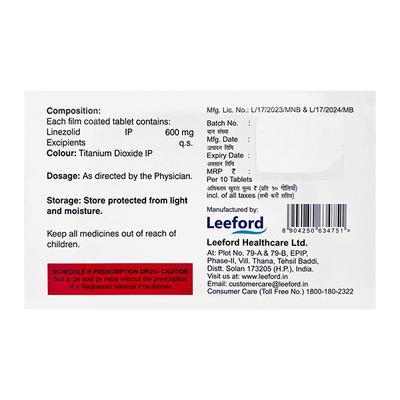
- Keep LEXILID TABLET out of reach of children
- Store below 25°C
FAQs About LEXILID TABLET
Q: Can LEXILID TABLET be used in infants?
A: No, LEXILID TABLET is used for adults, and it is not recommended for children and adolescents under 18 years of age. Your child’s doctor will select a suitable alternative therapy for your child to manage the specific infection.
Q: Is LEXILID TABLET safe to use in patients with kidney problems?
A: LEXILID TABLET should be used with caution in patients with kidney problems, especially if the patient is on dialysis. Your doctor may monitor your kidney function test regularly to manage any unusual effects. Consult your doctor before taking LEXILID TABLET.
Q: What if I forget to take a dose of LEXILID TABLET?
A: If you forget a dose of LEXILID TABLET, take it as soon as you remember. However, if it is almost time for the next dose, skip the missed dose and take the next scheduled dose at the prescribed time. Do not double the dose to make up for the missed dose, as this may increase the chances of developing side effects.
Q: Can I stop taking LEXILID TABLET on my own?
A: Continue taking LEXILID TABLET until your doctor tells you to stop it or unless you experience any unwanted effects, worsening of your condition, or any new symptoms. In such a case, contact your doctor right away. Do not stop taking LEXILID TABLET because if you feel better. If you do so, your infection may get worse again.
Q: Can LEXILID TABLET be used during pregnancy?
A: LEXILID TABLET is not recommended for use in pregnant women unless advised by the doctor. Consult your doctor before taking LEXILID TABLET if you are pregnant or planning to get pregnant.
Q: Can I face any problems after stopping LEXILID TABLET management?
A: LEXILID TABLET can cause some bacteria to multiply, which are normally present in the bowel and normally harmless. Inform your doctor if you notice any side effects occurring several weeks after stopping management with LEXILID TABLET like severe stomach cramps, watery and severe diarrhea (which may be bloody) or fever.
Q: What is LEXILID TABLET used for?
A: LEXILID TABLET is used to manage bacterial infections like pneumonia (nosocomial and community-acquired pneumonia), some infections in or under the skin (complicated skin and soft tissue infections), and blood infections.
Q: How does LEXILID TABLET work?
A: LEXILID TABLET works by binding to and inhibiting bacterial enzymes required in DNA synthesis, thus interrupting DNA replication and managing bacterial cell multiplication.
Q: What are the side effects of taking LEXILID TABLET?
A: The most common side effects of taking LEXILID TABLET are headache, dizziness, nausea, vomiting, diarrhea, constipation, stomach pain, and indigestion. Consult your doctor if any of the side effects worsen.
Q: Who should not take LEXILID TABLET?
A: Do not take LEXILID TABLET if you are allergic to Linezolid or any other ingredients of this medicine.
Q: What precautions must be taken while using LEXILID TABLET?
A: Before taking LEXILID TABLET, inform your doctor if you have kidney problems, especially if the patient is on dialysis, liver problems, high blood pressure, overactive thyroid, adrenal gland tumor (phaeochromocytoma) or carcinoid syndrome (tumors of the hormone system causing diarrhea, flushing of the skin, and wheezing), mental disorders such as manic depression, schizoaffective disorder, mental confusion, or other mental problems, bruise and bleed easily, anemia (low red blood cells), or are prone to getting infections, history of seizures, or have diarrhea, phenylketonuria (a rare genetic disorder that causes certain amino acids to build up in the body), or scheduled for any surgery.
References
1. KD. Tripathi. Macrolide, Lincosamide, Glycopeptide, and Other Antibacterial Antibiotics; Urinary Antiseptics. Essentials of Medical Pharmacology. Eighth edition. 2019. Page – 807.
2. Seyed Mohammad Reza Hashemian, Tayebeh Farhadi, and Mojdeh Ganjparvar. Linezolid: a review of its properties, function, and use in critical care. NIH National Library of Medicine, National Center for Biotechnology Information. Pubmed Central. June 2018 [Accessed on 13th June 2026] 
3. Abed Zahedi Bialvaei, Mohammad Rahbar, Mehdi Yousefi, Mohammad Asgharzadeh, and Hossein Samadi Kafil. Linezolid: a promising option in the treatment of gram-positives. Journal of Antimicrobial Chemotherapy. February 2017 [Accessed on 13th June 2026] 
4. Pfizer New Zealand Limited. Zyvox (Linezolid). [Revised in April 2022] [Accessed on 13th June 2026]