






Netmeds First Membership
Introduction About LEVOFLOX 750MG TABLET
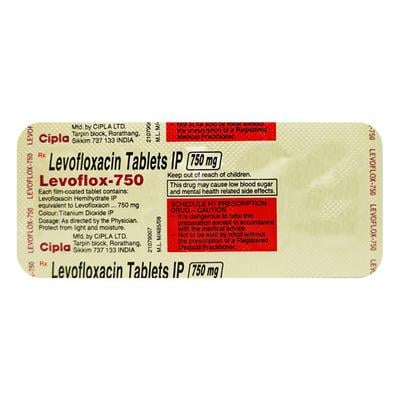
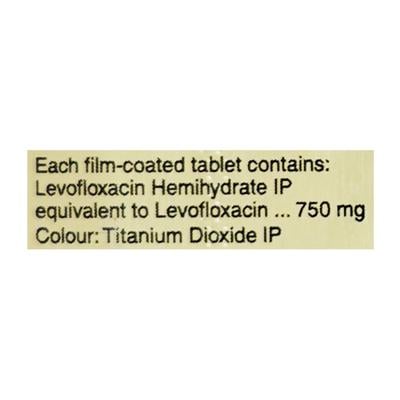
LEVOFLOX 750MG TABLET is an antibiotic medicine containing Levofloxacin as its active ingredient. It belongs to the fluoroquinolone group of antibiotics and is prescribed for adults for managing certain bacterial infections, including susceptible infections affecting the respiratory tract, urinary tract, skin, and soft tissues. Its use depends on the type of bacterial infection, bacterial susceptibility, and individual medical assessment.
Levofloxacin works by inhibiting two important bacterial enzymes called DNA gyrase and topoisomerase IV. These enzymes play an essential role in bacterial DNA replication, repair, and chromosome separation. By interfering with their activity, LEVOFLOX 750MG TABLET disrupts bacterial DNA processing and multiplication, resulting in antibacterial action against susceptible bacterial organisms.
LEVOFLOX 750MG TABLET may be prescribed by doctors based on individual clinical assessment, suspected or confirmed bacterial infection, bacterial susceptibility, and overall health condition. Its suitability may vary depending on factors such as age, medical history, kidney function, existing health conditions, and other medications being used. Individuals with underlying medical concerns should inform their doctor before taking this medicine.
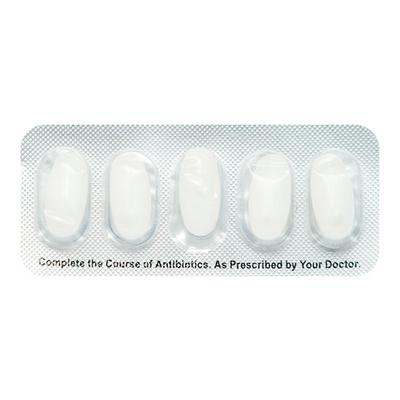
LEVOFLOX 750MG TABLET is intended for oral administration and should be swallowed whole with sufficient water. It can generally be taken with or without food, as directed by the doctor. The dosage schedule and duration of use may vary according to the type of infection and individual requirements. It is important to follow the prescribed instructions carefully and avoid changing the dosage independently.
Some individuals may experience side effects such as nausea, diarrhoea, headache, dizziness, vomiting, or abdominal discomfort while taking LEVOFLOX 750MG TABLET. The occurrence and intensity of these effects may vary among individuals. If any symptom persists, worsens, or becomes bothersome, consult your doctor promptly.
Uses Of LEVOFLOX 750MG TABLET
It is used in the management of:
- Community-acquired pneumonia
- Acute bacterial sinusitis
- Acute bacterial exacerbation of chronic bronchitis
- Uncomplicated skin and skin structure infections
- Complicated skin and skin structure infections
- Complicated urinary tract infections
- Acute pyelonephritis (kidney infection)
Benefits of LEVOFLOX 750MG TABLET
Provides Antibacterial Activity Against Susceptible Bacteria
Levofloxacin belongs to the fluoroquinolone group of antibiotics and acts against selected Gram-positive and Gram-negative bacterial organisms, depending on their susceptibility.
Supports Management of Respiratory Tract Infections
LEVOFLOX 750MG TABLET may be prescribed for certain bacterial respiratory conditions, including community-acquired pneumonia, when the causative organisms are susceptible.
Supports Management of Urinary Tract Infections
LEVOFLOX 750MG TABLET may be recommended for selected urinary bacterial infections, including complicated urinary tract infections, based on bacterial susceptibility and medical assessment.
Provides Support in Selected Skin and Soft Tissue Infections
LEVOFLOX 750MG TABLET may be prescribed for certain infections involving the skin and underlying tissues caused by susceptible bacterial organisms.
How LEVOFLOX 750MG TABLET Works
How LEVOFLOX 750MG TABLET Interferes with Bacterial DNA Activity
LEVOFLOX 750MG TABLET contains Levofloxacin, a fluoroquinolone antibiotic that acts on essential bacterial enzymes involved in DNA replication and chromosome separation. This action disrupts bacterial DNA processing and leads to bacterial cell death.
Levofloxacin and Bacterial DNA Gyrase Inhibition
Levofloxacin inhibits bacterial DNA gyrase, an enzyme responsible for controlling DNA structure and coiling during replication. By blocking this enzyme, it interferes with the normal replication and processing of bacterial genetic material.
Levofloxacin and Topoisomerase IV Inhibition
Levofloxacin also inhibits topoisomerase IV, an enzyme involved in separating replicated bacterial chromosomes during cell division. This reduce proper chromosome separation and disrupts bacterial DNA organisation.
Levofloxacin and Disruption of Bacterial DNA Replication
The inhibition of DNA gyrase and topoisomerase IV interferes with essential DNA replication and repair processes. This affects the ability of susceptible bacteria to maintain and process their genetic material.
Levofloxacin and Bactericidal Action
The combined inhibition of these bacterial enzymes causes DNA damage, ultimately resulting in bacterial cell death. This gives Levofloxacin its bactericidal action against susceptible bacterial organisms.
How to use LEVOFLOX 750MG TABLET
How to Take
- Swallow the tablet whole with a glass of water.
- Do not crush or chew the tablet.
When to Take
- Take LEVOFLOX 750MG TABLET at a consistent time each day.
- It can generally be taken with or without food.
Recommended Dosage
- Follow the dose and frequency prescribed by your doctor.
- Dosage adjustments may be required in individuals with impaired kidney function.
Duration of Use
- Complete the prescribed course as directed by your doctor.
- Do not independently change or extend the prescribed duration.
What if I forgot to take LEVOFLOX 750MG TABLET
- Take the missed dose when remembered, unless it is nearly time for the next dose.
- Skip the missed dose if the next dose is due. Do not double the dose.
Side Effects Of LEVOFLOX 750MG TABLET
Common Side Effects
• Nausea
• Diarrhoea
• Headache
• Dizziness or light-headedness
• Difficulty sleeping (insomnia)
WHEN TO CONSULT A DOCTOR:
• Unusual bruising or bleeding
• Changes in urine output or other signs of kidney problems
• Persistent nausea or vomiting, loss of appetite, abdominal pain, yellowing of the skin or eyes, or dark urine
• Persistent diarrhoea, abdominal cramps, or blood/mucus in stools
• White patches in the mouth or unusual vaginal discharge
• Severe allergic reactions such as rash, itching, swelling of the face, lips, tongue or throat, or difficulty breathing
• Chest pain, fainting, severe dizziness, or fast/irregular heartbeat
• Sudden severe pain in the chest, abdomen or back, or shortness of breath, which may indicate a serious blood vessel complication
How To Manage Side Effects
Diarrhea
- Drink Fluids: Drink clear fluids such as water, broths, and oral rehydration solutions (ORS).
- Electrolytes: If you're losing a lot of fluids (for example, from frequent diarrhea), consider drinking an electrolyte solution to help replenish lost minerals like potassium and sodium.
- BRAT Diet: Try to take Bananas, Rice (white rice), Apple sauce and Toast (plain, without butter) to control diarrhoea management.
- Avoid Certain Foods: While recovering avoid the following food items such as fatty, greasy, or fried foods, spicy foods, dairy products (especially if you have a temporary lactose intolerance), caffeinated drinks and alcohol and artificial sweeteners like sorbitol.
- Over-the-Counter Medications: You can take over-the-counter anti-diarrheal medications such as loperamide, Bismuth subsalicylate if appropriate for you. Follow the recommended dosage.

Nausea And Vomiting
- Eat Small, Frequent Meals: Avoid heavy or greasy foods. Opt for bland foods like crackers, toast, or bananas.
- Stay Hydrated: Sip on clear fluids like water, ginger tea, or electrolyte drinks, Avoid caffeinated and carbonated beverages.
- Ginger: Ginger is a natural remedy for nausea. Try ginger tea, ginger candies, or ginger ale (ensure it contains real ginger).
- Avoid Strong Odors: Minimize exposure to smells that might trigger nausea, such as perfumes or cooking odors.
Diet and Lifestyle Advice
- Stay Hydrated: Drink plenty of water throughout the day to prevent dehydration, especially if you experience diarrhoea.
- Eat Healthy Foods: Include fruits, vegetables, whole grains and protein-rich foods in your daily diet. Eat light meals if you experience stomach discomfort.
- Avoid Alcohol: Avoid alcohol while taking Levofloxacin, as it may worsen dizziness and affect alertness.
- Avoid Heavy Exercise: Avoid strenuous exercise, running and heavy lifting. Contact your doctor if you experience tendon pain or swelling.
- Protect Yourself From Sunlight: Avoid prolonged exposure to direct sunlight. Wear protective clothing and use sunscreen when going outdoors
Drug - Drug interaction
Chelation Agents (e.g., antacids containing aluminium or magnesium, sucralfate, iron, zinc, multivitamins)
Interaction: These medicines may reduce the absorption of levofloxacin when taken together.
Effects: Reduced levofloxacin levels in the blood may affect its effectiveness.
Management: Maintain a gap of at least 2 hours before or after taking levofloxacin.
Anticoagulants (e.g., warfarin)
Interaction: Levofloxacin may enhance the effects of warfarin.
Effects: Increased risk of bleeding, bruising, and prolonged blood clotting time.
Management: Use with caution and monitor prothrombin time or other suitable clotting tests regularly.
Antidiabetic Medicines (e.g., insulin, metformin, sulfonylureas)
Interaction: Levofloxacin may affect blood glucose levels when taken with antidiabetic medicines.
Effects: Increased risk of low blood sugar (hypoglycemia) or high blood sugar (hyperglycemia).
Management: Monitor blood glucose levels regularly and consult your doctor if unusual fluctuations occur.
Non-Steroidal Anti-Inflammatory Drugs (NSAIDs) (e.g., ibuprofen, diclofenac, naproxen)
Interaction: Concomitant use of levofloxacin with NSAIDs may increase central nervous system stimulation.
Effects: Increased risk of nervous system disturbances and convulsive seizures.
Management: Inform your doctor before combining these medicines and use only under medical supervision.
Theophylline
Interaction: Levofloxacin may increase the risk of theophylline-related adverse effects when used together.
Effects: Increased risk of nervous system disturbances, including seizures.
Management: Monitor theophylline levels closely, and your doctor may adjust the dosage if required.
QT-Prolonging Medicines (e.g., amiodarone, sotalol, tricyclic antidepressants, macrolide antibiotics, antipsychotics)
Interaction: Levofloxacin may increase the risk of abnormal heart rhythm when combined with medicines that prolong the QT interval.
Effects: Increased risk of QT prolongation and potentially serious irregular heartbeats.
Management: Inform your doctor about all heart rhythm medicines and other QT-prolonging medicines before taking levofloxacin. Use with caution under medical supervision.
Strontium-Containing Products
Interaction: Strontium may interfere with the absorption of levofloxacin when taken together.
Effects: Reduced absorption may lower levofloxacin levels in the blood.
Management: Inform your doctor if you are taking strontium-containing products and follow the recommended dosing interval.
Other Fluoroquinolone Antibiotics (e.g., ofloxacin)
Interaction: Ofloxacin and levofloxacin belong to the same antibiotic class and should not be used together.
Effects: Increased risk of duplicate antibiotic exposure and adverse effects.
Management: Avoid taking medicines containing ofloxacin while using levofloxacin unless specifically advised by your doctor.
Medicines Affecting Kidney Elimination (e.g., probenecid, cimetidine)
Interaction: These medicines may reduce the elimination of levofloxacin from the body.
Effects: Levofloxacin exposure in the body may increase.
Management: Inform your doctor before taking these medicines together. Dosage adjustment may not be necessary in all cases.
Other Medicines (e.g., cyclosporine, digoxin)
Interaction: Available studies have not shown clinically significant changes in the levels of cyclosporine or digoxin when taken with levofloxacin.
Effects: No significant interaction requiring routine dosage adjustment has been established.
Management: Inform your doctor if you are taking either medicine and follow their advice.
Drug - Food interaction
Dairy Products (Milk, Curd and Cheese)
Interaction: Taking Levofloxacin with dairy products alone may reduce its absorption.
Advice: Avoid taking Levofloxacin with milk or yoghurt alone. You may consume dairy products as part of your regular meals.
Mineral-Fortified Foods and Supplements (Calcium, Iron, Zinc and Magnesium)
Interaction: Mineral supplements and products containing these minerals may reduce the absorption of Levofloxacin.
Advice: Maintain at least a 2-hour gap between Levofloxacin and mineral supplements or products containing these minerals, as advised by your doctor.
Alcohol
Interaction: Alcohol may worsen dizziness and affect alertness in some individuals.
Advice: Avoid alcohol while taking Levofloxacin.
Synopsis
|
Drug |
Levofloxacin 500mg |
|
Pharmacological Category |
Antibiotic (Fluoroquinolone Antibiotic) |
|
Therapeutic Indication |
Commonly prescribed for susceptible bacterial infections involving the respiratory tract, urinary tract, kidneys, skin, soft tissues, and other affected body systems, based on medical evaluation and bacterial susceptibility assessment. |
|
Dosage Forms |
Tablet, Syrup, Oral Suspension, Oral Solution, Injection, Infusion, Eye Drops, Ear drops |
More Information
1. Why Is It Important to Complete the Prescribed Course of LEVOFLOX 750MG TABLET?
- Complete the Prescribed Course: Take LEVOFLOX 750MG TABLET for the number of days advised by your doctor, even if you feel better.
- Take Every Dose on Time: Try not to miss any doses so the medicine can work as prescribed.
- Do Not Stop on Your Own: Stopping the medicine early may allow some bacteria to remain and cause the infection to return.
- Avoid Incorrect Use: Taking fewer doses or stopping early may contribute to antibiotic resistance, making some bacterial infections harder to manage.
- Contact Your Doctor: If you experience side effects or have difficulty taking the medicine, speak to your doctor before stopping it.
FAQs About LEVOFLOX 750MG TABLET
Q: What is LEVOFLOX 750MG TABLET used for?
A: LEVOFLOX 750MG TABLET is an antibiotic used for certain bacterial infections, including selected infections of the lungs, urinary tract, skin and soft tissues.
Q: Can I take LEVOFLOX 750MG TABLET on an empty stomach?
A: Yes. It can generally be taken with or without food. Swallow the tablet whole with sufficient water.
Q: How many days should I take LEVOFLOX 750MG TABLET?
A: The duration depends on the type and severity of the infection. Take it for the number of days prescribed by your doctor.
Q: What should I do if I miss a dose?
A: Take the missed dose when you remember. If it is nearly time for your next dose, skip it and continue your regular schedule. Do not take two doses together.
Q: Can I stop taking LEVOFLOX 750MG TABLET when I feel better?
A: No. Complete the prescribed course, even if your symptoms improve. Consult your doctor before stopping the medicine.
Q: Does LEVOFLOX 750MG TABLET cause dizziness?
A: Yes. Dizziness may occur in some individuals. Avoid driving or operating machinery if you feel dizzy.
Q: Can I take LEVOFLOX 750MG TABLET with milk?
A: Swallow the tablet with water. Follow your doctor's advice regarding milk and dairy products.
Q: Can I take antacids with LEVOFLOX 750MG TABLET?
A: Certain antacids containing aluminium or magnesium can reduce its absorption. Maintain a gap of at least 2 hours before or after taking these products.
Q: Can LEVOFLOX 750MG TABLET cause loose stools?
A: Yes. Diarrhoea may occur. Contact your doctor if it is severe, persistent, contains blood, or occurs with stomach cramps or fever.
Q: Can I take LEVOFLOX 750MG TABLET during pregnancy?
A: Use it during pregnancy only if your doctor specifically recommends it after assessing the potential risks and benefits.
Q: Can I drink alcohol while taking LEVOFLOX 750MG TABLET?
A: It is advisable to avoid alcohol, as it may worsen dizziness or other side effects in some individuals.
References
1. KD Tripathi. Sulfonamides, Cotrimoxazole, and Quinolones. Essentials of Medical Pharmacology. Seventh Edition. 2013. Page – 713.
2. Vivek Podder, Nazia M. Sadiq. Levofloxacin. NIH National Library of Medicine. National Center for Biotechnology Information. StatPearls [Internet]. September 2022. [Accessed on 13th November 2026] 
3. Kaiser Foundation Health Plan, Inc. levofloxacin 500 mg tablet. [Accessed on 13th November 2026] 
4. Ciplamed.LEVOFLOX Tablets. [Accessed on 13th November 2026].