






Netmeds First Membership
Quick Links
Introduction About LAMITOR DT 100MG TABLET
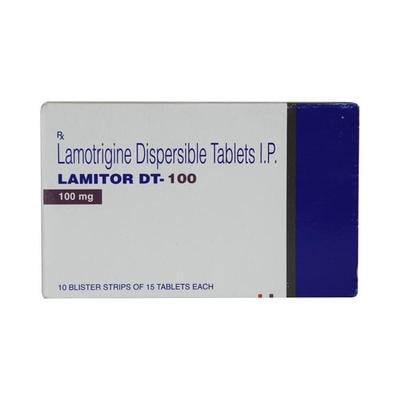
Lamitor DT 100mg Tablet contains lamotrigine, a well-studied anti-epileptic molecule that supports balanced electrical and chemical signalling in the brain. It is commonly included in long-term medical care plans for epilepsy and bipolar I disorder, particularly where maintaining stable brain activity and mood consistency is important. The dispersible tablet (DT) formulation allows easy administration, making it suitable for patients who have difficulty swallowing conventional tablets.
Lamotrigine works by regulating voltage-sensitive sodium channels, which helps reduce excessive nerve firing in the brain. Clinical evidence supports its role in seizure control and mood stabilization, especially for depressive phases in bipolar I disorder. Lamitor DT 100mg Tablet is often considered suitable for adults, children, and elderly patients, with dosing individualized based on age, medical history, and response, under strict medical supervision.
The tablet should be taken exactly as prescribed by a doctor, usually once or twice daily. It can be dispersed in a small amount of water before intake and may be taken with or without food. Doses are generally started low and increased gradually to allow the body to adjust. Patients should not stop the medicine suddenly or change the dose without consulting their doctor, as this may affect neurological stability.
Important precautions include watching for skin rashes, unusual mood changes, dizziness, or coordination difficulties, especially during the initial weeks. Use during pregnancy and breastfeeding should be based on medical advice after carefully assessing potential benefits and risks. Commonly reported side effects include headache, dizziness, nausea, sleepiness, and mild skin rash, which are usually temporary. Regular follow-ups help ensure the medicine continues to suit the patient’s needs safely.
Uses Of LAMITOR DT 100MG TABLET
- Epilepsy
- Bipolar I disorder
Benefits of LAMITOR DT 100MG TABLET
Lamitor DT 100mg Tablet for Epilepsy
Lamitor DT 100mg Tablet contains lamotrigine, which helps stabilize electrical activity in the brain. It is commonly prescribed as part of epilepsy management under medical supervision and is suitable for long-term use when taken as advised.
Lamitor DT 100mg Tablet for Bipolar I Disorder
Lamitor DT 100mg Tablet supports balanced brain signalling and is often included in care plans for bipolar I disorder. It helps maintain mood stability, especially during depressive phases, when used consistently under a doctor’s guidance.
How LAMITOR DT 100MG TABLET Works
Mechanism of Action of Lamitor DT 100mg Tablet
Lamitor DT 100mg Tablet contains lamotrigine, a molecule that helps regulate electrical activity in the brain. It works by inhibiting voltage-sensitive sodium channels in nerve cells, which helps stabilize nerve signals and prevent excessive or irregular firing. By maintaining balanced nerve communication, Lamitor DT supports consistent brain activity and helps with mood stabilization in patients under medical supervision.
How to use LAMITOR DT 100MG TABLET
How to Take Lamitor DT 100mg Tablet
- Take the tablet exactly as prescribed by your doctor.
- Disperse the tablet in a small amount of water before consuming for easier intake.
- Can be taken with or without food; taking it with food may reduce mild stomach discomfort.
- Follow the prescribed schedule carefully to maintain stable nerve activity and mood support.
- If you miss a dose, take it as soon as you remember; if it’s almost time for the next dose, skip the missed one.
- Do not take a double dose to make up for a missed dose.
- Avoid crushing or breaking the tablet unless your doctor advises.
- Maintain regular doctor visits to monitor your response and adjust dosage if needed.
What if I forgot to take LAMITOR DT 100MG TABLET
- Take the missed dose as soon as you remember.
- If it is almost time for your next scheduled dose, skip the missed dose and continue with your regular schedule.
- Do not take a double dose to make up for the missed one.
- Always follow your doctor’s instructions for any changes in dosing.
Overdose
If you or someone else accidentally takes more than the prescribed dose of Lamitor DT 100mg Tablet, seek medical advice immediately or go to the nearest hospital. Signs of an overdose may include problems with coordination, balance, or speech, rapid and uncontrolled eye movements, seizures, and reduced alertness or consciousness.
Side Effects Of LAMITOR DT 100MG TABLET
Common side effects of Lamitor DT 100mg Tablet
- dizziness, headache
- sleepiness or lack of sleep
- shaking, lack of coordination
- back pain, tiredness
- nausea, vomiting, stomach pain
- diarrhoea, dry mouth
- rash
- blurred or double vision
- fever, stuffy nose, sore throat
- infections (including seasonal flu)
When to Seek Medical Attention?
Stop taking Lamitor DT 100mg Tablet and contact your doctor immediately if you experience any of the following side effects:
- serious skin reaction (skin rash, blistering or peeling, hives, painful sores in your mouth or around your eyes)
- blood or liver problems (fever, frequent infections, severe muscle pain, swollen face, eyes, lips, tongue or lymph nodes, unusual bruising or bleeding, paleness, weakness, fatigue, yellow skin or eyes, trouble walking or seeing, fits for the first time or happening more often, pain or tenderness in upper stomach area)
- heartbeat problems (fast, slow or pounding heartbeat, feel your heart skip a beat, breathlessness, chest pain, light-headedness)
- (suicidal ideas or attempt, new or worsening depression, anxiety or irritability, agitation or restlessness, aggression, anger or violence, acting on dangerous impulses, panic attacks, trouble sleeping, extremely increased activity and talking, other unusual changes in behaviour or mood)
- aseptic meningitis (headache, fever, nausea, vomiting, stiff neck, rash, unusual light sensitivity, muscle pains, chills, confusion, drowsiness)
How To Manage Side Effects

Dry Mouth
- Sip water frequently: Take small sips of water throughout the day to keep your mouth moist. Avoid gulping large amounts at once.
- Chew sugar-free gum or suck on sugar-free lozenges: This helps stimulate saliva flow and keeps the mouth feeling fresh.
- Rinse with warm salt water: Mix half a teaspoon of salt in a glass of warm water and rinse gently. This helps soothe dryness and maintain oral comfort.
- Use a humidifier at night: Adding moisture to the air, especially while sleeping, can reduce mouth dryness caused by breathing through the mouth.
- Limit caffeine and alcohol: Coffee, tea, and alcohol can worsen dryness. Try reducing intake and switch to herbal teas or plain water.
- Eat water-rich foods: Include fruits and vegetables like cucumber, watermelon, oranges, and grapes to support hydration.
- Avoid tobacco products: Smoking or chewing tobacco can increase dryness and irritation in the mouth.
- Apply coconut oil or olive oil: Gently coating the mouth or lips with a small amount may provide temporary moisture relief.

Skin rash Or Itching
- Keep the area clean and dry: Gently wash with lukewarm water and a mild, fragrance-free cleanser. Pat dry; avoid rubbing the skin.
- Apply a cold compress: Placing a clean, cool cloth on the rash for 10–15 minutes can help soothe irritation and reduce itching.
- Aloe vera gel: Apply fresh aloe vera gel to the affected area. It helps calm the skin and provides a cooling effect.
- Oatmeal bath: Adding finely ground oatmeal to lukewarm bath water can help relieve itching and skin discomfort.
- Coconut oil: Applying a thin layer of virgin coconut oil helps moisturize dry skin and supports skin barrier comfort.
- Avoid scratching: Scratching can worsen irritation and increase the risk of infection. Keep nails short if itching is severe.
- Wear loose cotton clothing: Breathable fabrics reduce friction and allow the skin to heal comfortably.
- Avoid known irritants: Stay away from harsh soaps, perfumes, cosmetics, or detergents that may aggravate the rash.

Stomach Pain
- Warm water or herbal tea: Sip warm water or mild herbal teas like ginger or chamomile. This helps relax the stomach and ease discomfort.
- Ginger: Ginger supports digestion and may reduce bloating and discomfort. You can chew a small piece or drink ginger tea.
- Ajwain (carom seeds): Roast ajwain lightly, crush it, and take with warm water. It is commonly used for gas-related stomach discomfort.
- Peppermint: Peppermint tea or a few fresh leaves can help calm the stomach and reduce cramping.
- Apply a warm compress: Placing a warm water bag on the abdomen helps relax muscles and may reduce pain.
- Eat light, bland foods: Choose foods like rice, curd, bananas, or toast until the stomach feels better. Avoid oily or spicy foods.
- Stay hydrated: Drink small sips of water regularly, especially if the pain is linked to indigestion or dehydration.
- Avoid lying down immediately after meals: Sitting upright or walking slowly after eating supports digestion.
Warning & Precautions

Pregnancy
Use with CautionLamitor DT 100mg Tablet should be used with caution in women who are pregnant or planning to have a baby. Consult your doctor before taking it.

Breastfeeding
Use with CautionLamitor DT 100mg Tablet should be used with caution in breastfeeding women as it may pass through the breast milk. Consult your doctor before taking it.

Driving and Using Machines
Use with CautionDo not drive or operate any machines if you experience dizziness, sleepiness and other symptoms and signs of central nervous system depression after taking Lamitor DT 100mg Tablet.

Kidney
Use with CautionLamitor DT 100mg Tablet should be taken with caution in patients with kidney impairment. Consult your doctor before taking it.

Liver
Use with CautionLamitor DT 100mg Tablet should be taken with caution in patients with moderate to severe liver problems. Consult your doctor before taking it.

Allergy
ContraindicatedDo not take Lamitor DT 100mg Tablet if you are allergic to Lamotrigine or any of the other ingredients of this medicine. Inform your doctor if you had a rash or allergic reaction to another antiepileptic medicine.

Heart Disease
Use with CautionLamitor DT 100mg Tablet should be taken with caution in patients with a personal or family history of heart problems or irregular heartbeats, including genetic abnormalities. Consult your doctor before taking it.

Use In Pediatrics
Consult your doctorLamitor DT 100mg Tablet is not recommended for use in children (under 2 years of age). Consult your child’s doctor for advice.

Use In Geriatrics
Use with CautionLamitor DT 100mg Tablet should be used with caution in elderly patients (aged above 75 years). Consult your doctor before taking it.
Other Warnings for LAMITOR DT 100MG TABLET
Before taking Lamitor DT 100mg Tablet, inform your doctor if you:
- have or had depression, suicidal ideas or behaviour or mood problems
- had aseptic meningitis after taking Lamitor DT 100mg Tablet
Safety Advice
- Monitor mental and behavioural changes: Inform your doctor if you notice unusual mood changes, restlessness, irritability, or changes in sleep patterns during use.
- Infection-like symptoms: Seek medical advice if you experience unexplained fever, sore throat, swollen glands, or general weakness, as these may need evaluation.
- Hormonal medicine awareness: Hormonal contraceptives may affect lamotrigine levels in the body. Always inform your doctor if you start or stop such medicines.
- Consistent brand usage: Avoid switching brands or formulations without consulting your doctor, as dosage strength and absorption may vary.
- Long-term use monitoring: Regular follow-ups help ensure the medicine continues to suit your condition and dosage remains appropriate.
- Do not share medicine: Lamitor DT is prescribed based on individual medical needs and should not be shared with others.
Diet and Lifestyle Advice
- Follow a regular sleep routine: Adequate and consistent sleep supports stable mood and healthy brain function.
- Manage stress effectively: Activities like meditation, deep breathing, yoga, or light exercise may help maintain emotional balance.
- Stay physically active: Gentle exercises such as walking or stretching can improve overall well-being.
- Maintain medication consistency: Take Lamitor DT at the same time each day to support steady levels in the body.
- Avoid sudden lifestyle changes: Sudden changes in diet, sleep, or daily routine may affect how the body responds to the medicine.
- Keep regular medical follow-ups: Routine check-ups help ensure the dosage remains appropriate over time.
1. Lamitor DT 100mg Tablet vs Sabril (Vigabatrin)
|
Feature |
Lamitor DT 100mg Tablet |
Sabril (Vigabatrin) |
|
Active Ingredient |
Lamotrigine |
Vigabatrin |
|
Formulation |
Dispersible tablet (DT) – can be dissolved in water |
Tablet – standard oral tablet |
|
Primary Use |
Supports balanced nerve signaling for seizures and mood stabilization under medical supervision |
Used for controlling certain types of seizures, often as an adjunct therapy |
|
Ease of Use |
DT form allows easier swallowing, flexible dosing for children/elderly |
Standard tablet, may be harder for some patients to swallow |
|
Administration |
Can be taken with or without food; dose adjustments under doctor guidance |
Usually taken with water; strict monitoring recommended due to potential side effects |
|
Safety Considerations |
Side effects include mild dizziness, headache, nausea, and rare severe rash |
Can cause vision-related issues (visual field defects); strict monitoring required |
|
Special Precautions |
Suitable for children, elderly, and patients needing flexible dosing |
Reserved for specific cases; requires regular ophthalmologic exams |
|
Medical Supervision |
Required for dose adjustment and monitoring neurological response |
Essential due to risk of irreversible side effects |
Drug - Drug interaction
1. Other Anti-Epileptic Medicines (Valproate, Carbamazepine, Phenytoin)
- Interaction: Some anti-epileptic medicines can either increase or decrease lamotrigine levels in the body, affecting its safety and response.
- Management: Doctors usually adjust the Lamitor DT dose carefully and monitor symptoms closely when these medicines are used together.
2. Hormonal Contraceptives (Birth Control Pills)
- Interaction: Hormonal contraceptives may lower lamotrigine levels, reducing its effectiveness. Lamotrigine may also reduce contraceptive reliability in some cases.
- Management: Your doctor may modify the dose or suggest alternative contraceptive methods with regular follow-up.
3. Rifampicin (Antitubercular agents)
- Interaction: Rifampicin can reduce lamotrigine levels by increasing its breakdown in the body.
- Management: Dose adjustment and close monitoring may be required if both medicines are used together.
4. Sertraline and Other Antidepressants
- Interaction: Certain antidepressants may increase the risk of side effects such as dizziness or coordination problems when taken with lamotrigine.
- Management: Doctors usually start with lower doses and monitor mood and neurological symptoms carefully.
5. Protease Inhibitors (HIV Medicines such as Lopinavir/Ritonavir)
- Interaction: These medicines can alter lamotrigine metabolism, leading to reduced blood levels.
- Management: Regular monitoring and possible dose adjustments are advised under medical supervision.
6. Over-the-Counter Medicines and Herbal Products
- Interaction: Some OTC medicines or herbal supplements may interfere with lamotrigine levels or increase drowsiness.
- Management: Always consult your doctor or pharmacist before using any non-prescription product along with Lamitor DT.
Drug - Food interaction
1. Food (General Meals)
- Interaction: Food does not significantly affect the absorption of Lamitor DT 100mg Tablet.
- Management: Lamitor DT can be taken with or without food. If mild stomach discomfort occurs, taking it with food may help.
2. Caffeine (Coffee, Tea, Energy Drinks)
- Interaction: Excessive caffeine may increase restlessness, sleep disturbance, or nervousness, which may overlap with lamotrigine-related effects.
- Management: Limit caffeine intake and observe how your body responds. Choose decaffeinated or herbal options if needed.
3. High-Fat or Heavy Meals
- Interaction: Very heavy or fatty meals may delay the onset of action, although overall absorption remains unchanged.
- Management: Maintain regular meal patterns and avoid unusually heavy meals around dosing time for consistency.
4. Herbal Supplements (St John’s Wort, Herbal Brain Tonics)
- Interaction: Certain herbal products may affect lamotrigine metabolism or increase the risk of side effects.
- Management: Consult your doctor or pharmacist before using any herbal supplements along with Lamitor DT.
5. Grapefruit and Grapefruit Juice
- Interaction: While not a strong interaction, grapefruit may affect enzymes involved in drug metabolism in some individuals.
- Management: It is safer to limit grapefruit intake and maintain a consistent diet while taking Lamitor DT.
Synopsis
|
Drug |
|
|
Pharmacological Category |
Phenyltriazine Antiepileptics |
|
Therapeutic Indication |
Epilepsy, Bipolar disorder |
|
Dosage Forms |
Tablet, Dispersible tablet |
More Information
Storage
- Store at room temperature.
- Keep out of reach of children and pets.
FAQs About LAMITOR DT 100MG TABLET
Q: What is Lamitor DT 100mg Tablet used for?
A: Lamitor DT 100mg Tablet contains lamotrigine, which helps support balanced nerve signals in the brain. It comes as a dispersible tablet for easier swallowing and accurate dosing.
Q: How should I take Lamitor DT 100mg Tablet?
A: Take the tablet exactly as prescribed by your doctor. You can dissolve it in water before consuming for easier intake. Follow the recommended schedule carefully.
Q: What should I do if I miss a dose?
A: Take the missed dose as soon as you remember. If it’s almost time for your next dose, skip the missed one. Never take a double dose.
Q: Can I take Lamitor DT 100mg Tablet with food?
A: Yes, it can be taken with or without food. Taking it with food may help reduce mild stomach discomfort.
Q: How long does it take to work?
A: The effect varies between individuals. Consistent daily use as prescribed helps maintain stable nerve signalling over time.
Q: Can children take Lamitor DT 100mg Tablet?
A: Yes, children can take it if prescribed. The dispersible form allows flexible dosing for younger patients, as directed by a doctor.
Q: Can elderly patients take Lamitor DT?
A: Yes, elderly patients can take it under medical supervision. Doctors may adjust doses carefully for safety.
Q: What are the common side effects of Lamitor DT?
A: Mild side effects may include dizziness, headache, nausea, sleepiness, or mild skin rash. These usually improve with continued use.
Q: Are there serious side effects?
A: Serious reactions are rare but may include severe skin rash, allergic symptoms, or unusual changes in alertness. Seek medical help immediately if these occur.
Q: Can I take Lamitor DT with other medicines?
A: Inform your doctor about all medicines you take. Lamotrigine may interact with other anti-epileptic drugs or hormonal medications.
Q: What if I take too much Lamitor DT?
A: Seek medical help immediately. Overdose symptoms may include coordination problems, rapid eye movements, seizures, or reduced consciousness.
Q: Can I crush or split Lamitor DT Tablet?
A: You can dissolve it in water for easier intake. Do not crush or break it unless your doctor advises.
Q: How long should I take Lamitor DT Tablet?
A: Take it as prescribed by your doctor. Duration may vary depending on your condition and response to therapy.
Q: Does Lamitor DT affect mood?
A: Lamotrigine supports mood stabilization under medical guidance. Any sudden mood changes should be reported to your doctor.
Q: Can I stop Lamitor DT suddenly?
A: Do not stop suddenly. Gradual dose reduction under doctor supervision is recommended to avoid side effects or recurrence of symptoms.
Q: How do I know if Lamitor DT is working?
A: Your doctor will monitor seizure frequency, mood stability, and overall neurological status to assess effectiveness.
Q: Can Lamitor DT be used for other conditions?
A: Use only as prescribed by your doctor. It may be prescribed for other neurological conditions under medical guidance.
References
1. Brunton L.L., Hilal-Dandan R, Knollmann B.C. Pharmacotherapy of the Epilepsies. Goodman & Gilman's: The Pharmacological Basis of Therapeutics. Thirteenth Edition. 2017. Page - 316.
2. KD. Tripathi. Antiepileptic drugs. Essentials of Medical Pharmacology. Eighth edition. 2019. Page – 445.
3. Felicity Ng, Karen Hallam, Nellie Lucas and Michael Berk. The role of lamotrigine in the management of bipolar disorder. NIH National Library of Medicine, National centre for biotechnology information. PubMed central. [ Revised in August 2007]. [Accessed on 24th December 2025] 
4. Ebrahimi HA, Ebrahimi F. The effect of lamotrigine on epilepsy. NIH National Library of Medicine, National center for biotechnology information. Pubmed central. [Revised in 2012]. [Accessed on 24th December 2025] 
5. Generics [UK] Ltd. Electronic Medicines Compendium (EMC). [Revised in May 2025] [Accessed on 24th December 2025]
6. Delpharm Poznan Spólka Akcyjna. Electronic Medicines Compendium (EMC). [Revised in June 2025] [Accessed on 24th December 2025]
7. GlaxoSmithKline. Lamictal (Lamotrigine tablets). [Revised in October 2025] [Accessed on 24th December 2025]
Author Details