



Netmeds First Membership
Quick Links
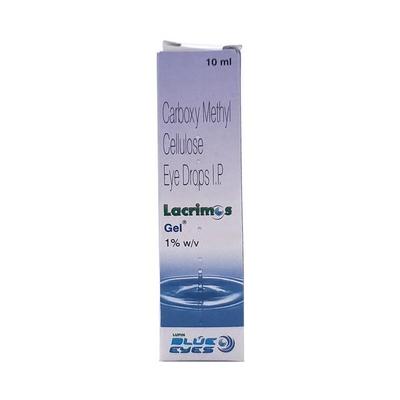
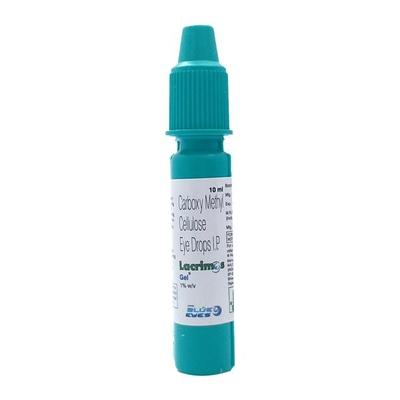
Introduction About LACRIMOS 1% GEL
LACRIMOS 1% GEL contains Carboxymethylcellulose, which belongs to the group of medicines called Topical ophthalmic lubricants. It is used to manage dryness of the eye due to exposure to wind or sun and following a laser or cataract eye surgery. It is also used to protect the eyes from further irritation. The symptoms may include discomfort, irritation, burning, a foreign body sensation in the eye, etc.
Before using LACRIMOS 1% GEL, inform your doctor if you wear contact lenses, as it is not recommended for use while using this medicine. The associated risks and benefits of using LACRIMOS 1% GEL in children and pregnant and breastfeeding women are unclear.
The most common side effects of LACRIMOS 1% GEL include stinging, burning, irritation or itching sensation of the eye, blurring of vision, etc. Consult your doctor immediately or visit a nearby hospital if any of the symptoms worsen.
Uses Of LACRIMOS 1% GEL
LACRIMOS 1% GEL is used to manage allergic and inflammatory conditions of the eye such as
- Manage dryness of the eye
- Manage eye dryness following a laser or cataract eye surgery
How LACRIMOS 1% GEL Works
LACRIMOS 1% GEL works as a lubricant and moisturizer that maintains the water balance of the eye, similar to natural tears. As a result, it relieves the symptoms of eye dryness.
How to use LACRIMOS 1% GEL
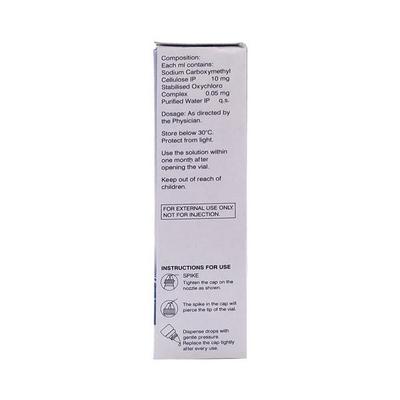
Always use LACRIMOS 1% GEL as advised by your doctor. It is for ophthalmic use only. Instill a few drops of the medicine into the eye as advised by your doctor.
Side Effects Of LACRIMOS 1% GEL
Common
- Stinging or burning sensation of the eye
- Irritation of the eye
- Impaired or blurring of vision
Rare
Stop taking LACRIMOS 1% GEL and contact your doctor immediately if you experience any of the following side effects:
- Severe allergic reactions
- Eye pain, impaired vision
- Worsening or severe redness or irritation of the eye
How To Manage Side Effects
Eye irritation Or Itching
Apply a cold compress to the affected area. A cool compress applied to your closed eyes several times a day will help lessen redness and swelling.
Warning & Precautions

Pregnancy
Use with CautionLACRIMOS 1% GEL should be used with caution in pregnant women. Consult your doctor before taking LACRIMOS 1% GEL.

Breastfeeding
Use with CautionLACRIMOS 1% GEL should be used with caution in breastfeeding mothers. Consult your doctor before taking LACRIMOS 1% GEL.

Driving and Using Machines
ContraindicatedDo not drive or operate a machine if you feel blurring of vision while using LACRIMOS 1% GEL.

Allergy
ContraindicatedDo not take LACRIMOS 1% GEL if you are allergic to carboxymethylcellulose.

Use In Pediatrics
Consult your doctorThe risks and benefits of using LACRIMOS 1% GEL in children are unclear. Consult your doctor for advice.

Use In Geriatrics
Consult your doctorThe risks and benefits of using LACRIMOS 1% GEL in the elderly are unclear. Consult your doctor for advice.
Others
Before taking LACRIMOS 1% GEL, inform your physician if you:
- Wear contact lenses
Interactions
A. Drug-Drug interactions:
Inform your doctor if you're using any medicine or herbs before taking LACRIMOS 1% GEL.
Overdosage:
If you or anyone else accidentally takes too much of LACRIMOS 1% GEL, consult your doctor immediately or visit the nearby hospital if the symptoms worsen.
Synopsis
| Drug | : | Carboxymethylcellulose |
| Pharmacological Category | : | Topical ophthalmic eye lubricant and moisturizer |
| Therapeutic Indication | : | To manage eye dryness |
| Dosage Forms | : | Eye drops |
More Information
Storage
- Keep out of reach of children
- Store at room temperature
FAQs About LACRIMOS 1% GEL
Q: What is LACRIMOS 1% GEL used for?
A: LACRIMOS 1% GEL is used to manage dryness of the eye due to exposure to wind or sun and following laser or cataract eye surgery. It is also used to protect the eyes from further irritation. The symptoms may include discomfort, irritation, burning, a foreign body sensation in the eye, etc.
Q: How long should I take LACRIMOS 1% GEL?
A: Your doctor will decide the dose, duration, and frequency of LACRIMOS 1% GEL for use depending upon your age, body weight, and severity of your disease condition. Consult your doctor for advice on using LACRIMOS 1% GEL.
Q: Can I drive after taking LACRIMOS 1% GEL?
A: If you experience blurred or impaired vision after taking LACRIMOS 1% GEL, do not drive or operate any machinery. Consult your doctor for advice.
Q: How often LACRIMOS 1% GEL can be used?
A: LACRIMOS 1% GEL is used to manage the dryness of the eye. Consult your doctor for advice to use this medicine. Your doctor will decide the frequency and duration of using this medicine based on your existing condition.
Q: What are the side effects caused by prolonged use of LACRIMOS 1% GEL?
A: The side effects of LACRIMOS 1% GEL include irritation, stinging or burning sensation of the eye, blurring of vision, etc. If the symptoms worsen, contact your doctor immediately.
Q: Is LACRIMOS 1% GEL safe for use in patients with cataracts?
A: LACRIMOS 1% GEL is recommended for use to manage dryness of the eye following eye surgery such as LASIK and cataract surgery in the eye. However, consult your doctor for advice before use.
Q: Can LACRIMOS 1% GEL be used while wearing contact lenses?
A: No. Do not wear contact lenses while using LACRIMOS 1% GEL. Consult your doctor for advice, as it’s not recommended to wear while using LACRIMOS 1% GEL.
Q: Is LACRIMOS 1% GEL safe for use during pregnancy?
A: The associated risks and benefits of using LACRIMOS 1% GEL in pregnant women and breastfeeding mothers are unclear. However, no precautionary measures are advised for using LACRIMOS 1% GEL in pregnant women. Consult your doctor for advice.
Q: How should I use LACRIMOS 1% GEL?
A: Always use LACRIMOS 1% GEL as advised by your doctor. It is for ophthalmic use only. Instill a few drops of the medicine into the eye as advised by your doctor.
Q: Is LACRIMOS 1% GEL safe for kids?
A: The risks and benefits of using LACRIMOS 1% GEL in children are unclear. Consult your doctor for advice.
References
1. KD Tripathi. Drugs Acting on Skin and Mucous Membranes. Essentials of Medical Pharmacology. 8th Edition. 2019. Page – 946.
2. M Labetoulle, F Chiambaretta, A Shirlaw, R Leaback, and C Baudouin. NIH National Library of Medicine, National Center for Biotechnology Information. Osmoprotectants, carboxymethylcellulose, and hyaluronic acid multi-ingredient eye drop: a randomised controlled trial in moderate to severe dry eye. [Revised in April 2017] [Accessed on 11th July 2024] https://www.ncbi.nlm.nih.gov/pmc/articles/PMC5639191/
3. Ke Yao, Yongzhen Bao, Jian Ye, Yi Lu, Hongsheng Bi, Xin Tang, Yune Zhao, Jinsong Zhang, and Jinling Yang. NIH National Library of Medicine, National Center for Biotechnology Information. Efficacy of 1% carboxymethylcellulose sodium for treating dry eye after phacoemulsification: results from a multicenter, open-label, randomized, controlled study. [Revised in March 2015] [Accessed on 11th July 2024] https://www.ncbi.nlm.nih.gov/pmc/articles/PMC4407782/
4. AvPAK. NIH National Library of Medicine, Dailymed. Carboxymethylcellulose sodium solution/drops. [Revised in March 2021] [Accessed on 11th July 2024] https://dailymed.nlm.nih.gov/dailymed/fda/fdaDrugXsl.cfm?setid=b478a695-ded0-2e5f-e053-2995a90ac45e&type=display
5. Cipla med. Flogel Eye Drops, Sodium carboxymethyl cellulose 1.0%. [Revised in November 2020] [Accessed on 11th July 2024] https://www.ciplamed.com/product-index/flogel-eye-drops
6. Centaur Pharmaceuticals. Relub DS, carboxymethyl cellulose 1%. [Revised in January 2022] [Accessed on 11th July 2024] https://www.centaurpharma.com/downloads/Relub%20LC.pdf
Useful Diagnostic Tests
- Complete Blood Count (CBC)/ Hemogram
- Healthy Midlife Checkup
- Men Health Checkup - Advanced
- Complete Women Checkup
- Full Body Checkup - Gold
- Elderly Checkup - Female
- Elderly Checkup - Male
- Full Body Checkup - Silver
Author Details