



Netmeds First Membership
Quick Links
Introduction About KOLQ INHALANT CAPSULE
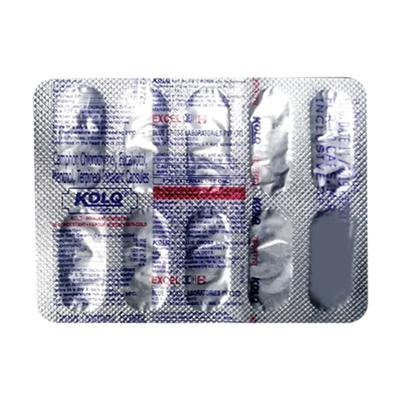
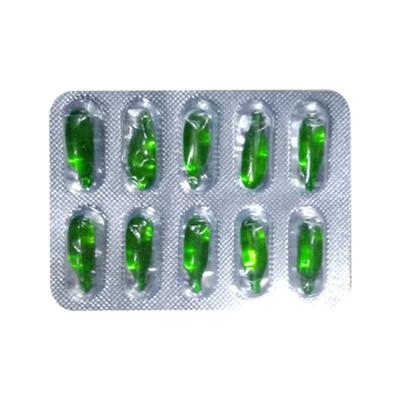
KOLQ INHALANT CAPSULE is a combination of Camphor, Chlorothymol, Eucalyptus Oil, Menthol, and Terpineol which belongs to the group of medicines called Antitussives, Antimicrobials, Expectorants, Nasal Decongestants, and Antibacterial agents respectively. It is used to provide immediate relief from the symptoms of common cold, sinusitis, pharyngitis, and other conditions of upper respiratory tract causing congestion.
The common cold is an upper respiratory tract infection that generally affects the throat and nose. It is characterized by congestion, nasal symptoms (including runny, itchy, stuffy nose, sneezing, and post-nasal drip), and cough.
Sinusitis is an inflammatory condition of the inner lining of cavities around the nasal passage. It is characterized by symptoms such as nasal congestion, facial pain, headache, post-nasal drip, sore throat, and cough.
Pharyngitis is an inflammatory condition of the throat that is characterized by symptoms such as pain, irritation, difficulty swallowing, and a burning sensation in the throat.
Do not take KOLQ INHALANT CAPSULE if you are allergic to terpineol and/or any other ingredients of this medicine. Before taking this medicine, inform your doctor if you are suffering from liver impairment or kidney failure. KOLQ INHALANT CAPSULE is not recommended for use by pregnant or breastfeeding women. KOLQ INHALANT CAPSULE should be used with caution in children (aged below 6 years).
The most common side effects associated with the use of KOLQ INHALANT CAPSULE are nasal irritation, nausea, vomiting, abdominal pain, headache, dizziness, and confusion. Consult your doctor if any of your symptoms worsen.
Uses Of KOLQ INHALANT CAPSULE
- Provides immediate relief from the symptoms of common cold, sinusitis, pharyngitis, and other conditions of upper respiratory tract causing congestion
How KOLQ INHALANT CAPSULE Works
KOLQ INHALANT CAPSULE helps in reducing the symptoms of respiratory infection, where camphor inhibits cough by acting on certain receptors in the brainstem that control the cough reflex.
Chlorothymol works by inhibiting the growth and multiplication of infection-causing agents such as bacteria and viruses. Eucalyptus oil works by inhibiting the secretion of mucous, reducing its viscosity, and accelerating the movement of mucus for its clearance.
Menthol works by minimizing the nasal congestion and providing a cooling effect, thereby minimizing the irritation in the airway. Terpineol works by killing or stopping the multiplication of bacteria that cause infection.
How to use KOLQ INHALANT CAPSULE
Take KOLQ INHALANT CAPSULE as advised by your physician. It is for inhalational use only. Snip off the capsule, squeeze the contents into a half litre of boiling water or on tissue or cloth, and inhale the vapours deeply and freely. At night, the inhalant can be effectively used on the pillow or nightdress. Your doctor will determine the correct dose and duration for you depending upon your age, body weight, and disease condition.
Side Effects Of KOLQ INHALANT CAPSULE
Common
- nasal irritation
- nausea
- vomiting
- abdominal pain
- headache
- dizziness
- confusion
- agitation
- anxiety
- unrealistic visions
- abnormal muscle jerks
- overactive body reflexes
How To Manage Side Effects

Dizziness Or Drowsiness
Lie down until the dizziness passes and get up slowly. Do not bend down suddenly. Get a lot of rest. Walk slowly and carefully. Take plenty of fluids. Avoid drinking coffee, alcohol, or smoking. Consult your doctor if the condition persists for long or gets worsened.

Headache
Take rest and plenty of water. Avoid taking alcohol and skipping meals. Do not strain your eyes by watching screen for long time. Consult your doctor if the condition persists for long or gets worsened.

Nausea And Vomiting
Drink lots of fluids, such as water to keep yourself hydrated. Stick to simple meals. Avoid eating rich or spicy food. Consult your doctor if the symptom gets worse.
Warning & Precautions

Pregnancy
ContraindicatedKOLQ INHALANT CAPSULE is not recommended for use in pregnant women. Consult your doctor before taking it.

Breastfeeding
ContraindicatedKOLQ INHALANT CAPSULE is not recommended for use in breastfeeding women. Consult your doctor before taking it.

Kidney
Use with CautionKOLQ INHALANT CAPSULE should be used with caution in patients with renal failure. Consult your doctor before taking it.

Liver
Use with CautionKOLQ INHALANT CAPSULE should be used with caution in patients with liver impairment. Consult your doctor before taking it.

Allergy
ContraindicatedDo not take KOLQ INHALANT CAPSULE if you are allergic to terpineol, and/or any other ingredients of this medicine. Consult your doctor before taking it.

Use In Pediatrics
Use with CautionKOLQ INHALANT CAPSULE be used with caution in children (below 6 years). Consult your doctor before taking it.
Interactions
A. Drug-Drug Interactions:
Before taking KOLQ INHALANT CAPSULE, inform your doctor, if you are taking any prescription, non-prescription or herbal medicine.
Overdosage:
If you or anyone else accidentally takes too much of KOLQ INHALANT CAPSULE, consult your doctor immediately or visit the nearby hospital. General symptomatic and supportive management will be given in case of overdosages if necessary. However, there is limited known cases of overdose with this medicine.
Synopsis
| Drug | : | Camphor, Chlorothymol, Eucalyptus Oil, Menthol, and Terpineol |
| Pharmacological Category | : | Antitussives, Antimicrobials, Expectorants, Nasal Decongestants, and Antibacterial agents |
| Therapeutic Indication | : | Symptoms of common cold, sinusitis, pharyngitis, and other conditions of upper respiratory tract causing congestion |
| Dosage Forms | : | Inhalational capsules, Capsule |
More Information
- Keep the medicine out of reach of children
- Store below 25°C
FAQs About KOLQ INHALANT CAPSULE
Q: What is KOLQ INHALANT CAPSULE used for?
A: KOLQ INHALANT CAPSULE is used to provide immediate relief from the symptoms of the common cold, sinusitis, pharyngitis, and other conditions of the upper respiratory tract causing congestion. Consult your doctor before taking it.
Q: What happens if you take more KOLQ INHALANT CAPSULE than your required dose?
A: If you or anyone else accidentally takes too much KOLQ INHALANT CAPSULE, consult your doctor immediately or visit the nearby hospital. General symptomatic and supportive management will be given in case of overdosages, if necessary. However, there are only a limited number of known cases of overdose with this medicine.
Q: How does KOLQ INHALANT CAPSULE work?
A: KOLQ INHALANT CAPSULE helps in reducing the symptoms of respiratory infection, where camphor inhibits cough by acting on certain receptors in the brainstem that control the cough reflex. Chlorothymol works by inhibiting the growth and multiplication of infection-causing agents such as bacteria and viruses.
Eucalyptus oil works by inhibiting the secretion of mucous, reducing its viscosity, and accel erating the movement of mucus for its clearance. Menthol works by reducing nasal congestion and providing a cooling effect, thereby reducing airway irritation. Terpineol works by killing or stopping the multiplication of bacteria that cause infection.
Q: What side effects are seen with KOLQ INHALANT CAPSULE?
A: The most common side effects associated with the use of KOLQ INHALANT CAPSULE are nasal irritation, nausea, vomiting, abdominal pain, headache, dizziness, and confusion. Consult your doctor if any of these symptoms worsen.
Q: Who should avoid taking KOLQ INHALANT CAPSULE?
A: Do not take KOLQ INHALANT CAPSULE if you are allergic to terpineol and/or any other ingredients of this medicine. It is not recommended to use this medicine for pregnant or breastfeeding women. Consult your doctor before taking it.
Q: Is KOLQ INHALANT CAPSULE safe to use in children's books?
A: KOLQ INHALANT CAPSULE should be used with caution in children (aged below 6 years). This is because it contains camphor, which may cause camphor poisoning in children. Consult your doctor before taking it.
Q: Is KOLQ INHALANT CAPSULE safe for use by pregnant and breastfeeding women?
A: KOLQ INHALANT CAPSULE is not recommended for use in pregnant and breastfeeding women as this medicine contains camphor, which is believed to be highly toxic to humans. Consult your doctor before taking it.
Q: What are the special warnings and precautions for using KOLQ INHALANT CAPSULE?
A: Avoid direct contact of KOLQ INHALANT CAPSULE with the eyes and nostrils. If this medication gets into your eyes or nostrils, rinse thoroughly with cold water.It is not recommended for oral use. Avoid exposing this medicine to a flame or microwave.
Q: How do I use KOLQ INHALANT CAPSULE?
A: Take KOLQ INHALANT CAPSULE as advised by your physician. It is for inhalational use only. Snip off the capsule, squeeze the contents into a half litre of boiling water or on tissue or cloth, and inhale the vapours deeply and freely. At night, the inhalant can be effectively used on the pillow or nightdress. Your doctor will determine the correct dose and duration for you depending upon your age, body weight, and disease condition.
Q: Is KOLQ INHALANT CAPSULE safe to use in kidney or liver patients?
A: KOLQ INHALANT CAPSULE should be used with caution in patients with liver impairment (loss of liver function) or renal failure (complete loss of kidney function). Consult your doctor before taking it.
References
1. KD Tripathi. Miscellaneous Drugs. Essentials of medical pharmacology. Seventh edition. 2013. Page – 888.
2. Camphor Poisoning: an Evidence-Based Practice Guideline for Out-of-Hospital Management. Anthony S. Manoguerra, Andrew R. Erdman, Paul M. Wax, Lewis S, Nelson, E. Martin Caravati, Daniel J. Cobaugh, Peter A. Chyka, Kent R. Olson, Lisa L. Booze, Alan D. Woolf, Daniel C. Keyes,Gwenn Christianson, Elizabeth J. Scharman, William G. Troutman. Taylor & Francis Online. Clinical Toxicology. October 2008. [Accessed on 29th September 2022] https://www.tandfonline.com/doi/full/10.1080/15563650600671696
3. Noura S. Dosoky1, William N. Setzer. Maternal Reproductive Toxicity of Some Essential Oils and Their Constituents. NIH National Library of Medicine. National Centre for Biotechnology Information. PMC PubMed Central. May 2020. [Accessed on 29th September 2022] https://www.ncbi.nlm.nih.gov/pmc/articles/PMC7956842/
4. Anton C. de Groot, Erich Schmidt. Tea tree oil: contact allergy and chemical composition. Wiley Online Library. Contact Dermatitis. May 2016. [Accessed on 29th September 2022] https://onlinelibrary.wiley.com/doi/full/10.1111/cod.12591
5. Softech Pharma Pvt. Ltd. Sinarest Vapocap. [Revised in January 2022] [Accessed on 29th September 2022] https://www.centaurpharma.com/downloads/2022/entchestphysician/cold/Sinarest%20vapocaps.pdf
Author Details