






Netmeds First Membership
Quick Links
Introduction About KETOADD DS TABLET
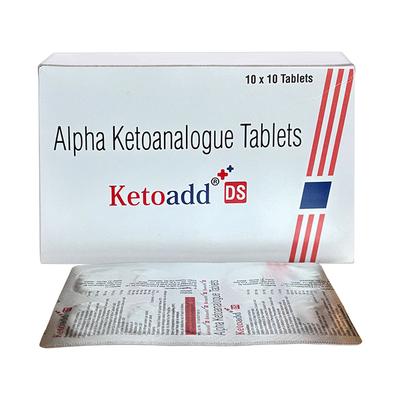
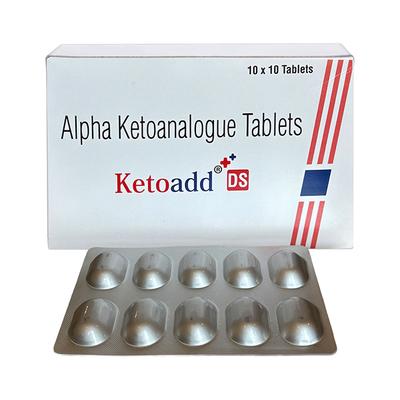
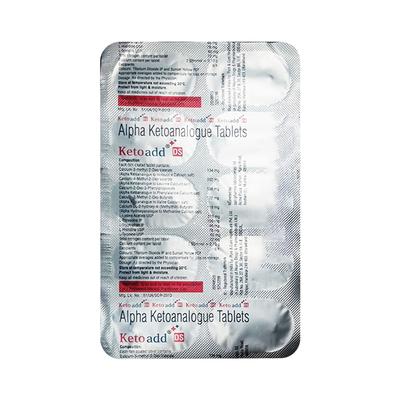
Ketoadd DS Tablet is a nutritional supplement used in the management of chronic kidney disease. It reduces urea levels in the blood and helps to control the progression of kidney disease. This way it delays the risk of undergoing long-term dialysis. Ketoadd Tablet contains Alpha Ketoanalogue, Histidine, Lysine, Threonine, Tryptophan, Tyrosine, Nitrogen, and Calcium.
Ketoadd DS Tablet is to be taken by mouth with or without food. Take it in the exact dose and duration as advised by the doctor. Taking it along with a low-protein diet may help get the best of the medicine. Ensure that you maintain adequate calorie intake during management. While you are taking this medicine, your doctor may advise regular monitoring of serum calcium levels.
There is limited data on the side effects of Ketoadd DS Tablet. Let your doctor know if you experience any symptoms while taking Ketoadd DS Tablet. They may be able to suggest ways to manage the side effects.
Before taking Ketoadd DS Tablet, it is important to tell your doctor if you are taking any other medicines for other health conditions. Avoid taking Ketoadd DS Tablet if you are allergic to its ingredients, or have high calcium levels (hypercalcemia). Regular monitoring of calcium levels is recommended during use.
Avoid combining Ketoadd DS Tablet with calcium-containing supplements or certain antibiotics (e.g., tetracyclines, quinolones) without consulting a doctor, as they may interfere with absorption. Pregnant, breastfeeding women, and individuals with liver disease should seek a doctor’s advice before use. Avoid activities requiring full mental alertness, such as driving, until you know how the medication affects you.
Uses Of KETOADD DS TABLET
- Management of Chronic kidney disease (CKD)
What to Expect With Regular Use?
- Supports overall nutritional goals for kidney health
- May assist in minimizing muscle breakdown
- Works best when used consistently along with diet
Benefits of KETOADD DS TABLET
1.Helps Balance Essential Amino Acids
Ketoadd provides keto analogues of essential amino acids, which may be converted into usable amino acids in the body without overloading the kidneys with nitrogen.
2.Supports Nutritional Needs in Low-Protein Diets
Often advised along with a low-protein renal diet, it may help meet protein-related nutritional requirements without increasing urea levels in the blood.
3.Designed to Reduce Nitrogen Load
By offering nitrogen-free precursors, Ketoadd may support reduced production of nitrogenous waste, helping in better metabolic balance for individuals with kidney issues.
4.Convenient Supplement Format
The tablet form makes it easier to follow prescribed dietary protocols, especially when paired with medical nutrition supervision.
5.May Help Delay Dietary Complications
Used alongside a controlled renal diet, it may assist in maintaining nutritional status and delaying the need for more aggressive interventions, depending on individual health assessments
How KETOADD DS TABLET Works
1. Converts to Essential Amino Acids
- The keto analogues in Ketoadd are structurally similar to essential amino acids but lack nitrogen.
- Once inside the body, they undergo transamination, converting into full amino acids by taking up nitrogen from other sources.
2. Helps Reduce Nitrogen Load
- This process allows the body to reuse existing nitrogen, helping avoid excess formation of nitrogenous waste (like urea).
- This is especially useful when kidney function is compromised, and waste excretion is limited.
3. Supports Muscle and Metabolic Health
- By contributing to protein synthesis without increasing the nitrogen burden, it helps maintain nutritional balance and supports muscle preservation during protein-restricted diets.
4. Complements Low-Protein Diet
- Ketoadd is not a protein substitute but works in combination with a low-protein renal diet to help fulfill amino acid requirements without straining kidney function.
How to use KETOADD DS TABLET
1. Recommended Dosage
- Typically, 1 tablet per 5 kg of body weight per day is suggested.
(e.g., a 60 kg individual may be advised ~12 tablets per day) - The total daily dose is usually divided into 3 or more smaller doses.
2. When to Take
- Take the tablet during meals.
- It is crucial to swallow it whole with water do not chew, crush, or break the tablet.
3. Frequency
- Usually taken 2 to 3 times a day, along with major meals like breakfast, lunch, and dinner.
4. Additional Tips for Safe Use
- Follow a low-protein diet as advised during Ketoadd supplementation.
- Stay consistent with timing for better metabolic balance.
- Avoid skipping doses, especially if on a strict dietary plan.
- Keep regular follow-ups with your doctor for lab tests like urea, creatinine, and eGFR.
5.Do Not Use If:
- You’re on a high-protein diet, unless medically advised
- There is severe liver dysfunction (consultation needed)
- You are not under professional dietary supervision
What if I forgot to take KETOADD DS TABLET
If you miss a dose, take it with your next meal unless it's close to your next scheduled dose. Do not take two doses at once. Maintaining a consistent schedule is key.
Side Effects Of KETOADD DS TABLET
Common
- Increased calcium levels
- Nausea
- Vomiting
- Diarrhoea
- Abdominal pain
When to Consult a Healthcare Provider Regarding Ketoadd
- Although most side effects are mild and temporary, contact your doctor if you notice unusual tiredness, allergic signs, or persistent gastrointestinal issues.
Warning & Precautions

Pregnancy
Consult your doctorInformation regarding the use of Ketoadd DS Tablet during pregnancy is not available. Please consult your doctor.

Breastfeeding
Consult your doctorInformation regarding the use of Ketoadd DS Tablet during breastfeeding is not available. Please consult your doctor.

Driving and Using Machines
Use with CautionKetoadd DS Tablet may decrease alertness, affect your vision or make you feel sleepy and dizzy. Do not drive if these symptoms occur.

Alcohol
Consult your doctorIt is not known whether it is safe to consume alcohol with Ketoadd DS Tablet. Please consult your doctor.

Kidney
SafeKetoadd DS Tablet is probably safe to use in patients with kidney disease. Limited data available suggests that dose adjustment of Ketoadd DS Tablet may not be needed in these patients. Please consult your doctor.

Liver
Consult your doctorThere is limited information available on the use of Ketoadd DS Tablet in patients with liver disease. Please consult your doctor.

Allergy
ContraindicatedDo not take this tablet if you are allergic to any of the ingrediets of this medicine.

Use In Pediatrics
Consult your doctorThe safety and efficacy of Ketoadd DS Tablet in children are not yet determined. Please consult your doctor if you have any concerns.

Use In Geriatrics
Use with CautionElderly individuals may require extra caution while using Ketoadd DS Tablet due to age-related physiological changes and the presence of other ongoing health conditions or medications.
Safety Advice
- Regular check-ups to monitor your condition will also be recommended.
- Food sodium and phosphorus levels may need to be constantly monitored by people with CKD, especially if their kidney disease is severe.
Diet and Lifestyle Advice
- It works best when combined with a low-protein diet since it slows the advancement of renal disease.
- People with kidney problems should reduce their sodium intake.
- Olive oil is a good source of fat and low in phosphorus, so it is a good choice for renal problems.
- Bulgur is a whole grain wheat product that is a great kidney-friendly alternative to other high-phosphorus, high-potassium whole grains.
- Blueberries are high in minerals and antioxidants, making them one of the finest foods you can eat.
Drug - Drug interaction
1. Calcium Supplements or Antacids
- Concurrent use with high-dose calcium or calcium-containing antacids may increase the risk of elevated calcium levels in the blood.
- Monitoring may be needed if both are prescribed.
2. Vitamin D or Phosphate Binders
- May require dosage adjustment or lab monitoring due to effects on calcium-phosphate balance in long-term use.
3. Diuretics (Water Pills)
- Medicines like furosemide or hydrochlorothiazide may increase risk of electrolyte disturbances when used along with Ketoadd.
- Doctors may advise regular blood tests to monitor electrolyte levels.
4. Other Protein or Amino Acid Supplements
- Taking multiple protein or amino acid-based products without medical guidance may lead to nutrient imbalance or excess nitrogen load.
Drug - Food interaction
Take With Food
- Always take Ketoadd with meals to ensure proper absorption and to avoid stomach discomfort.
High-Protein Diet
- Ketoadd is designed for people on a low-protein diet. Eating a high-protein meal can counteract its intended benefits and may put additional stress on kidney function.
Water Intake
- Maintain adequate fluid intake unless advised otherwise, to support kidney function and nutrient metabolism.
- Avoid alcohol consumption while taking Ketoadd DS Tablet as it might cause unpleasant side effects.
More Information
Did You Know?
- A low-protein diet may help manage nitrogen load in individuals with long-term kidney challenges—and ketoanalogues like those in Ketoadd are often integrated into such nutrition plans.
- Ketoanalogues are typically advised during main meals to align with natural amino acid metabolism and support protein balance in the body.
- Ketoadd DS Tablets contain nitrogen-free amino acid analogues, meaning they do not add extra nitrogen to the system—this is why they are often included in dietary routines where nitrogen restriction is a goal.
- Consistency matters: These tablets are generally more effective when taken regularly as part of a structured dietary approach rather than occasional use.
- These products do not replace protein, but complement a carefully reduced-protein intake that is typically monitored by a dietician or nephrologist.
- Electrolyte balance is key: Patients on renal diets are often advised to monitor not just protein but also potassium, sodium, and phosphorus intake, alongside using supplements like ketoanalogues.
Compare With Similar Nutritional Support Products
|
Product Name |
Key Nutrients |
Typical Use Case |
Form |
Meal-Time Use |
|
Ketoadd DS Tablet |
Ketoanalogues of essential amino acids |
Commonly included in low-protein diets for kidney-related nutritional goals |
Tablet |
With main meals |
|
Ketosteril Tablet |
Ketoanalogues + essential amino acids |
Used in structured dietary management for kidney health |
Tablet |
With meals |
|
Renolog Tablet |
Ketoanalogues + amino acids |
Often paired with low-protein diet under clinical guidance |
Tablet |
With meals |
|
Nephrokare Tablet |
Amino acids, vitamins, trace minerals |
General renal nutritional support when protein intake is restricted |
Tablet |
During meals |
|
Ketoneph Tablet |
Ketoanalogues + trace elements |
Supports renal diet customization with low protein intake |
Tablet |
With food |
FAQs About KETOADD DS TABLET
Q: What is the use of Ketoadd DS Tablet?
A: Ketoadd DS Tablet is used in the management of chronic kidney disease.
Q:How does Ketoadd DS Tablet work?
A: Ketoadd DS Tablet mimics the same catabolic pathways as amino acids and works by improving the protein metabolism, thereby improving renal function.
Q: Can I stop taking Ketoadd DS Tablet on my own?
A: To manage your condition effectually, continue taking Ketoadd DS Tablet for as long as your doctor has prescribed. Please do not stop taking Ketoadd DS Tablet without consulting your doctor.
Q: What are the main causes of chronic kidney disease (CKD)?
A: CKD is usually caused by various conditions such as high blood pressure, diabetes, high cholesterol, kidney infections, kidney inflammation, kidney stones that keep coming back, or an enlarged prostate, long-term, regular use of certain medicines lithium and non-steroidal anti-inflammatory drugs (NSAIDs).
Q: What are the tests for chronic kidney disease (CKD)?
A: CKD can be diagnosed using blood and urine tests such as glomerular filtration rate, serum creatinine levels and blood tests for urea nitrogen.
Q: What are the symptoms of chronic kidney disease (CKD)?
A: There are usually no symptoms of kidney disease in the early stages. At a more advanced stage, symptoms can include tiredness, swollen ankles, feet or hands, shortness of breath, feeling sick, blood in your pee (urine).
Q: Can Ketoadd be taken with other supplements?
A: Consult your healthcare provider before combining it with other amino acid or protein supplements.
Q: Should it be taken before or after food?
A: It is usually taken during meals to support better assimilation.
Q: Is this suitable for daily use?
A: Daily use may be advised depending on individual needs. Always use under medical supervision.
References
1. Barbara G. Wells, Joseph T. DiPiro, Terry L. Schwinghammer, Cecily V. DiPiro. Chronic Kidney Disease: Management of Complications. Pharmacotherapy Handbook. Ninth Edition. 2011. Page-794.
2. Claudia Yuste, Evangelina Mérida, Eduardo Hernández, Ana García-Santiago, Yolanda Rodríguez, Teresa Muñoz, Gonzalo Jesús Gómez, Ángel Sevillano, Manuel Praga. Gastrointestinal complications induced by sevelamer crystals. Oxford Academy. Clinical Kidney Journal. April 2017. [Accessed on 23rd February 2026]
3. Caroline M Perry, Greg L Plosker. Sevelamer carbonate: a review in hyperphosphataemia in adults with chronic kidney disease. NIH National Library of Medicine, National center for biotechnology information. Pubmed.gov. May 2014. [Accessed on 23rd February 2026] 
4. Advacare pharma USA. Amino acid tablets. [Revised in October 2024] [Accessed on 23rd February 2026]
5. Kabir life science. Alpha Ketoanalogues & Essential Amino Acids Tablets. [Accessed on 23rd February 2026]