






Netmeds First Membership
Quick Links
Introduction About K BIND POWDER
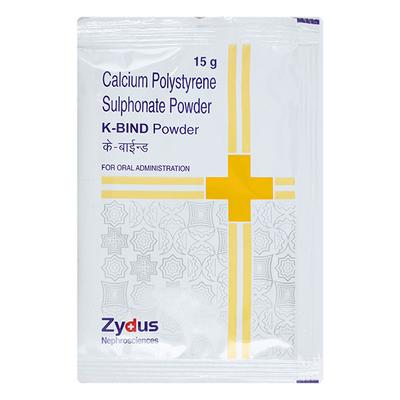
K Bind Powder contains calcium polystyrene sulphonate, a potassium-binding resin used for the management of hyperkalaemia (high potassium levels in the blood). It works in the intestine by binding to potassium and helping remove excess potassium from the body through the faeces.
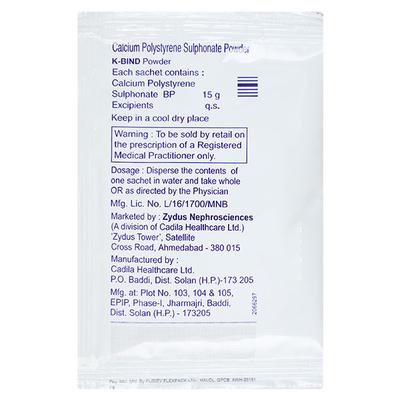
Take K Bind Powder exactly as prescribed by your doctor. Disperse the powder in water as directed and follow the recommended dose and timing. Maintain the recommended time gap between this medicine and other oral medicines, as it may affect their absorption. Do not change the dose or stop taking the medicine without medical advice.
Do not take K Bind Powder if you are allergic to calcium polystyrene sulphonate or any of its ingredients. Before starting the medicine, inform your doctor if you have a history of bowel obstruction, severe constipation, intestinal problems, high calcium levels, low potassium levels, heart disease, or fluid retention. Tell your doctor about all medicines you are taking, particularly digoxin, antacids, laxatives, and other medicines that may affect electrolyte balance or medicine absorption.
Common side effects of K Bind Powder may include nausea, vomiting, loss of appetite, constipation, or diarrhoea. Inform your doctor if these symptoms persist or worsen. Seek urgent medical attention if you develop severe abdominal pain, persistent vomiting, abdominal swelling, difficulty passing stools, or rectal bleeding.
Uses Of K BIND POWDER
- Manages hyperkalaemia associated with acute and chronic renal failure.
- Manages hyperkalaemia associated with anuria (absence of urine production) and severe oliguria (markedly reduced urine output), including in patients requiring dialysis.
Benefits of K BIND POWDER
K Bind Powder for Hyperkalaemia Due to Renal Failure
K Bind Powder contains calcium polystyrene sulphonate, a potassium-binding resin used to help manage hyperkalaemia (high potassium levels in the blood) associated with acute and chronic renal failure. It works in the intestine by binding excess potassium and helping eliminate it through the faeces, thereby supporting the reduction of elevated blood potassium levels.
K Bind Powder for Hyperkalaemia Associated with Anuria and Severe Oliguria
K Bind Powder may be prescribed to help manage hyperkalaemia associated with anuria (absence of urine production) and severe oliguria (markedly reduced urine output). It may also be used in patients requiring dialysis, under medical supervision, to help reduce excess potassium levels and support electrolyte balance.
K Bind Powder for Hyperkalaemia in Patients Requiring Dialysis
K Bind Powder may be used as part of a healthcare professional's management plan for hyperkalaemia in patients requiring dialysis. By binding potassium in the intestine and facilitating its removal through the faeces, it helps lower elevated blood potassium levels. Regular monitoring of potassium and other electrolytes is important during its use.
How K BIND POWDER Works
How K Bind Powder works
K Bind Powder contains calcium polystyrene sulphonate, a potassium-binding resin. It works in the intestine by binding to excess potassium and exchanging it with calcium. The bound potassium is then eliminated from the body through the faeces, helping reduce elevated potassium levels in the blood and support normal electrolyte balance.
How to use K BIND POWDER
How to take K Bind Powder
- Take K Bind Powder exactly as prescribed by your doctor.
- Measure the recommended dose and mix the powder with water as directed.
- Stir well and take the prepared mixture immediately.
- Follow the prescribed dose and frequency; do not take more than recommended.
- Maintain the advised time gap between K Bind Powder and other oral medicines, as it may affect their absorption.
- Do not change the dose or stop using K Bind Powder without consulting your doctor.
- Attend recommended blood tests to monitor potassium and other electrolyte levels during treatment.
What if I forgot to take K BIND POWDER
- Take the missed dose as soon as you remember, unless it is nearly time for your next scheduled dose.
- If it is almost time for the next dose, skip the missed dose and continue with your regular schedule.
- Do not take a double dose to make up for the missed dose.
- If you frequently miss doses, speak with your doctor or pharmacist for guidance.
Overdose
If you accidentally take more K Bind Powder than prescribed, contact your doctor or seek immediate medical advice, even if you do not notice any symptoms. Taking more than the recommended dose may cause electrolyte disturbances, including abnormally low potassium or high calcium levels, and may lead to gastrointestinal problems such as constipation, nausea, vomiting, or abdominal discomfort.
Side Effects Of K BIND POWDER
Common Side Effects of K Bind Powder
- Nausea
- Vomiting
- Constipation
- Diarrhoea
- Stomach discomfort
- Loss of appetite
- Abdominal pain or bloating
- Electrolyte disturbances, such as low potassium or high calcium levels
When to Seek Medical Attention?
Stop taking K Bind Powder and seek urgent medical advice if you experience
- Severe or persistent abdominal pain
- Severe constipation or inability to pass stools or gas
- Persistent vomiting
- Severe abdominal swelling or bloating
- Black or bloody stools
- Rectal bleeding
- Severe weakness, confusion, or unusual muscle weakness, which may indicate an electrolyte disturbance
- Difficulty breathing, swelling of the face, lips, tongue, or throat, which may indicate a serious allergic reaction
How To Manage Side Effects
Constipation
- Eat more high-fibre foods, such as fresh fruits, vegetables, whole grains, cereals, beans, and lentils.
- Drink plenty of water and fluids throughout the day, unless your doctor has advised you to restrict fluids.
- Exercise regularly, such as going for a daily walk, to help stimulate bowel movements.
- Maintain a regular toilet routine, do not ignore the urge to pass stools, and avoid excessive straining.
- If needed, consult your doctor or pharmacist about using a stool softener or laxative as directed.
- If constipation does not improve, becomes severe, or is associated with abdominal pain, vomiting, blood in the stool, or inability to pass stools or gas, inform your doctor for further assessment and alternative management.

Nausea And Vomiting
- Eat small meals: Choose light foods and avoid large, heavy meals.
- Sip fluids: Take small, frequent sips of water to maintain hydration.
- Avoid trigger foods: Limit greasy, oily, or strongly flavoured foods if they worsen nausea.
- Rest comfortably: Sit upright after meals if this helps reduce discomfort.
- Contact your doctor: Seek medical advice if vomiting persists, you cannot keep fluids down, or you develop signs of dehydration.
Warning & Precautions

Pregnancy
Consult your doctorK Bind Powder should be used during pregnancy only when specifically advised by a healthcare professional. Inform your doctor if you are pregnant or planning a pregnancy so that the potential benefits and risks can be assessed before use.

Breastfeeding
Consult your doctorInform your doctor if you are breastfeeding before taking K Bind Powder. Your healthcare professional can determine whether it is appropriate for you and your baby.

Driving and Using Machines
Use with CautionK Bind Powder is not generally expected to affect your ability to drive or operate machinery. However, if you experience weakness, dizziness, or other symptoms that affect alertness, avoid driving or operating machinery and consult your doctor.

Alcohol
Consult your doctorThere is no specific direct interaction between K Bind Powder and alcohol. However, avoid excessive alcohol consumption and follow your doctor's advice, particularly if you have kidney disease or electrolyte abnormalities.

Kidney
Monitoring requiredK Bind Powder is commonly used to manage high potassium levels associated with reduced kidney function. Inform your doctor if you have acute or chronic kidney disease, are passing very little or no urine, or are undergoing dialysis. Regular monitoring of potassium and other electrolyte levels may be required.

Liver
Consult your doctorInform your doctor if you have liver disease or abnormal liver function before using K Bind Powder. Your doctor will assess your overall condition and electrolyte levels to determine whether this medicine is suitable for you.

Allergy
ContraindicatedDo not take K Bind Powder if you are allergic to calcium polystyrene sulphonate or any of its ingredients. Inform your doctor about any previous allergic reactions to medicines or other substances before starting treatment.

Heart Disease
Monitoring requiredInform your doctor if you have heart disease, heart failure, high blood pressure, or fluid retention. Electrolyte changes associated with potassium imbalance can affect heart function, so your doctor may recommend regular monitoring of potassium and other electrolytes.

Use In Pediatrics
Consult your doctorK Bind Powder should be given to children only when specifically prescribed by a qualified healthcare professional. The dose should be determined according to the child's age, body weight, medical condition, and electrolyte levels.

Use In Geriatrics
Monitoring requiredOlder adults may require careful monitoring while using K Bind Powder because they may have reduced kidney function or other conditions that can affect electrolyte balance. Follow the prescribed dose and attend recommended blood tests.
Other Warnings for K BIND POWDER
Before taking K Bind Powder, inform your doctor if you
- Have a history of bowel obstruction, severe constipation, or other intestinal problems.
- Have high calcium levels, low potassium levels, or other electrolyte imbalances.
- Are following a low-sodium or restricted-calcium diet, as your doctor may need to consider your electrolyte balance.
Who should not take K BIND POWDER
K Bind Powder is not recommended for use if you have
- conditions associated with high blood calcium levels such as hyperparathyroidism (thyroid disease), or multiple myeloma, sarcoidosis or metastatic carcinoma
- obstructive bowel disease
Safety Advice
- Take K Bind Powder only in the dose and for the duration prescribed by your doctor.
- Do not use more than the recommended dose or continue it for longer than advised without medical supervision.
- Take other oral medicines at the recommended time interval from K Bind Powder, as it may affect their absorption.
- Inform your doctor about all prescription medicines, over-the-counter medicines, and supplements you take.
- Avoid using sorbitol with K Bind Powder unless specifically advised by your doctor, as this combination may increase the risk of serious gastrointestinal complications.
- Attend regular blood tests as advised to monitor potassium, calcium, and other electrolyte levels.
- Seek urgent medical attention if you develop severe abdominal pain, persistent vomiting, severe constipation, abdominal swelling, black or bloody stools, or difficulty passing stools or gas.
Diet and Lifestyle Advice
- Follow your prescribed potassium-restricted diet: If your doctor or dietitian has advised limiting potassium, follow their recommendations carefully.
- Avoid potassium-containing supplements: Do not take potassium supplements or potassium-containing salt substitutes unless specifically advised by your doctor.
- Follow fluid advice: Drink fluids according to your doctor's recommendations, particularly if you have kidney disease or are on fluid restriction.
- Maintain a balanced diet: Follow a diet plan recommended by your doctor or dietitian based on your kidney function and electrolyte levels.
- Attend regular monitoring: Keep scheduled appointments for blood tests to monitor potassium and other electrolytes.
- Follow dialysis advice: If you are undergoing dialysis, attend all scheduled sessions and follow your healthcare professional's dietary and medication instructions.
- Do not self-medicate: Consult your doctor before starting any new medicine, supplement, or herbal product.
1. K Bind Powder Vs Potassium Chloride Tablet
|
Feature |
K Bind Powder 15gm |
Potassium Chloride Tablet |
|
Active ingredient |
Calcium polystyrene sulphonates |
Potassium chloride |
|
Drug class |
Potassium-binding resin |
Potassium supplement |
|
Main use |
Used to manage high potassium levels (hyperkalaemia) |
Used to manage low potassium levels (hypokalaemia) |
|
How it works |
Binds potassium in the intestine and helps remove it through the faeces |
Provides potassium to increase potassium levels in the body |
|
Effect on potassium |
Helps lower excess potassium |
Helps increase low potassium |
|
Use in kidney conditions |
May be prescribed for hyperkalaemia associated with reduced kidney function |
Requires medical supervision in kidney impairment because potassium may accumulate |
|
Medical supervision |
Potassium and other electrolyte levels may need regular monitoring |
Potassium levels and kidney function may require monitoring |
Drug - Drug interaction
1. Digoxin
- Interaction: K Bind Powder may alter potassium levels, while changes in potassium can affect the safety and effects of digoxin.
- Management: Inform your doctor if you take digoxin. Potassium levels and other electrolytes may require monitoring.
2. Other Oral Medicines
- Interaction: Calcium polystyrene sulphonate may bind to some medicines in the gastrointestinal tract and reduce their absorption.
- Management: Take other oral medicines at the time interval recommended by your doctor or pharmacist.
3. Antacids and Calcium-Containing Medicines
- Interaction: Concomitant use may affect calcium levels and electrolyte balance.
- Management: Inform your doctor about antacids or calcium-containing medicines before using K Bind Powder. Your doctor may recommend monitoring or an appropriate time interval.
4. Laxatives
- Interaction: Some laxatives may affect gastrointestinal function and electrolyte balance when used with K Bind Powder.
- Management: Use laxatives only on medical advice and inform your doctor about any laxative you are taking.
5. Potassium Supplements and Potassium-Containing Medicines
- Interaction: These may counteract the potassium-lowering effect of K Bind Powder or contribute to changes in potassium levels.
- Management: Do not take potassium supplements or potassium-containing medicines unless specifically advised by your doctor.
Drug - Food interaction
1. Potassium-Rich Foods
- Interaction: Foods high in potassium may increase blood potassium levels and may interfere with dietary management of hyperkalaemia.
- Management: Follow the potassium-restricted diet recommended by your doctor or dietitian.
2. Potassium-Containing Salt Substitutes
- Interaction: Some salt substitutes contain potassium and may increase potassium levels.
- Management: Avoid potassium-containing salt substitutes unless specifically recommended by your healthcare professional.
Synopsis
|
Drug |
Calcium polystyrene sulphonates |
|
Product Category |
Ion exchange resins |
|
Therapeutic Indication |
Hyperkalaemia |
|
Dosage Forms |
Powder, Sachet |
More Information
Storage
- Store K Bind Powder at room temperature, away from excessive heat and moisture.
- Keep K Bind Powder out of reach of children.
FAQs About K BIND POWDER
Q: What is K Bind Powder used for?
A: K Bind Powder contains calcium polystyrene sulphonate. It is used to manage hyperkalaemia (high potassium levels in the blood) particularly in certain patients with reduced kidney function.
Q: How does K Bind Powder work?
A: Calcium polystyrene sulphonate binds potassium in the intestine and helps remove it from the body through the faeces. This helps lower excess potassium levels in the blood.
Q: What are the common side effects of K Bind Powder?
A: Common side effects may include nausea vomiting constipation diarrhoea stomach discomfort abdominal pain or loss of appetite. Consult your doctor if symptoms are severe or persistent.
Q: Can K Bind Powder affect other medicines?
A: Yes. K Bind Powder may reduce the absorption of some oral medicines. Inform your doctor about all medicines you take and follow the recommended time gap between K Bind Powder and other oral medicines.
Q: Can K Bind Powder be used in kidney disease?
A: Yes. K Bind Powder may be prescribed to manage high potassium levels associated with acute or chronic kidney disease. Potassium and other electrolyte levels should be monitored as advised by your doctor.
Q: Can K Bind Powder be used during dialysis?
A: It may be prescribed to manage hyperkalaemia in patients requiring dialysis. Use it only under medical supervision and continue your scheduled dialysis sessions as advised.
Q: Can K Bind Powder be taken during pregnancy?
A: If you are pregnant or planning a pregnancy consult your doctor before taking K Bind Powder. Your doctor will assess whether it is appropriate based on your condition and potassium levels.
Q: What should I do if I miss a dose of K Bind Powder?
A: Take the missed dose when you remember unless it is nearly time for your next scheduled dose. If it is almost time for the next dose skip the missed dose and continue with your regular schedule. Do not take a double dose.
Q: What should I do if I take too much K Bind Powder?
A: If you accidentally take more than the prescribed dose contact your doctor or seek medical advice. An excessive amount may cause electrolyte disturbances or gastrointestinal problems.
Q: How should K Bind Powder be stored?
A: Store K Bind Powder at room temperature away from excessive heat and moisture. Keep it in its original packaging and out of the reach of children.
References
1. Sidhartha D. Ray. Side Effects of Drugs Annual 41. Cation Exchange Resins. First Edition. 2019. Page – 239.
2. Nobuhiro Takeuchi, Yusuke Nomura, Testuo Meda, Masato Iida, Akihito Ohtsuka, Kazuyoshi Naba. Development of Colonic Perforation during Calcium Polystyrene Sulfonate Administration: A Case Report. NIH National Library of Medicine. National Centre for Biotechnology Information. PMC PubMed Central. [Revised in 10th December 2013]. [Accessed on 21st September 2026] 
3. Jing Wang, Meng-Meng Lv, Odeh Zach, Ling-Yu Wang, Meng-Ying Zhou, Gui-Rong Song, Xu Zhang, Hong-Li Lin. Calcium-Polystyrene Sulfonate Decreases Inter-Dialytic Hyperkalemia in Patients Undergoing Maintenance Hemodialysis: A Prospective, Randomized, Crossover Study. NIH National Library of Medicine, National centre for biotechnology information. Pubmed.gov. [Revised in 14th August 2018]. [Accessed on 21st September 2026] 
4. Hospimax. Potblok (Calcium Polystyrene Sulphonate 15 gm). [Accessed on 21st September 2026]