






Netmeds First Membership
Quick Links
Introduction About GP 2MG TABLET
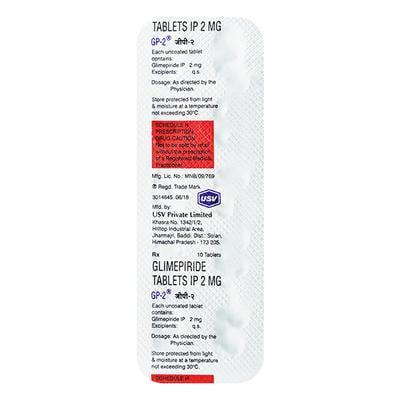
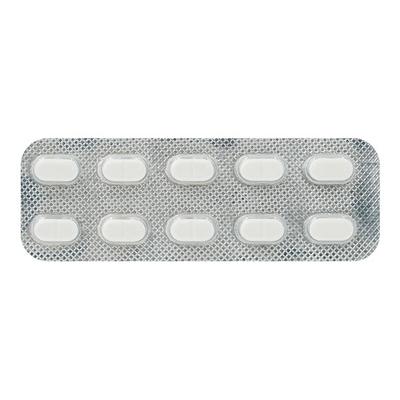
GP 2mg Tablet contains glimepiride, an oral antidiabetic medicine belonging to the sulfonylurea class, used to help manage blood sugar levels in adults with type 2 diabetes mellitus. For patients whose blood glucose remains above target despite dietary modifications and regular physical activity, this medicine can support better glycemic control as part of a prescribed diabetes management plan. Glimepiride works by stimulating the pancreas to release insulin, thereby helping lower blood glucose levels. It is generally suitable for adults with type 2 diabetes who retain sufficient pancreatic insulin-producing function and require oral medication to improve glucose control. It is not intended for type 1 diabetes or diabetic ketoacidosis and should be used only under medical supervision.
GP 2mg Tablet is generally taken once daily with breakfast or the first main meal of the day, as directed by the treating physician. The tablet should be swallowed with water, and patients should maintain regular meal timings, follow a balanced diet, exercise appropriately and monitor their blood glucose as advised. The prescribed dose depends on individual blood glucose levels, treatment response, kidney and liver function, age and the risk of hypoglycaemia. Avoid skipping or delaying meals after taking the medicine, as this can cause blood sugar to fall dangerously low.
Hypoglycaemia (low blood sugar) is an important risk, particularly in older adults, patients with kidney or liver impairment, those with irregular food intake, and individuals taking other glucose-lowering medicines. Symptoms may include sweating, shakiness, dizziness, intense hunger, headache, confusion and palpitations. Patients should know how to recognise and manage low blood sugar and seek urgent medical attention for severe symptoms, seizures or loss of consciousness. Inform the doctor about all medicines and supplements being taken, alcohol consumption, previous allergic reactions and any history of glucose-6-phosphate dehydrogenase (G6PD) deficiency. Glimepiride is not appropriate for everyone, and extra caution is required during illness, prolonged fasting or changes in physical activity. Common side effects include hypoglycaemia, dizziness, headache, nausea and weakness; weight gain may also occur. Severe allergic reactions or unusual skin reactions require immediate medical assessment.
GP 2mg Tablet should not be used during pregnancy unless specifically advised by a specialist after assessing the risks and benefits. Insulin is generally preferred for controlling diabetes during pregnancy because it allows more flexible and established management of maternal blood glucose. Uncontrolled diabetes can also harm both mother and baby, so women planning pregnancy or who become pregnant while taking glimepiride should promptly consult their healthcare provider about an appropriate alternative. During breastfeeding, the safety of glimepiride is not sufficiently established to assume that it is risk-free for the infant; treatment should be reviewed by a doctor, who may recommend an alternative and appropriate monitoring of the baby for low blood sugar. GP 2mg Tablet is a prescription medicine and should be taken only as directed by a qualified healthcare professional, alongside regular glucose monitoring and recommended lifestyle measures.
Uses Of GP 2MG TABLET
- Used to manage Type II Diabetes Mellitus
Benefits of GP 2MG TABLET
Supports Better Glycemic Control in Type 2 Diabetes
GP 2 mg Tablet may help manage blood glucose levels in people with type 2 diabetes when taken as prescribed. It can support overall diabetes management alongside a balanced diet and regular physical activity. Its effectiveness depends on the active ingredient and individual response to treatment. Regular blood glucose monitoring helps assess treatment effectiveness and maintain levels within the recommended target range.
Helps Improve Blood Glucose Regulation
GP 2 mg Tablet may support blood glucose regulation as part of an appropriate diabetes management plan. Maintaining blood glucose levels within the recommended range is important for long-term health. A balanced diet, regular exercise, and adherence to prescribed treatment can complement its effects. The specific benefits depend on the medicine's active ingredient and its mechanism of action.
How GP 2MG TABLET Works
GP 2 mg tablet is used to help manage blood glucose levels in people with type 2 diabetes, depending on its active ingredient. It may work by influencing the body's mechanisms involved in insulin release or glucose regulation. This helps support blood glucose management when combined with a balanced diet, regular physical activity, and appropriate lifestyle changes. Taking the medicine as prescribed and monitoring blood glucose levels regularly are important for effective diabetes management.
How to use GP 2MG TABLET
- Take GP 2 mg tablet exactly as prescribed by your doctor, following the recommended dose and schedule.
- Swallow the tablet with a glass of water; do not crush or chew it unless advised by your healthcare professional.
- Take the tablet with or before food as directed by your doctor, depending on its active ingredient.
- Take the medicine at the same time each day to help maintain a consistent treatment routine.
- Avoid skipping meals, as certain diabetes medicines can increase the risk of low blood sugar.
- Monitor your blood glucose levels regularly as recommended by your doctor.
- If you miss a dose, follow your doctor's instructions and do not take a double dose to compensate.
- Do not stop taking the medicine or change the dosage without consulting your doctor.
What if I forgot to take GP 2MG TABLET
If you forget to take GP 2 mg tablet, take it when you remember unless it is almost time for your next scheduled dose. If your next dose is near, skip the missed dose and continue with your regular schedule. Do not take a double dose to make up for the missed one, as this may increase the risk of side effects, including low blood sugar, depending on the active ingredient. Try to take your medicine at the same time each day and follow your doctor's instructions for missed doses. If you are unsure what to do, consult your doctor or pharmacist for advice specific to your medication.
Overdose
Taking more than the prescribed dose of GP 2 mg tablet may increase the risk of adverse effects, depending on its active ingredient. If it is a diabetes medication that lowers blood glucose, an overdose may cause hypoglycemia, with symptoms such as sweating, shakiness, dizziness, confusion, or fainting. In severe cases, it may lead to seizures or loss of consciousness. If an overdose is suspected, seek immediate medical attention, even if symptoms have not yet appeared. Do not induce vomiting or attempt home treatment without medical advice. Carry the medicine packaging when seeking medical assistance.
Side Effects Of GP 2MG TABLET
Common side effects of GP 2mg Tablet
- hypoglycemia (low blood sugar levels)
Stop taking GP 2mg Tablet and contact your doctor immediately if you experience any of the following side effects
- severe allergic reaction (inflammation of blood vessels, skin rash, swelling of the face, eyelids, lips, tongue or throat which causes difficulty in breathing or swallowing, drop in blood pressure)
- signs of liver problems (such as fever, yellowing of skin and whites of the eyes, weakness, fatigue, weight loss and loss of appetite)
- increased skin sensitivity to sun
- signs of severe decrease in blood sugar level (such as confusion, headache, excessive sweating, clammy skin, trembling, weakness, double vision, excessive hunger, nausea, vomiting, problems in sleeping, feeling agitated, unable to concentrate, drowsiness, slowed reactions, depression, trouble seeing or speaking, paralysis, numbness, dizziness, hallucinations, difficulty in breathing, slowed or faster heartbeat with chest pain)
Warning & Precautions

Pregnancy
Consult your doctorThere are no adequate and well-controlled studies in pregnant women. GP 2mg Tablet should be used during pregnancy only if the potential benefit justifies the potential risk to the fetus.

Breastfeeding
Consult your doctorIt is not known whether GP 2mg Tablet is excreted in human milk. Consult your doctor for advice.

Driving and Using Machines
Use with CautionDo not drive or operate any heavy tools or machines if your ability is affected by the medicine.

Alcohol
ContraindicatedAvoid consumption of alcohol while taking GP 2mg Tablet as it may increase the risk of unwanted side effects.

Kidney
Consult your doctorGP 2mg Tablet is not recommended for use in patients with severe kidney problems. It should be used with caution in patients with other kidney problems.

Liver
Consult your doctorGP 2mg Tablet is not recommended for use in patients with severe liver problems. It should be used with caution in patients with other liver problems.

Allergy
ContraindicatedDo not take GP 2mg Tablet if you are allergic to Glimepiride or any other ingredients of this medicine.

Use In Pediatrics
ContraindicatedGP 2mg Tablet is not recommended in pediatric patients because of its adverse effects on body weight and hypoglycemia.

Use In Geriatrics
Use with CautionGP 2mg Tablet should be used with caution in elderly patients (aged above 65 years)
Other Warnings for GP 2MG TABLET
Before taking GP 2mg Tablet, inform your doctor if you
- are recovering from any injury, operation, infections or from any form of stress
- have G6PD deficiency
- have sugar intolerance
- are malnourished, starved, on an irregular diet, or feeling weak
- had made any sudden changes to diet
- are on fasting
- perform extreme physical exercises without proper carbohydrate intake
- have hormonal problems (Ex. disorders of pituitary gland, adrenal cortex or thyroid gland)
Who should not take GP 2MG TABLET
GP 2mg Tablet is not recommended for use if you
- have type I diabetes mellitus
- have diabetic ketoacidosis
Safety Advice
- Glimepiride may cause low blood sugar, especially when meals are skipped or it is combined with other glucose-lowering medicines.
- Take GP 2mg Tablet with breakfast or the first main meal as prescribed. Avoid skipping meals after taking the medicine.
- Watch for symptoms of low blood sugar, such as sweating, trembling, dizziness, hunger, palpitations or confusion.
- Alcohol may unpredictably affect blood glucose and increase the risk of hypoglycemia. Discuss alcohol consumption with your doctor.
- Inform your doctor about all medicines you take, as certain antibiotics and other antidiabetic medicines can alter glimepiride's effects.
- Tell your doctor if you have glucose-6-phosphate dehydrogenase (G6PD) deficiency, as glimepiride may cause hemolytic anemia in susceptible individuals.
- Prolonged fasting, irregular food intake and acute illness can disrupt blood sugar control. Seek medical advice about managing treatment during these situations.
- Severe hypoglycemia may cause confusion, seizures or loss of consciousness and requires emergency medical attention. Never give food or drink to an unconscious person.
- Seek urgent medical attention if you experience facial swelling, difficulty breathing or a severe skin reaction after taking the medicine.
- Do not take extra tablets to compensate for a missed dose, as excessive glimepiride can cause severe or prolonged hypoglycemia.
Diet and Lifestyle Advice
- Follow a balanced diet with consistent carbohydrate portions to help maintain stable blood glucose levels throughout the day.
- Eat meals at regular times and avoid skipping or delaying meals, as glimepiride can cause low blood sugar.
- Include fibre-rich foods such as vegetables, whole grains, pulses and legumes to support blood sugar management.
- Limit sugary drinks, sweets, refined carbohydrates and foods high in added sugar to help prevent glucose spikes.
- Include protein sources such as beans, lentils, eggs, fish or lean meat as part of balanced meals.
- Practice regular physical activity, such as brisk walking, according to your fitness level and your healthcare professional's advice.
- Monitor your blood glucose as recommended, particularly when changing your diet or increasing physical activity, as these changes may affect your risk of hypoglycemia.
- Carry a fast-acting source of glucose, such as glucose tablets, to help manage episodes of low blood sugar.
- Limit alcohol consumption, as alcohol can increase the risk of hypoglycemia and make blood glucose levels less predictable.
- Maintain a consistent sleep schedule and follow your diabetes care plan to support long-term blood sugar control.
1. GP 2 mg Tablet vs Combination Diabetes Therapy- Which Is More Suitable
|
Feature |
GP 2 mg Tablet |
Combination Diabetes Therapy |
|
Treatment approach |
Usually refers to a single tablet; its composition must be confirmed |
Uses two or more antidiabetic medicines, sometimes in a single tablet |
|
Blood glucose control |
Depends on the active ingredient and individual response |
May improve glucose control by targeting different mechanisms |
|
Mechanism of action |
Depends on the medicine's composition |
Combines medicines with different mechanisms of action |
|
Risk of low blood sugar |
Depends on the active ingredient |
Depends on the medicines included in the combination |
|
Side effects |
Vary according to the active ingredient |
May include side effects from one or more medicines |
|
Convenience |
May be convenient as a single medicine |
A fixed-dose combination may reduce the number of tablets needed |
|
Suitability |
May be appropriate when a single medicine provides adequate control |
May be considered when one medicine does not achieve the required glucose targets |
|
Treatment decision |
Determined by the prescribing doctor |
Determined by glucose control, medical history, and treatment goals |
Drug - Drug interaction
1. Other Antidiabetic Medicines
- Interaction: GP 2mg Tablet may interact with insulin and other blood sugar-lowering medicines, such as metformin.
- Effect: The combination may increase the risk of low blood sugar (hypoglycemia).
- Advice: Inform your doctor about all diabetes medicines you take so that your treatment and blood glucose levels can be monitored appropriately.
2. Antibiotics
- Interaction: Certain antibiotics, including clarithromycin and fluoroquinolones, may interact with glimepiride.
- Effect: These medicines may alter blood glucose levels and increase the risk of hypoglycemia or, in some cases, high blood sugar.
- Advice: Inform your doctor if you are prescribed antibiotics while taking GP 2mg Tablet and monitor your blood glucose as advised.
3. Non-Steroidal Anti-Inflammatory Drugs (NSAIDs)
- Interaction: Medicines such as ibuprofen and other NSAIDs may enhance the blood sugar-lowering effect of sulfonylureas in some circumstances.
- Effect: The combination may increase the risk of hypoglycemia.
- Advice: Consult your doctor or pharmacist before regularly using NSAIDs with GP 2mg Tablet, particularly if you take other medicines that lower blood sugar.
4. Beta-Blockers
- Interaction: Beta-blockers, such as propranolol and metoprolol, may interact with glimepiride.
- Effect: They may mask warning signs of low blood sugar, such as a rapid heartbeat and tremors, making hypoglycemia harder to recognize.
- Advice: Inform your doctor if you take beta-blockers and monitor your blood glucose carefully as recommended.
5. Corticosteroids
- Interaction: Corticosteroids, such as prednisolone and dexamethasone, may counteract the blood sugar-lowering effect of glimepiride.
- Effect: The combination may increase blood glucose levels and make diabetes more difficult to control.
- Advice: Tell your doctor if you start or stop corticosteroid treatment, as additional blood glucose monitoring or adjustments to your diabetes treatment may be necessary.
6. Diuretics
- Interaction: Thiazide diuretics, such as hydrochlorothiazide, may interact with glimepiride and affect blood glucose control.
- Effect: These medicines may increase blood sugar levels and reduce the effectiveness of diabetes treatment.
- Advice: Inform your doctor if you take diuretics so that your blood glucose can be monitored and your treatment reviewed if necessary.
7. Anticoagulants
- Interaction: Glimepiride may interact with certain anticoagulants, including warfarin.
- Effect: The effects of warfarin or glimepiride may change in some patients, potentially affecting blood glucose control or anticoagulation.
- Advice: Inform your doctor if you take warfarin, as blood glucose monitoring and appropriate monitoring of blood clotting may be required.
8. Other Medicines That Lower Blood Sugar
- Interaction: Medicines such as ACE inhibitors, including enalapril, and certain other medicines may enhance the blood sugar-lowering effect of glimepiride.
- Effect: The combination may increase the risk of hypoglycaemia in susceptible patients.
- Advice: Tell your doctor about all prescribed and over-the-counter medicines you use, and monitor your blood glucose as directed.
9. Medicines That May Increase Blood Sugar
- Interaction: Medicines such as some antipsychotics, including olanzapine, may interfere with blood glucose control.
- Effect: Blood sugar levels may rise, potentially reducing the effectiveness of GP 2mg Tablet.
- Advice: Inform your doctor if you use these medicines so that your blood glucose can be monitored and your treatment adjusted if necessary.
Drug - Food interaction
1. Alcohol
- Interaction: Alcohol may interact with glimepiride and affect blood glucose regulation.
- Effect: It may increase or unpredictably alter the risk of hypoglycemia and can make blood sugar control less predictable.
- Advice: Avoid alcohol or discuss its consumption with your doctor before drinking while taking GP 2mg Tablet.
2. Sugary Foods and Beverages
- Interaction: Frequent consumption of sugary drinks, sweets and foods high in added sugar can interfere with diabetes management.
- Effect: These foods may cause blood glucose levels to rise rapidly and make it more difficult to achieve target glucose levels.
- Advice: Limit added sugars and choose balanced meals with appropriate portions of fiber-rich carbohydrates, vegetables and protein.
3. Large or Irregular Carbohydrate-Rich Meals
- Interaction: Eating inconsistent amounts of carbohydrate-rich foods, such as rice, bread and other grain-based foods, can affect blood glucose control.
- Effect: Large portions may cause blood sugar spikes, while substantially reducing food intake without adjusting treatment may increase the risk of hypoglycemia.
- Advice: Maintain consistent meal patterns and appropriate carbohydrate portions. Consult your dietitian or doctor before making major dietary changes.
Synopsis
|
Drug |
|
|
Pharmacological Category |
Sulfonylureas |
|
Therapeutic Indication |
|
|
Dosage Forms |
Tablet |
More Information
Storage
- Keep Tablet out of reach from children
- Store below 30°C
FAQs About GP 2MG TABLET
Q: What is GP 2mg Tablet used for?
A: GP 2mg Tablet contains glimepiride, an oral antidiabetic medicine used to manage blood sugar levels in adults with type 2 diabetes mellitus. It stimulates the pancreas to release insulin, helping lower elevated blood glucose levels. It works best alongside a balanced diet, regular physical activity and blood sugar monitoring. It should be taken only as prescribed by a healthcare professional.
Q: How does GP 2mg Tablet work?
A: GP 2mg Tablet belongs to the sulfonylurea class of antidiabetic medicines. It stimulates insulin release from pancreatic beta cells, helping the body reduce blood glucose levels. Its effectiveness depends on the pancreas retaining sufficient insulin-producing function. Regular blood sugar monitoring helps assess how well the medicine is working.
Q: Who should take GP 2mg Tablet?
A: GP 2mg Tablet is generally prescribed for adults with type 2 diabetes who need additional blood sugar control. It may be suitable when dietary changes and exercise alone are insufficient to achieve glucose targets. The doctor considers medical history, kidney and liver function, and other medicines before prescribing it. It is not intended for type 1 diabetes or diabetic ketoacidosis.
Q: How should GP 2mg Tablet be taken?
A: GP 2mg Tablet should be taken exactly as directed by the treating physician. It is generally taken once daily with breakfast or the first main meal of the day. Swallow the tablet with water and maintain a consistent meal schedule. Do not change the dose or stop treatment without medical advice.
Q: When is the best time to take GP 2mg Tablet?
A: GP 2mg Tablet is usually taken shortly before or with breakfast or the first main meal, according to the prescribed instructions. Taking it in relation to a meal helps coordinate its blood sugar-lowering effect with food intake. Avoid skipping or delaying meals after taking the medicine, as this can increase the risk of low blood sugar. Follow your doctor's timing recommendations.
Q: What should I do if I miss a dose of GP 2mg Tablet?
A: If you miss a dose, follow your doctor's advice or the instructions in the patient information leaflet. Do not take an extra dose to compensate for the missed tablet, as this may cause dangerously low blood sugar. Resume your regular schedule as advised by your healthcare professional. Consult your doctor or pharmacist if you are unsure what to do.
Q: What are the common side effects of GP 2mg Tablet?
A: Common side effects of glimepiride include low blood sugar, dizziness, headache, nausea and weakness. Some patients may also experience weight gain during treatment. The likelihood of side effects depends on meal patterns; the prescribed dose and other medicines being used. Consult your doctor about if symptoms persist or worsen.
Q: Can GP 2mg Tablet cause low blood sugar?
A: Yes, GP 2mg Tablet can cause hypoglycemia because it stimulates insulin release. Symptoms may include sweating, trembling, hunger, dizziness, palpitations and confusion. The risk increases when meals are skipped, alcohol is consumed or certain other glucose-lowering medicines are taken. Follow your healthcare professional's advice on managing low blood sugar and seek emergency assistance for severe symptoms or loss of consciousness.
Q: Can GP 2mg Tablet be taken with other diabetes medicines?
A: GP 2mg Tablet may be prescribed with other antidiabetic medicines when additional blood sugar control is required. However, combining treatments can increase the risk of hypoglycemia, depending on the medicines involved. Your doctor will choose an appropriate treatment plan based on your glucose levels and medical history. Do not combine it with other diabetes medicines without medical advice.
Q: What precautions should be followed while taking GP 2mg Tablet?
A: Maintain regular meal timings, follow a balanced diet and exercise according to your healthcare professional's recommendations. Monitor your blood glucose as advised and learn to recognize symptoms of low blood sugar. Inform your doctor about kidney or liver problems, alcohol consumption, allergies and all medicines or supplements you take. Extra caution may be necessary during illness, fasting or changes in physical activity.
Q: Can GP 2mg Tablet be taken during pregnancy?
A: GP 2mg Tablet should not be used during pregnancy unless a specialist specifically recommends it after assessing the risks and benefits. Insulin is generally preferred for managing diabetes during pregnancy. Uncontrolled blood sugar can pose risks to both the mother and the developing baby. If you are pregnant or planning pregnancy, consult your doctor promptly about suitable treatment.
Q: Can GP 2mg Tablet be taken by patients with kidney or liver problems?
A: Patients with kidney or liver problems should consult their doctor before using GP 2mg Tablet. These conditions can increase the risk of low blood sugar and may affect treatment suitability. The doctor may recommend closer monitoring or an alternative medicine depending on the severity of the condition. Never start, stop or adjust the dose without medical guidance.
Q: Can GP 2mg Tablet cure type 2 diabetes?
A: GP 2mg Tablet does not cure type 2 diabetes, but it helps control blood glucose levels when used as prescribed. Long-term diabetes management generally involves medication, healthy eating, regular physical activity and ongoing monitoring. The treatment plan may change depending on blood sugar results and overall health. Continue follow-up appointments even when glucose levels improve, and do not discontinue treatment without consulting your doctor.
References
1. KD. Tripathi. Insulin, Oral Hypoglycaemic Drugs and Glucagon. Essentials of medical pharmacology. Seventh edition. 2013. Page – 270.
2. Abdul Basit, Musarrat Riaz and Asher Fawwad. Glimepiride: evidence-based facts, trends, and observations. NIH. National Library of Medicine. National Center for Biotechnology Information. PMC. PubMed Central. August 2012. [Accessed on 10th October 2026] 
3. Brown & Burk UK Limited. Electronic Medicines Compendium (EMC). [Revised in December 2020] [Accessed on 10th October 2026] 
4. Sanofi India Limited. Amaryl® / Semi-Amaryl® Glimepiride Tablets IP. [Revised in April 2021] [Accessed on 10th October 2026]
Author Details