



Netmeds First Membership
Quick Links
Introduction About GP 0.5MG TABLET
What is GP 0.5mg Tablet?
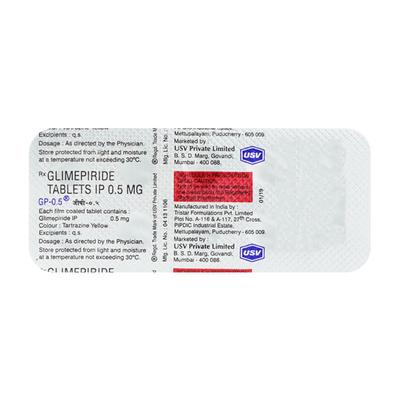
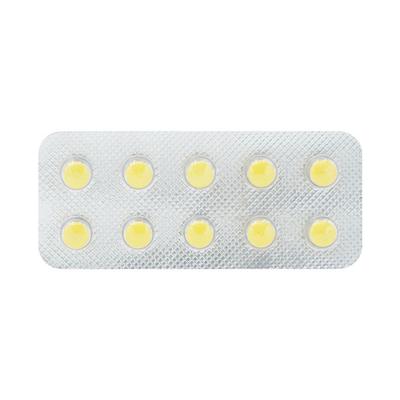
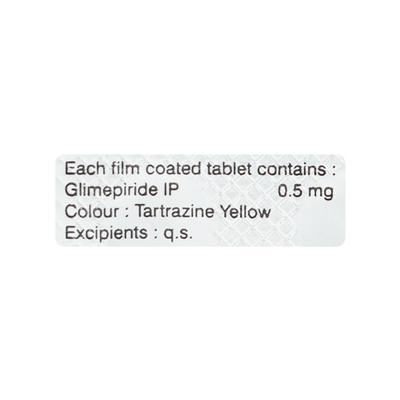
GP 0.5mg Tablet contains Glimepiride 0.5mg, a sulfonylurea anti-diabetic medication used to control high blood sugar levels in type 2 diabetes mellitus when diet and exercise alone are insufficient.
Glimepiride stimulates the pancreas to release more insulin and increases insulin sensitivity, helping lower blood glucose levels after meals and throughout the day for better glycemic control. Take GP 0.5mg Tablet once daily with breakfast or the first main meal. Swallow whole with water. Dosage may be adjusted by doctor based on blood sugar monitoring.
Along with the therapy, your doctor might ask you to make certain lifestyle changes such as following a healthy diet, regular physical exercise and quitting alcohol consumption. Before taking the medicine, inform your doctor if you have any liver or kidney problems. You must also inform your doctor if you have any hormonal problems, genetic disorders.
GP 0.5MG TABLET is not suitable for use in patients with type I diabetes mellitus. Consult your doctor if you are pregnant or planning to become pregnant or breastfeeding. The common side effects are hypoglycemia, weight gain, nausea, headache. Serious side effects are severe low blood sugar, allergic reactions. Carry glucose source for hypoglycemia emergencies.
Uses Of GP 0.5MG TABLET
- Used to manage Type II diabetes mellitus
Benefits of GP 0.5MG TABLET
- Manages type 2 diabetes in adults
- Lowers fasting and post-meal blood sugar
- Reduces risk of diabetes complications
- Once-daily dosing convenience
- Can be combined with metformin or insulin
How GP 0.5MG TABLET Works
GP 0.5MG TABLET stimulates the pancreas to secrete more insulin (a hormone involved in glucose metabolism). It also makes our body more sensitive to insulin which helps in digesting the circulating sugars (glucose) in the blood, thereby reducing blood sugar levels.
How to use GP 0.5MG TABLET
Take GP 0.5mg Tablet once daily with breakfast or the first main meal. Swallow whole with water. Dosage may be adjusted by doctor based on blood sugar monitoring.
Overdose
If you or anyone else accidentally took more of GP 0.5MG TABLET, you may experience the signs of hypoglycemia (such as increased hunger, sweating, headache, feeling clammy, restless or aggressive, shakiness, fast heartbeat and confusion). To manage this, consume any sugary food immediately. If the symptom did not improve or worsens contact your doctor immediately.
Side Effects Of GP 0.5MG TABLET
Common side effects of GP 0.5MG TABLET
- Hypoglycemia
- weight gain
- nausea
- headache
Serious side effects
- severe low blood sugar
- allergic reactions
Warning & Precautions

Pregnancy
Monitoring requiredThere are no adequate and well-controlled studies in pregnant women. GP 0.5MG TABLET should be used during pregnancy only if the potential benefit justifies the potential risk to the fetus.

Breastfeeding
Consult your doctorIt is not known whether GP 0.5MG TABLET is excreted in human milk.

Driving and Using Machines
Use with CautionDo not drive or operate any heavy tools or machines if your ability is affected by the medicine.

Alcohol
Consult your doctorAvoid consumption of alcohol while taking GP 0.5MG TABLET as it may increase the risk of unwanted side effects.

Kidney
Consult your doctorGP 0.5MG TABLET is not recommended for use in patients with severe kidney problems. It should be used with caution in patients with other kidney problems.

Liver
Consult your doctorGP 0.5MG TABLET is not recommended for use in patients with severe liver problems. It should be used with caution in patients with other liver problems.

Allergy
ContraindicatedDo not take GP 0.5MG TABLET if you are allergic to Glimepiride or any other ingredients of this medicine.

Use In Pediatrics
ContraindicatedGP 0.5MG TABLET is not recommended in pediatric patients because of its adverse effects on body weight and hypoglycemia.

Use In Geriatrics
Use with CautionGP 0.5MG TABLET should be used with caution in elderly patients (aged above 65 years).
Other Warnings for GP 0.5MG TABLET
Before taking GP 0.5MG TABLET, inform your doctor if you:
- are recovering from any injury, operation, infections or from any form of stress
- have G6PD deficiency
- have sugar intolerance
- are malnourished, starved, on an irregular diet, or feeling weak
- had made any sudden changes to diet
- are on fasting
- perform extreme physical exercises without proper carbohydrate intake
- have hormonal problems (Ex. disorders of pituitary gland, adrenal cortex or thyroid gland)
Who should not take GP 0.5MG TABLET
GP 0.5MG TABLET is not recommended for use if you:
- have type I diabetes mellitus
- have diabetic ketoacidosis
Diet and Lifestyle Advice
- Balanced diet: Prioritize complex carbohydrates such as whole grains, vegetables, and legumes to ensure steady glucose release. Limit simple sugars and processed foods to prevent blood sugar spikes.
- Regular meal timing: Take GP 0.5mg Tablet with breakfast or the first main meal and maintain consistent meal times to prevent hypoglycemia.
- Physical activity: Engage in at least 30 minutes of moderate exercise like walking or yoga most days to enhance insulin sensitivity and aid glucose metabolism.
- Hydration: Drink adequate water daily to support overall metabolism and kidney function.
- Avoid alcohol: Alcohol can potentiate hypoglycemia and interfere with medication effectiveness.
- Weight management: Maintain a healthy weight through diet and exercise, as excess weight can worsen insulin resistance.
- Monitor symptoms: Be vigilant for signs of low blood sugar (sweating, shakiness, confusion) and carry quick-acting glucose sources.
- Regular monitoring: Keep track of blood glucose levels and report any unusual symptoms to your healthcare provider.
Drug - Drug interaction
|
Drug/Class |
Interaction Description |
Potential Effect |
Precaution / Advice |
|
Insulin / Other antidiabetics |
Additive blood sugar lowering effect |
Severe hypoglycemia |
Monitor glucose closely; dose adjustment required |
|
Fluconazole / CYP2C9 inhibitors |
Inhibits glimepiride metabolism, increasing plasma levels |
Hypoglycemia |
Use cautiously; monitor blood sugar frequently |
|
Rifampin / CYP2C9 inducers |
Speeds up glimepiride metabolism, reducing effectiveness |
Hyperglycemia (poor blood sugar control) |
May need higher glimepiride dose; monitor levels |
|
NSAIDs (ibuprofen, aspirin) |
Increases glimepiride effects via protein binding |
Hypoglycemia |
Monitor for low blood sugar symptoms |
|
Quinolone antibiotics (cipro, levo) |
Can cause hyper- or hypoglycemia |
Blood sugar fluctuations |
Close glucose monitoring recommended |
|
Beta-blockers |
Masks hypoglycemia symptoms (sweating, tachycardia) |
Delayed recognition of low blood sugar |
Learn non-sweating symptoms; carry glucose |
|
Diuretics (thiazides) |
May reduce glimepiride effectiveness |
Hyperglycemia |
Monitor blood sugar; dose adjustment may be needed |
Synopsis
| Drug | : | Glimepiride |
| Pharmacological Category | : | Sulfonylureas |
| Therapeutic Indication | : | Type 2 diabetes mellitus |
| Dosage Forms | : | Tablet |
More Information
Hypoglycemia Management
- Sweating
- Shakiness
- Hunger
- Confusion
Immediate action:
- Consume sugar, juice, or glucose tablets
- Follow with complex carb meal to stabilize
“Clinical studies show 78% HbA1c reduction in patients on glimepiride 0.5-4mg vs. diet alone after 6 months”
Clinical studies show that glimepiride, including doses from 0.5mg to 4mg, significantly reduces HbA1c levels in patients with type 2 diabetes compared to diet alone. For example, one placebo-controlled study demonstrated a reduction in HbA1c by approximately 1.4% over 22 weeks, with 69% of patients reaching target glycemic control versus 32% in the placebo group. Longer-term surveillance studies reported sustained HbA1c reductions from baseline values around 8.4% down to approximately 6.9% after 1.5 years of treatment with once-daily glimepiride 0.5-4mg.
"Real-world evidence: 65% fewer hypoglycemic events with once-daily dosing vs. multiple daily sulfonylureas"
Real-world evidence further supports that once-daily dosing of glimepiride results in fewer hypoglycemic events about 65% less compared to multiple daily doses of other sulfonylureas, improving patient safety and adherence. These effects help patients achieve better glycemic control with a more convenient dosing schedule and lower risk of blood sugar lows.
Thus, clinical trials and observational studies consistently affirm glimepiride’s effectiveness in reducing blood sugar and lowering HbA1c with a favorable safety profile, especially when compared to diet alone or other therapies requiring multiple daily doses.
FAQs About GP 0.5MG TABLET
Q: What is GP 0.5MG TABLET used for?
A: GP 0.5MG TABLET is an antidiabetic medicine used to manage Type II diabetes mellitus when diet, exercise and lifestyle changes alone does not result in adequate response.
Q: Can GP 0.5mg cause low blood sugar?
A: Yes, monitor regularly and eat meals on time.
Q: Is GP 0.5mg safe with alcohol?
A: Avoid alcohol to manage hypoglycemia.
Q: What if I miss a dose?
A: Take with next meal; do not double dose.
Q: How and when to take GP 0.5MG TABLET?
A: Take GP 0.5MG TABLET preferably after meals or as advised by your physician. Swallow the medicine with a glass of water. Do not crush or chew the medicine. Your doctor will decide the correct dose and duration of therapy for you depending upon your age, body weight and disease condition.
Q: How long should I take GP 0.5MG TABLET?
A: You need to take GP 0.5MG TABLET as long as your doctor or physician prescribes you the medicine.
Q: What is the best time to take GP 0.5MG TABLET?
A: GP 0.5MG TABLET must be taken with meals to avoid gastrointestinal side effects. Consult your doctor for advice.
Q: What to do if I forgot to take a dose of GP 0.5MG TABLET?
A: If you forgot to take a dose of GP 0.5MG TABLET, take it as soon as you remember. However, if it is time for the next dose of GP 0.5MG TABLET, skip the missed dose and take the next one regularly. Do not take a double dose to compensate the missed ones.
Q: What are the most common side effects of taking GP 0.5MG TABLET?
A: The most common side effects of taking GP 0.5MG TABLET is hypoglycemia. To avoid this, your doctor will periodically monitor your blood sugar levels and adjust the dose of GP 0.5MG TABLET accordingly. You can also carry a sugary snack (such as biscuits, glucose drinks or sweet candies) along with you as a precaution and have them immediately if you experience any signs of hypoglycemia.
Q: Can I stop taking GP 0.5MG TABLET without consulting your doctor?
A: No. You should not stop taking GP 0.5MG TABLET without consulting your doctor because it may lead to reversal of symptoms. If you feel better after using GP 0.5MG TABLET, consult your doctor for advice.
Q: Will taking a higher dose of GP 0.5MG TABLET be more effective?
A: No, taking a higher dose of GP 0.5MG TABLET will not be effective rather it can lead to unwanted side effects. Always take the dose prescribed by your doctor. If the prescribed dose is not effective for you, consult your doctor for advice. Your doctor might increase the dose or suggest an alternative therapy.
Q: What precautions do I need to follow while taking GP 0.5MG TABLET?
A: Before taking GP 0.5MG TABLET, inform your doctor if you have any liver or kidney problems. You must also inform your doctor if you have hormonal problems, genetic problems (surgery in the gut) or if you are malnourished. It is not suitable for use in patients with type I diabetes mellitus.
Q: Can I take medication for high blood pressure along with GP 0.5MG TABLET?
A: It is not advisable to take medicines to control blood pressure while taking GP 0.5MG TABLET without consulting your doctor. Therefore, consult your doctor before taking any antihypertensive such as beta blockers (Ex. atenolol, propranolol) along with the medicine as they have known interactions with the medicine.
Q: What should I do if I experience low blood sugar after taking GP 0.5MG TABLET?
A: Low blood sugar is a common side effect of taking GP 0.5MG TABLET. Try to have sugar rich food items such as fruit juice, glucose tablets or gel, soft drinks, honey or sugary candy. Check your blood sugar after 10 minutes. If you have not gained optimum level, take another sugary snack, or drink, and check the blood sugar levels once again. In case of persistent low blood sugar levels, consult your doctor immediately.
Q: Can GP 0.5MG TABLET be taken with insulin?
A: Co-administration of GP 0.5MG TABLET with insulin is considered risky as they are increased chances of hypoglycemia (decreased blood sugar levels).
References
1. KD. Tripathi. Insulin, Oral Hypoglycaemic Drugs and Glucagon. Essentials of medical pharmacology. Seventh edition. 2013. Page – 270.
2. Abdul Basit, Musarrat Riaz and Asher Fawwad. Glimepiride: evidence-based facts, trends, and observations. NIH. National Library of Medicine. National Center for Biotechnology Information. PMC. PubMed Central. August 2012. [Accessed on 28th November 2025] 
3. Brown & Burk UK Limited. Electronic Medicines Compendium (EMC). [Revised in December 2020] [Accessed on 28th November 2025] 
4. Sanofi India Limited. Amaryl® / Semi-Amaryl® Glimepiride Tablets IP. [Revised in April 2021] [Accessed on 28th November 2025]
Author Details