



Netmeds First Membership
Quick Links
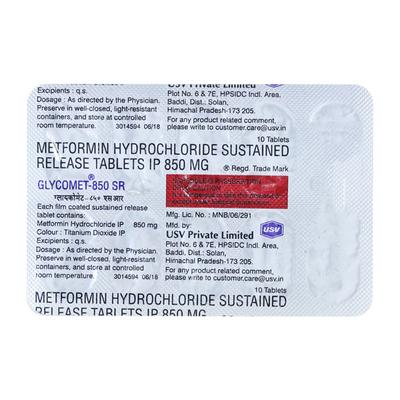
Introduction About GLYCOMET SR 850MG TABLET
Glycomet SR 850 mg Tablet is a sustained-release formulation of metformin, widely used in the management of Type II Diabetes Mellitus. It is especially suitable for adults who need stable blood sugar control throughout the day and find it challenging to manage blood sugar levels with diet and lifestyle measures alone. The sustained-release design allows the medicine to gradually release metformin, providing steady glucose-lowering effects while reducing the likelihood of stomach-related side effects compared to immediate-release formulations.
This tablet works by reducing glucose production in the liver, improving insulin sensitivity in body tissues, and slightly slowing the absorption of sugar from the intestines. It is typically recommended for patients with type 2 diabetes who have not achieved adequate blood sugar control through lifestyle changes alone. Glycomet SR 850 mg is usually taken once daily with meals, ensuring better tolerance and consistent action. Swallowing the tablet whole without crushing or chewing is important to maintain its sustained-release effect.
Patients should follow precautions to maximize safety and effectiveness. It is not recommended for individuals with severe kidney, liver, heart, or lung problems, or those with known allergy to metformin. Alcohol intake should be limited, and caution is advised for elderly patients due to age-related kidney function changes. If a dose is missed, it should be taken as soon as remembered unless it is near the time for the next dose; doubling up is not advised. Patients should also avoid using it during severe infections or acute illnesses without medical supervision.
For pregnancy and breastfeeding, limited data is available, so consultation with a healthcare provider is essential before use. Common side effects include nausea, diarrhoea, stomach discomfort, gas, or loss of appetite, which are usually mild and often improve with time. Severe side effects, though rare, may include symptoms of lactic acidosis, such as extreme tiredness, muscle pain, or difficulty breathing, requiring immediate medical attention. With regular monitoring and adherence to prescribed directions, Glycomet SR 850 mg can be a reliable part of a comprehensive diabetes management plan.
Uses Of GLYCOMET SR 850MG TABLET
- Used to manage Type II diabetes mellitus
Benefits of GLYCOMET SR 850MG TABLET
Glycomet SR 850 mg Tablet for Type II Diabetes Mellitus
Glycomet SR 850 mg Tablet contains metformin in a sustained-release form, which is commonly included in care plans for adults with Type II Diabetes Mellitus. It supports better blood sugar balance by improving how the body responds to insulin and by reducing excess glucose release from the liver. The sustained-release formulation allows the medicine to work gradually over an extended period, helping maintain steadier blood sugar levels throughout the day.
This tablet is often advised for individuals whose blood sugar levels are not adequately managed with lifestyle measures such as diet control and regular physical activity alone. Glycomet SR 850 mg is usually taken once daily with meals, which may improve digestive tolerance. Regular monitoring of blood sugar levels, along with medical follow-up, helps ensure safe and effective long-term use as part of a structured diabetes management plan.
How GLYCOMET SR 850MG TABLET Works
Mechanism of Action of Glycomet SR 850 mg Tablet
Glycomet SR 850 mg Tablet contains metformin in a sustained-release formulation, which works by improving the body’s ability to regulate blood sugar levels. It primarily reduces the amount of glucose produced by the liver, helping to limit excess sugar release into the bloodstream. At the same time, it improves insulin sensitivity, allowing body cells to use available insulin more effectively.
Additionally, Glycomet SR slows down the absorption of glucose from the intestines after meals, which helps prevent sudden spikes in blood sugar levels. The sustained-release design ensures that metformin is released gradually over several hours, providing more stable glucose control with reduced fluctuations and better digestive tolerance compared to immediate-release formulations.
How to use GLYCOMET SR 850MG TABLET
How to Take Glycomet SR 850 mg Tablet
- Take the tablet exactly as prescribed by your doctor.
- It is usually taken once daily with or after a meal to improve stomach tolerance.
- Swallow the tablet whole with a glass of water.
- Do not crush, chew, or break the tablet, as this may affect its sustained-release action.
- Try to take it at the same time each day to maintain consistency.
- If you miss a dose, take it when you remember unless it is close to the next dose.
- Do not take a double dose to make up for a missed one.
- Continue taking the medicine regularly unless your doctor advises otherwise.
What if I forgot to take GLYCOMET SR 850MG TABLET
- Take the missed dose as soon as you remember, preferably with food.
- Skip the missed dose if it is almost time for your next scheduled dose.
- Do not take two doses at the same time or an extra dose to make up for the missed one, as this may increase the chance of unwanted side effects such as stomach discomfort.
Overdose
If you or someone else accidentally takes more than the prescribed dose of Glycomet SR 850 mg Tablet, seek medical attention immediately or go to the nearest hospital. Signs of an overdose may include vomiting, stomach pain accompanied by muscle cramps, extreme tiredness or weakness, a general feeling of being unwell, and difficulty in breathing.
Side Effects Of GLYCOMET SR 850MG TABLET
Common side effects of Glycomet SR 850mg Tablet
- Diarrhoea
- Abdominal discomfort/ pain
- Flatulence (Gas)
- Loss of appetite
- Metallic taste in mouth
- Nausea
- Vomiting
When to Seek Medical Attention?
Stop taking Glycomet SR 850mg Tablet and consult your doctor immediately if you experience any of the following side effects:
- serious allergic reaction (such as hives, swelling of the face, lips, tongue or throat causing difficulty in breathing or swallowing)
- signs of liver problems (such as nausea or vomiting, stomach pain, unusual or unexplained tiredness, loss of appetite, dark urine, yellowing of the skin or the whites of the eyes)
- signs of lactic acidosis (cold hands or feet, dizziness or light-headedness, slow or irregular heartbeat, weakness or tiredness, unusual muscle pain, trouble breathing, sleepiness or drowsiness, stomach pains, nausea or vomiting)
How To Manage Side Effects

Loss Of Appetite
- Eat small, frequent meals: Instead of large meals, try eating smaller portions at regular intervals. This can make eating feel easier and more comfortable.
- Choose light and nutritious foods: Foods like soups, curd, fruits, smoothies, and boiled vegetables are gentle on the stomach and still provide nutrition.
- Include ginger or lemon: Ginger tea or a few drops of lemon juice in warm water may help stimulate appetite and support digestion.
- Maintain regular meal timings: Eating at the same time each day helps train the body to feel hungry at regular intervals.
- Stay active: Light physical activity or a short walk before meals can help improve appetite naturally.
- Avoid skipping meals and stress: Stress and irregular eating can reduce appetite. Adequate rest and relaxation may help improve food intake.

Stomach Pain
- Warm fluids: Drinking warm water or herbal teas like ginger or chamomile may help relax the stomach muscles and ease discomfort. Avoid very hot or cold drinks.
- Light and easy-to-digest foods: Choose bland foods such as rice, curd, toast, bananas, or boiled vegetables. These are gentle on the stomach and may help reduce irritation.
- Small and frequent meals: Eating smaller portions at regular intervals can reduce pressure on the stomach and support smoother digestion.
- Avoid trigger foods: Stay away from spicy, oily, fried, or very sugary foods until the pain improves, as these can worsen abdominal discomfort.
- Gentle activity and posture: Light walking after meals and sitting upright can aid digestion. Avoid lying down immediately after eating.
- Adequate rest: Giving your body enough rest helps the digestive system recover. Manage stress, as it can also affect stomach comfort.
Warning & Precautions

Pregnancy
Consult your doctorThere is limited clinical information available on the use of Glycomet SR 850 mg Tablet during pregnancy. Pregnant women should take this medicine only if advised by a healthcare professional after careful evaluation.

Breastfeeding
Consult your doctorAdequate data on the use of Glycomet SR 850 mg Tablet while breastfeeding is not available. It is important to seek medical advice before using this medicine during lactation.

Driving and Using Machines
Use with CautionIf this medicine causes dizziness, weakness, or affects alertness, avoid driving or using heavy machinery until you feel well.

Alcohol
Consult your doctorAlcohol intake should be avoided while using Glycomet SR 850 mg Tablet, as it may increase the likelihood of unwanted effects, especially those affecting metabolism.

Kidney
ContraindicatedThis medicine is not suitable for individuals with severe kidney impairment, as reduced kidney function may increase the risk of complications.

Liver
Consult your doctorGlycomet SR 850 mg Tablet is generally not recommended in severe liver conditions. Caution is advised in patients with mild to moderate liver concerns, under medical supervision.

Allergy
ContraindicatedDo not use this medicine if you are allergic to metformin or any of its components. Seek immediate medical attention if allergic symptoms occur.

Lungs
ContraindicatedThis tablet is not recommended for patients with severe lung or respiratory infections, as it may increase health risks in such conditions.

Heart Disease
ContraindicatedPatients with serious heart problems, such as recent heart attack or acute heart failure, should avoid using Glycomet SR 850 mg Tablet.

Use In Pediatrics
Consult your doctorThe safety and effectiveness of this medicine have not been adequately studied in children. Medical advice is necessary before use.

Use In Geriatrics
Use with CautionElderly patients (above 65 years) should use this medicine carefully, as age-related changes in kidney function may require closer monitoring.
Other Warnings for GLYCOMET SR 850MG TABLET
Before taking Gycomet SR 850mg Tablet, inform your doctor if you:
- are about to have any X-ray or scan
- are about a have a major surgery
- are in fasting state
Who should not take GLYCOMET SR 850MG TABLET
Glycomet SR 850mg Tablet is not recommended for use if you:
- have severe, uncontrollable diabetes
- have lactic acidosis or ketoacidosis
- are dehydrated
- have any systemic infection
- have problems in blood circulation
- have breathing problems
- are an alcoholic
Safety Advice
- Follow Prescribed Dosage: Take the tablet exactly as directed by your doctor. Do not increase or decrease the dose on your own. Swallow the tablet whole with water; do not crush or chew it.
- Take with Meals: To reduce stomach-related side effects such as nausea, diarrhoea, or abdominal discomfort, take the tablet with or immediately after food.
- Monitor for Serious Symptoms: Seek immediate help if you experience severe tiredness, muscle pain, trouble breathing, unusual stomach pain, or persistent vomiting, as these could be signs of lactic acidosis, a rare but serious condition.
Diet and Lifestyle Advice
- Balanced Diet: Focus on a diet rich in vegetables, fruits, whole grains, and lean proteins. Limit intake of refined sugars, fried foods, and high-fat meals to support blood sugar control. Prefer smaller, frequent meals rather than large heavy meals to reduce blood sugar spikes.
- Stay Hydrated: Drink plenty of water throughout the day to support metabolism and kidney function. Limit sugary drinks and carbonated beverages.
- Regular Physical Activity: Engage in moderate exercise such as walking, cycling, or swimming for at least 30 minutes most days. Physical activity helps improve insulin sensitivity and overall blood sugar management.
- Maintain Healthy Weight: Losing excess weight, if needed, can improve the effectiveness of Glycomet SR. Combine diet control with regular exercise for sustainable results.
- Avoid alcohol and Smoking: Both may increase the risk of side effects like low blood sugar and lactic acidosis. Smoking can worsen diabetes-related complications, so quitting is recommended.
- Monitor Blood Sugar Regularly: Keep track of your blood sugar levels as advised by your doctor. Maintain a record to help adjust diet, exercise, and medication as needed.
- Manage Stress and Sleep Well: Stress and lack of sleep can affect blood sugar levels. Practice relaxation techniques like meditation, deep breathing, or yoga.
1. Glycomet SR 850 mg vs Gluconorm SR
|
Aspect |
Glycomet SR 850 mg |
Gluconorm SR |
|
Active ingredient |
Metformin (sustained release) |
Metformin (sustained release) |
|
Release pattern |
Gradual release of metformin over time |
Gradual release of metformin over time |
|
Common stomach-related effects |
May cause nausea, diarrhoea, gas, or stomach discomfort, especially when starting |
Similar digestive effects such as nausea, loose stools, or abdominal discomfort may occur |
|
Overall stomach tolerance |
Generally, well tolerated due to sustained-release design, which reduces sudden stomach irritation |
Also designed to improve stomach tolerance compared to immediate-release forms |
|
Effect of taking with food |
Taking with meals often helps reduce stomach upset |
Taking with meals also helps improve digestive comfort |
|
Individual response |
Tolerance may vary from person to person |
Tolerance may vary from person to person |
|
Which is better tolerated? |
Neither is universally “better”; tolerance depends on individual digestion and dose |
Choice is usually based on patient response and doctor’s advice |
2. Glycomet SR 850 mg (sustained-release) and Glycomet IR 850 mg (immediate-release)
|
Feature |
Glycomet SR 850 mg (Sustained-Release) |
Glycomet IR 850 mg (Immediate-Release) |
|
Release Pattern |
Slow, gradual release of medicine over several hours |
Rapid release of medicine shortly after taking |
|
Dosing Frequency |
Usually once daily |
Often taken 2–3 times a day |
|
Stomach Tolerance |
Generally easier on the stomach with fewer digestive side effects |
May cause more stomach discomfort due to quick release |
|
Blood Sugar Control |
Provides more stable blood sugar levels throughout the day |
May cause quicker but shorter-lasting effects |
|
Convenience |
More convenient due to once-a-day dosing |
Less convenient due to multiple doses |
|
Suitability for Nighttime Control |
Better for overnight blood sugar control |
Less consistent overnight effect |
|
Risk of Side Effects |
Lower peaks in blood levels may reduce side effects like nausea |
Faster peaks may increase the chance of side effects in some people |
|
Who Might Prefer It? |
People who want fewer doses and smoother control |
People who need flexible dosing or shorter action |
Drug - Drug interaction
1. Cimetidine (Used for heartburn/acid reflux)
- Interaction: Cimetidine can increase metformin levels in the blood.
- Management: Monitor blood sugar closely. Dose adjustment of metformin may be needed under doctor supervision. Avoid unnecessary long-term cimetidine use.
2. Diuretics (e.g., furosemide, hydrochlorothiazide)
- Interaction: Some diuretics can reduce kidney function and increase the risk of lactic acidosis with metformin.
- Management: Regular kidney function tests. Adjust metformin dose if kidney function declines. Avoid combining without doctor guidance.
3. ACE Inhibitors (e.g., enalapril, lisinopril)
- Interaction: Can enhance the blood sugar-lowering effect of metformin, leading to hypoglycaemia in some cases.
- Management: Monitor blood sugar more frequently, especially when starting therapy. Adjust doses if necessary.
4. Beta-blockers (e.g., atenolol, metoprolol)
- Interaction: May mask symptoms of low blood sugar (like rapid heartbeat), making hypoglycaemia harder to detect.
- Management: Monitor blood sugar regularly and be aware of non-typical hypoglycaemia symptoms (e.g., dizziness, sweating).
5. Corticosteroids (e.g., prednisone)
- Interaction: Can increase blood sugar, reducing metformin effectiveness.
- Management: Frequent blood sugar monitoring and possible dose adjustment of metformin during steroid therapy.
6. Other antidiabetic medications (e.g., insulin, sulfonylureas)
- Interaction: Combining with other blood sugar-lowering drugs can increase risk of hypoglycaemia.
- Management: Monitor blood sugar closely and adjust doses under doctor supervision.
Drug - Food interaction
1. High-Fiber Foods
- Interaction: Very high-fibre meals (like bran, whole grains, or fibre supplements) may slightly reduce the absorption of metformin, potentially lowering its effectiveness.
- Management: Maintain consistent fibre intake and monitor blood sugar levels. Do not drastically change fibre intake without consulting your doctor.
2. Foods High in Simple Sugars
- Interaction: Foods rich in sugar (sweets, sugary drinks) can counteract the blood sugar-lowering effect of metformin.
- Management: Limit sugary foods and beverages to help maintain optimal blood sugar control. Combine meals with complex carbs and protein for better glycemic stability.
3. Caffeine
- Interaction: High caffeine intake may cause temporary increases in blood sugar and may interact with metformin’s effect on glucose metabolism.
- Management: Moderate caffeine consumption (coffee, tea, energy drinks) and monitor blood sugar if you consume caffeine regularly.
4. Vitamin B12-Rich or Fortified Foods
- Interaction: Long-term metformin use may reduce vitamin B12 absorption. While foods themselves don’t cause this, diet plays a role in managing potential deficiency.
- Management: Include vitamin B12-rich foods (eggs, fish, dairy) or discuss supplements with your doctor if you have been on metformin long-term.
Synopsis
|
Drug |
|
|
Pharmacological Category |
Biguanides |
|
Therapeutic Indication |
|
|
Dosage Forms |
Tablet |
More Information
Storage
- Store the tablet at room temperature, ideally below 25°.
- Keep out of reach of children and pets.
FAQs About GLYCOMET SR 850MG TABLET
Q: What is Glycomet SR 850 mg Tablet used for?
A: Glycomet SR 850 mg Tablet contains metformin in a sustained-release form. It helps manage blood sugar levels in people with type 2 diabetes when used along with a healthy diet and physical activity. The sustained-release design allows the medicine to work gradually throughout the day.
Q: How should I take Glycomet SR 850 mg Tablet?
A: Take this tablet exactly as prescribed by your doctor. It is usually taken once daily with or after meals. Swallow it whole with water and do not crush or chew it.
Q: Why should Glycomet SR be taken with food?
A: Taking Glycomet SR with food helps reduce stomach-related side effects such as nausea or discomfort. It also supports better tolerance of the medicine. This is especially helpful when starting the treatment.
Q: Can I crush or break Glycomet SR 850 mg Tablet?
A: No, this tablet should not be crushed, chewed, or broken. Doing so can affect the sustained-release mechanism. Always swallow it whole to ensure proper release of the medicine.
Q: What are the common side effects of Glycomet SR 850 mg?
A: Common side effects may include nausea, diarrhoea, stomach pain, gas, or loss of appetite. These effects are usually mild and improve as your body adjusts. Taking the tablet with meals can help reduce them.
Q: Does Glycomet SR 850 mg cause low blood sugar?
A: On its own, Glycomet SR usually does not cause low blood sugar. However, the risk may increase if it is taken with other diabetes medicines or if meals are skipped. Follow your doctor’s advice carefully.
Q: What should I do if I miss a dose?
A: Take the missed dose as soon as you remember. If it is close to your next dose, skip the missed one. Do not take two tablets together to make up for a missed dose.
Q: What happens if I take too much Glycomet SR 850 mg?
A: Taking more than the prescribed dose may cause serious side effects. Symptoms can include vomiting, stomach pain, muscle cramps, extreme tiredness, or breathing difficulty. Seek medical help immediately if overdose is suspected.
Q: Who should not take Glycomet SR 850 mg?
A: People allergic to metformin, those with severe kidney or liver disease, serious heart problems, or severe lung infections should avoid this medicine. Medical evaluation is important before starting.
Q: Does Glycomet SR 850 mg cause weight gain?
A: Glycomet SR is generally weight-neutral and may help avoid weight gain. Individual responses can vary depending on diet and activity levels. Maintain healthy lifestyle habits.
Q: How long does Glycomet SR 850 mg take to show effects?
A: Blood sugar improvements may be seen gradually over days to weeks. The sustained-release form works slowly and steadily. Regular monitoring helps track progress.
Q: Can Glycomet SR 850 mg be taken long term?
A: Yes, it is often used as part of long-term diabetes management. Regular medical follow-up is important to ensure safety and effectiveness over time.
Q: Does Glycomet SR affect vitamin levels?
A: Long-term use may reduce vitamin B12 levels in some people. Your doctor may suggest periodic testing or supplements if needed.
Q: Should I stop Glycomet SR 850 mg suddenly?
A: Do not stop taking this medicine without consulting your doctor. Stopping suddenly may affect blood sugar control. Any changes should be done under medical guidance.
References
1. KD. Tripathi. Insulin, Oral Hypoglycaemic Drugs and Glucagon. Essentials of medical pharmacology. Seventh edition. 2013. Page – 275.
2. Calette Corcoran; Tibb F. Jacobs. Metformin. StatPearls. NIH. National Library of Medicine. National center for biotechnology information. PMC. PubMed Central. [Revised on May 2022]. [Accessed on 30th January 2026] 
3. Shuyan Gu, Jihao Shi, Zhiliu Tang, Monika Sawhney, Huimei Hu, Lizheng Shi, Vivian Fonseca, Hengjin Dong. Comparison of Glucose Lowering Effect of Metformin and Acarbose in Type 2 Diabetes Mellitus: A Meta-Analysis. PLOS ONE. May 2015. [Accessed on 30th January 2026] 
4. Merck Santé S.A.S. U.S. Food & Drug Administration. [Revised in April 2017] [Accessed on 30th January 2026]
5. Franco Indian Pharmaceuticals Pvt Ltd. GLYCIPHAGE® GLYCIPHAGE 850® GLYCIPHAGE 250®TABLETS. (ORAL ANTI-HYPERGLYCEMIC AGENT). [Accessed on 30th January 2026]
Author Details