






Netmeds First Membership
Quick Links
Introduction About GLYCOMET GP 1MG TABLET
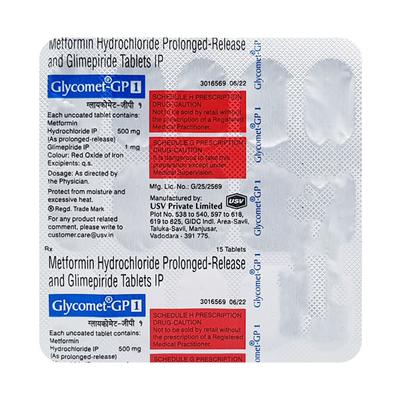
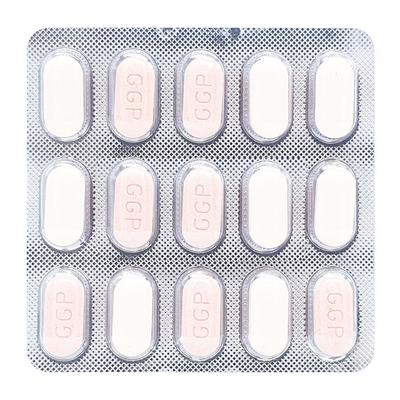
Glycomet-GP 1 Tablet is used for the effective management of type 2 diabetes. It helps control blood sugar levels and is prescribed to improve insulin sensitivity. Each pack contains 15 tablets, providing a month-long supply for most users.
Glycomet-GP 1 Tablet should be taken with food. For the best results, take it consistently at the same time each day. Your doctor will determine the appropriate dosage for you, which may adjust over time based on your blood sugar levels.
Continue taking this medication, even if you feel fine or your blood sugar is under control. Stopping it without your doctor's approval could cause your blood sugar to increase once again. Keep in mind that this medication is just one part of your overall management plan, which should also include a healthy diet, regular exercise, and weight management as recommended by your doctor. Your lifestyle plays a key role in managing diabetes.
The most common side effects of this medication include headache, stomach upset, dizziness and low blood sugar levels (hypoglycemia), taste disturbance, diarrhea, stomach pain, loss of appetite and upper respiratory tract infection. Be aware of the signs of low blood sugar, like sweating, dizziness, headaches, and shaking, and know how to handle them. To prevent this, eat regular meals and keep a quick source of glucose, like sugary snacks or fruit juice, on hand. Avoid drinking alcohol, as it can raise the risk of low blood sugar. Some individuals might experience weight gain while taking this medication.
This medication should be avoided if you have type 1 diabetes mellitus, diabetic ketoacidosis (high acid levels in the blood), or severe kidney or liver disease. Before using this medicine, inform your doctor if you have a history of heart disease, as it may not be appropriate for you. Pregnant or breastfeeding women should also consult their doctor before taking it. Your doctor may recommend regular blood sugar monitoring, as well as tests to check your blood cell counts and liver function.
Uses Of GLYCOMET GP 1MG TABLET
Benefits of GLYCOMET GP 1MG TABLET
- Helps control blood sugar levels
- Improves insulin sensitivity
- Effective in managing type 2 diabetes
- Comes in a convenient 15-tablet pack
How GLYCOMET GP 1MG TABLET Works
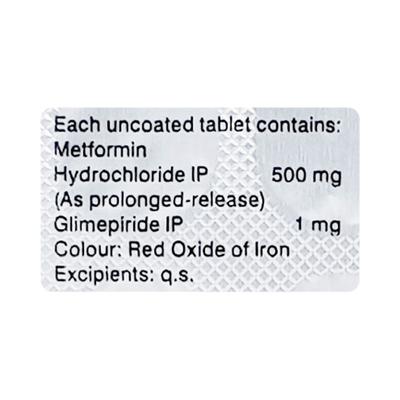
Glycomet-GP 1 Tablet contains two active ingredients: Metformin and Glimepiride. Metformin works by reducing the sugar production in the liver, while Glimepiride stimulates the pancreas to release insulin. Together, these combination ingredients help lower blood sugar levels and provide better glycemic control for individuals with type 2 diabetes.
How to use GLYCOMET GP 1MG TABLET
Follow your doctor's instructions regarding the exact dosage. Do not exceed the recommended daily dosage.
How to Take Glycomet-GP 1 Tablet?
- Take one tablet daily with meal or as advised by your doctor
- Swallow the tablet whole with a glass of water. Do not crush or chew the medication.
- It is recommended to take Glycomet-GP 1 Tablet with food to reduce the risk of stomach upset or other digestive issues
- Try to take the tablet at the same time each day to help remember and ensure consistency.
Dosage Instructions for Adults and Children:
For Adults, take one tablet once a day with food to reduce the risk of stomach upset. For children, generally unsafe under the age of 18. Pediatric dosing is determined individually and should be supervised by your pediatrician. consult your pediatrician for more advice.
How Long Does Glycomet GP 1mg Take to Work?
The time it takes for Glycomet GP 1mg to show effects can vary depending on individual factors such as how your body responds to the medication, your diet, lifestyle, and overall health condition. Generally, Glycomet GP tablet can start to lower blood sugar levels within 1-2 hours after taking it.
However, the full effects might take a few days to weeks, as the medication works gradually to regulate blood sugar levels over time. It is important to follow your doctor's instructions closely for the best results and to monitor your blood sugar levels regularly.
Side Effects Of GLYCOMET GP 1MG TABLET
Common side effects of GLYCOMET GP 1MG TABLET:
- taste disturbance
- diarrhea
- stomach pain
- loss of appetite
Stop taking GLYCOMET GP 1MG TABLET and contact your doctor immediately if you experience any of the following side effects:
- lactic acidosis
- inflammation of the liver which may result in jaundice (yellowing of skin or eyes)
- severe allergic reactions (such as skin rash, hives, and increased sensitivity to sun, inflammation of blood vessels which may develop into serious reactions with difficulty in breathing, fall in blood pressure and sometimes progressing to shock)
- severe low blood sugar levels
How To Manage Side Effects
Like all medicines, Glycomet-GP 1 Tablet may cause certain side effects in some individuals, although not everybody gets them.
The most common side effects of taking Glycomet-GP 1 Tablet are:
- Headache
- stomach upset
- dizziness
- low blood sugar levels (hypoglycemia)
- taste disturbance
- diarrhea
- stomach pain
- loss of appetite
- upper respiratory tract infection
When to consult your doctor?
- Severe hypoglycemia (Low Blood Sugar) symptoms such as shaking, sweating, confusion, dizziness, irritability, and rapid heartbeat.
- Lactic Acidosis symptoms such as muscle pain, difficulty breathing, dizziness, feeling cold, tiredness, or slow/irregular heartbeat.
- Severe Allergic Reactions symptoms such as swelling of the face, lips, tongue, or throat, difficulty breathing, or hives.
- Liver problems symptoms such as yellowing of the Skin or Eyes (Jaundice)
- Pancreatitis symptoms such as nausea, vomiting, or abdominal pain
- Breathing Difficulties symptoms such as sudden shortness of breath or chest tightness
Warning & Precautions

Pregnancy
ContraindicatedGlycomet-GP 1 Tablet is generally unsafe to use during pregnancy. Although there are limited studies in humans and animal studies have shown harmful effects on the developing baby. Your doctor will weigh the benefits and any potential risks before prescribing it to you. Please consult your doctor.

Breastfeeding
ContraindicatedGlycomet-GP 1 Tablet is probably unsafe to use during breastfeeding. Limited human data suggests that the drug may pass into the breastmilk and harm the baby. Please consult your doctor.

Driving and Using Machines
Use with CautionDo not drive or operate machines if you experience signs of high/low blood sugar or visual problems.

Alcohol
Consult your doctorAvoid consumption of alcohol while taking Glycomet GP tablet since it may increase or decrease the blood sugar lowering action and increases the risk of lactic acidosis.

Kidney
Consult your doctorGlycomet-GP 1 Tablet should be used with caution in patients with kidney disease. Dosage adjustment and careful monitoring are required in such patients. Glycomet-GP 1 Tablet unsafe for individuals with severe kidney disease. Regular monitoring of kidney function is recommended while taking this medication. Please consult your doctor before taking it.

Liver
Consult your doctorGlycomet-GP 1 Tablet should be used with caution in patients with liver disease. Dose adjustment of Glycomet GP tablet may be needed. Please consult your doctor.
Glycomet-GP 1 Tablet is generally started with low dose in patients with mild to moderate liver disease and unsafe for use in patients with severe liver disease. Therefore, inform your doctor if you have any pre-existing liver diseases as a precaution. Please consult your doctor before taking it.

Allergy
ContraindicatedDo not take this medication if you are allergic to metformin or glimepiride, and/or any other ingredients of this medicine.

Heart Disease
ContraindicatedGlycomet-GP 1 Tablet is generally unsafe for use in patients with acute heart problems or recently had a heart attack or have severe circulatory problems or breathing difficulties (signs of heart failure). Please consult your doctor before taking it.

Use In Pediatrics
ContraindicatedGlycomet-GP 1 Tablet is unsafe for use in children and adolescents (under 18 years of age). Consult your pediatrician before giving it.

Use In Geriatrics
Use with CautionGlycomet-GP 1 Tablet should be used with caution in elderly patients. Dosage adjustment and careful monitoring are required in such patients. Consult and inform your doctor before taking it.
Others
Before taking Glycomet-GP 1 Tablet, inform your doctor if you:
- are recovering from injury, operation, infections with fever, or from other forms of stress
- have glucose-6-phosphate dehydrogenase (G6PD) deficiency
- have various factors which could increase the risk of low blood sugar levels (such as undernourishment, irregular mealtime, missed or delayed meal or period of fasting, change in diet, hormone-induced disorders)
Who should not take GLYCOMET GP 1MG TABLET
Glycomet-GP 1 Tablet is generally not safe for use if you:
- type 1 diabetes mellitus
- diabetic ketoacidosis
- uncontrolled diabetes or ketoacidosis
- dehydration
- severe infection
Safety Advice
Expert Tips To Follow While Taking Glycomet- GP 1 Tablet:
- Take one tablet daily with meal or as advised by your doctor
- Swallow the tablet whole with a glass of water. Do not crush or chew the medication.
- It is recommended to take Glycomet-GP 1 Tablet with food to reduce the risk of stomach upset or other digestive issues
- Follow the prescribed diet and exercise plan along with taking this medication for best results.
- Monitor your blood sugar levels regularly while taking this medicine.
- Avoid alcohol while taking this medication, as it can increase the risk of hypoglycemia or lactic acidosis.
- Let your doctor know about your diabetes management if you are scheduled for surgery with general anesthesia.
- Your doctor might regularly monitor your kidney and liver function.
- Let your doctor know if you have kidney disease or any history of kidney problems, liver disease or a history of liver problems.
- Let your doctor know If you are pregnant or planning to become pregnant or breastfeeding women.
- Do not suddenly stop taking the medication without consulting your doctor, as this can lead to uncontrolled blood sugar levels.
- If you experience nausea, vomiting, abdominal pain, and fatigue or lactic acidosis (symptoms include muscle pain, difficulty breathing, and dizziness), seek medical attention immediately.
- Dehydration can raise the chance of kidney issues and other complications. Make sure to stay well-hydrated, particularly when you are sick or dealing with diarrhea.
Diet and Lifestyle Advice
Lifestyle Modifications for Managing Diabetes:
|
Alternative Options |
Description |
|
A.Lifestyle Changes |
|
|
1. Balanced Diet |
Focus on a healthy, well-balanced diet rich in vegetables, fruits, whole grains, and lean proteins. Limit processed foods and sugary drinks. |
|
2. Regular Physical Activity |
Engage in at least 30 minutes of moderate-intensity exercise, such as walking, cycling, or swimming, on most days of the week. |
|
3. Weight Management |
Maintaining a healthy weight can improve insulin sensitivity and help with blood sugar control. |
|
4. Stress Management |
Practicing relaxation techniques such as yoga, meditation, or deep breathing exercises can help reduce stress and support blood sugar control. |
|
5. Adequate Sleep |
Aim for 7-9 hours of quality sleep each night to help regulate hormones and maintain healthy blood sugar levels. |
|
B.Non-Prescription Alternatives |
|
|
1. Cinnamon |
Contains compounds that may help lower blood sugar by improving insulin sensitivity. Can be added to food or taken in supplement form. |
|
2. Apple Cider Vinegar |
May help improve insulin sensitivity and lower blood sugar levels. Consider consuming diluted vinegar before meals. |
|
3. Bitter Melon |
A natural herb that may have blood sugar-lowering effects by improving insulin production and glucose metabolism. Can be used in cooking or supplements. |
|
4. Fenugreek Seeds |
These seeds may help control blood sugar by improving insulin response and reducing blood glucose levels. Can be consumed in water or as a supplement. |
|
5. Aloe Vera |
Aloe vera may help lower blood sugar and improve overall blood glucose control. It can be consumed as a juice or supplement. |
Diet and Exercise Tips For Blood Sugar Management:
1. Diet Plans for Diabetics:
|
Food Category |
Recommended Foods |
Benefits for Diabetics |
|
Leafy Greens |
Spinach, Kale, Collard greens, Swiss chard |
High in fiber and low in carbohydrates, which help control blood sugar levels and provide essential nutrients. |
|
Whole Grains |
Brown rice, Quinoa, Oats, Barley |
They have a low glycemic index, promoting steady blood sugar levels and providing sustained energy. |
|
Non-Starchy Vegetables |
Broccoli, Cauliflower, Zucchini, Bell peppers |
Low in calories and carbs, rich in fiber and antioxidants, helping to reduce blood sugar spikes. |
|
Healthy Fats |
Avocados, Olive oil, Nuts (almonds, walnuts), Chia seeds |
Healthy fats can help improve insulin sensitivity and control blood sugar levels. |
|
Lean Proteins |
Skinless chicken, Turkey, Fish (salmon, mackerel), Tofu, Eggs |
Lean proteins are important for muscle repair and support metabolic health without raising blood sugar. |
2. Exercise Tips:
|
Exercise |
Benefit |
Duration/Frequency |
Tips for Effectiveness |
|
Walking |
Helps improve insulin sensitivity and lowers blood sugar levels. |
30 minutes, 5 days a week |
Maintain a steady pace, focus on consistency. |
|
Strength Training (e.g., weights) |
Builds muscle mass, which can improve blood sugar regulation. |
20-30 minutes, 2-3 times a week |
Focus on compound exercises (e.g., squats, lunges) to engage multiple muscle groups. |
|
Cycling |
Enhances cardiovascular health and lowers blood sugar. |
20-45 minutes, 3-4 times a week |
Keep your pace moderate to avoid spikes in blood |
Drug - Drug interaction
Inform your physician if you are taking any of the following medicine before taking Glycomet-GP 1 Tablet:
1. Insulin or Other Oral Antidiabetic Drugs (e.g., Sulfonylureas, Meglitinides)
- Interaction: Combining Glycomet GP with other insulin or oral antidiabetic drugs can increase the risk of hypoglycemia (low blood sugar). This is because both drugs can work to lower blood sugar levels.
- Effect: Hypoglycemia can cause symptoms like dizziness, confusion, tremors, or even loss of consciousness in severe cases.
- Management: Monitor blood glucose levels more frequently, adjust doses accordingly, and be prepared with quick sources of sugar (glucose tablets, juice) in case of hypoglycemia. Consider dose adjustments or alternative therapies as needed.
2. Corticosteroids (e.g., Prednisone)
- Interaction: Corticosteroids can increase blood sugar levels, potentially counteracting the effect of Glycomet GP in lowering blood glucose.
- Effect: Elevated blood sugar can lead to hyperglycemia, increasing the risk of diabetes-related complications.
- Management: Regularly monitor blood glucose levels when starting or stopping corticosteroids. Adjust diabetes treatment if necessary, and consider a more frequent monitoring schedule for blood sugar.
3. Angiotensin-Converting Enzyme (ACE) Inhibitors (e.g., Lisinopril)
- Interaction: ACE inhibitors may enhance the blood sugar-lowering effect of Glycomet GP, increasing the risk of hypoglycemia, especially in the elderly.
- Effect: Hypoglycemia can occur due to enhanced glucose-lowering effects, particularly in those with renal impairment.
- Management: Monitor blood glucose closely, especially at the start of therapy with ACE inhibitors, and adjust dosages of Glycomet GP if needed.
4. Beta-Blockers (e.g., Propranolol, Metoprolol)
- Interaction: Beta-blockers can mask the symptoms of hypoglycemia, particularly the early warning signs like tachycardia and tremors.
- Effect: The person may not recognize hypoglycemia, increasing the risk of more severe episodes.
- Management: Educate patients to be cautious when starting beta-blockers, and consider more frequent blood glucose monitoring. Additionally, alternative medications should be considered if the patient is prone to hypoglycemic episodes.
5. Diuretics (e.g., Thiazides, Hydrochlorothiazide)
- Interaction: Diuretics, especially thiazide diuretics, can increase blood glucose levels, possibly leading to hyperglycemia.
- Effect: This interaction can potentially make it harder to control blood sugar levels in people using Glycomet GP.
- Management: Monitor blood glucose levels regularly, and consider adjusting the dose of Glycomet GP if necessary. Also, consider switching to a potassium-sparing diuretic or a different antihypertensive medication.
6. Anticoagulants (e.g., Warfarin)
- Interaction: Both Glycomet GP and Warfarin can interact with each other by altering the metabolism, affecting the effectiveness of either drug.
- Effect: Warfarin’s anticoagulant effect may be altered, increasing the risk of bleeding or clotting.
- Management: Frequent monitoring of INR (International Normalized Ratio) is essential to ensure that the Warfarin dose remains within the therapeutic range. Dose adjustments may be needed.
7. H2-receptor antagonists (e.g., Cimetidine)
- Interaction: Cimetidine can reduce the clearance of Metformin, which may increase the risk of lactic acidosis.
- Effect: Lactic acidosis is a serious but rare complication associated with Metformin.
- Management: Monitor for signs of lactic acidosis (muscle pain, difficulty breathing, unusual tiredness). Consider adjusting doses of Metformin or choosing an alternative H2 antagonist.
8. MAO Inhibitors (e.g., Phenelzine)
- Interaction: MAO inhibitors can enhance the blood-glucose-lowering effects of Glycomet GP, increasing the risk of hypoglycemia.
- Effect: Severe hypoglycemia may result, which could be life-threatening.
- Management: Regularly monitor blood glucose levels. Adjust Glycomet GP dosage as necessary, and educate patients on recognizing hypoglycemia.
9. Other Drugs Causing Hypoglycemia (e.g., Fluoroquinolones)
- Interaction: Some antibiotics like fluoroquinolones (e.g., Ciprofloxacin) may cause hypoglycemia or alter glucose metabolism.
- Effect: This can lead to an increased risk of hypoglycemia, especially when used in combination with Glycomet GP.
- Management: Closely monitor blood glucose during and after the course of fluoroquinolone treatment. Consider adjusting the diabetes medication dose if necessary.
Synopsis
| Drug | : | Glimepiride, Metformin |
| Pharmacological Category | : | Sulfonylureas, Biguanides |
| Therapeutic Indication | : | Type II diabetes mellitus |
| Dosage Forms | : | Tablet |
More Information
Why choose Glycomet-GP 1 Tablet over other drugs:
1.Dual Action:
- Metformin works by reducing the amount of glucose produced by the liver and increasing insulin sensitivity in muscle cells, helping to lower blood sugar levels.
- Glimepiride is a sulfonylurea that helps the pancreas release more insulin, particularly after meals.
- By combining these two mechanisms, Glycomet GP 1mg can provide a more comprehensive approach to controlling blood sugar.
2.Convenience:
- Using a combination of drugs like Glycomet GP 1mg can sometimes be more convenient for patients than taking multiple medications separately. It might improve adherence to treatment, which is crucial in diabetes management.
3.Effectiveness:
- Studies and clinical experience show that this combination is quite effective at controlling blood sugar levels in type 2 diabetics, especially when diet and exercise alone are not enough.
4. Suitable for specific cases:
- This drug may be particularly beneficial for patients who have not achieved adequate blood sugar control with metformin alone and might need an additional agent like glimepiride to boost insulin production.
5. Lower Risk of Hypoglycemia:
- Compared to some other medications, the risk of low blood sugar (hypoglycemia) with Glycomet GP 1mg can be lower, especially when taken as prescribed.
- However, every medication comes with potential risks, side effects, and individual considerations, so it is always important for patients to discuss their management options with your doctor to determine what works best for you based on their specific health conditions and needs.
FAQs About GLYCOMET GP 1MG TABLET
Q: What is Glycomet-GP 1 Tablet used for?
A: Glycomet-GP 1 Tablet is primarily used for the management of Type 2 Diabetes. It helps control blood sugar levels by improving insulin sensitivity and reducing glucose production in the liver.
Q: What is the recommended dosage for Glycomet-GP 1 Tablet?
A: The recommended dosage should be determined by your doctor based on your individual condition and response to treatment. Always follow your doctor's instructions.
Q: How many Glycomet-GP 1 Tablets should I take per day?
A: Typically, the daily dose is one tablet, but this can vary based on your doctor's recommendation. Follow the prescribed dosage.
Q: Can I take Glycomet-GP 1 Tablet on an empty stomach?
A: Glycomet-GP can generally be taken with food. Follow your doctor's instructions for optimal effectiveness.
Q: How long should I take Glycomet-GP 1 Tablet?
A: The duration of treatment depends on your condition and response to the medication. Consult your doctor for a tailored treatment plan.
Q: Is Glycomet-GP 1 Tablet safe for long-term use?
A: It is generally safe for long-term use when taken as prescribed. Regular check-ups are important to monitor its effects.
Q: What are the common side effects of Glycomet-GP 1 Tablet?
A: Common side effects may include nausea, headache, dizziness, and stomach upset. Contact your doctor if symptoms persist or worsen.
Q: Can Glycomet-GP 1 Tablet cause weight loss or gain?
A: It is not typically associated with significant weight gain or loss. Discuss any noticeable weight changes with your doctor.
Q: Who should not take Glycomet-GP 1 Tablet?
A: People allergic to its ingredients, those with severe kidney or liver problems, or certain metabolic conditions should avoid it. Consult your doctor before use.
Q: Can pregnant women take Glycomet-GP 1 Tablet?
A: Pregnant women should avoid taking it unless recommended by a doctor. Discuss available options with your healthcare provider.
Q: Are there any food or drink restrictions while taking Glycomet-GP 1 Tablet?
A: There are usually no specific dietary restrictions, but excessive alcohol should be avoided as it may increase side effects.
Q: Can I stop taking Glycomet-GP 1 Tablet once my blood sugar is controlled?
A: Do not stop taking the medication without consulting your doctor, even if your blood sugar is controlled.
Q: What should I do if I miss a dose of Glycomet-GP 1 Tablet?
A: Take the missed dose as soon as you remember unless it is almost time for the next dose. Do not double the dose.
Q: What should I do if I overdose on Glycomet-GP 1 Tablet?
A: Seek immediate medical attention. Symptoms may include dizziness, nausea, and confusion.
Q: Can I take Glycomet-GP 1 Tablet with other diabetes medications?
A: It may be taken with other diabetes medications, but consult your doctor to ensure safe use and proper dosage.
Q: Does Glycomet-GP 1 Tablet require a prescription?
A: Yes, it is a prescription medication and requires a doctor's prescription for purchase.
Q: What medications should not be taken with Glycomet-GP 1 Tablet?
A: Certain diuretics, corticosteroids, and blood pressure medicines may interact with it. Inform your doctor about all medications you take.
Q: Can Glycomet-GP 1 Tablet interact with insulin or other diabetes medications?
A: Yes, it may interact with insulin or other diabetes medicines and increase the risk of low blood sugar. Your doctor may adjust the dosage if needed.
Q: Does Glycomet-GP 1 Tablet interact with blood pressure medications?
A: It may interact with some blood pressure medications. Discuss your current medicines with your doctor.
Q: Is it safe to take Glycomet-GP 1 Tablet with vitamin supplements?
A: In most cases it can be taken with vitamin supplements, but checking with your doctor is recommended.
Q: Can Glycomet-GP 1 Tablet interact with alcohol?
A: Yes, alcohol can increase the risk of side effects such as low blood sugar. Limit alcohol consumption while taking this medication.
Q: What to do if Glycomet-GP 1 Tablet interacts with other medications?
A: If you suspect a drug interaction, contact your doctor immediately for guidance.
Q: Where can I buy Glycomet-GP 1 Tablet 15'S online?
A: You can purchase Glycomet-GP 1 Tablet 15'S online through Netmeds by searching for the product on their website or app.
Q: What is the price of Glycomet-GP 1 Tablet 15'S at Netmeds?
A: You can check the latest price on the Netmeds website or app by searching for the product.
Q: Is Glycomet-GP 1 Tablet suitable for type 1 diabetes?
A: It is generally not indicated for type 1 diabetes. Consult your doctor for appropriate treatment options.
Q: Is Glycomet GP 1mg effective for prediabetes?
A: It may help manage blood sugar levels in some individuals with prediabetes under medical supervision, along with lifestyle changes.
Q: Should I change my diet while taking Glycomet-GP 1 Tablet?
A: A healthy diet is important for diabetes management. Consult your doctor for personalized dietary advice.
Q: Is there any scientific evidence supporting alternative treatment for diabetes?
A: Some alternative therapies have shown mixed results. Always discuss alternative treatments with your doctor before use.
References
- KD Tripathi MD. Hormones and related drugs. Essentials of medical pharmacology. Seventh edition. New Delhi, May 2013. Page – 274.
- Rakesh Kumar Sahay, Vinod Mittal, G Raja Gopal, Sunil Kota, Ghanshyam Goyal, Mahesh Abhyankar, Santosh Revenkar. Glimepiride and Metformin Combinations in Diabetes Comorbidities and Complications: Real-World Evidence. September 2020. [Accessed on 30th September 2025]

- Sanofi. Efficacy and Safety Comparison of Metformin/Glimepiride Combination Versus Each Compound Alone in New Diagnosed Type 2 Diabetes Patients (RECOMMEND). NIH U.S. National Library of Medicine. ClinicalTrials.gov. [Revised in January 2015] [Accessed on 30th September 2025]]

- Torrent pharmaceuticals Ltd. Azulix MF. Metformin Hydrochloride Prolonged Release and Glimepiride Tablets I.P. [Revised in July 2019] [Accessed on 30th September 2025]]
- Sanofi-aventis group. Amaryl M. Glimepiride + Metformin. [Revised in May 2015] [Accessed on 30th September 2025]]
Author Details

