






Netmeds First Membership
Quick Links
Introduction About GLYCIPHAGE G1 TABLET
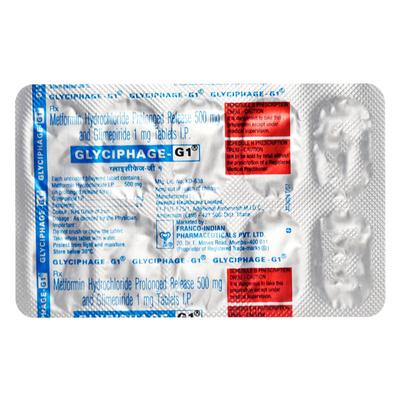
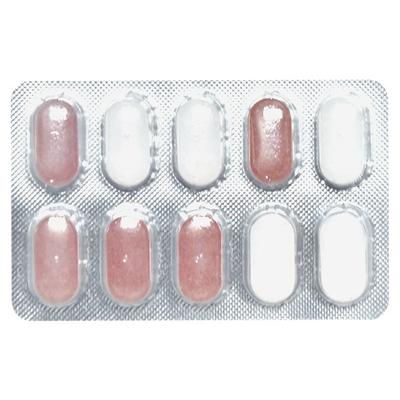
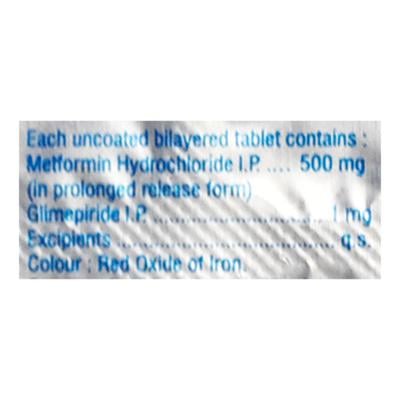
Glyciphage G1 Tablet is prescribed as part of a structured care plan for individuals living with Type II Diabetes Mellitus, especially when lifestyle measures such as diet control and regular physical activity alone are not sufficient to maintain target blood sugar levels. It contains a combination of glimepiride and metformin, two well-established agents that work through complementary pathways to support balanced glucose levels throughout the day. This combination approach is widely used in clinical practice to address both insulin response and excess glucose production.
The tablet is used to support blood sugar control in adults with Type II diabetes and is generally suitable for patients who require combination therapy under medical supervision. It is commonly advised for individuals who have shown suboptimal glucose control on single-ingredient medicines. Glyciphage G1 Tablet is usually taken once daily with or just before a main meal, preferably breakfast, to reduce stomach discomfort and support consistent glucose regulation. The dose and duration are individualised based on blood sugar readings, age, and overall health status.
While taking Glyciphage G1 Tablet, certain precautions and warnings should be followed. Regular monitoring of blood glucose, kidney function, and vitamin B12 levels may be advised during long-term use. Extra caution is required in elderly patients and in those with kidney, liver, or heart-related conditions. Alcohol intake should be avoided, as it may increase the risk of low blood sugar and other unwanted effects. This medicine is not recommended during pregnancy or breastfeeding unless clearly advised by a healthcare professional.
Common side effects may include nausea, vomiting, diarrhoea, stomach discomfort, headache, or symptoms related to low blood sugar such as sweating or dizziness. These effects are usually mild and tend to improve as the body adjusts. Patients are advised to follow dietary guidance, avoid skipping meals, and seek medical advice if symptoms persist or worsen.
Uses Of GLYCIPHAGE G1 TABLET
- Used to manage type 2 diabetes mellitus (when diet, exercise and the single agent does not result in adequate glycemic control)
Benefits of GLYCIPHAGE G1 TABLET
Glyciphage G1 Tablet for Type II Diabetes Mellitus
Glyciphage G1 Tablet is prescribed as part of a diabetes management plan for people with Type II Diabetes Mellitus when diet and lifestyle measures alone are not enough. It combines glimepiride and metformin to help support better blood sugar control. The tablet is usually taken with meals and works best when used alongside a balanced diet, regular exercise, and routine blood glucose monitoring.
How GLYCIPHAGE G1 TABLET Works
Mechanism of Action of Glyciphage G1 Tablet
Glyciphage G1 Tablet contains a combination of glimepiride and metformin, which work together to help control blood sugar levels in people with Type II Diabetes Mellitus.
- Glimepiride stimulates the pancreas to release more insulin in response to meals, helping move glucose from the blood into the body’s cells.
- Metformin reduces the amount of glucose produced by the liver and improves the body’s sensitivity to insulin, allowing cells to use glucose more effectively.
By targeting different pathways involved in glucose regulation, Glyciphage G1 Tablet provides a complementary approach to maintaining stable blood sugar levels when used along with diet and lifestyle measures.
How to use GLYCIPHAGE G1 TABLET
- Take Glyciphage G1 Tablet exactly as prescribed by your doctor.
- Usually, it is taken once daily with or just before a main meal, preferably breakfast, unless advised otherwise.
- Swallow the tablet whole with a glass of water; do not crush, chew, or break it.
- Take the tablet at the same time each day to maintain consistent blood sugar control.
- Do not skip meals after taking the tablet, as this may increase the risk of low blood sugar.
- If you are advised to take more than one dose a day, follow the timing instructions carefully.
- Do not change the dose or stop taking the medicine without consulting your doctor.
- If you experience stomach discomfort initially, taking the tablet with food may help.
What if I forgot to take GLYCIPHAGE G1 TABLET
- Take the missed dose as soon as you remember, preferably with food.
- If it is almost time for your next scheduled dose, skip the missed dose and continue with your regular dosing schedule.
- Do not take a double dose to make up for the missed one, as this may increase the risk of low blood sugar.
- Monitor your blood sugar levels if advised, especially after a missed dose.
- Try to take the tablet at the same time each day to avoid missing doses in the future.
Overdose
If you or someone else takes more than the recommended dose of Glyciphage G1 Tablet, seek medical help immediately or visit the nearest hospital without delay. An overdose may increase the risk of low blood sugar levels. Signs of lactic acidosis may include vomiting, stomach pain with muscle cramps, extreme tiredness, a general feeling of unwellness, reduced body temperature, slow heartbeat, and difficulty in breathing.
Side Effects Of GLYCIPHAGE G1 TABLET
Common side effects of Glyciphage G1 Tablet
- taste disturbance
- diarrhoea
- stomach pain
- loss of appetite
When to Seek Medical Attention?
Stop taking Glyciphage G1 Tablet and contact your doctor immediately if you experience any of the following side effects:
- lactic acidosis
- inflammation of the liver which may result in jaundice (yellowing of skin or eyes)
- severe allergic reactions (such as skin rash, hives, and increased sensitivity to sun, inflammation of blood vessels which may develop into serious reactions with difficulty in breathing, fall in blood pressure and sometimes progressing to shock)
- severe low blood sugar levels
How To Manage Side Effects

Diarrhea
- Stay Hydrated: Drink plenty of water, ORS, clear soups, or coconut water to replace lost fluids and electrolytes. Take small, frequent sips if large amounts feel uncomfortable.
- Eat Light Foods: Choose easily digestible foods such as bananas, plain rice, applesauce, and toast. Avoid heavy or rich meals until bowel movements improve.
- Support Gut Health: Consume curd or yoghurt with live cultures, if suitable, to help maintain digestive balance.
- Avoid Trigger Foods: Stay away from spicy, oily, fried, or sugary foods that may irritate the stomach. Limit caffeine and carbonated drinks.
- Rest and Recovery: Get enough rest to allow your body to recover. Avoid strenuous physical activity until symptoms settle.
- Maintain Hygiene: Wash hands thoroughly after using the toilet and before eating to prevent spread of infection.
- When to Seek Help: Consult a doctor if diarrhoea lasts more than two days, becomes severe, or is accompanied by fever, blood in stools, or signs of dehydration.
Stomach Pain
- Warmth for Comfort: Apply a warm compress or heating pad to the abdomen to help relax muscles and ease discomfort.
- Gentle Fluids: Sip warm water, herbal teas, or clear soups to support digestion and prevent dehydration. Avoid very cold or carbonated drinks.
- Light and Simple Foods: Eat bland foods such as rice, toast, bananas, or boiled potatoes until the pain settles. Avoid spicy, oily, or heavy meals that may irritate the stomach.
- Ginger or Herbal Options: Ginger tea or a small piece of fresh ginger may help soothe the stomach. Herbal teas like chamomile or peppermint can also provide relief.
- Rest and Posture: Rest in a comfortable position and avoid lying flat immediately after meals. Gentle movement or slow walking may help if the pain is due to gas.
- Avoid Triggers: Limit caffeine, alcohol, and smoking, as these can worsen stomach discomfort.
- When to Seek Medical Advice: Consult a doctor if stomach pain is severe, persistent, or associated with vomiting, fever, blood in stools, or unexplained weight loss.
Warning & Precautions

Pregnancy
ContraindicatedGlyciphage G1 Tablet should not be taken during pregnancy. Consult your doctor before taking Glyciphage G1 Tablet if you are planning to become pregnant.

Breastfeeding
ContraindicatedGlyciphage G1 Tablet should not be taken during breastfeeding as it may pass through breast milk.

Driving and Using Machines
Use with CautionDo not drive or handle any machines if you experience low or high blood sugar levels (symptoms include dizziness, tiredness, shaking or trembling) or if you develop visual problems due to altered blood sugar levels.

Alcohol
ContraindicatedAvoid consumption of alcohol during management with Glyciphage G1 Tablet as it may increase or decrease the blood sugar lowering action of Glyciphage G1 Tablet and increases the risk of lactic acidosis.

Kidney
Consult your doctorGlyciphage G1 Tablet is not recommended for use in patients with severe kidney disease and it should be used with caution in patients with kidney disease and your dose will be adjusted if needed depending upon kidney function.

Liver
Consult your doctorGlyciphage G1 Tablet is not recommended if you have severe liver disease and it should be used with caution in patients with liver disease and your dose will be adjusted if needed depending upon liver function.

Allergy
ContraindicatedDo not take Glyciphage G1 Tablet if you are allergic (hypersensitive) to Glimepiride or Metformin or other sulfonylureas (such as glipizide, glibenclamide) or sulfonamides (such as sulfamethoxazole).

Heart Disease
ContraindicatedGlyciphage G1 Tablet is not recommended for use in patients with acute heart problems or recently had a heart attack or have severe circulatory problems or breathing difficulties (signs of heart failure).

Use In Pediatrics
ContraindicatedGlyciphage G1 Tablet is not recommended for use in children and adolescents (under 18 years of age).

Use In Geriatrics
Consult your doctorGlyciphage G1 Tablet is not recommended for use in elderly patients (aged 75 years or above) and it should be used with caution in elderly patients (aged 65 years or above), especially in patients with impaired kidney function. Your doctor may assess your kidney function more frequently during management with Glyciphage G1 Tablet.
Other Warnings for GLYCIPHAGE G1 TABLET
Before taking Glyciphage G1 Tablet inform your doctor if you:
- are recovering from injury, operation, infections with fever, or from other forms of stress
- have glucose-6-phosphate dehydrogenase (G6PD) deficiency
- have various factors which could increase the risk of low blood sugar levels (such as undernourishment, irregular mealtime, missed or delayed meal or period of fasting, change in diet, hormone-induced disorders)
Who should not take GLYCIPHAGE G1 TABLET
Glyciphage G1 Tablet is not recommended for use, if you have:
- type 1 diabetes mellitus
- diabetic ketoacidosis
- uncontrolled diabetes or ketoacidosis
- dehydration
- severe infection
Safety Advice
- Take Glyciphage G1 Tablet exactly as prescribed by your doctor. Do not change the dose or stop it suddenly without medical advice.
- Take the tablet with food to reduce stomach-related discomfort and to support better blood sugar control.
- Do not skip meals while taking this medicine, as it may increase the risk of low blood sugar (hypoglycaemia).
- Be aware of symptoms of low blood sugar such as sweating, shaking, dizziness, headache, hunger, or fast heartbeat. Carry a quick source of sugar if advised.
- Use caution while driving or operating machinery, especially if you feel dizzy, weak, or confused.
- Tell your doctor if you are unwell with dehydration, severe infection, fever, or before any planned surgery or imaging tests using contrast dye.
- Regular monitoring of blood glucose levels, kidney function, and vitamin B12 levels may be advised during long-term use.
- Seek medical attention if you notice persistent stomach pain, severe weakness, breathing difficulty, or any unusual symptoms.
Diet and Lifestyle Advice
- Follow a balanced, diabetes-friendly diet that includes whole grains, vegetables, fruits in moderation, lean proteins, and healthy fats.
- Eat regular meals at fixed times to help maintain steady blood sugar levels and reduce the risk of sudden drops.
- Avoid skipping meals, especially after taking the tablet, as this may increase the chance of low blood sugar.
- Limit foods high in refined sugar, salt, and saturated fats, such as sweets, sugary drinks, fried foods, and processed snacks.
- Prefer high-fibre foods like vegetables, legumes, oats, and whole grains, as they help support gradual glucose absorption.
- Drink adequate water throughout the day to stay hydrated, unless otherwise advised by your doctor.
- Avoid or strictly limit alcohol intake, as it can interfere with blood sugar balance and increase unwanted effects.
- Maintain a healthy body weight through portion control and mindful eating.
- Engage in regular physical activity, such as brisk walking, cycling, yoga, or light strength exercises, as advised by your healthcare provider.
- Try to exercise at the same time each day and monitor blood sugar if recommended, especially when starting new activities.
- Get adequate sleep and manage stress through relaxation techniques like meditation or deep breathing, as stress can affect blood sugar levels.
- Monitor blood glucose levels as advised and keep a record to understand how diet and activity affect your readings.
1. Glyciphage G1 Tablet vs Glycomet GP1 Tablet
|
Aspect |
Glyciphage G1 Tablet |
Glycomet GP1 Tablet |
What It Means for You |
|
Composition |
Contains glimepiride + metformin same active components. |
Contains glimepiride + metformin identical combination. |
Both medicines work via the same dual mechanism to control Type II diabetes. |
|
Action |
Helps increase insulin release and improve insulin use, while reducing liver glucose production. |
Works the same way stimulates insulin release and lowers glucose production. |
Effectiveness in lowering blood sugar is broadly similar for both. |
|
Uses |
Used with diet and exercise when a single medicine isn’t enough. |
Used similarly to improve glycaemic control in Type II diabetes. |
Both are suitable for combination therapy when monotherapy is insufficient. |
|
Side Effects |
May cause nausea, vomiting, diarrhoea, headache, or low blood sugar. |
May cause similar effects including low blood sugar and gastrointestinal disturbances. |
Side effect profiles are comparable; tolerability depends on the individual. |
|
Suitability |
Appropriate for most adults needing dual therapy. |
Equally appropriate for similar patients. |
Both medicines are clinically suitable; the choice depends on medical advice rather than inherent superiority. |
2. Glyciphage G1 Tablet vs Amaryl M 1 Tablet
|
Aspect |
Glyciphage G1 Tablet |
Amaryl M 1 Tablet |
Clinical Meaning |
|
Active Ingredients |
Glimepiride + Metformin used to lower blood sugar by stimulating insulin release and improving insulin use while reducing liver glucose production. |
Glimepiride + Metformin (prolonged release) similar dual action to improve insulin effect and reduce glucose production. |
Both contain the same combination therapy for Type II diabetes. |
|
Formulation |
Standard combination tablet. |
Prolonged-release combination (metformin layer releases more gradually). |
Prolonged release may smooth metformin effect over the day. |
|
Blood Sugar Control |
Helps control fasting and post-meal glucose with dual action. |
Also targets fasting and post-meal glucose with dual action; prolonged release may support steadier levels. |
Both support daily glucose control; release profile differs slightly. |
|
Daily Dosing |
Usually taken once daily with a meal, often breakfast; dose individualized. |
Typically taken once daily with first meal; may be adjusted by physician. |
Timing with food is important in both to reduce risk of hypoglycemia. |
|
Side Effects Related to Sugar Control |
Risk of low blood sugar (especially if meals are delayed). |
Risk of low blood sugar; prolonged-release metformin may reduce GI upset. |
Both can cause hypoglycemia; prolonged release may be gentler on the stomach for some. |
|
Patient Suitability |
Good choice for many adults needing combination therapy when monotherapy is insufficient. |
Also suitable for adults needing combination therapy with potentially smoother metformin effects. |
Choice often depends on doctor preference, tolerance, and individual response. |
Drug - Drug interaction
1. Insulin and Other Antidiabetic Medicines
Interaction: Using Glyciphage G1 Tablet with insulin or other blood sugar–lowering medicines may increase the risk of low blood sugar levels.
Management: Blood glucose monitoring may be advised more frequently, and dose adjustments may be required based on readings.
2. Corticosteroids (e.g., Prednisolone)
Interaction: Steroids may increase blood sugar levels and reduce the glucose-lowering effect of Glyciphage G1 Tablet.
Management: Blood sugar levels should be monitored closely, and treatment plans may be reviewed during steroid use.
3. Diuretics (Water Tablets)
Interaction: Some diuretics may raise blood sugar levels or increase the risk of dehydration, which can affect metformin clearance.
Management: Adequate hydration and regular kidney function monitoring may be recommended.
4. Beta-Blockers (e.g., Propranolol, Atenolol)
Interaction: Beta-blockers may mask warning signs of low blood sugar such as rapid heartbeat.
Management: Patients should be educated to recognise other symptoms like sweating or dizziness and monitor blood glucose regularly.
5. Antibiotics (e.g., Fluoroquinolones)
Interaction: Certain antibiotics may cause fluctuations in blood sugar levels, either increasing or lowering them.
Management: Blood glucose monitoring may be intensified during antibiotic therapy.
6. ACE Inhibitors (e.g., Enalapril, Ramipril)
Interaction: These medicines may enhance the blood sugar–lowering effect of Glyciphage G1 Tablet.
Management: Regular blood sugar checks are advised, especially at the start of combined use.
7. Pain Relievers (NSAIDs)
Interaction: Long-term or high-dose use may affect kidney function, influencing metformin safety.
Management: Kidney function monitoring may be advised, and use should follow medical guidance.
8. Contrast Agents Used in Imaging Tests
Interaction: Contrast dyes may temporarily affect kidney function, increasing the risk of metformin-related complications.
Management: Glyciphage G1 Tablet may be temporarily stopped before and after the procedure, as advised by a doctor.
Drug - Food interaction
1. High-Sugar Foods and Beverages
Interaction: Foods rich in sugar (sweets, desserts, sugary drinks) may cause sudden increases in blood sugar levels, reducing overall glucose control.
Management: Limit intake of sugary foods and choose balanced meals with complex carbohydrates.
2. High-Fat Meals
Interaction: Very fatty meals may slow digestion and affect how quickly the medicine works and may also increase stomach-related discomfort.
Management: Prefer moderate-fat meals and avoid heavy, oily foods.
3. Skipped or Delayed Meals
Interaction: Taking Glyciphage G1 Tablet without food or missing meals may increase the risk of low blood sugar due to the glimepiride component.
Management: Take the tablet with meals and maintain regular eating times.
4. Excessive Caffeine Intake
Interaction: Large amounts of caffeine may affect blood sugar levels and worsen symptoms like nervousness or palpitations.
Management: Consume caffeine in moderation and monitor how your body responds.
5. Grapefruit and Grapefruit Juice
Interaction: Grapefruit may alter the metabolism of some medicines and could affect blood sugar stability in certain individuals.
Management: Avoid or limit grapefruit products unless your doctor advises otherwise.
6. Low-Calorie or Fasting Diets
Interaction: Very low-calorie diets or prolonged fasting may increase the risk of low blood sugar.
Management: Follow a balanced diet plan recommended by a healthcare professional.
Synopsis
|
Drug |
: |
|
|
Pharmacological Category |
: |
Sulfonylureas, Biguanides |
|
Therapeutic Indication |
: |
|
|
Dosage Forms |
: |
Tablet |
More Information
Storage
- Store the tablets at room temperature.
- Keep out of the reach and sight of children and pets.
FAQs About GLYCIPHAGE G1 TABLET
Q: What is Glyciphage G1 Tablet used for?
A: Glyciphage G1 Tablet is a medicine used to help manage blood sugar levels in people with Type II Diabetes Mellitus. It contains glimepiride and metformin, which work together to control glucose in the blood.
Q: How should I take Glyciphage G1 Tablet?
A: Take it once daily with or just before a main meal, usually breakfast. Swallow the tablet whole with water. Follow your doctor’s instructions for dose and timing.
Q: Can I take it without food?
A: It is recommended to take Glyciphage G1 Tablet with meals to reduce stomach discomfort and avoid low blood sugar episodes.
Q: What if I forget a dose?
A: Take the missed dose as soon as you remember. If it is almost time for your next dose, skip the missed one. Do not double the dose.
Q: Can I stop Glyciphage G1 Tablet suddenly?
A: No. Stopping suddenly may lead to unstable blood sugar levels. Always consult your doctor before making any changes.
Q: Can Glyciphage G1 Tablet cause low blood sugar?
A: Yes. Low blood sugar (hypoglycemia) is possible, especially if meals are skipped or combined with other blood sugar medicines. Symptoms include sweating, dizziness, and shakiness.
Q: How can I manage low blood sugar?
A: Eat a fast-acting sugar source like glucose tablets, juice, or honey. Monitor your blood sugar and contact your doctor if symptoms are severe or persistent.
Q: What foods should I avoid?
A: Limit sugary, oily, and fried foods. Follow a balanced diet with vegetables, fruits, whole grains, and lean protein for better blood sugar control.
Q: What are the common side effects?
A: Mild side effects may include nausea, vomiting, diarrhoea, stomach upset, or headache. Low blood sugar symptoms like sweating and dizziness can also occur.
Q: Are there serious side effects?
A: Rarely, severe stomach pain, weakness, breathing difficulty, or signs of lactic acidosis may occur. Seek medical help immediately if these appear.
Q: Can Glyciphage G1 Tablet interact with other medicines?
A: Yes. Blood sugar-lowering drugs, steroids, diuretics, beta-blockers, ACE inhibitors, and some antibiotics may interact. Your doctor may adjust your dose if needed.
Q: Can it interact with foods?
A: Alcohol, high-sugar foods, skipped meals, high-fat meals, and very low-calorie diets may affect blood sugar control. Follow a consistent, balanced diet.
Q: Do I need regular tests while taking this tablet?
A: Yes. Blood sugar, kidney function, and sometimes vitamin B12 levels may be monitored to ensure safe use and effectiveness.
Q: Can it cause weight gain?
A: Some people may gain a little weight due to improved insulin action. A balanced diet and regular exercise can help manage this.
Q: Can I exercise while taking Glyciphage G1 Tablet?
A: Yes, regular physical activity is recommended. Monitor blood sugar and avoid strenuous exercise if low blood sugar symptoms appear.
Q: What should I do in case of overdose?
A: Seek immediate medical attention. Overdose may cause severe low blood sugar or lactic acidosis. Symptoms include vomiting, stomach pain, severe tiredness, slow heartbeat, and difficulty breathing.
References
1. KD Tripathi MD. Hormones and related drugs. Essentials of medical pharmacology. Seventh edition. New Delhi, May 2013. Page – 274.
2. Rakesh Kumar Sahay, Vinod Mittal, G Raja Gopal, Sunil Kota, Ghanshyam Goyal, Mahesh Abhyankar, Santosh Revenkar. Glimepiride and Metformin Combinations in Diabetes Comorbidities and Complications: Real-World Evidence. September 2020. [Accessed on 12th January 2026] 
3. Sanofi. Efficacy and Safety Comparison of Metformin/Glimepiride Combination Versus Each Compound Alone in New Diagnosed Type 2 Diabetes Patients (RECOMMEND). NIH U.S. National Library of Medicine. ClinicalTrials.gov. [Revised in January 2015] [Accessed on 12th January 2026] 
4. Sanofi-aventis group. Amaryl M. Glimepiride + Metformin. [Revised in May 2015] [Accessed on 12th January 2026]
Author Details

