



Netmeds First Membership
Quick Links
Introduction About GLIMY M1 TABLET
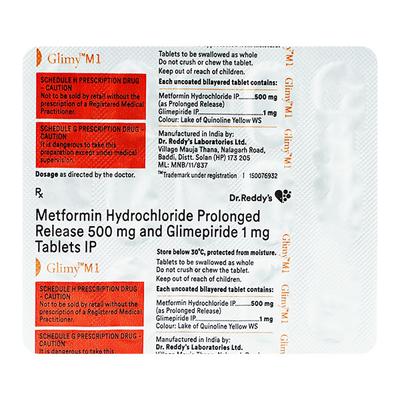
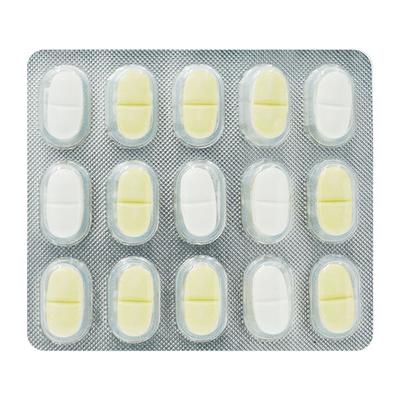
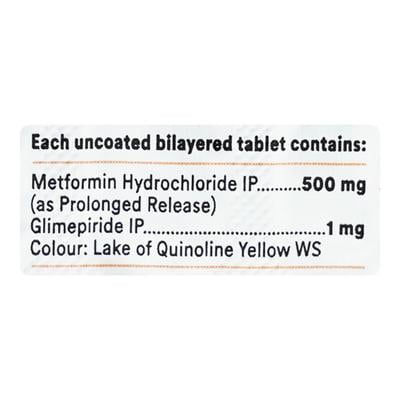
Glimy M1 Tablet is a prescription oral antidiabetic medicine containing glimepiride and metformin. It is used to manage type 2 diabetes mellitus in adults whose blood glucose levels are not adequately controlled through diet, exercise, and lifestyle changes alone. Glimepiride stimulates the pancreas to release insulin, while metformin reduces glucose production in the liver and improves the body's sensitivity to insulin. Together, these ingredients help control blood sugar and reduce the risk of long-term diabetes complications when used as part of a comprehensive diabetes management plan.
Glimy M1 may be prescribed to adults with type 2 diabetes who require both medicines for improved glycaemic control, following assessment of their blood glucose levels, kidney function, and overall health. It is not intended for type 1 diabetes or diabetic ketoacidosis. Take the tablet exactly as prescribed, generally with or immediately after a meal, often breakfast or the first main meal of the day, at a consistent time. Swallow it with water; do not crush or split it if the formulation is modified-release unless the product instructions specifically permit this. Do not change the dose, double a missed dose, or discontinue treatment without medical advice. Regular blood glucose monitoring, a balanced diet, and physical activity remain essential during treatment.
The medicine can cause hypoglycaemia (low blood sugar), particularly when meals are skipped, food intake is inadequate, exercise is unusually strenuous, or alcohol is consumed. Patients should recognize warning signs such as sweating, trembling, dizziness, hunger, and confusion, and carry a fast-acting source of glucose. Avoid alcohol and inform the doctor about kidney or liver disease, heart problems, dehydration, serious infections, planned surgery, and all other medicines being taken. Metformin can rarely cause serious lactic acidosis, especially in patients with significant kidney impairment or certain acute illnesses; seek urgent medical attention for unusual severe weakness, breathing difficulty, persistent vomiting, or abdominal pain. Kidney function should be assessed before and during treatment as clinically indicated. Glimy M1 is generally not recommended during pregnancy, when insulin is often preferred for diabetes management; anyone planning pregnancy or who becomes pregnant should promptly consult their doctor. During breastfeeding, medical advice is necessary to assess the safest treatment for both mother and infant.
Possible side effects include diarrhoea, stomach pain, loss of appetite and altered taste. Gastrointestinal symptoms may improve as the body adjusts, but persistent or severe symptoms should be discussed with a healthcare professional. Long-term metformin use can contribute to vitamin B12 deficiency, so monitoring may be appropriate for patients at risk. Seek immediate medical help for severe hypoglycaemia, loss of consciousness, or symptoms suggestive of lactic acidosis. Glimy M1 should be used only under medical supervision, with regular follow-up to assess blood glucose control, kidney function, and treatment tolerability.
Uses Of GLIMY M1 TABLET
- Used to manage type 2 diabetes mellitus (when diet, exercise and the single agent does not result in adequate glycemic control)
Benefits of GLIMY M1 TABLET
Supports Better Glycaemic Control in Type 2 Diabetes
Glimy M1 Tablet contains glimepiride and metformin, which work in different ways to lower blood glucose levels. Glimepiride helps the pancreas release more insulin, while metformin improves the body's response to insulin. Together, these actions can help improve overall blood sugar control. It may be prescribed when treatment with a single diabetes medicine is not sufficient. For best results, it should be used along with a healthy diet and regular physical activity.
Improves Insulin Sensitivity
The metformin component helps the body respond more effectively to insulin. This allows cells to take up and use glucose more efficiently for energy. Improved insulin sensitivity can help reduce elevated blood glucose levels and support better control of blood sugar throughout the day. Regular exercise and a balanced diet can further support insulin sensitivity.
Reduces Excess Glucose Production by the Liver
The liver naturally produces glucose, but excessive glucose production can contribute to high blood sugar in people with type 2 diabetes. Metformin helps reduce the amount of glucose produced and released by the liver, which can help lower fasting blood glucose levels. This action contributes to more consistent blood sugar control between meals and overnight. Together with glimepiride, it can support overall glycaemic management.
How GLIMY M1 TABLET Works
Glimy M1 Tablet contains glimepiride and metformin, which work together to help control high blood sugar levels in people with type 2 diabetes. Glimepiride stimulates the pancreas to release insulin, which helps glucose move from the blood into the body's cells for energy. Metformin reduces the amount of glucose produced by the liver and improves the body's sensitivity to insulin, allowing cells to use glucose more effectively. By combining these two actions, Glimy M1 Tablet helps reduce elevated blood glucose levels and supports better overall glycaemic control. It should be used as prescribed by a doctor, along with a balanced diet and regular physical activity.
How to use GLIMY M1 TABLET
- Take Glimy M1 Tablet exactly as prescribed by your doctor and follow the recommended dose and duration of treatment.
- Take the tablet with or immediately after a meal, as directed by your doctor, to help reduce stomach-related discomfort.
- Swallow the tablet whole with a glass of water. Do not crush, chew, or break it unless specifically advised.
- Take the medicine at the same time each day to maintain consistent blood sugar control.
- Do not change the dose or frequency of Glimy M1 Tablet without consulting your doctor.
- Continue following a balanced diet and regular exercise routine as recommended for managing type 2 diabetes.
- Monitor your blood glucose levels regularly as advised by your healthcare professional.
What if I forgot to take GLIMY M1 TABLET
If you forget to take Glimy M1 Tablet, take the missed dose as soon as you remember, preferably with food, unless it is almost time for your next scheduled dose. If the next dose is due soon, skip the missed dose and continue with your regular dosing schedule. Do not take two doses at the same time to make up for a missed dose, as this may increase the risk of low blood sugar. If you frequently forget your doses, speak with your doctor or pharmacist for advice on maintaining a regular medication schedule.
Overdose
Taking more Glimy M1 Tablet than prescribed may cause low blood sugar (hypoglycaemia), with symptoms such as sweating, shaking, dizziness, weakness, hunger, headache, or confusion. In rare cases, excessive metformin may cause lactic acidosis, which can lead to severe weakness, nausea, breathing difficulty, or dizziness. If you suspect an overdose, seek immediate medical attention and do not take another dose unless advised by your doctor
Side Effects Of GLIMY M1 TABLET
Common side effects of GLIMY M1 TABLET:
- taste disturbance
- diarrhea
- stomach pain
- loss of appetite
Stop taking GLIMY M1 TABLET and contact your doctor immediately if you experience any of the following side effects:
- lactic acidosis
- inflammation of the liver which may result in jaundice (yellowing of skin or eyes)
- severe allergic reactions (such as skin rash, hives, and increased sensitivity to sun, inflammation of blood vessels which may develop into serious reactions with difficulty in breathing, fall in blood pressure and sometimes progressing to shock)
- severe low blood sugar levels
How To Manage Side Effects
Diarrhea
- Drink plenty of water and fluids to prevent dehydration.
- Take Glimy M1 Tablet with or after food, as advised by your doctor.
- Prefer light, easily digestible foods and avoid oily or spicy foods until symptoms improve.
- Do not take anti-diarrhoeal medicines without consulting your doctor.
- If diarrhoea is severe, persistent, or accompanied by weakness or signs of dehydration, contact your doctor.
Warning & Precautions

Pregnancy
ContraindicatedGLIMY M1 TABLET should not be taken during pregnancy. Consult your doctor before taking this medicine if you are planning to become pregnant.

Breastfeeding
ContraindicatedGLIMY M1 TABLET should not be taken during breastfeeding as it may pass through breast milk.

Driving and Using Machines
Use with CautionDo not drive or handle any machines if you experience low or high blood sugar levels (symptoms include dizziness, tiredness, shaking or trembling) or if you develop visual problems due to altered blood sugar levels.

Alcohol
ContraindicatedAvoid consumption of alcohol during management with GLIMY M1 TABLET as it may increase or decrease the blood sugar lowering action of GLIMY M1 TABLET and increases the risk of lactic acidosis.

Kidney
Consult your doctorGLIMY M1 TABLET is not recommended for use in patients with severe kidney disease and it should be used with caution in patients with kidney disease and your dose will be adjusted if needed depending upon kidney function.

Liver
Consult your doctorGLIMY M1 TABLET is not recommended if you have severe liver disease and it should be used with caution in patients with liver disease and your dose will be adjusted if needed depending upon liver function.

Allergy
ContraindicatedDo not take GLIMY M1 TABLET if you are allergic (hypersensitive) to Glimepiride or Metformin or other sulfonylureas (such as glipizide, glibenclamide) or sulfonamides (such as sulfamethoxazole).

Heart Disease
ContraindicatedGLIMY M1 TABLET is not recommended for use in patients with acute heart problems or recently had a heart attack or have severe circulatory problems or breathing difficulties (signs of heart failure).

Use In Pediatrics
ContraindicatedGLIMY M1 TABLET is not recommended for use in children and adolescents (under 18 years of age).

Use In Geriatrics
Consult your doctorGLIMY M1 TABLET is not recommended for use in elderly patients (aged 75 years or above) and it should be used with caution in elderly patients (aged 65 years or above), especially in patients with impaired kidney function. Your doctor may assess your kidney function more frequently during management with GLIMY M1 TABLET.
Other Warnings for GLIMY M1 TABLET
Before taking GLIMY M1 TABLET inform your doctor if you:
- are recovering from injury, operation, infections with fever, or from other forms of stress
- have glucose-6-phosphate dehydrogenase (G6PD) deficiency
- have various factors which could increase the risk of low blood sugar levels (such as undernourishment, irregular mealtime, missed or delayed meal or period of fasting, change in diet, hormone-induced disorders)
Who should not take GLIMY M1 TABLET
GLIMY M1 TABLET is not recommended for use, if you have:
- type 1 diabetes mellitus
- diabetic ketoacidosis
- uncontrolled diabetes or ketoacidosis
- dehydration
- severe infection
Safety Advice
- Take Glimy M1 Tablet exactly as prescribed by your doctor, preferably with or immediately after a meal.
- Do not skip meals while taking this medicine, as it may increase the risk of low blood sugar.
- Monitor your blood glucose levels regularly as advised by your healthcare professional.
- Be alert for symptoms of hypoglycaemia such as sweating, shaking, dizziness, hunger, weakness, or confusion.
- Carry a fast-acting source of sugar, such as glucose tablets or sugar, in case of low blood sugar.
- Avoid excessive alcohol consumption, as it may increase the risk of hypoglycaemia and other serious complications.
- Inform your doctor if you have kidney or liver problems, heart conditions, dehydration, or a serious infection.
- Tell your doctor about all prescription medicines, over-the-counter medicines, vitamins, and supplements you are taking.
- Maintain adequate fluid intake, particularly during illness, vomiting, diarrhea, or conditions that may cause dehydration.
- Do not stop or change the dose of Glimy M1 Tablet without consulting your doctor.
- Seek immediate medical attention if you experience severe weakness, breathing difficulty, persistent vomiting, confusion, or loss of consciousness.
Diet and Lifestyle Advice
- Take Glimy M1 Tablet with or immediately after a meal to reduce the risk of stomach-related side effects.
- Do not skip or delay meals, as this may increase the risk of low blood sugar while taking glimepiride.
- Limit foods and drinks high in added sugars, as they may increase blood glucose levels.
- Follow a balanced diet containing vegetables, whole grains, lean proteins, and high-fibre foods as advised by your healthcare professional.
- Avoid excessive alcohol consumption, as it may increase the risk of low blood sugar and serious complications associated with metformin.
- Maintain regular meal timings to help support stable blood glucose levels during treatment.
- Drink adequate fluids and take care to prevent dehydration, particularly during vomiting, diarrhea, or illness.
- Follow the diet and lifestyle plan recommended by your doctor or dietitian for better diabetes management.
1. Glimy M1 Tablet vs Metformin: What Is the Difference?
|
Feature |
Glimy M1 Tablet |
Metformin |
|
Composition |
Contains glimepiride + metformin |
Contains metformin only |
|
Type of medicine |
Combination oral antidiabetic medicine |
Oral antidiabetic medicine |
|
How it works |
Glimepiride stimulates the pancreas to release insulin, while metformin helps reduce glucose production in the liver and improves insulin sensitivity |
Primarily reduces glucose production by the liver and improves the body's sensitivity to insulin |
|
Blood sugar control |
May provide greater blood sugar-lowering effects when metformin alone is insufficient |
Often used as an initial medicine for type 2 diabetes |
|
Risk of low blood sugar |
Higher risk of hypoglycaemia because it contains glimepiride |
Lower risk of hypoglycaemia when used alone |
|
Weight effects |
May cause weight gain in some people |
Usually weight-neutral or may cause modest weight loss |
|
Common side effects |
Nausea, diarrhoea, stomach upset, headache, and low blood sugar |
Nausea, diarrhoea, abdominal discomfort, and loss of appetite |
|
Use |
Generally used when combination therapy is appropriate for type 2 diabetes |
Commonly used alone or in combination with other diabetes medicines |
|
Who may need it? |
People whose blood sugar is not adequately controlled with a single medicine, as determined by their doctor |
Often suitable as first-line therapy for many people with type 2 diabetes |
2. Glimy M1 Tablet vs Other Diabetes Treatments: Which Is Right for You?
|
Treatment |
Main action |
Advantages |
Important considerations |
|
Glimy M1 Tablet |
Combines glimepiride and metformin to lower blood glucose through complementary mechanisms |
Can improve control of blood sugar when one medicine is insufficient |
May cause hypoglycaemia and weight gain; should be taken as prescribed |
|
Metformin |
Reduces glucose production by the liver and improves insulin sensitivity |
Widely used, effective, and has a low risk of hypoglycaemia when used alone |
May cause gastrointestinal side effects |
|
Other oral antidiabetic medicines |
Work through different mechanisms depending on the medicine |
Several options are available based on individual needs |
Benefits, side effects, cost, and suitability vary |
|
Insulin |
Replaces or supplements insulin to directly lower blood glucose |
Highly effective and can be used when the body does not produce enough insulin |
Requires injections and monitoring; hypoglycaemia can occur |
|
Lifestyle management |
Healthy diet, regular physical activity, weight management, and other lifestyle measures help improve glucose control |
Essential part of diabetes management |
Usually needs to be combined with medication when blood glucose remains elevated |
Drug - Drug interaction
1. Other Antidiabetic Medicines
- Interaction: Glimy M1 may interact with insulin and other blood sugar-lowering medicines.
- Effect: The combination may increase the risk of low blood sugar (hypoglycaemia).
- Advice: Inform your doctor about all diabetes medicines you are taking so that your treatment can be appropriately monitored.
2. Blood Pressure-Lowering Medicines
- Interaction: ACE inhibitors and certain other blood pressure-lowering medicines may enhance the blood sugar-lowering effect of glimepiride.
- Effect: The combination may increase the risk of hypoglycaemia and may require closer blood glucose monitoring.
- Advice: Inform your doctor if you are taking medicines for high blood pressure and monitor your blood sugar as advised.
3. Antifungal Medicines
- Interaction: Medicines such as fluconazole and oral miconazole may increase the effects of glimepiride.
- Effect: The combination may significantly increase the risk of low blood sugar, which can sometimes be severe.
- Advice: Inform your doctor before using antifungal medicines while taking Glimy M1 and follow their advice on monitoring or dose adjustment.
4. Painkillers and Anti-inflammatory Medicines
- Interaction: Certain NSAIDs, salicylates, and other highly protein-bound medicines may enhance the blood sugar-lowering effect of glimepiride.
- Effect: The combination may increase the risk of hypoglycaemia.
- Advice: Tell your doctor or pharmacist before taking painkillers or anti-inflammatory medicines regularly with Glimy M1.
5. Corticosteroids and Certain Diuretics
- Interaction: Corticosteroids and some diuretics, including thiazides, may reduce the blood sugar-lowering effect of glimepiride.
- Effect: The combination may increase blood glucose levels and make diabetes more difficult to control.
- Advice: Inform your doctor if you are prescribed steroids or diuretics so that your blood glucose can be monitored and treatment adjusted if required.
6. Beta-Blockers and Certain Heart Medicines
- Interaction: Beta-blockers, clonidine, and some other medicines may alter the blood sugar-lowering effect of glimepiride.
- Effect: They may increase or decrease blood glucose control and can sometimes mask warning symptoms of low blood sugar.
- Advice: Inform your doctor if you take these medicines and monitor your blood glucose regularly as advised.
7. Medicines Affecting Metformin Elimination
- Interaction: Medicines such as cimetidine, ranolazine, vandetanib, and dolutegravir may reduce the clearance of metformin.
- Effect: This may increase metformin exposure and potentially increase the risk of lactic acidosis.
- Advice: Inform your doctor about all medicines you take so that potential interactions and kidney function can be appropriately assessed.
8. Colesevelam
- Interaction: Colesevelam may reduce the absorption of glimepiride when taken at the same time.
- Effect: This may reduce the effectiveness of glimepiride in controlling blood sugar.
- Advice: If prescribed colesevelam, glimepiride should generally be taken at least 4 hours before it, as advised by your doctor.
Drug - Food interaction
1. Alcohol
- Interaction: Alcohol may interact with both glimepiride and metformin present in Glimy M1 Tablet.
- Effect: It may increase the risk of low blood sugar and, with excessive intake, may increase the risk of a serious condition called lactic acidosis.
- Advice: Avoid excessive alcohol consumption while taking Glimy M1 Tablet and consult your doctor regarding alcohol use during treatment.
2. Excessive Intake of Sugary Foods
- Interaction: Frequent consumption of foods and drinks high in added sugars may counteract the blood sugar-lowering effects of diabetes treatment.
- Effect: It may lead to higher blood glucose levels and make diabetes more difficult to control.
- Advice: Follow a balanced, diabetes-friendly diet and limit foods and beverages high in added sugars as advised by your healthcare professional.
Synopsis
|
Drug |
|
|
Pharmacological Category |
Sulfonylureas, Biguanides |
|
Therapeutic Indication |
|
|
Dosage Forms |
Tablet |
More Information
Storage
- Keep Tablet out of reach from children
- Store below 30°C
FAQs About GLIMY M1 TABLET
Q: What is Glimy M1 Tablet used for?
A: Glimy M1 Tablet is used to help control high blood sugar levels in adults with type 2 diabetes. It contains glimepiride and metformin, which work together to improve blood glucose control. It should be used along with a healthy diet and regular exercise as advised by your doctor.
Q: How does Glimy M1 Tablet work?
A: Glimy M1 Tablet contains glimepiride, which helps the pancreas release insulin to lower blood sugar levels. Metformin helps reduce glucose production by the liver and improves the body's response to insulin. Together, these medicines help maintain better blood glucose control.
Q: Who should take Glimy M1 Tablet?
A: Glimy M1 Tablet may be prescribed for adults with type 2 diabetes when diet and exercise alone do not provide adequate blood sugar control. The appropriate dose depends on your blood glucose levels, kidney function, and overall health. Use this medicine only as directed by your healthcare professional.
Q: How should I take Glimy M1 Tablet?
A: Take Glimy M1 Tablet exactly as prescribed by your doctor, usually with or immediately after a meal. Swallow the tablet with water and do not crush or chew it unless specifically advised. Take it regularly at the recommended time to maintain consistent blood sugar control.
Q: What should I do if I miss a dose of Glimy M1 Tablet?
A: Take the missed dose when you remember, unless it is nearly time for your next scheduled dose. If your next dose is due soon, skip the missed dose and continue with your regular schedule. Do not take a double dose to make up for the missed one.
Q: Can Glimy M1 Tablet cause low blood sugar?
A: Glimy M1 Tablet may cause low blood sugar, particularly if you skip meals, eat less than usual, or exercise excessively. Symptoms may include sweating, trembling, dizziness, hunger, weakness, or confusion. If you experience these symptoms, take a quick source of sugar and seek medical advice if they are severe or persistent.
Q: What are the common side effects of Glimy M1 Tablet?
A: Common side effects of Glimy M1 Tablet may include taste disturbance, diarrhea, stomach pain, and loss of appetite. Some people may also experience nausea or other stomach-related discomfort. Consult your doctor if these side effects persist, worsen, or become bothersome.
Q: Can I drink alcohol while taking Glimy M1 Tablet?
A: Alcohol should preferably be avoided while taking Glimy M1 Tablet unless your doctor advises otherwise. Alcohol may increase the risk of low blood sugar and may also increase the risk of serious complications associated with metformin. Consult your healthcare professional if you regularly consume alcohol.
Q: Can Glimy M1 Tablet be used during pregnancy?
A: Product-specific safety information for Glimy M1 Tablet during pregnancy is limited. Pregnant women or those planning to become pregnant should consult their healthcare professional before using this medicine. Do not start, stop, or change your diabetes treatment without medical advice.
Q: Can Glimy M1 Tablet be used while breastfeeding?
A: Product-specific safety information for Glimy M1 Tablet during breastfeeding is limited. Breastfeeding women should consult their healthcare professional before using this medicine. Your doctor can assess the potential benefits and risks and recommend the most appropriate treatment.
Q: What precautions should I follow while taking Glimy M1 Tablet?
A: Inform your doctor if you have kidney or liver problems, heart conditions, dehydration, or a serious infection before taking Glimy M1 Tablet. Avoid skipping meals and follow the diet and exercise plan recommended by your healthcare professional. Regular monitoring of blood glucose and kidney function may be advised during treatment.
Q: Can I stop taking Glimy M1 Tablet if my blood sugar becomes normal?
A: Do not stop taking Glimy M1 Tablet simply because your blood sugar levels have improved. Stopping treatment without medical advice may cause your blood sugar to rise again. Your doctor should decide whether your dose needs to be continued, adjusted, or discontinued.
Q: When should I seek immediate medical attention while taking Glimy M1 Tablet?
A: Seek immediate medical attention if you develop severe weakness, breathing difficulty, persistent vomiting, confusion, or loss of consciousness. These symptoms may indicate a serious complication such as severe hypoglycaemia or, rarely, lactic acidosis. Always keep your doctor informed about unusual or severe symptoms during treatment with Glimy M1 Tablet.
References
1. KD Tripathi MD. Hormones and related drugs. Essentials of medical pharmacology. Seventh edition. New Delhi, May 2013. Page – 274.
2. Rakesh Kumar Sahay, Vinod Mittal, G Raja Gopal, Sunil Kota, Ghanshyam Goyal, Mahesh Abhyankar, Santosh Revenkar. Glimepiride and Metformin Combinations in Diabetes Comorbidities and Complications: Real-World Evidence. September 2020. [Accessed on 6th October 2026] 
3. Sanofi. Efficacy and Safety Comparison of Metformin/Glimepiride Combination Versus Each Compound Alone in New Diagnosed Type 2 Diabetes Patients (RECOMMEND). NIH U.S. National Library of Medicine. ClinicalTrials.gov. [Revised in January 2015] [Accessed on 6th October 2026] 
4. Sanofi-aventis group. Amaryl M. Glimepiride + Metformin. [Revised in May 2015] [Accessed on 6th October 2026]
Author Details