






Netmeds First Membership
Introduction About GABERNTEC GRS 600 TABLET
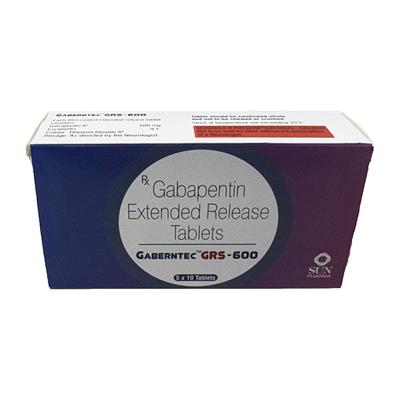
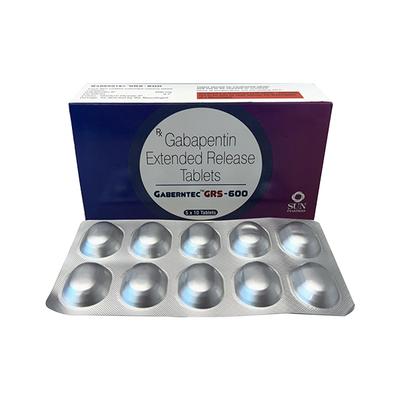
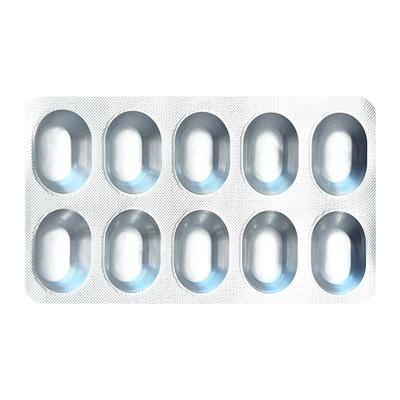
Gaberntec GRS 600 Tablet is a medicine that contains Gabapentin and belongs to the group of anticonvulsants or anti-epileptic drugs. It is primarily used to manage neuropathic (nerve) pain associated with conditions such as diabetic neuropathy, post-herpetic neuralgia (pain after shingles), and spinal cord injury, helping reduce discomfort and improve daily functioning.In addition, it is prescribed as an add-on management for partial onset seizures, with or without secondary generalization, in adults and children with epilepsy. In some cases, it may also be recommended as a standalone (monotherapy) management for partial seizures in adults and adolescents, depending on the patient’s clinical condition and medical advice.
Gabapentin works by affecting certain chemicals and nerve signals in the brain and spinal cord that are responsible for pain and seizures. By stabilizing abnormal electrical activity in the brain and reducing nerve signal transmission, it helps decrease nerve pain and improves seizure control. This action helps patients experience relief from persistent nerve pain and reduces the frequency of seizure episodes.
This medicine should be used with caution in people with kidney problems, respiratory disorders, depression, or a history of substance misuse. Inform your doctor if you have any existing medical conditions before starting management. It should also be used carefully in elderly patients as dose adjustments may be required. The use of gabapentin during pregnancy or breastfeeding is generally not recommended unless clearly advised by a doctor after assessing the potential benefits and risks.
The most common side effects include dizziness, drowsiness, fatigue, blurred vision, swelling of the hands or feet, and difficulty with coordination. Consult your doctor if these side effects persist or worsen. Seek immediate medical attention if you notice severe allergic reactions, unusual mood changes, breathing difficulty, or swelling of the face, lips, or throat.
Uses Of GABERNTEC GRS 600 TABLET
It is used to manage:
- neuropathic (nerve) pain, such as post-herpetic and diabetic neuropathy
- adjunctive therapy for partial onset seizures
- monotherapy for partial seizures in adults and adolescents
Benefits of GABERNTEC GRS 600 TABLET
Support for Nerve-Related Pain Conditions:
Assists in managing discomfort linked to nerve signal irregularities, helping patients maintain daily comfort.
Management of Certain Types of Seizures:
Used under medical guidance to support the control of some neurological seizure episodes.
Relief from Nerve Signal Disturbances:
Helps regulate abnormal nerve signals, contributing to better overall nerve function.
Helps Stabilize Overactive Nerve Signals:
Supports nerve health by maintaining balanced neurological activity in specific conditions.
Supports Improved Comfort in Nerve-Related Conditions:
Provides a supportive role in daily symptom management under healthcare supervision.
May Help Reduce Frequency of Certain Neurological Symptoms:
Regular use as advised by a healthcare professional may help in maintaining neurological stability.
Uses of Gabapentin Tablets in Neurological Care:
Offers an expert-recognized option in managing nerve-related health scenarios.
Benefits of Gaberntec GRS 600 Tablet for Nerve Health:
Provides a structured approach to supporting nerve signal balance and overall neurological comfort.
How GABERNTEC GRS 600 TABLET Works
How Gabapentin Interacts with Nerve Signals
Gabapentin helps in modulating the way nerve cells send signals, contributing to more stable neurological activity.
Influence on Communication Between Nerve Cells
Supports orderly transmission of nerve impulses, helping maintain smooth communication across the nervous system.
Role of Gabapentin in Regulating Nerve Activity
Assists in balancing overactive nerve signals, supporting comfort in daily neurological function.
Effect on Calcium Channels in the Nervous System
Gabapentin influences specific calcium channels, which play a key role in nerve signal transmission.
How Gabapentin Supports Balanced Nerve Signalling
Contributes to consistent nerve activity, supporting overall nerve health and function.
Interaction with Neurotransmitters in the Brain
Modulates neurotransmitter activity to maintain a stable nervous system environment.
How to use GABERNTEC GRS 600 TABLET
Recommended Dosage Guidance
- Gaberntec GRS 600 Tablet should be taken exactly as prescribed by your healthcare provider. The dosage may vary depending on individual medical guidance and condition monitoring.
How to Take Gaberntec GRS 600 Tablet
- Swallow the tablet whole with a glass of water.
- Do not crush or break the tablet unless advised by a doctor.
- Take the medicine consistently at the same times each day for optimal support.
General Administration Instructions
- Always follow the instructions provided by your physician or pharmacist.
- Use the tablet only under professional supervision.
- Ensure your healthcare provider is aware of all medications you are taking to avoid interactions.
Suggested Timing for Taking Gabapentin Tablets
- Take your doses at regular intervals, as advised by your doctor.
- Consistency in timing helps maintain steady support for nerve function.
- Avoid skipping doses unless instructed by a healthcare professional.
Guidance on Maintaining a Regular Dosage Schedule
- Create a daily routine to ensure tablets are taken at the same time every day.
- Use reminders, pill organizers, or digital alerts to help maintain adherence.
- Never adjust your dosage on your own without consulting your doctor.
What if I forgot to take GABERNTEC GRS 600 TABLET
- If you miss a dose, take it as soon as you remember.
- If it is close to your next scheduled dose, skip the missed one and continue with the regular schedule.
- Do not double the dose to make up for a missed tablet.
Side Effects Of GABERNTEC GRS 600 TABLET
Common Side Effects:
- Feeling drowsy or tired
- Lack of coordination or jerky movements
- Fever
- Nausea or vomiting
- Difficulty speaking
- Tremor
- Double or blurred vision
- Unusual eye movements
- Dizziness or vertigo
- Headache
- Memory problems
- Mood changes, confusion, depression, anxiety, nervousness
- Muscle pain, joint pain, back pain, weakness, twitching
- Increased or decreased appetite
- High blood pressure or flushing
- Urinary or sexual difficulties
When to Consult Your Doctor?
- Allergic reactions symptoms such as skin rash, hives, swelling of lips, face, throat, or tongue; difficulty breathing or swallowing.
- Drug Reaction with Eosinophilia and Systemic Symptoms (DRESS): fever, rash or skin eruptions, swollen lymph nodes, swelling of face/lips/tongue/throat, liver involvement (yellowing of eyes/skin, dark urine, abdominal pain), kidney or blood problems (unusual bruising, bleeding, severe fatigue).
- Suicidal thoughts or behavior
- Mood and mental health changes symptoms such as new or worsening depression, anxiety, panic attacks, insomnia, sudden mood or behavior changes, irritability, aggression, restlessness, or mania.
- Respiratory effects symptoms such as breathing difficulties, especially if taking sedating medicines or opioids.
- Neurological effects symptoms such as excessive sleepiness, confusion, dizziness, reduced alertness.
- Seizures that worsen or do not stop.
How To Manage Side Effects
Headache
- Stay Hydrated: Drink plenty of water throughout the day to help ease headache symptoms.
- Rest in a Quiet Environment: Minimize noise and bright lights by resting in a calm, dark room.
- Use Over-the-Counter Pain Relief: Consult your doctor about using mild pain relievers like acetaminophen to alleviate headaches.
- Avoid Stressful Activities: Limit activities that increase stress or physical exertion when experiencing headaches.
- Seek Medical Advice: Contact your healthcare provider if headaches become severe, persistent, or are accompanied by other symptoms.
Nausea And Vomiting
- Keep Yourself Hydrated: Take small, frequent sips of water, ginger tea, or clear soups to control dehydration.
- Eat Light Foods: Choose simple, bland foods like toast, crackers, or plain rice that are easy on the stomach.
- Avoid Strong Smells and Spicy Foods: These may trigger or worsen nausea.
- Take Adequate Rest: Sit or lie down in a comfortable position and avoid sudden movements.
- Consult a doctor if Needed: Seek medical advice if nausea is severe, does not improve, or is accompanied by repeated vomiting.
Warning & Precautions

Pregnancy
ContraindicatedGaberntec GRS 600 Tablet is not recommended during pregnancy. There is limited information available regarding its safety in pregnant women, and adequate studies are lacking. Your doctor will assess the potential benefits and risks before recommending its use. Hence, consult your doctor before taking it.

Breastfeeding
ContraindicatedGaberntec GRS 600 Tablet is not recommended for use during breastfeeding. Limited data suggests that the medicine may pass into breast milk and could affect the baby. Your doctor will evaluate the benefits and potential risks before recommending its use. Hence, consult your doctor before taking it.

Driving and Using Machines
Use with CautionGaberntec GRS 600 Tablet may cause drowsiness or dizziness, or blurred vision. It can affect your focus and reaction time. Do not drive or use machines until you know how this medicine affects you. Talk to your doctor if you need to drive or operate machinery regularly.

Alcohol
Consult your doctorDo not drink alcohol or take medicines that make you sleepy or dizzy while using Gaberntec GRS 600 Tablet. These can increase drowsiness or dizziness and affect your ability to do daily activities safely.

Kidney
Consult your doctorUse Gaberntec GRS 600 Tablet with caution if you have kidney problems. Dose adjustment may be needed in severe kidney disease or dialysis. Consult your doctor to ensure safe use and monitoring.

Liver
Use with CautionGaberntec GRS 600 Tablet should be used with caution in patients with liver disease. Your doctor will advise on its safety and any necessary dose adjustments.

Allergy
ContraindicatedDo not take Gaberntec GRS 600 Tablet if you are allergic to gabapentin or any other ingredient in the formulation. consult your doctor before taking this.

Lungs
Use with CautionGaberntec GRS 600 Tablet should be used with caution in patients with lung or respiratory problems, as it may cause breathing difficulties especially when taken with opioids or other sedating medicines. Consult your doctor and seek medical attention immediately if you experience trouble breathing.

Heart Disease
Use with CautionGaberntec GRS 600 Tablet should be used carefully if you have heart problems, as it may rarely affect your heart rhythm or blood pressure. Always consult your doctor before taking this medicine.

Use In Pediatrics
Use with CautionIn children aged 3 to 12 years, Gaberntec GRS 600 Tablet should be used with caution, as it may cause central nervous system (CNS)-related side effects such as behavioral changes, hyperactivity, and difficulty concentrating; therefore, consult your doctor before using this medicine

Use In Geriatrics
Use with CautionIn elderly patients (65 years and above), Gaberntec GRS 600 Tablet should be used with caution, as it may cause increased drowsiness, peripheral swelling, and weakness; therefore, consult your doctor before starting this medicine.
Other Warnings for GABERNTEC GRS 600 TABLET
Before taking Gaberntec GRS 600, inform your doctor if you have:
- History of mood disorders, depression, or suicidal thoughts
- History of seizures
Who should not take GABERNTEC GRS 600 TABLET
It is not recommended for patients with a history of:
- Certain seizure types like absence seizures
Drug - Drug interaction
1.Opioid Pain Medicines (e.g., Morphine, Hydrocodone, Oxycodone)
Interaction: Taking Gabapentin with opioids may increase its sedative effects.
Effects: Higher risk of severe drowsiness, sedation, and breathing problems (respiratory depression).
Management: Use only under strict medical supervision. Your doctor may adjust the dose and monitor you closely.
2.Antacids (Containing Aluminum or Magnesium)
Interaction: Antacids can reduce the absorption of gabapentin.
Effects: May decrease the effectiveness of the medicine.
Management: Take Gaberntec GRS 600 Tablet at least 2 hours after taking an antacid.
3.Other Anti-Epileptic Medicines (e.g., Phenytoin, Carbamazepine, Valproic Acid, Phenobarbital)
Interaction: No significant interaction observed.
Effects: These medicines generally do not affect how gabapentin works.
Management: Can be used together as prescribed, but regular monitoring is recommended.
4.Naproxen (Pain Reliever)
Interaction: May slightly increase the absorption of gabapentin.
Effects: Usually not clinically significant.
Management: Inform your doctor if you are taking pain relief medicines regularly.
5.Cimetidine (Used for Stomach Issues)
Interaction: May slightly reduce the clearance of gabapentin from the body.
Effects: Minor increase in gabapentin levels.
Management: Dose adjustment is usually not required but inform your doctor.
6.Oral Contraceptives (Birth Control Pills)
Interaction: No significant effect on contraceptive hormones.
Effects: Does not reduce contraceptive effectiveness.
Management: Can be used safely together as advised by your doctor.
Synopsis
|
Drug |
: |
Gabapentin |
|
Pharmacological Category |
: |
Anticonvulsants or anti-epileptic drugs |
|
Therapeutic Indication |
: |
Neuropathic (nerve) pain,epilepsy |
|
Dosage Forms |
: |
Tablet, capsule |
More Information
How Can Digital Health and Remote Monitoring Improve the Management of Nerve-Related Conditions?
Real-Time Symptom Tracking
Smartphone apps and wearable devices allow patients to log symptoms such as pain, numbness, or tingling as they happen. This helps healthcare providers monitor nerve-related conditions closely and respond quickly to changes.
Remote Consultations and Telemedicine
Telemedicine enables patients to connect with neurologists or specialists from home, reducing the need for frequent hospital visits. Doctors can assess progress, provide guidance, and adjust care plans efficiently.
Personalized Health Monitoring
Remote monitoring collects data on sleep patterns, daily activity, medication schedules, and symptom intensity, allowing healthcare providers to tailor advice and support to individual needs.
Early Detection of Changes
Digital tools can identify shifts in nerve function or emerging symptoms, enabling timely attention before problems become more serious.
Improved Medication Management
Apps and reminders help patients take medications on schedule and track responses, ensuring consistent management of nerve-related conditions.
Enhanced Patient Engagement
Patients using digital health tools feel more involved in their own care, encouraging better daily habits, adherence to recommended exercises, and overall well-being.
Data-Driven Insights for Providers
Healthcare teams can analyze collected data to spot trends, understand symptom patterns, and make informed decisions on care approaches.
Convenience and Accessibility
Remote monitoring reduces travel and saves time, making it easier for patients in rural or underserved areas to stay connected with healthcare providers.
FAQs About GABERNTEC GRS 600 TABLET
Q: What is Gaberntec GRS 600 Tablet used for?
A: Gaberntec GRS 600 Tablet contains Gabapentin and is used under medical supervision to support nerve health and neurological function in conditions involving abnormal nerve signals.
Q: How does Gabapentin work in the body?
A: Gabapentin helps regulate nerve activity by supporting balanced communication between nerve cells and maintaining steady nerve signaling.
Q: How should I take Gaberntec GRS 600 Tablet?
A: Take the tablet exactly as advised by your healthcare provider. Swallow it whole with water, and try to take it at the same times every day.
Q: Can I take this tablet with food?
A: Yes, Gabapentin can be taken with or without food. Follow your healthcare provider’s instructions for optimal timing and adherence.
Q: What should I do if I miss a dose?
A: If you forget a dose, take it as soon as you remember. If it is close to your next scheduled dose, skip the missed dose and continue with the usual schedule. Do not double up on doses.
Q: Are there any common side effects I should know about?
A: Some patients may experience mild side effects like drowsiness, dizziness, or fatigue. Always consult your doctor if any side effects persist or are concerning.
Q: How should I store Gaberntec GRS 600 Tablet?
A: Store the tablets in a cool, dry place, away from direct sunlight and moisture. Keep out of reach of children.
Q: Can I take this tablet with other medications?
A: Gabapentin may interact with other medicines. Always inform your healthcare provider about any medications or supplements you are taking to ensure safe usage.
Q: Is it safe for elderly patients to take Gabapentin?
A: Elderly patients can take Gabapentin under medical supervision. Dose adjustments may be advised based on individual health conditions.
Q: Can I stop taking Gabapentin suddenly?
A: Do not abruptly stop the medication without consulting your healthcare provider. Gradual adjustment may be recommended to maintain safe nerve function.
References
1) 1. KD Tripathi. Antiepileptic Drugs .Drugs Essentials of medical pharmacology. 8th edition. 2013. Page –446
2) Miroslav Backonja, Robert L Glanzman.Gabapentin dosing for neuropathic pain: evidence from randomized, placebo-controlled clinical trials. National Library of Medicine, National Center for Biotechnology Information. PubMed central 2003 Jan. [Accessed date 17th March 2026] 
3) Rama Yasaei , Shravan Katta , Preeti Patel, Abdolreza Saadabadi. Gabapentin. National Library of Medicine, National Center for Biotechnology Information. PubMed central 2026 Jan. [Accessed date 17th March 2026] 
4) European Medicines Agency.Neurontin. [Accessed date 17th March 2026]
5) Pfizer inc.U.S. Food & Drug Administration. NEURONTIN. [Revised on 10/2017] [Accessed date 17th March 2026]
6) Pfizer inc. Neurontin. [Revised on 05/2022] [Accessed date 17th March 2026]