






Netmeds First Membership
Quick Links
Introduction About FOURDERM CREAM
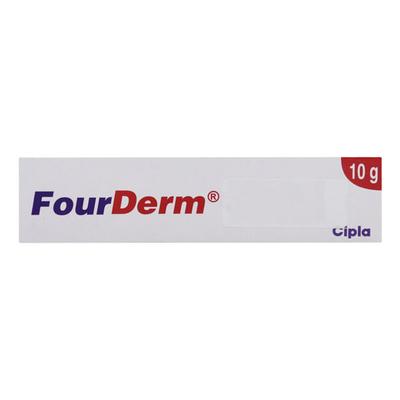
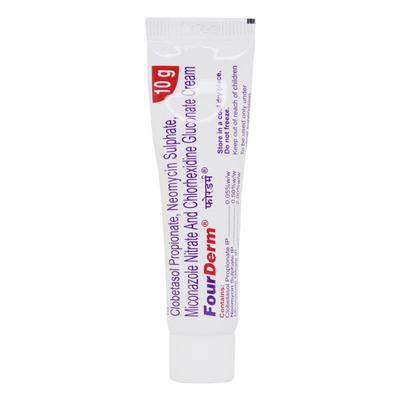
Fourderm Cream 10g is a combination topical medicine commonly used in the management of certain skin conditions associated with fungal or bacterial infections, inflammation, redness, itching, and irritation. It generally contains a combination of antifungal, antibacterial, anti-inflammatory, and soothing ingredients that work together to support relief from skin discomfort. The cream is often recommended for conditions involving infected dermatitis, fungal skin infections with inflammation, allergic skin reactions, or itching associated with microbial skin involvement.
Fourderm Cream 10g works by controlling the growth of infection-causing microorganisms while also reducing redness, swelling, irritation, and itching on the affected skin. This combined action may help improve skin comfort, reduce inflammation, and support the healing process in affected areas. It is commonly considered in conditions such as fungal skin infections, eczema with secondary infection, ringworm, athlete’s foot, dermatitis, and itching associated with inflamed skin conditions.
The cream should be applied exactly as advised by the doctor. It is usually applied as a thin layer over the affected area after cleaning and drying the skin properly. The duration and frequency of use may vary depending on the severity of the condition, skin type, and response to treatment. Patients are advised not to apply the cream excessively, cover the area tightly unless instructed, or continue treatment longer than recommended without medical guidance.
Fourderm Cream 10g should be used carefully in individuals with sensitive skin, open wounds, diabetes, or a history of allergic reactions to topical medicines. Common side effects may include mild burning, itching, redness, dryness, or irritation at the application site, which are usually temporary and manageable. Medical attention should be sought if severe skin reactions, swelling, blistering, worsening infection, or unusual symptoms occur. Use during pregnancy and breastfeeding should only be considered under medical supervision. Always use the medicine under the guidance of a qualified healthcare professional.
Uses Of FOURDERM CREAM
- Fungal skin infections with inflammation
- Itching, redness, and skin irritation
- Dermatitis associated with infection
- Ringworm and athlete’s foot
- Skin allergy with secondary bacterial involvement
- Eczema with itching and inflammation
Benefits of FOURDERM CREAM
Fourderm Cream 10g for Fungal Skin Infections
Fourderm Cream 10g is commonly recommended for fungal skin infections associated with itching, redness, scaling, or irritation. It helps control fungal growth while supporting relief from skin discomfort and inflammation.
Fourderm Cream 10g for Itching and Skin Irritation
The cream may help reduce itching, redness, burning sensation, and irritation associated with inflamed or infected skin conditions. It supports improved skin comfort during recovery.
Fourderm Cream 10g for Dermatitis and Eczema
The medicine is often considered in dermatitis or eczema associated with microbial infection or excessive inflammation. It may help soothe the affected skin and reduce swelling or irritation under medical supervision.
Fourderm Cream 10g for Ringworm and Athlete’s Foot
Fourderm Cream 10g may help manage fungal infections such as ringworm or athlete’s foot by reducing fungal growth and improving associated symptoms like itching, redness, and scaling.
How FOURDERM CREAM Works
Mechanism of Action of Fourderm Cream 10g
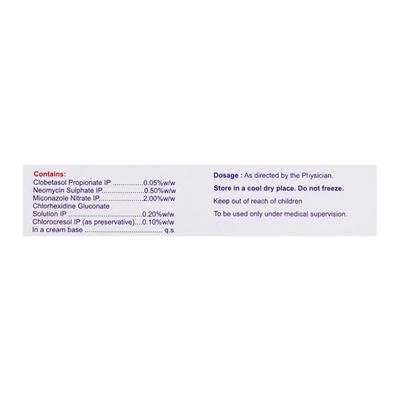
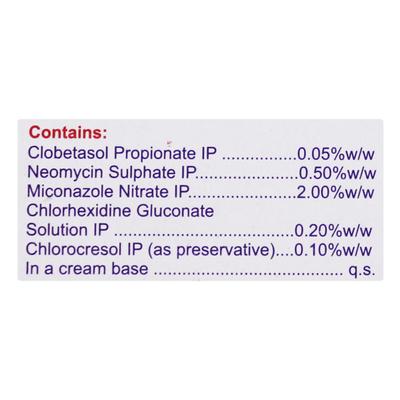
Fourderm Cream 10g contains Chlorhexidine Gluconate, Clobetasol Propionate, Miconazole Nitrate, and Neomycin Sulphate, which work together to help manage skin infections and inflammation. Chlorhexidine Gluconate acts as an antiseptic that helps reduce the growth of harmful microorganisms on the skin.
Clobetasol Propionate is a corticosteroid that helps reduce redness, swelling, itching, and irritation by suppressing inflammatory reactions. Miconazole Nitrate is an antifungal medicine that works by damaging the fungal cell membrane, thereby controlling fungal growth. Neomycin Sulphate is an antibiotic that helps prevent or control certain bacterial infections by inhibiting bacterial protein synthesis. This combined action helps relieve infection-associated skin discomfort and supports skin healing.
How to use FOURDERM CREAM
How to Apply Fourderm Cream 10g
- Use Fourderm Cream 10g exactly as prescribed by your doctor.
- Wash and dry the affected area before application.
- Apply a thin layer of the cream over the affected skin.
- Gently rub the cream until it is evenly spread.
- Wash your hands before and after application unless treating the hands.
- Avoid contact with the eyes, mouth, or broken skin.
- Do not cover the treated area with tight bandages unless advised by your doctor.
- Use the cream regularly at the same time each day for better results.
What if I forgot to take FOURDERM CREAM
- Apply the missed dose as soon as you remember.
- If it is almost time for your next application, skip the missed dose.
- Do not apply extra cream to make up for the missed application.
- Excessive application may increase the risk of skin irritation or side effects.
- Continue using the medicine as advised by your doctor.
- Consult your doctor if you frequently forget applications.
Overdose
If you accidentally apply more than the recommended amount of Fourderm Cream 10g, wipe off the excess cream and monitor for irritation or redness. Excessive or prolonged use may increase the risk of skin thinning, irritation, or other steroid-related side effects. Seek medical attention if severe reactions or accidental ingestion occur.
Side Effects Of FOURDERM CREAM
Common Side Effects of FOURDERM CREAM
- Burning sensation at the application site
- Itching
- Redness
- Dryness of skin
- Mild irritation
- Peeling or scaling of skin
- Skin thinning with prolonged use
- Stinging sensation
When to Seek Medical Attention?
Stop using Fourderm Cream 10g and contact your doctor immediately if you experience any of the following
- Severe skin rash or allergic reactions
- Swelling of the face, lips, or skin
- Severe burning or worsening irritation
- Blistering or peeling of the skin
- Signs of worsening infection such as pus or increased redness
- Difficulty breathing after application
- Skin discoloration or severe thinning
- Persistent irritation that does not improve
How To Manage Side Effects
Dry Skin
- Use a Gentle Moisturizer: Apply a fragrance-free moisturizer regularly to help keep the skin soft and hydrated.
- Avoid Hot Water: Use lukewarm water instead of hot water while bathing to prevent further dryness.
- Drink Adequate Water: Stay well hydrated throughout the day to support skin moisture.
- Use Mild Soap: Choose gentle, moisturizing cleansers instead of harsh soaps.
- Apply Coconut Oil: Apply a small amount of coconut oil to dry areas to help lock in moisture.
- Use a Humidifier: A humidifier may help maintain moisture in the air and reduce skin dryness.
- Avoid Excessive Scrubbing: Avoid harsh scrubbing or exfoliation that may irritate dry skin further.
- Wear Soft Clothing: Wear soft cotton clothing to reduce friction and irritation on dry skin.

Skin rash Or Itching
- Cold Compress: Apply a clean cold compress to the affected area for a few minutes to help soothe irritation and burning.
- Aloe Vera Gel: Use fresh aloe vera gel to help cool and calm irritated skin naturally.
- Moisturization: Apply a gentle, fragrance-free moisturizer to reduce dryness and skin discomfort.
- Avoid Scratching: Avoid scratching or rubbing the affected skin to prevent worsening irritation.
- Loose Clothing: Wear loose cotton clothing to reduce friction and sweating on irritated skin.
- Mild Cleansers: Use mild soap or gentle skin cleansers to avoid further skin irritation.
- Avoid Heat Exposure: Stay away from excessive heat, sunlight, or hot water that may worsen burning sensation.
- Stay Hydrated: Drink adequate water throughout the day to support healthy skin hydration.
Warning & Precautions

Pregnancy
Consult your doctorFourderm Cream should be used during pregnancy only if clearly recommended by a doctor. Excessive or prolonged use during pregnancy should be avoided unless medically necessary.

Breastfeeding
Consult your doctorBreastfeeding women should use the cream only under medical supervision. Avoid applying it on or near the breast area to prevent accidental exposure to the infant.

Driving and Using Machines
Use with CautionFourderm Cream is not known to affect alertness or the ability to drive and operate machines. If unusual reactions occur after use, seek medical advice.

Alcohol
Consult your doctorNo specific interaction between Fourderm Cream and alcohol has been established. However, consult your doctor if you regularly consume alcohol and have ongoing skin conditions.

Kidney
Use with CautionKidney-related problems are unlikely with normal topical use of Fourderm Cream. Use cautiously if advised by your doctor in patients with severe kidney disorders.

Liver
Consult your doctorNo significant liver-related effects are generally expected with topical use when applied as prescribed. However, prolonged or excessive application may increase systemic absorption and should be avoided.

Allergy
ContraindicatedDo not use this medicine if you are allergic to chlorhexidine, clobetasol, miconazole, and neomycin or any other inactive ingredients in this medicine.

Lungs
Consult your doctorNo direct harmful effects on the lungs are commonly associated with Fourderm Cream. Avoid inhaling the cream or using it near the nostrils unless directed by a doctor.

Heart Disease
Consult your doctorNo specific heart-related warnings are generally associated with topical Fourderm Cream. Consult your doctor if you have serious heart conditions and require long-term steroid use.

Use In Pediatrics
Use with CautionFourderm Cream should be used cautiously in children and only when prescribed by a doctor. Children may absorb larger amounts through the skin, increasing the risk of side effects.

Use In Geriatrics
Use with CautionElderly patients should use the cream carefully, especially on thin or sensitive skin. Prolonged use may increase the risk of skin thinning and irritation in older adults.
Other Warnings for FOURDERM CREAM
Before using Fourderm Cream 10g, inform your doctor if you
- have sensitive or damaged skin
- have diabetes or poor wound healing
- have skin thinning disorders
- are allergic to antifungal, antibiotic, or steroid medicines
- are using other topical medicines on the same area
Safety Advice
- Use Fourderm Cream 10g only as prescribed by your doctor.
- Avoid applying the cream to the eyes, nose, mouth, or open wounds.
- Do not use the cream for longer than recommended.
- Avoid sharing the cream with others even if symptoms appear similar.
- Inform your doctor about all medicines and skin products you are using.
- Do not apply excessive amounts to large skin areas unless advised.
- Seek medical advice if symptoms persist or worsen.
Diet and Lifestyle Advice
- Maintain good skin hygiene and keep the affected area clean and dry.
- Avoid scratching infected or irritated skin.
- Wear loose cotton clothing to reduce sweating and irritation.
- Avoid sharing towels, clothes, or personal items during fungal infections.
- Follow a balanced diet to support skin health and immunity.
- Drink adequate water throughout the day.
- Avoid prolonged moisture exposure in affected skin folds.
- Use breathable footwear in conditions such as athlete’s foot.
1.Fourderm Cream 10g vs Other Combination Skin Creams
|
Feature |
Fourderm Cream 10g |
Other Combination Skin Creams |
|
Medicine Type |
Combination antifungal, antibiotic, and steroid cream |
May contain different combinations |
|
Common Use |
Skin infections with inflammation and itching |
Used for fungal or inflammatory skin conditions |
|
Infection Control |
Helps manage fungal and bacterial involvement |
Effectiveness varies by ingredients |
|
Inflammation Relief |
Helps reduce redness and irritation |
Relief may vary |
|
Application Frequency |
Used as advised by the doctor |
Frequency differs by formulation |
|
Skin Sensitivity |
May cause mild irritation in some users |
Depends on ingredients |
|
Medical Supervision |
Recommended for safe use |
Medical advice advised for all such medicines |
Drug - Drug interaction
1.Other Topical Steroids (e.g., hydrocortisone, betamethasone)
- Interaction: Using multiple steroid-containing products together may increase the risk of skin thinning and irritation.
- Management: Avoid using additional steroid creams unless advised by your doctor.
2.Other Antifungal Creams (e.g., terbinafine, ketoconazole)
- Interaction: Concurrent use may increase skin irritation or dryness.
- Management: Use only prescribed topical medicines and avoid self-medication.
3.Topical Antibiotics (e.g., neomycin, mupirocin)
- Interaction: Combined use may increase sensitivity or allergic skin reactions in some individuals.
- Management: Inform your doctor about all skin products being used.
4.Cosmetic or Harsh Skin Products
- Interaction: Products containing alcohol, perfumes, or exfoliating agents may worsen irritation.
- Management: Use gentle skincare products during treatment.
5.Immunosuppressant Medicines
- Interaction: Individuals using medicines that weaken immunity may be more prone to skin infections.
- Management: Follow regular medical supervision during treatment.
Drug - Food interaction
1.Alcohol Consumption
- Interaction: Excessive alcohol intake may indirectly affect skin healing and immunity.
- Management: Limit alcohol consumption and maintain healthy hydration.
2.Highly Sugary Foods
- Interaction: Excess sugar intake may contribute to poor skin healing in some individuals.
- Management: Follow a balanced diet rich in nutrients.
3.Hydration
- Interaction: Poor hydration may affect overall skin condition and healing.
- Management: Drink sufficient water daily unless otherwise advised by your doctor.
Synopsis
|
Drug |
Chlorhexidine Gluconate, Clobetasol Propionate, Miconazole Nitrate, and Neomycin Sulphate |
|
Pharmacological Category |
Corticosteroid, Antifungal, Antibiotic |
|
Therapeutic Indication |
Fungal skin infections, dermatitis, itching, inflammation |
|
Dosage Forms |
Topical Cream |
More Information
Storage
- Store Fourderm Cream 10g at room temperature.
- Keep Fourderm Cream 10g out of the sight and reach of children.
FAQs About FOURDERM CREAM
Q: What is Fourderm Cream 10g used for?
A: Fourderm Cream 10g is commonly used for certain fungal or bacterial skin infections associated with redness, itching, inflammation, or irritation. It may help relieve discomfort and improve affected skin conditions.
Q: How does Fourderm Cream 10g work?
A: It works by controlling infection-causing microorganisms while reducing skin inflammation, itching, and redness. The cream helps provide relief from irritation and discomfort on the skin.
Q: How should I apply Fourderm Cream 10g?
A: Apply a thin layer over clean and dry affected skin exactly as advised by your doctor. Wash your hands before and after application unless treating the hands.
Q: Can Fourderm Cream 10g be used for fungal infections?
A: Yes, it is often considered for fungal skin infections associated with inflammation or itching. Use it only under medical guidance for appropriate treatment.
Q: Does Fourderm Cream 10g cause burning sensation?
A: Some individuals may experience mild burning or irritation at the application site, which is usually temporary. If irritation becomes severe or persistent, consult your doctor.
Q: Can I use Fourderm Cream 10g daily?
A: Use it only for the duration and frequency recommended by your doctor. Avoid excessive or prolonged use without medical advice.
Q: Is Fourderm Cream 10g suitable for ringworm?
A: It may be used for ringworm-associated symptoms under medical guidance. Proper diagnosis and treatment advice from a doctor are important before use.
Q: Can I apply Fourderm Cream 10g on the face?
A: Avoid applying it on the face unless specifically advised by your doctor. Facial skin can be more sensitive and may react differently to the cream.
Q: Can I stop using Fourderm Cream 10g once symptoms improve?
A: Complete the prescribed duration unless your doctor advises otherwise. Stopping treatment too early may lead to recurrence of the infection.
Q: Is Fourderm Cream 10g safe during pregnancy?
A: Use during pregnancy should only be considered if recommended by a healthcare professional. Consult your doctor to understand the possible risks and benefits.
Q: Can children use Fourderm Cream 10g?
A: It should only be used in children if prescribed by a doctor. Follow the recommended dosage and duration carefully.
Q: Does Fourderm Cream 10g help reduce itching?
A: Yes, it may help relieve itching associated with inflamed or infected skin conditions. It can also help soothe redness and irritation on the skin.
Q: Can I use moisturizers along with Fourderm Cream 10g?
A: Use moisturizers only if advised by your doctor and avoid applying them simultaneously on the same area. This helps ensure proper absorption and effectiveness of the cream.
Q: How should Fourderm Cream 10g be stored?
A: Store it in a cool, dry place away from direct sunlight and moisture. Keep the tube tightly closed and out of reach of children.
Q: When should I consult a doctor while using Fourderm Cream 10g?
A: Seek medical advice if symptoms worsen, persist, or if severe skin reactions occur after application. Consult your doctor immediately if you notice unusual irritation or allergic reactions.
References
1. KD. Tripathi. Aminoglycoside Antibiotics, Antifungal, and Antiseptics, Disinfectants & Ectoparasiticides. Essentials of medical pharmacology. Seventh edition. 2013. Page – 750, 792, 900.
2. Arthiie Thangavelu, Sahaya Stelin Kaspar, Ramesh Periannan Kathirvelu, Bhuvaneshwari Srinivasan, Soundarya Srinivasan, and Rajasekar Sundram. Chlorhexidine: An Elixir for Periodontics. NIH National Library of Medicine. National Centre for Biotechnology Information. PMC PubMed Central. [Revised in 28th August 2020] [Accessed on 11th May 2026] 
3. Clobetasol propionate. NIH National Library of Medicine. National Centre for Biotechnology Information. PubChem [Accessed on 11th May 2026] 
4. Niel Veirup; Chris Kyriakopoulos. Neomycin. NIH National Library of Medicine. National Centre for Biotechnology Information. Stat Pearls [Internet]. [Revised in 12th November 2023] [Accessed on 11th May 2026]
5. CLOBETASOL PROPIONATE- clobetasol propionate cream. Daily Med. NIH U.S. National Library of Medicine. [Revised in November 2021] [Accessed on 11th May 2026]
6. BACLEZENE- neomycin sulfate cream. DailyMed. NIH U.S. National Library of Medicine. [Revised in January 2023] [Accessed on 11th May 2026]
7. Torque Pharmaceuticals Pvt Ltd. Clob-GM Cream. [Accessed on 11th May 2026]
Author Details