







Netmeds First Membership
Quick Links
Introduction About FLUDAC 20MG CAPSULE
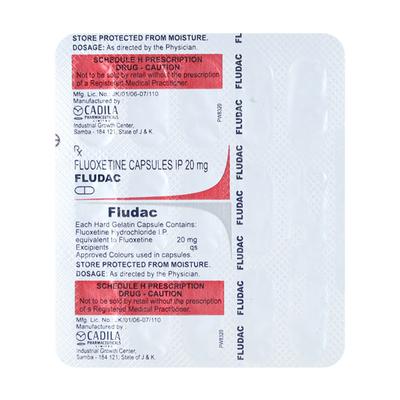
Fludac 20mg Capsule contains Fluoxetine 20 mg, a selective serotonin reuptake inhibitor (SSRI) antidepressant used to manage depression and certain anxiety-related disorders. It works by increasing serotonin levels in the brain, a neurotransmitter involved in mood regulation, emotional well-being, and stress response. FLUDAC 20MG is commonly prescribed for adults experiencing persistent low mood, loss of interest in daily activities, obsessive thoughts, panic attacks, or emotional distress that affects daily functioning. Clinical use has shown that fluoxetine can help improve mood, reduce anxiety symptoms, and enhance overall quality of life when taken consistently as prescribed.
Fludac 20mg Capsule is indicated for the treatment of major depressive disorder, obsessive-compulsive disorder (OCD), panic disorder, and may also be used in conditions such as bulimia nervosa under specialist supervision. It is particularly suitable for patients with moderate to severe depression, recurrent depressive episodes, anxiety symptoms associated with depression, obsessive thoughts and compulsive behaviors, or panic attacks. The medicine is generally taken once daily, with or without food, preferably at the same time each day to maintain consistent blood levels. Patients should follow the exact dose prescribed by their physician and continue treatment regularly, as noticeable improvement may take several weeks. Abrupt discontinuation should be avoided because it can lead to withdrawal symptoms such as dizziness, anxiety, restlessness, and sleep disturbances.
Before starting Fludac 20mg Capsule, patients should inform their healthcare provider about any history of epilepsy, diabetes, glaucoma, liver disease, kidney impairment, heart disorders, or suicidal thoughts. Alcohol consumption should be avoided during treatment as it may increase drowsiness and impair alertness. Patients should exercise caution while driving or operating machinery until they know how the medicine affects them. Important warnings include the potential for worsening depression, unusual mood changes, or suicidal thoughts, particularly during the initial weeks of treatment or after dose adjustments. Concomitant use with monoamine oxidase inhibitors (MAOIs) and certain other serotonergic medicines may increase the risk of serious drug interactions, including serotonin syndrome.
Use of Fludac 20mg during pregnancy and breastfeeding should only be considered when the expected benefits outweigh potential risks and under medical supervision. Available evidence indicates that fluoxetine can cross the placenta and may pass into breast milk; therefore, treatment decisions should be individualized by the physician. Common side effects reported with Fludac 20mg include nausea, indigestion, dry mouth, loss of appetite, sweating, fatigue, headache, insomnia, anxiety, nervousness, tremors, decreased libido, and sexual dysfunction. Most side effects are mild and tend to improve as the body adjusts to treatment; however, patients should seek medical advice if symptoms persist, worsen, or if they experience severe mood changes or signs of an allergic reaction.
Uses Of FLUDAC 20MG CAPSULE
- Helps manage symptoms of major depressive disorder (depression) and supports improvement in mood, energy levels, and daily functioning.
- Helps reduce obsessive thoughts and compulsive behaviors associated with obsessive-compulsive disorder (OCD).
- Helps control the frequency and severity of panic attacks in individuals with panic disorder.
- Supports the management of anxiety symptoms linked to depression and other mood-related conditions.
- Helps reduce episodes of binge eating and purging in individuals with bulimia nervosa when used as part of a comprehensive care plan.
- Helps maintain emotional stability and lowers the risk of recurrence of depressive symptoms in patients requiring ongoing therapy.
Benefits of FLUDAC 20MG CAPSULE
Helps Manage Depression and Improve Mood
Fludac 20mg Capsule helps increase serotonin levels in the brain, which play an important role in regulating mood. It may help reduce feelings of sadness, hopelessness, and loss of interest in daily activities. Regular use can support emotional well-being and improve overall quality of life.
Reduces Obsessive Thoughts and Compulsive Behaviors
This medicine helps lessen persistent, unwanted thoughts and repetitive behaviors associated with obsessive-compulsive disorder (OCD). By improving serotonin activity, it can help individuals gain better control over compulsive urges and daily routines. Consistent use may contribute to improved mental focus and functioning.
Helps Control Panic Attacks and Anxiety Symptoms
Fludac 20mg Capsule can help reduce the frequency and intensity of panic attacks and ease anxiety-related symptoms. It may help decrease excessive worry, nervousness, and feelings of fear that interfere with daily life. Over time, it can support a greater sense of calm and emotional stability.
Supports the Management of Bulimia Nervosa
Fluoxetine may help reduce episodes of binge eating and compensatory behaviors in individuals with bulimia nervosa. It works by influencing brain chemicals involved in mood and impulse control. When used as part of a comprehensive treatment plan, it can support healthier eating patterns and emotional well-being.
How FLUDAC 20MG CAPSULE Works
Blocks Serotonin Reuptake in the Brain
Fludac 20mg Capsule contains fluoxetine, a selective serotonin reuptake inhibitor (SSRI). It works by blocking the reabsorption of serotonin into nerve cells after it is released. This action helps maintain higher levels of serotonin in the brain.
Increases Serotonin Availability Between Nerve Cells
By preventing serotonin from being reabsorbed too quickly, fluoxetine increases the amount of serotonin available in the spaces between nerve cells. This enhanced availability supports effective communication between brain cells involved in mood and behavior regulation.
Enhances Mood and Emotional Regulation
Higher serotonin levels can help improve mood, reduce feelings of sadness, and promote emotional stability. Over time, this effect may help individuals better cope with stress, anxiety, and other symptoms associated with mood disorders.
Supports Balanced Brain Signaling for Mental Well-Being
Fluoxetine helps restore balance in serotonin-mediated signaling pathways that influence emotions, thoughts, and behavior. Consistent use supports healthier brain function and contributes to overall mental well-being and improved daily functioning.
How to use FLUDAC 20MG CAPSULE
Recommended Dosage Guidelines
- Take Fludac 20mg Capsule exactly as prescribed by your doctor.
- The dosage may vary depending on the condition being managed and individual response to therapy.
- Do not increase, decrease, or skip doses without medical advice.
- Follow your doctor's instructions carefully to achieve the best results.
How and When to Take Fludac 20mg Capsule
- Swallow the capsule whole with a glass of water.
- Do not crush, chew, or open the capsule.
- It can be taken with or without food.
- Take it at the same time each day to maintain consistent levels of the medicine in the body.
Special Considerations for Fludac 20mg Capsule
- Continue taking the medicine regularly, even if you start feeling better.
- It may take several weeks before the full benefits become noticeable.
- Do not stop taking the medicine abruptly without consulting your doctor.
- Inform your healthcare provider about any existing medical conditions or other medications you are taking.
What if I forgot to take FLUDAC 20MG CAPSULE
- Take the missed dose as soon as you remember.
- If it is almost time for your next scheduled dose, skip the missed dose and continue with your regular dosing schedule.
- Do not take two doses at the same time or an extra dose to make up for a missed one.
- Missing an occasional dose may reduce the effectiveness of the medicine, so try to take it consistently each day.
- If you frequently forget doses, consider setting a reminder or consult your healthcare provider for advice
Overdose
Taking more than the prescribed dose of Fludac 20mg Capsule may increase the risk of serious adverse effects. Symptoms of overdose can include nausea, vomiting, dizziness, agitation, tremors, drowsiness, rapid heartbeat, seizures, and changes in mental status. In severe cases, overdose may lead to potentially life-threatening complications requiring urgent medical attention. If an overdose is suspected, seek immediate medical help or contact a healthcare provider without delay.
Side Effects Of FLUDAC 20MG CAPSULE
Common side effects of Fludac 20mg Capsule
- insomnia
- headache
- diarrhea
- nausea
- fatigue
- not feeling hungry, weight loss
- nervousness, anxiety
- poor concentration
- sleepiness, unusual dreams, tiredness
- dizziness
- change in taste
- uncontrollable shaking movements
- blurred vision
- rapid and irregular heartbeat sensation
- flushing
- yawning
- indigestion, vomiting
- dry mouth
- rash, urticaria, itching
- excessive sweating
- joint pain
- passing urine more frequently
- unexplained vaginal bleeding
- feeling shaky or chills
Stop taking Fludac 20mg Capsule and contact your doctor immediately if you experience any of the following side effects
- self-harming thoughts
- rash or allergic reaction such as itching, swelling of face, neck, lips, tongue, mouth or throat or wheezing/shortness of breath
- restlessness and cannot sit or stand still, may have akathisia
- a combination of symptoms (serotonin syndrome) including unexplained fever with faster breathing or heart rate, sweating, muscle stiffness or tremor, confusion, extreme agitation or sleepiness
- drowsiness, weakness or confusion (mostly in elderly people)
- prolonged and painful erection
- irritability and extreme agitation
- fast or irregular heart rate, collapsing, fainting or dizziness upon standing which may indicate abnormal functioning of the heart rate
- widespread rash, circular, irregular red patches on the hands and arms (Erythema Multiforme), severe skin rash with fever, redness, blisters or ulcers (Stevens-Johnson Syndrome), severe rash involving reddening, peeling and swelling of the skin resembling severe burns (Toxic Epidermal Necrolysis)
- bleeding from stomach or intestines Ex. black tarry stools, unexplained bruise or bleeding, and fever, sore throat, tiredness due to decreased blood cells
- yellowing of the skin or eyes (jaundice) or tiredness, pain in abdomen, joints or muscles
How To Manage Side Effects

Diarrhea
- Drink plenty of fluids, such as water, oral rehydration solutions, or fruit juices, to prevent dehydration.
- Eat light meals and avoid foods that may irritate the stomach.
- Do not take anti-diarrheal medicines without consulting your doctor.
- Monitor for signs of dehydration, such as excessive thirst or reduced urination.
- Contact your doctor if diarrhea is severe, persistent, or accompanied by other concerning symptoms.

Dizziness Or Drowsiness
- Rest until the symptoms improve and avoid sudden movements.
- Ensure you get adequate sleep and maintain a regular sleep schedule.
- Avoid driving, cycling, or operating machinery while feeling dizzy or drowsy.
- Avoid alcohol, as it can increase drowsiness and dizziness.
- Contact your doctor if these symptoms persist or interfere with your daily activities.

Headache
- Rest in a quiet and comfortable environment.
- Stay hydrated by drinking plenty of water and fluids.
- Apply a pain-relieving balm or a cool compress if needed.
- Avoid alcohol, as it may worsen headaches.
- Consult your doctor if the headache persists, worsens, or becomes troublesome.

Nausea And Vomiting
- Rest in a quiet and comfortable environment.
- Stay hydrated by drinking plenty of water and fluids.
- Apply a pain-relieving balm or a cool compress if needed.
- Avoid alcohol, as it may worsen headaches.
- Consult your doctor if the headache persists, worsens, or becomes troublesome.
Warning & Precautions

Pregnancy
Consult your doctorFludac 20mg Capsule is not recommended for use especially in the last 3 months of pregnancy as it harms the unborn baby. It should be used with caution during late pregnancy or just before giving birth. Consult your doctor before taking Fludac 20mg Capsule.

Breastfeeding
Use with CautionFludac 20mg Capsule will be excreted through breast milk, hence it should be used with caution if it is clearly necessary. Your doctor will lower the dose accordingly. Consult your doctor before taking Fludac 20mg Capsule

Driving and Using Machines
Use with CautionDo not drive or operate any machines as it may affect your judgement or coordination after taking Fludac 20mg Capsule

Alcohol
ContraindicatedAvoid consumption of alcohol while taking Fludac 20mg Capsule. Consult your doctor before taking.

Kidney
Use with CautionFludac 20mg Capsule should be used with caution in patients with kidney problems. Consult your doctor before taking Fludac 20mg Capsule.

Liver
Use with CautionFludac 20mg Capsule should be used with caution in patients with liver problems. Consult your doctor before taking Fludac 20mg Capsule.

Allergy
ContraindicatedDo not take Fludac 20mg Capsule if you are allergic to Fluoxetine or to any other ingredients of this medicine.

Lungs
Use with CautionFludac 20mg Capsule should be used with caution in patients with lung problems. Consult your doctor before taking Fludac 20mg Capsule.

Heart Disease
Use with CautionFludac 20mg Capsule should be used with caution in patients with heart problems or low heart rate. Consult your doctor before taking Fludac 20mg Capsule.

Use In Pediatrics
Consult your doctorYour doctor will give the right dose depends on your child’s age, body weight and disease condition. Consult your doctor for advice before taking.

Use In Geriatrics
Use with CautionFludac 20mg Capsule should be used with caution in elderly patients (above 70 years of age). Consult your doctor before taking Fludac 20mg Capsule.
Other Warnings for FLUDAC 20MG CAPSULE
Before taking Fludac 20mg Capsule, inform your doctor if you
- have or ever had epilepsy or fits
- have history of mania
- have diabetes
- have glaucoma
- have ongoing ECT (electroconvulsive therapy)
- have a history of bleeding disorder
Safety Advice
- Avoid consuming alcohol while taking Fludac 20mg Capsule, as it may increase the risk of dizziness, drowsiness, and impaired judgment.
- Fludac 20mg Capsule, may affect alertness, concentration, or reaction time in some individuals. Avoid driving or operating machinery until you know how the medicine affects you.
- Inform your doctor if you are pregnant, planning to become pregnant, or suspect you may be pregnant before starting this medicine.
- Use during pregnancy only if recommended by a healthcare professional after evaluating the potential benefits and risks.
- Consult your doctor before using Fludac 20mg Capsule, while breastfeeding, as fluoxetine may pass into breast milk.
- Inform your doctor if you have a history of liver disease, as dose adjustments may be required.
- Tell your healthcare provider if you have kidney problems before starting treatment.
- Monitor for unusual mood changes, worsening depression, agitation, or suicidal thoughts, especially during the early stages of treatment.
- Seek immediate medical attention if you experience severe allergic reactions, seizures, or symptoms of serotonin syndrome such as fever, confusion, or muscle stiffness.
- Inform your doctor about all prescription medicines, over-the-counter products, supplements, and herbal remedies you are taking to avoid potential drug interactions.
- Do not stop taking Fludac 20mg Capsule, abruptly without consulting your doctor, as this may lead to withdrawal symptoms.
- Attend regular follow-up appointments to help your doctor monitor your response to treatment and overall well-being.
Diet and Lifestyle Advice
- Take Fludac 20mg Capsule regularly at the same time each day to help maintain consistent therapeutic effects.
- Follow a balanced diet rich in fruits, vegetables, whole grains, lean proteins, and healthy fats to support overall mental and physical well-being.
- Stay well-hydrated by drinking adequate amounts of water throughout the day.
- Engage in regular physical activity, such as walking, yoga, or other moderate exercises, to help improve mood and reduce stress.
- Maintain a consistent sleep schedule and aim for 7–9 hours of quality sleep each night.
- Practice stress-management techniques such as meditation, deep breathing exercises, mindfulness, or relaxation therapies.
- Limit the intake of caffeine-containing beverages if they worsen anxiety, restlessness, or sleep disturbances.
- Avoid alcohol consumption, as it may increase side effects such as dizziness, drowsiness, and impaired concentration.
- Stay connected with family, friends, or support groups to promote emotional well-being and reduce feelings of isolation.
- Attend regular follow-up appointments with your healthcare provider to monitor your progress and adjust treatment if necessary.
- Avoid stopping the medication abruptly without consulting your doctor.
- Seek professional help promptly if you experience worsening mood, unusual behavioral changes, or thoughts of self-harm.
1. Fludac 20mg Capsule vs Tricyclic Antidepressants (TCAs)
|
Feature |
Fludac 20mg Capsule (Fluoxetine) |
Tricyclic Antidepressants (TCAs) |
|
Drug Class |
Selective Serotonin Reuptake Inhibitor (SSRI) |
Tricyclic Antidepressant |
|
Mechanism of Action |
Primarily increases serotonin levels in the brain |
Increases serotonin and norepinephrine levels |
|
Side Effect Profile |
Generally associated with fewer anticholinergic side effects |
More likely to cause dry mouth, constipation, blurred vision, and urinary retention |
|
Sedation |
Usually less sedating |
Often more sedating |
|
Overdose Risk |
Lower risk of serious toxicity in overdose |
Higher risk of serious toxicity and cardiac complications in overdose |
|
Use in Elderly Patients |
Often preferred due to better tolerability |
Used cautiously because of increased side effect burden |
|
Dosing Convenience |
Typically taken once daily |
May require individualized dosing schedules |
2. Fludac 20mg Capsule vs Psychotherapy for Depression and Anxiety
|
Feature |
Fludac 20mg Capsule (Fluoxetine) |
Psychotherapy |
|
Primary Approach |
Uses medication to modify serotonin activity in the brain |
Uses counseling techniques to address thoughts, emotions, and behaviors |
|
Onset of Benefit |
Improvements may be noticed within a few weeks |
Benefits usually develop gradually over multiple sessions |
|
Administration |
Taken orally as prescribed by a healthcare provider |
Conducted through regular sessions with a trained mental health professional |
|
Suitable For |
Individuals who may benefit from pharmacological symptom management |
Individuals seeking behavioral and coping strategies |
|
Long-Term Skill Development |
Does not directly teach coping skills |
Helps develop long-term coping and problem-solving skills |
|
Combination Use |
Can be combined with psychotherapy for enhanced outcomes |
Often used alongside medication when clinically appropriate |
|
Treatment Adherence |
Requires regular medication intake |
Requires active participation and attendance at therapy sessions |
Drug - Drug interaction
1. Monoamine Oxidase Inhibitors (MAOIs)
- Interaction: Concurrent use may significantly increase the risk of serious adverse reactions, including serotonin syndrome.
- Management: Avoid using Fludac 20mg Capsule with MAOIs. Follow the recommended washout period before starting or stopping either medication.
2. Other Serotonergic Medicines
- Interaction: Combining fluoxetine with other serotonergic drugs may increase serotonin levels excessively, leading to serotonin syndrome.
- Management: Use with caution and monitor for symptoms such as agitation, confusion, rapid heartbeat, muscle stiffness, or fever.
3. Blood Thinners and Antiplatelet Medicines
- Interaction: Fluoxetine may increase the risk of bleeding when taken with anticoagulants or antiplatelet agents.
- Management: Inform your doctor if you are taking blood-thinning medicines. Regular monitoring may be required.
4. Non-Steroidal Anti-Inflammatory Drugs (NSAIDs)
- Interaction: Concurrent use may increase the risk of gastrointestinal bleeding and bruising.
- Management: Use NSAIDs only under medical supervision and report any unusual bleeding or stomach discomfort.
5. Medicines Affecting Heart Rhythm
- Interaction: Some medicines may increase the risk of heart rhythm abnormalities when used with fluoxetine.
- Management: Inform your doctor about all cardiac medications and undergo monitoring if recommended.
6. Medicines Metabolized by Liver Enzymes
- Interaction: Fluoxetine may alter the blood levels of certain medicines by affecting liver enzyme activity.
- Management: Dose adjustments or additional monitoring may be necessary when these medicines are used together.
Drug - Food interaction
1. Interaction: Alcohol
- Interaction: Alcohol may increase the risk of dizziness, drowsiness, impaired concentration, and judgment while taking Fludac 20mg Capsule.
- Management: Avoid or limit alcohol consumption during treatment. Consult your doctor if you have questions about alcohol use.
2. Interaction: Caffeine-Containing Beverages
- Interaction: Excessive intake of coffee, tea, energy drinks, or other caffeine-containing products may worsen anxiety, restlessness, nervousness, or sleep disturbances in some individuals.
- Management: Consume caffeine in moderation and monitor for increased side effects.
Synopsis
|
Drug |
: |
Fluoxetine |
|
Pharmacological Category |
: |
Anti-depressants |
|
Therapeutic Indication |
: |
Major depressive episodes, Obsessive-compulsive disorder, Bulimia nervosa |
|
Dosage Forms |
: |
Tablet, Capsule, Suspension |
More Information
Storage
- Keep Fludac 20mg Capsule out of reach of children
- Store at a temperature below 25°C
FAQs About FLUDAC 20MG CAPSULE
Q: What is Fludac 20mg Capsule used for?
A: Fludac 20mg Capsule contains fluoxetine and is used to help manage depression, obsessive-compulsive disorder (OCD), panic disorder, and bulimia nervosa. It works by increasing serotonin levels in the brain.
Q: How does Fludac 20mg Capsule work?
A: It belongs to a group of medicines called selective serotonin reuptake inhibitors (SSRIs). It increases the availability of serotonin, a brain chemical that helps regulate mood, emotions, and behavior.
Q: How long does Fludac 20mg Capsule take to work?
A: Some symptoms may begin to improve within a few weeks, but the full benefits may take 4 to 6 weeks or longer. Continue taking the medicine as prescribed even if you do not notice immediate improvement.
Q: Can I stop taking Fludac 20mg Capsule when I feel better?
A: No. Do not stop taking the medicine without consulting your doctor. Abrupt discontinuation may lead to withdrawal symptoms and increase the risk of symptom recurrence.
Q: Can Fludac 20mg Capsule be taken with food?
A: Yes. It can be taken with or without food. Taking it with food may help reduce stomach discomfort in some individuals.
Q: What should I do if I miss a dose?
A: Take the missed dose as soon as you remember. If it is almost time for the next dose, skip the missed dose and continue with your regular schedule.
Q: Can I drink alcohol while taking Fludac 20mg Capsule?
A: Alcohol is generally not recommended during treatment. It may increase dizziness, drowsiness, and impair your ability to concentrate.
Q: Does Fludac 20mg Capsule cause drowsiness?
A: Some people may experience dizziness, drowsiness, or reduced alertness. Avoid driving or operating machinery until you know how the medicine affects you.
Q: Is Fludac 20mg Capsule safe during pregnancy?
A: Use during pregnancy should only be considered if the potential benefits outweigh the risks. Inform your doctor if you are pregnant or planning to become pregnant.
Q: Can I take Fludac 20mg Capsule while breastfeeding?
A: Fluoxetine may pass into breast milk. Consult your doctor before using this medicine while breastfeeding to determine the most appropriate course of action.
Q: What are the common side effects of Fludac 20mg Capsule?
A: Common side effects may include nausea, headache, dizziness, diarrhea, insomnia, dry mouth, and fatigue. Most side effects are mild and improve with continued use.
Q: Can Fludac 20mg Capsule interact with other medicines?
A: Yes. It may interact with antidepressants, blood thinners, migraine medicines, MAOIs, and certain herbal supplements. Always inform your doctor about all medicines you are taking.
Q: Is Fludac 20mg Capsule addictive?
A: Fludac 20mg Capsule is not considered habit-forming or addictive. However, it should be used exactly as prescribed by your healthcare provider.
Q: What should I do in case of an overdose?
A: Seek immediate medical attention if an overdose is suspected. Symptoms may include nausea, vomiting, agitation, tremors, rapid heartbeat, seizures, or severe drowsiness.
References
1. James M. O’Donnell, Robert R. Bies, and Richard C. Shelton. Drug Therapy of Depression and Anxiety Disorders, Goodman & Gilman’s: The Pharmacological basics of Therapeutic, 13th Edition. New York McGraw Hill Medical 2018. Page – 267-277.
2. Andrea Rossi, Alessandra Barraco, and Pietro Donda. Fluoxetine: a review on evidence-based medicine. Journal of Annals of General Hospital Psychiatry. February 2004 [Accessed on 23rd June 2026] 
3. S Alboni, R M van Dijk, S Poggini, G Milior, M Perrotta, T Drenth, N Brunello, D P Wolfer, C Limatola, I Amrein, F Cirulli, L Maggi & I Branchi. Uses of Fluoxetine. Journal of Molecular Psychiatry. November 2015 [Accessed on 23rd June 2026] 
4. Carla Carratala-Ros, Laura Lopez-Cruz, Andrea Martinez-Verdu, Regulo Olivares-Garcia, John D. Salamone and Merce Correa. Impact of Fluoxetine on behaviour. Frontiers in Behavioural Neuroscience. July 2021 [Accessed on 23rd June 2026]
5. Aurobindo Pharma - Milpharm Ltd. Electronic Medicines Compendium (EMC). [Revised in 11th December 2020] [Accessed on 23rd June 2026]