






Netmeds First Membership
Quick Links
Introduction About FLEXURA D TABLET
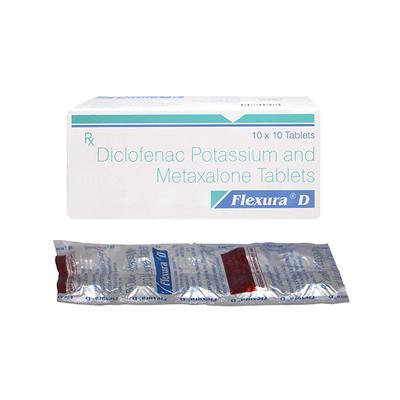
Flexura D Tablet contains diclofenac and metaxalone. It is prescribed for the management of pain associated with muscle spasms. Diclofenac helps reduce pain and inflammation, while metaxalone acts on the central nervous system to relax muscles. This combination may help ease muscle discomfort and support improved movement. Use Flexura D Tablet only for the condition and duration prescribed by your doctor.
Take Flexura D Tablet exactly as prescribed by your doctor. Follow the recommended dose and timing and take it with food if advised to help reduce stomach discomfort. Avoid driving or operating machinery if you experience drowsiness or dizziness and avoid alcohol because it may increase these effects. Do not change the dose or stop taking the medicine without medical advice.
Do not take Flexura D Tablet if you are allergic to diclofenac, metaxalone, or any of its ingredients. Before starting the medicine, inform your doctor if you have a history of stomach ulcers or bleeding, kidney or liver problems, heart disease, high blood pressure, asthma, or an allergy to painkillers such as aspirin or other NSAIDs. Tell your doctor about all medicines you are taking, particularly other painkillers, sedatives, or medicines that may cause drowsiness, as these may increase the risk of side effects or interactions.
Common side effects of Flexura D Tablet may include nausea, vomiting, stomach discomfort, heartburn, diarrhoea, dizziness, or drowsiness. Seek medical advice if you experience severe or persistent symptoms. Stop taking the medicine and seek urgent medical help if you develop signs of a serious allergic reaction, difficulty breathing, chest pain, black stools, vomiting blood, or severe stomach pain.
Uses Of FLEXURA D TABLET
- Relieves pain, inflammation and swelling in conditions that affect muscles
- It also effectively relieves muscle stiffness or spasm, thereby improving muscle movement
Benefits of FLEXURA D TABLET
Flexura D Tablet for Pain Due to Muscle Spasm
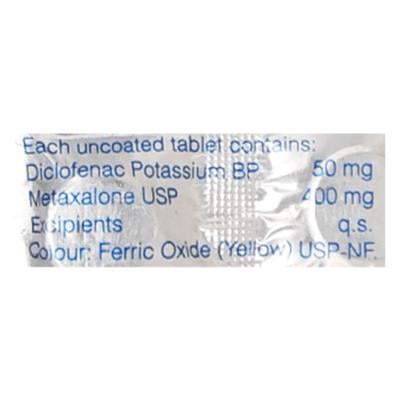
Flexura D Tablet contains diclofenac 50 mg and metaxalone 400 mg. It is prescribed to help manage pain associated with muscle spasms. Diclofenac helps reduce pain and inflammation, while metaxalone helps relax muscles, supporting improved movement and reduced muscular discomfort.
Flexura D Tablet for Muscle Stiffness and Tightness
Flexura D Tablet may be prescribed to help manage muscle stiffness and painful spasms associated with strains, sprains, and muscle injuries. Its muscle-relaxant component helps reduce muscle tightness, while diclofenac helps relieve associated pain and inflammation.
Flexura D Tablet for Musculoskeletal Pain and Restricted Movement
Flexura D Tablet may be used under medical supervision for painful musculoskeletal conditions where muscle spasm contributes to discomfort and restricted movement. It may be used alongside rest and physiotherapy, as advised by a healthcare professional.
How FLEXURA D TABLET Works
Flexura D Tablet contains two active ingredients
- Diclofenac: A non-steroidal anti-inflammatory drug (NSAID) that reduces the production of chemical messengers involved in pain and inflammation.
- Metaxalone: A centrally acting muscle relaxant that acts on the brain and spinal cord to help relieve muscle stiffness and spasms.
How to use FLEXURA D TABLET
How to take Flexura D Tablet
- Take Flexura D Tablet exactly as prescribed by your doctor.
- Follow the prescribed dose and duration do not take extra tablets or use it for longer than recommended.
- Swallow the tablet whole with water. Do not crush, chew, or break it.
- Follow your product's prescribed food instructions. Product information differs on whether it should be taken before or with food, so confirm the appropriate directions with your doctor or pharmacist.
- Avoid driving or operating machinery if you experience dizziness, sleepiness, or reduced alertness.
- Do not combine it with other painkillers unless your doctor advises you to do so
What if I forgot to take FLEXURA D TABLET
- If you miss a dose, follow your doctor's or pharmacist's instructions.
- If it is nearly time for your next dose, skip the missed dose and continue with your regular schedule.
- Do not take a double dose to make up for a missed dose.
- If you frequently forget doses, consider setting a reminder to help maintain your prescribed schedule
Overdose
If you accidentally take more Flexura D Tablet than prescribed, seek immediate medical advice, even if you do not notice symptoms. Overdose may cause serious stomach or intestinal problems, drowsiness, or other complications.
Side Effects Of FLEXURA D TABLET
Common side effects of Flexura D Tablet
- nausea, vomiting
- upset stomach
- drowsiness
- headache, dizziness
- nervousness or irritable
- spinning sensation (vertigo)
- indigestion or heartburn
- wind (flatulence)
- loss of appetite
- diarrhoea
- skin rash or spots
When to Seek Medical Attention?
Stop taking Flexura D Tablet and seek urgent medical advice if you experience
- Severe stomach pain, vomiting blood, or black, tarry stools.
- Chest pain, sudden breathlessness, or sudden weakness on one side of the body.
- Swelling of the face, lips, tongue, or throat, or difficulty breathing.
- Yellowing of the skin or eyes, or other signs of a possible liver problem.
- Severe skin rash, blistering, or peeling.
- Unusual bleeding, severe dizziness, or fainting.
How To Manage Side Effects

Headache
- Drink water: Maintain adequate hydration throughout the day.
- Rest: Take a break in a quiet environment if you experience a headache.
- Reduce screen exposure: Limit bright screens if they worsen your discomfort.
- Eat regularly: Avoid skipping meals.
- Seek advice: Contact your doctor if the headache is severe, persistent, or unusual.

Nausea And Vomiting
- Eat small meals: Choose light foods and avoid large, heavy meals.
- Sip fluids: Take small, frequent sips of water to maintain hydration.
- Avoid trigger foods: Limit greasy, oily, or strongly flavoured foods if they worsen nausea.
- Rest comfortably: Sit upright after meals if this helps reduce discomfort.
- Contact your doctor: Seek medical advice if vomiting persists, you cannot keep fluids down, or you develop signs of dehydration.
Warning & Precautions

Pregnancy
Consult your doctorFlexura D Tablet should be used during pregnancy only when specifically advised by a healthcare professional. Diclofenac can pose risks during pregnancy, particularly from around 20 weeks onward, and should generally be avoided in late pregnancy. Consult your doctor before taking this medicine if you are pregnant or planning a pregnancy.

Breastfeeding
Consult your doctorInform your doctor if you are breastfeeding before taking Flexura D Tablet. Your healthcare professional can assess whether this combination is appropriate and recommend an alternative if necessary.

Driving and Using Machines
Use with CautionFlexura D Tablet may cause dizziness, sleepiness, or reduced alertness. Avoid driving, cycling, or operating machinery if you experience these effects.

Alcohol
ContraindicatedAvoid alcohol while taking Flexura D Tablet. Alcohol may increase drowsiness and may also increase the risk of stomach irritation or bleeding associated with diclofenac.

Kidney
Use with CautionInform your doctor if you have kidney disease, reduced kidney function, or a history of kidney problems. Diclofenac may affect kidney function, and metaxalone requires caution in renal impairment. Your doctor will determine whether this medicine is suitable for you.

Liver
Consult your doctorTell your doctor if you have liver disease or abnormal liver function. Diclofenac can cause liver-related adverse effects, and metaxalone should be used cautiously in mild to moderate hepatic impairment. Severe hepatic impairment is a contraindication to metaxalone use.

Allergy
ContraindicatedDo not take Flexura D Tablet if you are allergic to diclofenac, metaxalone, or any of its ingredients. Tell your doctor if aspirin or another NSAID has previously caused you wheezing, asthma symptoms, swelling, or an allergic reaction.

Lungs
Consult your doctorFlexura D Tablet is not recommended for use in patients with lung disease such as asthma, breathing difficulties after taking nonsteroidal anti-inflammatory drugs (NSAIDs) such as aspirin or ibuprofen. It should be used with caution in patients with asthma, long-term lung disease or lung infection. Consult your doctor before taking it.

Heart Disease
Consult your doctorInform your doctor if you have high blood pressure, heart disease, heart failure, a previous heart attack or stroke, or fluid retention. Diclofenac may increase cardiovascular risks and can worsen fluid retention in some patients. Your doctor should assess whether it is appropriate for you.

Use In Pediatrics
Consult your doctorFlexura D Tablet should be given to children only if specifically prescribed by a qualified healthcare professional. The safety and suitability of the fixed-dose combination should be assessed for the child's age and condition.

Use In Geriatrics
Consult your doctorOlder adults may be more susceptible to drowsiness and other central nervous system effects from metaxalone. They may also have a greater risk of NSAID-related stomach, kidney, and cardiovascular complications. Medical supervision is important.
Other Warnings for FLEXURA D TABLET
Before taking Flexura D Tablet, inform your doctor if you
- Have a history of stomach ulcers, gastrointestinal bleeding, or severe acidity.
- Have a blood disorder or a tendency to develop anaemia.
Who should not take FLEXURA D TABLET
Flexura D Tablet is not recommended for use if you have
- an itchy or runny nose
- peptic ulceration (ulcer in your stomach or duodenum)
- stomach or intestinal bleeding (black tarry stools or vomiting blood)
- cerebrovascular disease such as stroke, mini stroke (TIA)
- blockages to blood vessels to the brain or an operation to clear or bypass blockages
- peripheral arterial disease (problems with your blood circulation)
Safety Advice
- Take Flexura D Tablet only in the dose and for the duration prescribed by your doctor.
- Do not use it for prolonged periods without medical supervision.
- Avoid alcohol and activities requiring alertness if you experience drowsiness or dizziness.
- Do not combine it with other NSAIDs, such as ibuprofen, naproxen, or diclofenac-containing products, unless your doctor specifically advises you to.
- Inform your doctor about all prescription medicines, over-the-counter medicines, and supplements you take.
- Seek urgent medical attention if you develop signs of gastrointestinal bleeding, a serious allergic reaction, chest pain, or difficulty breathing.
- Combine medication with appropriate rest and physiotherapy when recommended by your healthcare professional.
Diet and Lifestyle Advice
- Stay hydrated: Drink adequate water unless your doctor has advised fluid restriction.
- Follow a balanced diet: Include vegetables, fruits, whole grains, and adequate protein.
- Avoid alcohol: It may worsen drowsiness and increase the risk of stomach-related complications.
- Avoid strenuous activity during acute pain: Follow your healthcare professional's advice about rest and gradual return to activity.
- Consider physiotherapy: Gentle stretching and prescribed exercises may support mobility and recovery.
- Maintain good posture: Use appropriate posture while sitting, standing, and lifting objects.
- Avoid prolonged inactivity: Resume gentle movement as advised and as tolerated.
- Follow medical advice: Seek reassessment if pain persists, worsens, or repeatedly returns.
1. Flexura D Tablet Vs Diclofenac Tablet
|
Feature |
Flexura D Tablet |
Diclofenac Tablet |
|
Composition |
Diclofenac + metaxalone |
Diclofenac alone |
|
Main purpose |
Pain associated with muscle spasms |
Pain and inflammation |
|
Muscle-relaxant action |
Contains metaxalone to help relax muscles |
Does not contain a muscle relaxant |
|
Mechanism |
Combines anti-inflammatory action with central muscle relaxation |
Reduces pain and inflammation by inhibiting prostaglandin production |
|
Common side effects |
Nausea, stomach discomfort, drowsiness, dizziness |
Stomach discomfort, nausea, and other NSAID-related effects |
|
Considerations |
May cause drowsiness and NSAID-related adverse effects |
Has NSAID-related gastrointestinal, kidney, and cardiovascular risks |
2. Flexura D Tablet vs Metaxalone Tablet
|
Feature |
Flexura D Tablet |
Metaxalone Tablet |
|
Composition |
Diclofenac + metaxalone |
Metaxalone alone |
|
Main purpose |
Pain associated with muscle spasms |
Discomfort associated with acute, painful musculoskeletal conditions |
|
Anti-inflammatory action |
Diclofenac provides anti-inflammatory action |
Does not contain diclofenac |
|
Muscle-relaxant action |
Metaxalone helps relieve muscle stiffness and spasms |
Metaxalone helps relieve muscle stiffness and spasms |
|
Common considerations |
Drowsiness and NSAID-related risks |
Drowsiness and central nervous system depression |
|
Suitability |
May be prescribed when both pain/inflammation and muscle spasm need to be addressed |
May be considered when a muscle relaxant is prescribed without diclofenac |
Drug - Drug interaction
1. Other NSAIDs (e.g., ibuprofen, naproxen, aspirin used for pain)
- Interaction: Combining diclofenac with other NSAIDs may increase the risk of stomach ulcers, gastrointestinal bleeding, and kidney-related adverse effects.
- Management: Avoid taking additional NSAIDs unless specifically advised by your doctor.
2. Blood thinners (e.g., warfarin)
- Interaction: Diclofenac may increase the risk of bleeding when used with anticoagulants.
- Management: Inform your doctor before taking Flexura D. Monitoring or an alternative medicine may be required.
3. Blood pressure medicines and diuretics
- Interaction: Diclofenac may reduce the effect of some antihypertensive medicines and may increase the risk of kidney problems, particularly with certain diuretics.
- Management: Tell your doctor about your blood pressure medicines and any diuretics you use. Kidney function and blood pressure may need monitoring.
4. Lithium and methotrexate
- Interaction: Diclofenac may increase the levels or toxicity risk of lithium or methotrexate.
- Management: Your doctor should review these combinations and decide whether monitoring or an alternative is needed.
5. Sedatives and other central nervous system depressants
- Interaction: Metaxalone may increase drowsiness and central nervous system depression when combined with alcohol, opioids, sleeping tablets, or other sedating medicines.
- Management: Avoid alcohol and inform your doctor about all medicines that cause sleepiness. Use combinations only under medical supervision.
6. Serotonergic medicines (e.g., certain antidepressants)
- Interaction: Serotonin syndrome has been reported when metaxalone is used with serotonergic medicines.
- Management: Inform your doctor if you take antidepressants or other medicines that affect serotonin. Seek urgent medical advice for symptoms such as agitation, confusion, fever, sweating, tremor, or muscle rigidity.
Drug - Food interaction
1. Alcohol
- Interaction: Alcohol may increase drowsiness and may add to the risk of stomach irritation or bleeding associated with diclofenac.
- Management: Avoid alcohol while taking Flexura D Tablet.
Synopsis
|
Drug |
Diclofenac + Metaxalone |
|
Product Category |
Nonsteroidal anti-inflammatory drugs (NSAIDs), Muscle relaxant |
|
Therapeutic Indication |
Relieve pain, inflammation and swelling in condition that affect muscles and relieves muscle stiffness or spasm |
|
Dosage Forms |
Tablet |
More Information
Storage
- Keep Flexura D Tablet out of reach of children
- Store Flexura D Tablet at room temperature
FAQs About FLEXURA D TABLET
Q: What is Flexura D Tablet used for?
A: Flexura D Tablet contains diclofenac and metaxalone. It is used to manage pain associated with muscle spasms. It may help reduce discomfort and support easier movement.
Q: How does Flexura D Tablet work?
A: Diclofenac helps reduce pain and inflammation. Metaxalone acts on the central nervous system to relax muscles. Together, they help relieve pain associated with muscle spasms.
Q: What are the common side effects of Flexura D Tablet?
A: Common side effects may include nausea, vomiting, and stomach discomfort. Drowsiness, dizziness, heartburn, or diarrhoea may also occur. Consult your doctor if side effects are severe or persistent.
Q: Can Flexura D Tablet cause drowsiness?
A: Yes, Flexura D Tablet may cause drowsiness or dizziness in some people. Avoid driving or operating machinery if you feel affected. Avoid alcohol, as it may increase drowsiness.
Q: Can Flexura D Tablet be taken with other painkillers?
A: Do not combine it with other NSAIDs, such as ibuprofen or naproxen, unless advised by your doctor. Taking them together may increase the risk of side effects. Consult your doctor before using another painkiller.
Q: Is Flexura D Tablet used for back pain?
A: It may be prescribed for back pain associated with muscle spasms. It can help relieve pain and muscle tightness. Consult your doctor if the pain persists or worsens.
Q: Can Flexura D Tablet be used during pregnancy?
A: Consult your doctor before taking Flexura D Tablet during pregnancy. Diclofenac may carry risks, particularly during the later stages of pregnancy. Use it only when specifically advised by your doctor.
Q: Can people with kidney or liver disease take Flexura D Tablet?
A: Inform your doctor if you have kidney or liver disease before taking this medicine. Diclofenac may affect kidney or liver function in some people. Your doctor will assess whether it is suitable for you.
Q: What should I do if I miss a dose of Flexura D Tablet?
A: Follow the dosing instructions provided by your doctor or pharmacist. If it is nearly time for your next dose, skip the missed dose. Do not take a double dose to make up for it.
Q: Are there any food-related precautions while taking Flexura D Tablet?
A: Take Flexura D Tablet with or after food to help reduce stomach irritation. Avoid excessive alcohol consumption while taking this medicine, as it may increase the risk of side effects such as dizziness and stomach discomfort.
References
1. KD. Tripathi. Nonsteroidal Anti-inflammatory Drugs and Antipyretic-Analgesics. Essentials of medical pharmacology. Seventh edition. 2013. Page – 204.
2. Sagar Suman Panda, Debasis Patanaik, Bera V.V. Ravi Kumar. New Stability-Indicating RP-HPLC Method for Determination of Diclofenac Potassium and Metaxalone from Their Combined Dosage Form. [Revised in January 2012] [Accessed on 20th September 2026] 
3. Chintan R Patel, Ritu V Kimbahune, Prachi V Kabra, Harish AR and Nargund LVG1. Spectrophotometric Estimation of Metaxalone and Diclofenac Potassium by Multicomponent Analytical Method from Tablet Dosage Form. [Revised in July 2012]. [Accessed on 20th September 2026] 
4. Metaxalone (400mg) + Diclofenac Potassium (50mg) tablet. Central drugs standard control organisation (CDSCO). [Accessed on 20th September 2026]
5. Vovedic-MR Tablets. Metaxalone 400 mg & Diclofenac 50 mg tablet. [Accessed on 20th September 2026]
6. Metaxalone oral tablet (400; 800 mg). Drugs.com. [Accessed on 20th September 2026]
8. Dexcel-Pharma Ltd; Electronic Medicines Compendium (EMC) [Revised in February 2026] [Accessed on 20th September 2026]