


Netmeds First Membership
Quick Links
Introduction About FENIXA 30 DISPERSIBLE TABLET
FENIXA 30 DISPERSIBLE TABLET contains Fexofenadine which belongs to the group of medicines called Antihistamines. It is used to provide relief from symptoms associated with seasonal allergic rhinitis in children (aged 2 to 11 years). It is also used to manage uncomplicated skin manifestations of chronic idiopathic urticaria in children (aged 6 months to 11 years).
Seasonal allergic rhinitis is an inflammatory condition of the upper airways that occurs in response to exposure to airborne allergens (such as tree, grass, and weed pollens) in sensitized individuals, generally characterized by symptoms such as nasal stuffiness, itchy nose/throat/eyes, headache, and weakness. Chronic idiopathic urticaria is a disturbing allergic condition of the skin that recurs without any known cause which is generally characterized by symptoms such as raised/swollen wheals on skin, itching, and swelling of the lips, eyelids, or throat.
Avoid giving fruit juices (such as grapefruit, orange and apple juice) to your child while taking FENIXA 30 DISPERSIBLE TABLET since it may reduce the effect of this medicine. Before administering FENIXA 30 DISPERSIBLE TABLET, inform child’s doctor if your child has liver, kidney, or heart problems. FENIXA 30 DISPERSIBLE TABLET is not recommended for use in children who are allergic to fexofenadine.
It is not indicated for use in pregnant and breastfeeding women since it is recommended for use only in children. The most common side effects of taking FENIXA 30 DISPERSIBLE TABLET are headache, back pain, dizziness, stomach discomfort, pain in extremity, fever, middle ear infection, and vomiting. Contact child’s physician if any of the symptoms worsen.
Uses Of FENIXA 30 DISPERSIBLE TABLET
- Relives symptoms associated with seasonal allergic rhinitis in children (aged 2 to 11 years)
- Manage uncomplicated skin manifestations of chronic idiopathic urticaria in children (aged 6 months to 11 years)
How FENIXA 30 DISPERSIBLE TABLET Works
FENIXA 30 DISPERSIBLE TABLET works by blocking the actions of H1 histamine receptors (chemical substance responsible for allergic reactions) that results in managing the occurrence of seasonal allergic rhinitis and idiopathic urticaria thus providing relief from the symptoms associated with both conditions.
How to use FENIXA 30 DISPERSIBLE TABLET
Give FENIXA 30 DISPERSIBLE TABLET to your child as advised by the physician. Place the medicine on the tongue and do not swallow it until it is completely dissolved in the mouth. Do not crush or chew the medicine before it is dissolved in the mouth. Child’s doctor will decide the correct dose and duration for your child according to age and severity of the condition.
Side Effects Of FENIXA 30 DISPERSIBLE TABLET
Common
- headache
- back pain
- cough
- fever
- middle ear infection
- vomiting
- diarrhoea
- excess sleepiness
- weakness
- dizziness
- stomach discomfort
- pain in extremity
Rare
- nervousness
- sleep disorders
- paroniria (nightmares)
- signs of hypersensitivity reaction (immunologic reaction to allergen) such as sneezing, itchy, red eyes, wheezing
How To Manage Side Effects

Diarrhea
Advise your child to drink plenty of water and stay hydrated. Try to avoid giving any medicine on your own to your child to manage diarrhea. Consult child’s doctor if the symptom gets worse.

Dizziness Or Drowsiness
Tell your child to lie down until dizziness is gone and advise them to take enough rest and sleep. Also instruct them not to perform any activities which requires mental concentration when they feel dizzy. Consult child’s doctor if the symptom does not improve.
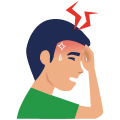
Headache
Apply hot or cold-water bag on your child’s head. Advise your child to take rest in a quiet room. Massage child’s scalp or head with mild pressure for relieving effect. Consult child’s doctor if the symptom does not improve.

Nausea And Vomiting
Give your child simple meals. Avoid giving oil rich or spicy foods, sugary snacks, and drinks. Tell your child to avoid drinking too much liquid along with the meals and drink slowly in between meals. Consult child’s doctor if the symptom does not improve.
Warning & Precautions

Pregnancy
ContraindicatedFENIXA 30 DISPERSIBLE TABLET is not recommended for use in pregnant women since this dosage is used only in children and adolescents (aged 6 months to 11 years).

Breastfeeding
ContraindicatedFENIXA 30 DISPERSIBLE TABLET is not recommended for use in breastfeeding women since this dosage is used only in children and adolescents (aged 6 months to 11 years).

Kidney
Use with CautionFENIXA 30 DISPERSIBLE TABLET should be used with caution in children having kidney problems such as decreased kidney function. Consult child’s doctor before giving FENIXA 30 DISPERSIBLE TABLET to your child

Liver
Use with CautionFENIXA 30 DISPERSIBLE TABLET should be used with caution in children with liver problems such as liver impairment. Consult child’s doctor before giving FENIXA 30 DISPERSIBLE TABLET to your child.

Allergy
ContraindicatedDo not give FENIXA 30 DISPERSIBLE TABLET to your child if they are allergic to Fexofenadine, or any other ingredients of this medicine.

Use In Pediatrics
SafeFENIXA 30 DISPERSIBLE TABLET is recommended for use in children (aged 2 to 11 years) to manage seasonal allergic rhinitis and in children (aged 6 months to 11 years) to manage uncomplicated skin manifestations of chronic idiopathic urticaria. Consult child’s doctor before giving FENIXA 30 DISPERSIBLE TABLET to your child
Interactions
A. Drug-Drug interactions:
Before giving FENIXA 30 DISPERSIBLE TABLET to your child, inform to child’s doctor if your child is taking any of the following medicines:
- aluminum and magnesium gel (medicines used to relieve symptoms of heart burn or indigestion)
- ketoconazole (medicine used to manage fungal infections)
- erythromycin (medicine used to manage bacterial infections)
B. Drug-Food interaction:
Avoid giving fruit juices (such as grapefruit, orange and apple juice) to your child while taking FENIXA 30 DISPERSIBLE TABLET since it may reduce the effect of this medicine.
Overdosage:
If your child accidentally takes too much of FENIXA 30 DISPERSIBLE TABLET, consult your doctor immediately or visit the nearby hospital. Signs of overdose includes dizziness, drowsiness, and dry mouth.
Synopsis
| Drug | : | Fexofenadine |
| Pharmacological Category | : | Antihistamines |
| Therapeutic Indication | : | Seasonal allergic rhinitis, Chronic idiopathic urticaria |
| Dosage Forms | : | Oral dispersible tablet, Tablet, Oral suspension, Syrup |
More Information
- Keep FENIXA 30 DISPERSIBLE TABLET out of reach of children
- Store at room temperature
FAQs About FENIXA 30 DISPERSIBLE TABLET
Q: What is FENIXA 30 DISPERSIBLE TABLET and why is it given?
A: FENIXA 30 DISPERSIBLE TABLET contains fexofenadine, which is an antihistamine agent, used in children to provide relief from symptoms associated with seasonal allergic rhinitis in children (aged 2 to 11 years) which is also used to manage uncomplicated skin manifestations of chronic idiopathic urticaria in affected children (aged 6 months to 11 years).
Q: How to administer FENIXA 30 DISPERSIBLE TABLET to my child?
A: Give FENIXA 30 DISPERSIBLE TABLET to your child as advised by the physician. Tell your child to place the medicine on the tongue and do not swallow it until it is completely dissolved in the mouth. Do not crush or chew the medicine before it is dissolved in the mouth. Child’s doctor will decide the correct dose and duration for your child according to age and severity of the condition.
Q: What common side effects are seen with FENIXA 30 DISPERSIBLE TABLET?
A: The most common side effects of taking FENIXA 30 DISPERSIBLE TABLET are headache, back pain, dizziness, stomach discomfort, pain in extremity, fever, middle ear infection, and vomiting. Contact child’s physician if the symptoms worsen over the period of time.
Q: Does FENIXA 30 DISPERSIBLE TABLET causes headache?
A: Yes, FENIXA 30 DISPERSIBLE TABLET can cause headache in your child. To manage this effect, apply hot or cold-water bag on your child’s head. Advise your child to take rest in a quiet room. Massage child’s scalp or head with mild pressure for relieving effect. Consult child’s doctor if the symptom does not improve.
Q: Can FENIXA 30 DISPERSIBLE TABLET be used in children with kidney problems?
A: FENIXA 30 DISPERSIBLE TABLET should be used with caution in children having kidney problems such as decreased kidney function. Doctor may adjust the dose depending upon kidney function. Consult child’s doctor before giving FENIXA 30 DISPERSIBLE TABLET to your child.
Q: What precautions should I follow while giving FENIXA 30 DISPERSIBLE TABLET to my child?
A: Avoid giving fruit juices (such as grapefruit, orange and apple juice) to your child while taking FENIXA 30 DISPERSIBLE TABLET since it may reduce the effect of this medicine. Inform child’s doctor about previous allergy, medical and medication history to avoid unusual interactions or problems in your child.
References
1. KD. Tripathi. Histamine and Antihistaminics. Essentials of medical pharmacology. Eighth edition. 2019. Page – 166.
2. Kari L. Craun, Mark P. Schury. Fexofenadine. NIH National Library of Medicine. National center for biotechnology information. May 2022. [Accessed on 9th June 2022] https://www.ncbi.nlm.nih.gov/books/NBK556104/
3. Omer Turkmen, Zeynep Ay Senyigitc, Esra Baloglu. Formulation and evaluation of fexofenadine hydrochloride orally disintegrating tablets for pediatric use. Journal of Drug Delivery Science and Technology. ScienceDirect. February 2018. [Accessed on 9th June 2022] https://www.sciencedirect.com/science/article/abs/pii/S1773224717302903
4. Sanofi-Aventis U.S. LLC. U.S. Food & Drug Administration [Revised in 2007] [Accessed on 9th June 2022] https://www.accessdata.fda.gov/drugsatfda_docs/label/2008/020872s018,021963s002lbl.pdf
Useful Diagnostic Tests
- Complete blood count
Author Details