


Netmeds First Membership
Quick Links
Introduction About DIAVAS 1MG TABLET
DIAVAS 1MG TABLET is a combination of Atorvastatin, Glimepiride and Metformin which belongs to the group of medicines called Lipid-lowering drugs and Antidiabetic agents respectively. It is used in the management of hyperlipidaemia and hyperglycaemia in adults when diet, exercise and management with single agents does not result in adequate sugar control.
Take DIAVAS 1MG TABLET preferably after meals or as advised by your physician. Do not stop taking DIAVAS 1MG TABLET unless your doctor advice you to stop. While taking DIAVAS 1MG TABLET, avoid consumption of alcohol and grapefruit juice as it might worsen your existing condition. Do not take DIAVAS 1MG TABLET if you are pregnant or breastfeeding. Women of childbearing age must use a reliable contraceptive method to avoid pregnancy while undergoing therapy with DIAVAS 1MG TABLET.
Do not take DIAVAS 1MG TABLET if you are allergic to Atorvastatin, Glimepiride and Metformin or to any other ingredients of this medicine. It is also not recommended to take DIAVAS 1MG TABLET if you are suffering from type I diabetes mellitus (insulin dependent diabetes), lactic acidosis or diabetic ketoacidosis.
Before taking DIAVAS 1MG TABLET, inform your doctor if you have any liver, kidney, heart or respiratory problems. You must also inform your doctor if you are recovering from any injury, operation, infections or from any form of stress, fasting or malnourished, perform extreme physical exercises without proper carbohydrate intake, have an unexplained muscle pain or muscle problems in the past, thyroid problems, personal or family history of muscle problems or stroke.
The most common side effects of taking DIAVAS 1MG TABLET are nausea, vomiting, indigestion, flatulence, changes in taste or metallic taste, low Vitamin B12 levels (signs include extreme tiredness, oral sores, pins and needles), inflammation of the nasal passages, throat pain, headache, joint pain, muscle pain and back pain, weight gain, neck pain and oedema. Consult your doctor if any of these side effect trouble you.
Uses Of DIAVAS 1MG TABLET
- It is used in the management of hyperlipidaemia and hyperglycaemia
How DIAVAS 1MG TABLET Works
DIAVAS 1MG TABLET contains three medicines namely, Atorvastatin, Glimepiride and Metformin. Atorvastatin is a lipid lowering medicine. It effectively reduces the levels of bad cholesterol (LDL) and triglycerides in the body by blocking the action of an enzyme called HMG-CoA reductase that synthesizes cholesterol within the body.
It also acts on the liver and improve the body’s ability to remove lipid particles from the blood. As a result, it reduces blood cholesterol levels and manage its associated risks.
Glimepiride stimulates the pancreas to secrete more insulin (a hormone involved in glucose metabolism). Metformin makes our body more sensitive to insulin which helps in digesting the circulating sugars (glucose) in the blood, thereby reducing blood sugar levels. Additionally, it can also reduce the glucose produced by the liver and reduces its absoprtion in the body.
How to use DIAVAS 1MG TABLET
Take DIAVAS 1MG TABLET preferably after meals or as advised by your physician. Swallow the medicine with a glass of water. Do not crush or chew the medicine.
Your doctor will decide the correct dose and duration of therapy for you depending upon your age, body weight and disease condition.
Do not stop taking DIAVAS 1MG TABLET unless your doctor advice you to stop.
Side Effects Of DIAVAS 1MG TABLET
Common
- nausea, vomiting
- diarrhea, stomach pain, loss of appetite, flatulence
- changes in taste, metallic taste
- low Vitamin B12 levels (signs include extreme tiredness, oral sores, pins and needles)
- inflammation of the nasal passages
- throat pain, nose bleeds
- allergic reactions
- increase in blood sugar levels
- increase in blood creatine kinase
- headache
- joint pain, muscle pain and back pain
- liver problems
Uncommon
- weight gain
- dizziness
- having nightmares, insomnia
- tingling sensation
- decreased sensation to pain or touch
- changes in sense of taste
- loss of memory
- blurring of vision
- ringing in the ears followed by vomiting
- neck pain, muscle fatigue
- fatigue, feeling unwell, weakness, chest pain
- swelling especially in the ankles (oedema)
- raised temperature
Rare
- visual disturbance
- unexpected bleeding or bruising
- cholestasis (yellowish discoloration of the skin and whites of the eyes)
- tendon injury
Stop taking DIAVAS 1MG TABLET and contact your doctor immediately if you experience any of the following side effects:
- signs of lactic acidosis (cold hands or feet, dizziness or light-headedness, slow or irregular heartbeat, weakness or tiredness, unusual muscle pain, trouble breathing, sleepiness or drowsiness, stomach pains, nausea or vomiting)
- serious allergic reaction (such as hives, swelling of the face, lips, tongue or throat causing difficulty in breathing or swallowing)
- signs of liver problems (such as nausea or vomiting, stomach pain, unusual or unexplained tiredness, loss of appetite, dark urine, yellowing of the skin or the whites of the eyes)
- severe skin rashes and photo sensitivity
- severe hypoglycemia and loss of consiousness
- severe allergic reactions (such as skin rash, blisters in the skin, severe peeling, blistering of the skin and swelling of the skin, mouth, eyes, face, lips, tongue and/or throat with difficulty in breathing or swallowing)
- unexplained muscle pain or weakness, especially if accompanied by fever, weakness, or reddish-brown urine (rhabdomyolysis)
- unexpected bleeding or bruising
- severe skin rash with joint disorders and changes in blood counts (Lupus-like disease syndrome)
How To Manage Side Effects
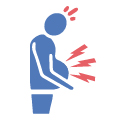
Bloating
To manage flatulence, consider dietary adjustments and lifestyle changes. Identify and limit gas-producing foods such as beans, cabbage, and carbonated drinks. Chew food thoroughly to aid digestion and reduce the likelihood of swallowing air. Introduce probiotics through yogurt or supplements to promote a healthy gut flora. Regular physical activity can also aid digestion. If persistent, consult a healthcare professional to rule out underlying issues and discuss potential solutions, such as medications or further dietary modifications.

Dizziness Or Drowsiness
Managing dizziness involves addressing potential underlying causes and making lifestyle adjustments. If you experience sudden or severe dizziness, it's important to sit or lie down to manage the risk of falling. Ensure proper hydration and maintain a balanced diet to regulate blood sugar levels. Avoid sudden movements and try to rise slowly from a seated or lying position. If dizziness persists, it's advisable to consult with a healthcare professional to rule out any serious medical conditions.
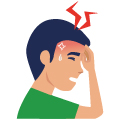
Headache
Stay well-hydrated, as dehydration can contribute to headaches. Get adequate rest and maintain a regular sleep schedule. Practice stress-management techniques, such as deep breathing or meditation, to alleviate tension. Over-the-counter pain relievers like acetaminophen or ibuprofen can provide relief, but it's essential to follow recommended dosages. Applying a cold or warm compress to the forehead may also ease discomfort. If headaches persist or worsen, seek medical advice to rule out underlying issues and receive appropriate management.
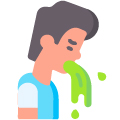
Nausea And Vomiting
To manage nausea and vomiting, it is essential to focus on hydration, rest, and dietary adjustments. Stay well-hydrated by sipping on clear fluids like water or ginger tea. Opt for small, frequent meals to ease the digestive process, avoiding strong-smelling or heavy foods. Ginger, known for its anti-nausea properties, can be consumed through tea or candies. Adequate rest is crucial for recovery, allowing your body to heal. If symptoms persist, consult a healthcare professional who may recommend medications or other interventions tailored to the underlying cause of nausea and vomiting.
Warning & Precautions

Pregnancy
ContraindicatedDIAVAS 1MG TABLET is not recommended for use in pregnant women. Therefore, consult your doctor before taking it. Women of childbearing age must use a reliable contraceptive method to avoid pregnancy while undergoing therapy with DIAVAS 1MG TABLET. However, if you accidentally become pregnant while taking DIAVAS 1MG TABLET, stop taking it and consult your doctor immediately.

Breastfeeding
ContraindicatedDIAVAS 1MG TABLET is not recommended for use in breastfeeding women. Therefore, consult your doctor before taking it.

Driving and Using Machines
Use with CautionDo not drive or operate any heavy tools or machines if your ability is affected by DIAVAS 1MG TABLET.

Alcohol
Consult your doctorDIAVAS 1MG TABLET should be used with caution in patients who consume large amounts of alcohol. Therefore, it is advisable to avoid alcohol consumption while taking DIAVAS 1MG TABLET to achieve maximum benefits.

Kidney
Consult your doctorDIAVAS 1MG TABLET is not recommended for use in patients with severe kidney problems. It should be used with caution in patients with other kidney problems. Therefore, consult your doctor before taking it.

Liver
Consult your doctorDIAVAS 1MG TABLET is not recommended for use in patients with severe liver problems. It should be used with caution in patients with other liver problems. Therefore, consult your doctor before taking it.

Allergy
ContraindicatedDo not take DIAVAS 1MG TABLET if you are allergic to Atorvastatin, Glimepiride and Metformin, or to any other sulfonylureas (Ex. glyburide, gliclazide) or sulphonamides (Ex. sulfasalazine).

Lungs
Use with CautionDIAVAS 1MG TABLET should be used with caution in patients with lung diseases (such as severe respiratory failure). Therefore, consult your doctor before taking it.

Heart Disease
Consult your doctorDIAVAS 1MG TABLET is not recommended for use in patients with severe heart problems (such as heart failure). It should be used with caution in patients with other heart problems. Therefore, consult your doctor before taking it.

Use In Pediatrics
ContraindicatedDIAVAS 1MG TABLET is not recommended for use in children and in adolescents (aged below 18 years). Therefore, consult your doctor before taking it.

Use In Geriatrics
Use with CautionDIAVAS 1MG TABLET should be used with caution in elderly patients (aged above 65 years). Therefore, consult your doctor before taking it.
Others
DIAVAS 1MG TABLET is not recommended for use if you:
- have type I diabetes mellitus (insulin dependent diabetes)
- have lactic acidosis (build-up of lactic acid in the body)
- have diabetic ketoacidosis (a diabetic complication causing episodes of fatigue, nausea, frequent urination and muscular stiffness)
Before taking DIAVAS 1MG TABLET, inform your doctor if you:
- are recovering from any injury, operation, infections or from any form of stress
- have G6PD deficiency
- are on fasting or malnourished, starved, on an irregular diet, or feeling weak
- perform extreme physical exercises without proper carbohydrate intake
- are an alcoholic
- have oedema (swelling of body parts)
- have an unexplained muscle pain
- had any muscle problems in the past
- have improper functioning of thyroid gland
- have personal or family history of muscle problems
- are alcoholic
- are overweight
- have a previous history of stroke with bleeding the brain
- have small holes or pockets in the brain due to previous stroke
Interactions
A.Drug-Drug Interactions:
Before taking DIAVAS 1MG TABLET, inform your doctor if you are taking any of the following medicines:
- antidiabetics (such as teneligliptin, rosiglitazone, insulin, gliclazide)
- pain killers (Ex. aspirin, ibuprofen, celecoxib, phenylbutazone, azopropazone, oxyphenbutazone, phenazone)
- antibiotics (amikacin, nitrofurantoin, sulfamethoxazole, tetracyclines, chloramphenicol, ciprofloxacin, clarithromycin, fusidic acid, erythromycin, clarithromycin, telithromycin)
- Antifungal agents (Ex. fluconazole, miconazole, isuvaconazole)
- medicines used to manage blood clotting (Ex. warfarin)
- medicines used for male sex hormone replacement therapy (Ex. testosterone)
- Antidepressants (such as moclobemide, isocarboxazid, phenelzine, tranylcypromine, fluoxetine, St John’s wort)
- Heart medicines (Ex. enalapril, lisinopril, ramipril, atenolol, propranolol, telmisartan, olmesartan, clonidine, guanethidine and reserpine, disopyramide, prazosin, doxazosin, ranolazine, amlodipine, diltiazem, digoxin, verapamil, amiodarone)
- gout medicines (Ex. allopurinol, probenecid, sulfinpyrazone)
- Anticancer agents (Ex. cyclophosphamide, ifosfamide, trofosfamide, vandetanib, crizotinib and olaparib)
- fenfluramine (a medicine used for obesity and fits)
- pentoxifylline (a medicine which can improve blood flow in the body)
- anti-allergic medicines (Ex. tritoqualine)
- alpha blockers (medicines used to manage high blood pressure or prostate problems) Ex.
- hormonal replacement therapy (used to manage menstrual disorders in women) Ex. estradiol
- thiazide diuretics (Ex. hydrochlorothiazide)
- levothyroxine (a medicine used for thyroid problems)
- Antipsychotics (such as chlorpromazine, prochlorperazine, lithium)
- corticosteroids (used to manage pain and inflammation) Ex. prednisolone, betamethasone
- Antiasthmatics (Ex. salbutamol, terbutaline)
- adrenaline (a medicine used to manage emergency conditions)
- medicines used to manage constipation (Ex. lactulose, liquid paraffin)
- glucagon, diazoxide (medicines used to manage signs of low blood sugar levels)
- cimetidine (a medicine used to manage stomach ulcers)
- rifampicin (a medicine used for tuberculosis)
- dolutegravir (a medicine used to manage HIV infection)
- medicines used to manage graft rejection (Ex. cyclosporine)
- medicines used to manage bacterial infection (such as)
- medicines used to manage fungal infection (such as ketoconazole, itraconazole, voriconazole, fluconazole, posaconazole)
- rifampin (a medicine used to manage tuberculosis infection)
- other lipid lowering agents (such as gemfibrozil, fenofibrate, colestipol or ezetimibe)
- Antiviral agents (Ex. letermovir, ritonavir, lopinavir, atazanavir, indinavir, darunavir, the combination of tipranavir/ritonavir, telaprevir, boceprevir and the combination of elbasvir/grazoprevir, ledipasvir/sofosbuvir)
- oral contraceptives (Ex. levonorgestrel)
Drug-Food Interaction
Avoid consumption of grapefruit while taking DIAVAS 1MG TABLET as it may reduce its effectiveness.
Overdosage:
If you or anyone else accidentally took more DIAVAS 1MG TABLET, you may experience the signs of hypoglycemia (such as increased hunger, sweating, headache, feeling clammy, restless or aggressive, shakiness, fast heartbeat and confusion). To manage this, consume any sugary food immediately. If the symptom did not improve or worsens contact your doctor immediately. Other symptoms of overdosage might include vomiting, stomach pain with muscle cramps, feeling generally unwell with severe tiredness and difficulty in breathing.
Synopsis
| Drug | : | Atorvastatin, Glimepiride, Metformin |
| Pharmacological Category | : | HMG-CoA reductase inhibitors, Sulfonylureas, Biguanides |
| Therapeutic Indication | : | Controls blood sugar and blood cholesterol levels |
| Dosage Forms | : | Tablet |
More Information
Storage
- Keep DIAVAS 1MG TABLET out of reach of children
- Store DIAVAS 1MG TABLET at room temperature
FAQs About DIAVAS 1MG TABLET
Q: What is DIAVAS 1MG TABLET used for?
A: DIAVAS 1MG TABLET is used in the management of hyperlipidaemia and hyperglycaemia in adults when diet, exercise and management with single agents does not result in adequate sugar control.
Q: How and when to take DIAVAS 1MG TABLET?
A: Take DIAVAS 1MG TABLET preferably after meals or as advised by your physician. Swallow the medicine with a glass of water. Do not cursh or chew the medicine. Your doctor will decide the correct dose and duration of therapy for you depending upon your age, body weight and disease condition.
Q: How long should I take DIAVAS 1MG TABLET?
A: You need to take DIAVAS 1MG TABLET as long as your doctor or physician prescribes you the medicine. Your doctor will decide the correct dose and duration of therapy for you depending upon your age, body weight and disease condition.
Q: What is the best time to take DIAVAS 1MG TABLET?
A: DIAVAS 1MG TABLET must be taken with meals to avoid gastrointestinal side effects.
Q: What to do if I forgot to take a dose of DIAVAS 1MG TABLET?
A: If you forgot to take a dose of DIAVAS 1MG TABLET, take it as soon as you remember. However, if it is time for the next dose of DIAVAS 1MG TABLET, skip the missed dose and take the next one regularly. Do not take a double dose of DIAVAS 1MG TABLET to compensate the missed ones.
Q: Can I stop taking DIAVAS 1MG TABLET without consulting your doctor?
A: No. You should not stop taking DIAVAS 1MG TABLET without consulting your doctor because it may lead to reversal of symptoms. If you feel better after using DIAVAS 1MG TABLET, consult your doctor for advice.
Q: Will taking a higher dose of DIAVAS 1MG TABLET be more effective?
A: No, taking a higher dose of DIAVAS 1MG TABLET will not be effective rather it can lead to toxicity. Always take the dose prescribed by your doctor. If the prescribed dose is not effective for you, consult your doctor for advice. Your doctor might increase the dose or suggest an alternative therapy.
Q: Can I take medication for high blood pressure along with DIAVAS 1MG TABLET?
A: It is not advisable to take medicines to control blood pressure while taking DIAVAS 1MG TABLET without consulting your doctor, as they have known interactions with DIAVAS 1MG TABLET.
Q: How to manage the side effects of DIAVAS 1MG TABLET?
A: Low blood sugar is a common side effect of taking DIAVAS 1MG TABLET. Try to have sugar rich food items such as fruit juice, glucose tablets or gel, soft drinks, honey or sugary candy. Check your blood sugar after 10 minutes. If not gained optimum level, take another sugary snack, or drink, and check the blood sugar levels once again. If your condition did not improve, consult your doctor immediately.
Q: Can DIAVAS 1MG TABLET be taken with insulin?
A: Co-administration of DIAVAS 1MG TABLET with insulin is considered risky as they can increase the chances of hypoglycemia (low blood sugar levels). Therefore, consult your doctor before taking it.
Q: Can DIAVAS 1MG TABLET be used in pregnant women?
A: DIAVAS 1MG TABLET is not recommended for use in pregnant women. Therefore, consult your doctor for advice before taking it.
Q: Does DIAVAS 1MG TABLET cause weight gain?
A: Yes. DIAVAS 1MG TABLET may cause weight gain in some individuals. To avoid this, follow a healthy diet and regular physical activity as advised by your physician. However, if you experience any weight gain due to swelling of body parts (such as in face, legs, or hands), consult your doctor immediately.
Q: What are the side effects of taking DIAVAS 1MG TABLET?
A: The most common side effects of taking DIAVAS 1MG TABLET are nausea, vomiting, indigestion, flatulence, changes in taste or metallic taste, low Vitamin B12 levels (signs include extreme tiredness, oral sores, pins and needles), inflammation of the nasal passages, throat pain, headache, joint pain, muscle pain and back pain, weight gain, neck pain and oedema. Consult your doctor if any of these side effect trouble you.
References
1. KD. Tripathi. Insulin, Oral Hypoglycaemic Drugs and Glucagon. Essentials of medical pharmacology. Seventh edition. 2013. Page – 270, 275 & 277.
2. KD. Tripathi. Insulin, Hypolipidemic Drugs and Plasma Expanders. Essentials of medical pharmacology. Seventh edition. 2013. Page – 637.
3. Brown & Burk UK Limited. Glimepiride 1 mg/2 mg/3 mg/4 mg Tablets Glimepiride. Electronic Medicines Compendium (EMC). [Revised in December 2020] [Accessed on 22nd January 2024] https://www.medicines.org.uk/emc/files/pil.10742.pdf
4. Rx Farma Limited. Metformin 500, 850 and 1000mg. Electronic Medicines Compendium (EMC). [Revised in September 2019] [Accessed on 22nd January 2024] https://www.medicines.org.uk/emc/files/pil.11951.pdf
5. Sun Pharmaceutical Industries. Atorvastatin 10, 20, 40 and 80mg. Electronic Medicines Compendium (EMC). [Revised in September 2023] [Accessed on 22nd January 2024] https://www.medicines.org.uk/emc/files/pil.4339.pdf
6. Zentiva Pharma UK Limited. Atorvastatin 30 and 60mg. Electronic Medicines Compendium (EMC). [Revised in May 2023] [Accessed on 22nd January 2024] https://www.medicines.org.uk/emc/files/pil.11753.pdf
Useful Diagnostic Tests
- HbA1C, Also known as Glycated Hemoglobin, Glycosylated Hemoglobin
- Blood Glucose Fasting (FBS)
- Post Prandial Blood Sugar (PPBS)
- Netmeds Diabetic Checkup
- Advance Diabetes Monitoring (Senior Female)
Author Details