





Netmeds First Membership
Quick Links
Introduction About DIABINESE 250MG TABLET
DIABINESE 250MG TABLET contains Chlorpropamide which belongs to the group of medicines called Antidiabetic agents. It is used as an adjunct to diet and exercise to improve glycemic control among adult patients suffering from type II diabetes mellitus.
Take DIABINESE 250MG TABLET strictly as instructed by your doctor. Do not stop using this medicine abruptly without consulting your doctor. While taking DIABINESE 250MG TABLET, it is important to follow regular and timely carbohydrate intake to avoid hypoglycemic events. Avoid having insufficient or delayed meals or unbalanced carbohydrate intake.
Before taking DIABINESE 250MG TABLET inform your doctor if you have any liver, kidney or heart problems. You must also inform your doctor if you have pituitary insufficiency, malnourished, starved, on an irregular diet, or feeling weak or perform extreme muscle exercises.
During therapy with DIABINESE 250MG TABLET, your doctor might regularly monitor your blood sugar levels and kidney functions to avoid the risk of unwanted side effects. He/she might also ask you to make certain lifestyle changes such as following a healthy diet, regular physical exercise and quitting alcohol consumption to achieve better results.
DIABINESE 250MG TABLET is not recommended for use in patients with type I diabetes and diabetic ketoacidosis. It is also not suitable for use in patients with alcoholism as it could lead to potential side effects. Patients taking DIABINESE 250MG TABLET must be focused on dietary instructions, regular exercise program, and regular testing of blood glucose as informed by their doctor to avoid unpleasant side effects.
The safety and effectiveness of DIABINESE 250MG TABLET has not been established among pregnant women. Therefore, consult your doctor before taking it. DIABINESE 250MG TABLET is not suitable for use in breastfeeding women as it may pass through breast milk.
The most common side effects of taking DIABINESE 250MG TABLET are low blood sugar levels, diarrhea, loss of appetite, headache, dizziness and nausea and vomiting. Consult your doctor if any of these side effect trouble you.
Uses Of DIABINESE 250MG TABLET
- It is used as an adjunct to diet and exercise to improve glycemic control among adult patients suffering from type II diabetes mellitus
How DIABINESE 250MG TABLET Works
Chlorpropamide is an antidiabetic medicine. It stimulates the release of insulin from pancreas which is essential for the metabolism of circulating blood glucose. As a result, it helps our body cells to utilize more circulating blood glucose and improves glycemic control.
How to use DIABINESE 250MG TABLET
Take DIABINESE 250MG TABLET as advised by your physician. Swallow the medicine with a glass of water. Do not crush or chew the medicine.
Your doctor will decide the correct dose and duration of therapy for you depending upon your age, body weight and disease condition. Do not stop taking DIABINESE 250MG TABLET unless your doctor advice you to stop.
Side Effects Of DIABINESE 250MG TABLET
Common
- hypoglycemia (low blood sugar)
- nausea, vomiting
- diarrhea, loss of appetite
- headache, dizziness
- water retention
- hyponatremia
Stop taking DIABINESE 250MG TABLET and consult your doctor immediately if you experience any of the following side effects:
- serious allergic reaction (such as hives, swelling of the face, lips, tongue or throat causing difficulty in breathing or swallowing)
- hypoglycemia (low blood sugar levels causing weakness, dizziness, increased sweating, fast heart beating, visions disorders or difficulty in concentration)
- signs of liver damage (such as tiredness, loss of appetite, weight loss, with or without yellowing of the skin or whites of the eyes)
How To Manage Side Effects

Dizziness Or Drowsiness
Managing dizziness involves addressing potential underlying causes and making lifestyle adjustments. If you experience sudden or severe dizziness, it's important to sit or lie down to manage the risk of falling. Ensure proper hydration and maintain a balanced diet to regulate blood sugar levels. Avoid sudden movements and try to rise slowly from a seated or lying position. If dizziness persists, it's advisable to consult with a healthcare professional to rule out any serious medical conditions.
Headache
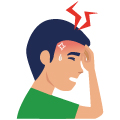
Adequate hydration is crucial, as dehydration can contribute to headaches. Ensure you are getting enough sleep and maintaining a consistent sleep schedule. Relaxation techniques, such as deep breathing or meditation, can help alleviate tension that may be contributing to the headache. If headaches persist, worsen, or are accompanied by other concerning symptoms, it's advisable to consult with a healthcare professional to identify any underlying causes and determine an appropriate course of action.
Warning & Precautions

Pregnancy
Monitoring requiredIt is also not known whether DIABINESE 250MG TABLET can cause fetal harm when administered to a pregnant woman. Therefore, it is prescribed to a pregnant woman only if the potential benefits justify the potential risk to the patient and fetus.

Breastfeeding
ContraindicatedDIABINESE 250MG TABLET is not recommended for use in breastfeeding women as it could pass through the breast milk and affect the nursing infant. However, consult your doctor before taking it.

Driving and Using Machines
Use with CautionDIABINESE 250MG TABLET is unlikely to affect your ability to drive or handle heavy machineries. However, do not drive or operate any machines if your abilities are altered by this medicine.

Alcohol
Consult your doctorAvoid consumption of alcohol while taking DIABINESE 250MG TABLET as it may increase the risk of unwanted side effects.

Kidney
ContraindicatedDIABINESE 250MG TABLET is not recommended for use in patients with severely reduced kidney functions. Therefore, consult your doctor before taking it.

Liver
ContraindicatedDIABINESE 250MG TABLET is not recommended for use in patients with severe liver insuffiency. Therefore, consult your doctor before taking it.

Allergy
ContraindicatedDo not take DIABINESE 250MG TABLET if you are allergic to chlorpropamide or to any other ingredients of this medicine.

Heart Disease
Use with CautionDIABINESE 250MG TABLET should be used with caution in patients with heart disease. Therefore, consult your doctor before taking it.

Use In Pediatrics
Consult your doctorThe safety and effectiveness of DIABINESE 250MG TABLET in children and adolescents (aged below 18 years) has not been properly evaluated in clinical studies. Therefore, consult your doctor before taking it.

Use In Geriatrics
Consult your doctorThe safety and effectiveness of DIABINESE 250MG TABLET in elderly patients (aged 65 and over) has not been properly evaluated in clinical studies. Adverse event reporting suggests that elderly patients may be more prone to developing hypoglycemia and/or hyponatremia while using this medicine. Therefore, consult your doctor before taking it.
Others
DIABINESE 250MG TABLET is not recommended for use in patients suffering from:
- Type I diabetes mellitus
- diabetic ketoacidosis (a diabetic complication causing episodes of fatigue, nausea, frequent urination and muscular stiffness)
- diabetic coma or precoma
Before taking DIABINESE 250MG TABLET, inform your doctor if you:
- have pituitary insufficiency or adrenal insufficiency
- are malnourished, starved, on an irregular diet, or feeling weak
- perform extreme muscle exercises
- are an alocholic
Interactions
A. Drug-Drug interactions:
Before taking DIABINESE 250MG TABLET, inform your doctor if you are taking any of the following medicines such as:
- miconazole (an antifungal agent)
- phenothiazines (an antipsychotic medicine)
- estrogens (hormonal replacement)
- oral contraceptives (birth control pills) such as mifepristone
- phenytoin (an antiepileptic drug)
- nicotinic acid (a medicine used for obesity)
- Sympathomimetics (Ex. salbutamol or terbutaline)
- calcium channel blocking drugs (such as amlodipine, nifedipine)
- Barbiturates (such as diazepam, clonazepam, lorazepam)
- other antidiabetic agents (Ex. glimepiride, glyburide, gliclazide, rosiglitazone)
- corticosteroids (used to manage pain and inflammation) Ex. hydrocortisone, prednisolone
- diuretics (water pills) Ex. furosemide, hydrochlorothiazide
- medicines used to manage pain and inflammation (such as ibuprofen and celecoxib)
- isoniazid (an anti-TB medicine)
- thyroid hormones Ex. levothyroxine, liothyronine
- beta-2 agonists (Ex. salbutamol or terbutaline)
- antibiotics (such as sulfonamides, chloramphenicol)
- Probenecid (an antigout medicine)
- Anticoagulants (coumarins)
- Antidepressants
Overdosage:
If you or anyone else accidentally took more DIABINESE 250MG TABLET, consult your doctor immediately or visit the nearby hospital.
Synopsis
| Drug | : | Chlorpropamide |
| Pharmacological Category | : |
Sulfonylurea class |
| Therapeutic Indication | : | Type II Diabetes mellitus |
| Dosage Forms | : | Tablet |
More Information
- Keep DIABINESE 250MG TABLET out of the sight and reach of children
- Store DIABINESE 250MG TABLET below 30°C
FAQs About DIABINESE 250MG TABLET
Q: What is DIABINESE 250MG TABLET used for?
A: DIABINESE 250MG TABLET is an antidiabetic medicine used as an adjunct to diet and exercise to control blood sugar levels in patients with Type II diabetes mellitus.
Q: How and when to take DIABINESE 250MG TABLET?
A: Take DIABINESE 250MG TABLET as advised by your physician. Swallow the medicine with a glass of water. Do not cursh or chew the medicine. Your doctor will decide the correct dose and duration of therapy for you depending upon your age, body weight and disease condition.
Q: How long should I take DIABINESE 250MG TABLET?
A: You need to take DIABINESE 250MG TABLET as long as your doctor prescribes you the medicine. Your doctor will decide the correct dose and duration of therapy for you depending upon your age, body weight and disease condition.
Q: What is the best time to take DIABINESE 250MG TABLET?
A: DIABINESE 250MG TABLET must be taken with meals to avoid gastrointestinal side effects.
Q: What to do if I forgot to take a dose of DIABINESE 250MG TABLET?
A: If you forgot to take a dose of DIABINESE 250MG TABLET, take it as soon as you remember. However, if it is time for the next dose of DIABINESE 250MG TABLET, skip the missed dose and take the next one regularly. Do not take a double dose of DIABINESE 250MG TABLET to compensate for the missed ones.
Q: What are the most common side effects of taking DIABINESE 250MG TABLET?
A: The most common side effects of taking DIABINESE 250MG TABLET are low blood sugar levels, diarrhea, loss of appetite, headache, dizziness and nausea and vomiting. Consult your doctor if any of these side effect trouble you.
Q: Can I stop taking DIABINESE 250MG TABLET without consulting your doctor?
A: No. You should not stop taking DIABINESE 250MG TABLET without consulting your doctor because it may lead to reversal of symptoms. If you feel better after using DIABINESE 250MG TABLET, consult your doctor for advice.
Q: Will taking a higher dose of DIABINESE 250MG TABLET be more effective?
A: No, taking a higher dose of DIABINESE 250MG TABLET will not be effective rather it can lead to toxicity. Always take the dose prescribed by your doctor. If the prescribed dose is not effective for you, consult your doctor for advice. Your doctor might increase the dose or suggest an alternative therapy.
Q: What should I do if I experience low blood sugar after taking DIABINESE 250MG TABLET?
A: Low blood sugar is a common side effect of taking DIABINESE 250MG TABLET. If you experience any signs of low blood sugar levels (such as increased hunger, sweating, shakiness, weakness or an irregular heartbeat), consume a sugary snack or sugar drink immediately. Consult your doctor if the symptom did not improve.
Q: Can DIABINESE 250MG TABLET be used in pregnant women?
A: It is also not known whether DIABINESE 250MG TABLET can cause fetal harm when administered to a pregnant woman. Therefore, it is prescribed to a pregnant woman only if the potential benefits justify the potential risk to the patient and fetus.
References
1. KD. Tripathi. Insulin, Oral Hypoglycaemic Drugs and Glucagon. Essentials of medical pharmacology. Seventh edition. 2013. Page – 273.
2. Chlorpropamide. ScienceDirect.com. Comprehensive Medicinal Chemistry II, 2007. [Accessed on Accessed on 24th January 2024] https://www.sciencedirect.com/topics/agricultural-and-biological-sciences/chlorpropamide
3. Pfizer Ltd. Diabinese (Chlorpropamide) Tablet. September 2008. [Accessed on 24th January 2024] https://www.accessdata.fda.gov/drugsatfda_docs/label/2008/011641s064lbl.pdf
Useful Diagnostic Tests
- HbA1C, Also known as Glycated Hemoglobin, Glycosylated Hemoglobin
- Blood Glucose Fasting (FBS)
- Post Prandial Blood Sugar (PPBS)
- Netmeds Diabetic Checkup
- Advance Diabetes Monitoring (Senior Female)
Author Details