






Netmeds First Membership
Quick Links
Introduction About CORTRIMA CREAM
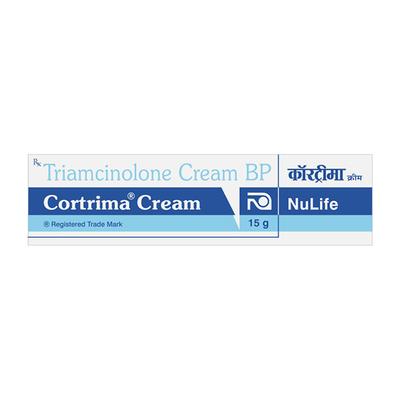
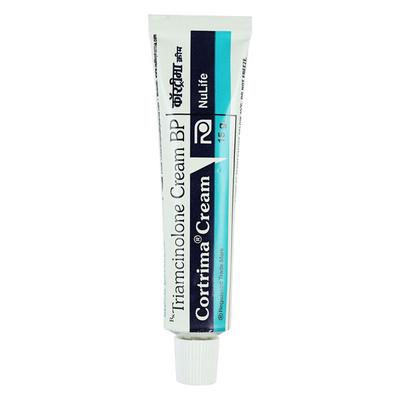
CORTRIMA CREAM contains triamcinolone acetonide, which belongs to a group of medicines called corticosteroids. It is used to manage and relieve itching and inflammatory conditions of corticosteroid-responsive skin diseases (dermatoses) such as seborrheic otitis externa (ear infection), dermatitis (skin inflammation) including allergic contact dermatitis (itchy skin rash due to allergies), winter dermatitis (a skin disease that occurs during winter), eczema (a dry, itchy, inflamed skin condition), psoriasis (a skin disorder with raised, rough, reddened areas covered with dry, fine silvery scales) and diaper rash, etc.
Before applying CORTRIMA CREAM inform your doctor if you have Cushing’s syndrome (overproduction of corticosteroid hormones), hyperglycemia (elevated blood sugar levels), glucosuria (glucose in the urine), and increased pressure in the brain.
CORTRIMA CREAM should be used during pregnancy only if necessary. CORTRIMA CREAM should be used with caution by breastfeeding women, as it is not known whether it passes through breast milk. CORTRIMA CREAM should be used with caution in children. Contact your doctor if any of the side effects get worse or persist.
Uses Of CORTRIMA CREAM
Relieves inflammatory and itching symptoms of corticosteroid-responsive skin diseases (dermatoses) of the following conditions:
- seborrheic otitis externa (ear infection)
- dermatitis (skin inflammation)
- contact allergic dermatitis (an itchy skin rash caused by allergies)
- winter dermatitis (a skin disease that occurs during winter)
- eczema (a dry, itchy, inflamed skin condition)
- psoriasis (a skin disorder with raised, rough, reddened areas covered with dry, fine silvery scales)
- diaper rash
How CORTRIMA CREAM Works
CORTRIMA CREAM is a corticosteroid which blocks the production of certain chemical messengers called prostaglandins that cause pain, inflammation, and allergy reactions.
How to use CORTRIMA CREAM
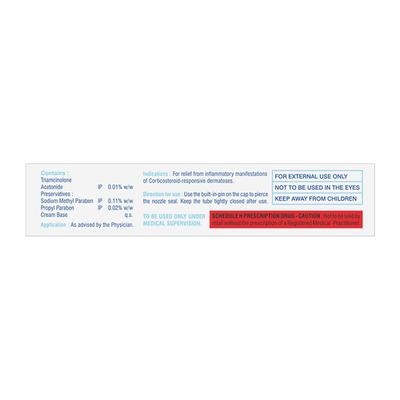
Apply CORTRIMA CREAM as directed by your physician. It is for external use only. Wash your hands with soap and water and apply a thin layer of the medicine to the affected area of the skin and rub it gently. Do not apply it to or near the eyes. Do not wrap or cover the skin with a bandage unless advised by the doctor.
Side Effects Of CORTRIMA CREAM
Rare
Stop using CORTRIMA CREAM and contact your doctor immediately if you experience any of the following side effects:
- irritation
Warning & Precautions

Pregnancy
CORTRIMA CREAM should be used with caution during pregnancy only if recommended by your doctor. Contact your doctor before applying CORTRIMA CREAM.

Breastfeeding
CORTRIMA CREAM should be used with caution by breastfeeding mothers as it is not known whether it passes through breast milk. Contact your doctor before applying CORTRIMA CREAM.

Allergy
Do not use CORTRIMA CREAM if you are allergic to triamcinolone and its constituents.
Others
Before using CORTRIMA CREAM tell your doctor if you have:
- cushing’s syndrome (overproduction of corticosteroid hormones)
- hyperglycemia (elevated blood sugar levels)
- glucosuria (glucose in the urine)
- increased pressure in the brain
Interactions
A. Drug-Drug Interactions:
Tell your doctor if you are applying or have recently taken any other medicines, including medicines obtained without a prescription, vitamin supplements or herbal products.
Overdosage:
If you or anyone has used an excessive amount of CORTRIMA CREAM than that was recommended, it may cause side effects such as reversible hypothalamic pituitary adrenal (HPA) axis suppression, symptoms of Cushing’s syndrome such as weight gain, thin arms and legs, round face, etc., high blood sugar levels, and glucose in urine. Consult your doctor immediately if any of the side effects get worse or persist.
Synopsis
| Drug | : |
Triamcinolone |
| Pharmacological Category | : |
Corticosteroids |
| Therapeutic Indication | : |
Skin diseases |
| Dosage Forms | : |
Injections, Tablets, Oral paste, Mouth paints, Gels, Lotions, Cream, Ointments, Nasal spray, Bilayer tablet, Buccal paste |
More Information
- Keep CORTRIMA CREAM out of the sight and reach from children
- CORTRIMA CREAM should be stored below 25°C
FAQs About CORTRIMA CREAM
What is CORTRIMA CREAM used for?
CORTRIMA CREAM is used to relieve itching and inflammatory conditions of corticosteroid-responsive skin diseases (dermatoses) such as seborrheic otitis externa (ear infection), dermatitis (skin inflammation) including allergic contact dermatitis (itchy skin rash due to allergies), winter dermatitis (a skin disease that occurs during winter), eczema (a dry, itchy, inflamed skin condition), psoriasis (a skin disorder with raised, rough, reddened areas covered with dry, fine silvery scales) and diaper rash. Contact your doctor before applying CORTRIMA CREAM.
How to use CORTRIMA CREAM?
Apply CORTRIMA CREAM as directed by your physician. It is for external use only. Wash your hands with soap and water and apply a thin layer of the medicine to the affected area of the skin and rub it gently. Do not apply it to the eyes. Do not wrap or cover the skin with a bandage unless advised by the doctor.
Is CORTRIMA CREAM safe in pregnancy?
CORTRIMA CREAM should be used during pregnancy only if necessary. Contact your doctor before applying CORTRIMA CREAM.
Can I stop using CORTRIMA CREAM?
This medicine should not be stopped suddenly. You may notice the return of symptoms within a few days if you stop applying the medicine.
What happens if I applied CORTRIMA CREAM in excess?
If you use an excessive amount of CORTRIMA CREAM than prescribed, it may get absorbed through the skin, cause side effects such as reversible hypothalamic pituitary adrenal (HPA) axis suppression, symptoms of Cushing’s syndrome such as weight gain, thin arms and legs, round face, etc., high blood sugar levels, and glucose in urine.
References
1. K D Tripathi. Drugs acting on skin and mucous membranes. Essentials of Medical Pharmacology. 7th Edition. Page – 895.
2. APOTHECON. U.S. Food & Drug Administration. [Accessed on 27th July 2022] https://www.accessdata.fda.gov/drugsatfda_docs/label/pre96/011601s036lbl.pdf
3. E. Fougera & Co. Triamcinolone. [Revised in March 2018] [Accessed on 27th July 2022] https://dailymed.nlm.nih.gov/dailymed/fda/fdaDrugXsl.cfm?setid=a5cc640f-c72d-49fa-b970-906c9ffd8629&type=display
4. Padagis Israel Pharmaceuticals Ltd. Triamcinolone. [Revised in September 2021] [Accessed on 27th Jul 2022] https://dailymed.nlm.nih.gov/dailymed/getFile.cfm?setid=5d2fe6c2-3856-47f6-843f-077b2e1080a0&type=pdf
5. Crown Laboratories. Triamcinolone. [Revised in June 2020] [Accessed on 28th July 2022] https://dailymed.nlm.nih.gov/dailymed/getFile.cfm?setid=2c7fee2c-6f57-4de4-8803-98
6. Crotrima cream (Triamcinolone 0.01 %). [Accessed on 28th July 2022] http://www.nulifepharma.com/p-products/cortrima-cream
7. Praiscort E ointment (Triamcinolone 0.05%). [Accessed on 28th July 2022] http://www.praisepharma.com/products_praiscort-e-ointment.html
Author Details