








Netmeds First Membership
Introduction About COREX DX SYRUP
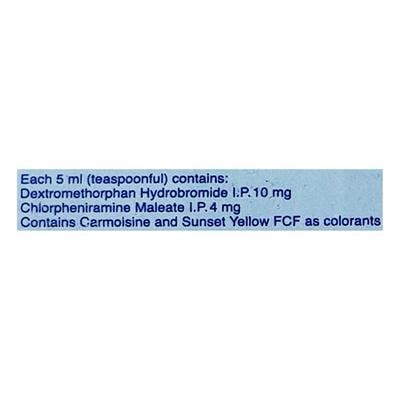
Corex DX Syrup is a combination medicine containing Chlorpheniramine Maleate and Dextromethorphan Hydrobromide. It may be prescribed for certain types of cough and associated symptoms, depending on the product's approved indications and the patient's condition. Chlorpheniramine Maleate belongs to the antihistamine group, while Dextromethorphan Hydrobromide is a cough suppressant.
The two active ingredients work through different mechanisms in the body. Dextromethorphan Hydrobromide acts on central pathways involved in the cough reflex, helping reduce the urge to dry cough. Chlorpheniramine Maleate blocks histamine H1 receptors, reducing the effects of histamine, a chemical messenger involved in allergic responses.
Corex DX Syrup may be recommended by a doctor based on the nature of the symptoms, the patient's age, medical history and individual requirements. Its suitability may vary depending on existing health conditions and the use of other medicines. Patients should inform their doctor about their medical history and current medications before using this syrup.
Corex DX Syrup should be taken orally and exactly as directed by the doctor. The prescribed dose, frequency and duration may vary according to individual requirements and the product instructions. Use an appropriate measuring device to measure the syrup accurately, and follow the directions provided with the medicine.
Some individuals may experience effects such as drowsiness, dizziness, dry mouth, nausea or stomach discomfort while using Corex DX Syrup. The occurrence and intensity of these effects may vary among individuals. If any symptom persists, worsens or becomes bothersome, consult your doctor for appropriate guidance.
Uses Of COREX DX SYRUP
It is used in the management of:
- Dry cough
- Allergic cough
- Night-time cough associated with respiratory irritation
- Cough associated with allergic conditions
Benefits of COREX DX SYRUP
Relief from Dry Cough
Helps relieve certain types of dry, non-productive cough by suppressing the cough reflex.
Relief from Allergy-Related Symptoms
Helps relieve certain allergy-related symptoms through the antihistamine action of chlorpheniramine maleate.
Support for Cough Symptom Management
Provides symptom-focused support for appropriate cough-related conditions when used as directed by your doctor.
How COREX DX SYRUP Works
Central Cough Reflex Modulation:
Dextromethorphan hydrobromide acts on the cough-control centre in the brain to suppress the cough reflex, helping reduce the urge to cough.
Histamine H1 Receptor Blockade:
Chlorpheniramine maleate blocks histamine H1 receptors, reducing the effects of histamine and helping relieve histamine-mediated allergic responses.
Combined Pharmacological Action:
Corex DX Syrup combines dextromethorphan hydrobromide and chlorpheniramine maleate, which act through different pathways. One modulates the cough reflex, while the other blocks histamine H1 receptors.
How to use COREX DX SYRUP
Recommended Dosage of Corex DX Syrup
- Take Corex DX Syrup in the amount prescribed by your doctor.
- Follow your doctor's instructions on how often to take it.
- Do not change the dose on your own.
How to Measure and Take Corex DX Syrup
- Take the syrup by mouth as directed by your doctor.
- Use a measuring cup or device to measure the correct amount.
- Shake the bottle before use only if instructed on the label.
- Do not use a regular household spoon to measure the syrup.
Timing and Frequency
- Take each dose at the time advised by your doctor.
- Follow the recommended time gap between doses.
- Do not take extra doses or take the syrup more often than prescribed.
Duration of Use
- Take Corex DX Syrup for the duration advised by your doctor.
- Do not continue using it longer than recommended without medical advice.
- If your symptoms continue, consult your doctor.
What if I forgot to take COREX DX SYRUP
- Follow the missed-dose instructions on the label or ask your doctor or pharmacist what to do.
- Do not take two doses together to make up for a missed dose.
Side Effects Of COREX DX SYRUP
Common Side Effects:
- Drowsiness
- Dizziness
- Nausea
- Vomiting
- Stomach discomfort
- Dry mouth
- Headache
- Loss of appetite
- Blurred vision
How To Manage Side Effects

Dizziness Or Drowsiness
- Get Adequate Rest: Allow yourself enough time to rest if you feel sleepy after taking Corex DX Syrup.
- Avoid Alcohol: Do not consume alcohol, as it may increase drowsiness and sedation.
- Avoid Driving: Do not drive or operate machinery if you feel sleepy or less alert.
- Use Medicines Carefully: Consult your doctor before taking other medicines that may cause drowsiness.
- Seek Medical Advice: Consult your doctor if drowsiness is severe, persistent, or interferes with daily activities.
Warning & Precautions

Pregnancy
Consult your doctorCorex DX Syrup should be used during pregnancy only if specifically recommended by your doctor after assessing the potential risks and benefits. Consult your doctor before taking this medicine.

Breastfeeding
ContraindicatedCorex DX Syrup is not recommended during breastfeeding, as chlorpheniramine may pass into breast milk and may cause adverse effects in the infant or reduce milk production. Consult your doctor before taking this medicine.

Driving and Using Machines
Use with CautionCorex DX Syrup may cause drowsiness and reduced alertness due to chlorpheniramine. If affected, avoid driving or operating machinery while taking this medicine.

Alcohol
ContraindicatedAlcohol consumption should be avoided while taking Corex DX Syrup, as it may increase drowsiness and sedation. Consult your doctor before consuming alcohol.

Kidney
Use with CautionCorex DX Syrup should be used with caution in patients with kidney impairment, as specific studies on dextromethorphan use in these patients are limited. Consult your doctor before taking this medicine.

Liver
Use with CautionCorex DX Syrup should be used with caution in patients with liver impairment, as dextromethorphan is extensively metabolised in the liver. Consult your doctor before taking this medicine.

Allergy
ContraindicatedDo not use Corex DX Syrup if you are allergic to dextromethorphan hydrobromide, chlorpheniramine maleate, or any other ingredients of this medicine. Seek medical attention if signs of an allergic reaction occur.

Heart Disease
Use with CautionCorex DX Syrup should be used with caution in patients with severe cardiovascular disorders or severe hypertension due to the effects of chlorpheniramine. Consult your doctor before taking this medicine.

Use In Pediatrics
Consult your doctorCorex DX Syrup is contraindicated in newborns. It should be given to children only at the age-appropriate dose and under medical guidance, as children may be more susceptible to certain side effects. Consult your doctor before giving this medicine to a child.

Use In Geriatrics
Use with CautionCorex DX Syrup should be used with caution in elderly patients, as they may be more susceptible to drowsiness and anticholinergic side effects, such as confusion and urinary retention. Consult your doctor before taking this medicine.
Other Warnings for COREX DX SYRUP
Before taking Corex DX Syrup, inform your doctor if you have:
- Epilepsy or a history of seizures
- Glaucoma or increased pressure in the eyes
- Urinary retention or an enlarged prostate
- Thyroid disorders or obstruction of the stomach outlet or intestine
- Porphyria or any other existing medical condition
Drug - Drug interaction
1. Monoamine Oxidase Inhibitors (MAOIs, e.g., phenelzine, tranylcypromine, selegiline)
Interaction: Dextromethorphan in Corex DX Syrup may interact with MAOIs, while MAOIs may also enhance the sedative and antimuscarinic effects of chlorpheniramine.
Effects: Increased risk of high body temperature, hallucinations, severe agitation, altered consciousness, and other serious adverse reactions.
Management: Concomitant use is contraindicated. Consult your doctor about the required interval between stopping an MAOI and starting Corex DX Syrup.
2. CNS Depressants (e.g., sleeping pills, anti-anxiety medicines, opioid pain relievers, sedatives)
Interaction: Chlorpheniramine in Corex DX Syrup may enhance the sedative effects of alcohol and other central nervous system depressants.
Effects: Excessive drowsiness, dizziness, impaired coordination, and reduced alertness.
Management: Avoid alcohol and use caution with medicines that cause sedation. Consult your doctor before combining these substances.
3. Tricyclic Antidepressants (e.g., amitriptyline, imipramine)
Interaction: These medicines may enhance the sedative and antimuscarinic effects of chlorpheniramine in Corex DX Syrup.
Effects: Increased drowsiness, dry mouth, blurred vision, constipation, and difficulty passing urine.
Management: Inform your doctor if you are taking tricyclic antidepressants. Use these medicines together only under medical supervision.
4. Other Anticholinergic Medicines (e.g., atropine, oxybutynin)
Interaction: These medicines may increase the antimuscarinic effects of chlorpheniramine in Corex DX Syrup.
Effects: Dry mouth, blurred vision, constipation, urinary retention, and confusion, particularly in older adults.
Management: Inform your doctor about all medicines you take. Medical supervision may be required when using these medicines together.
5. Phenytoin (Antiepileptic Medicine)
Interaction: Chlorpheniramine in Corex DX Syrup may inhibit the metabolism of phenytoin and potentially increase its blood levels.
Effects: Increased risk of phenytoin toxicity, which may cause abnormal eye movements, unsteadiness, poor coordination, and confusion.
Management: Inform your doctor if you take phenytoin. Monitoring and dose adjustment may be required.
Synopsis
|
Drug |
Dextromethorphan Hydrobromide + Chlorpheniramine Maleate |
|
Pharmacological Category |
Non-Opioid Antitussive + First-Generation H1 Antihistamine |
|
Therapeutic Indication |
Used in the management of dry cough and cough associated with allergic conditions. It helps suppress the cough reflex and relieve allergy-related symptoms. |
|
Dosage Forms |
Syrup |
More Information
1. How Digital Health Searches Are Changing the Way People Learn About Cough Medicines?
Online Searches for Cough Medicine Information
People increasingly use online resources to learn about medicine ingredients, product details, and appropriate usage. Reliable sources can help readers understand medicine information more clearly.
Understanding Active Ingredients on Medicine Labels
Reading the composition listed on a product label helps users identify its active ingredients and understand the purpose of each ingredient.
Recognising the Difference Between Brand Names and Ingredients
A medicine's brand name and active ingredients provide different types of information. Understanding both can help readers identify the product they are researching.
Checking the Reliability of Online Medical Information
Not all online health content is accurate or current. Readers should prioritise verified product information and guidance from qualified medical professionals when making decisions about medicines.
Making Informed Decisions About Cough Medicines
Understanding product information, intended use, and individual suitability can help people have more informed discussions with their doctors about cough medicines such as Corex DX Syrup.
2. Why Is Understanding Combination Medicines Important When Comparing Cough Syrups?
Understanding the Role of Each Active Ingredient
Combination medicines contain two or more active ingredients that may have different pharmacological actions. Knowing the role of each ingredient helps readers understand the product's composition.
Recognising Differences Between Cough Syrup Formulations
Cough syrups may contain different ingredients depending on their intended purpose. Comparing the listed composition helps readers distinguish between formulations.
Avoiding Unintentional Duplication of Ingredients Some medicines may contain the same active ingredient under different brand names. Checking product labels and discussing concurrent medicines with a doctor can help identify potential duplication.
Understanding Product Information Before Purchase
Details such as active ingredients, strength, pack size, and approved indications help readers assess whether a product matches the information provided by their doctor.
Discussing Medicine Selection With a Doctor
A doctor can consider the nature of the symptoms, medical history, age, and other medicines before advising whether a particular combination product is appropriate.
Corex DX Syrup: Understanding Its Composition
Corex DX Syrup contains chlorpheniramine maleate and dextromethorphan hydrobromide. Understanding the distinct roles of these ingredients provides useful context when reviewing the product's verified information.
FAQs About COREX DX SYRUP
Q. How should I take Corex DX Syrup?
A. Take Corex DX Syrup by mouth in the dose prescribed by your doctor. Use a suitable measuring device to measure the syrup accurately.
Q. Can Corex DX Syrup cause drowsiness?
A. Yes, chlorpheniramine may cause drowsiness in some individuals. Follow your doctor's advice and take care with activities requiring alertness.
Q. Can I drink alcohol while taking Corex DX Syrup?
A. It is advisable to avoid alcohol because it may increase drowsiness and reduce alertness.
Q. Can I give Corex DX Syrup to my child?
A. Consult your child's doctor before giving Corex DX Syrup, as suitability depends on the child's age and the product's approved instructions.
Q. Can I take Corex DX Syrup with other medicines?
A. Some medicines may interact with its ingredients. Inform your doctor about all medicines and supplements you are taking before using this syrup.
Q. Can I take Corex DX Syrup during pregnancy?
A. Consult your doctor before using Corex DX Syrup during pregnancy to assess whether it is suitable for you.
Q. Can I take Corex DX Syrup while breastfeeding?
A. Consult your doctor before using Corex DX Syrup while breastfeeding, as the suitability of its ingredients needs individual assessment.
Q. What should I do if my cough does not improve after taking Corex DX Syrup?
A. Consult your doctor if your cough persists or worsens. Seek prompt medical attention if you experience breathing difficulty, chest pain, or cough up blood.
References
1. Andrew A Monte, Ryan Chuang, Michael Bodmer. Dextromethorphan, chlorphenamine and serotonin toxicity: case report and systematic literature review. National Library of Medicine, National Center for Biotechnology Information. PubMed central. [Accessed date 23/10/2026] 
2. Ciplamed. Cheston CS Syrup. [Accessed date 23/10/2026] 