




Netmeds First Membership
Description
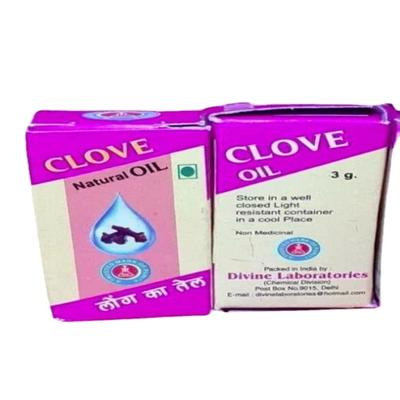
This natural oil, derived from clove trees, is recognized for its use in various applications. Traditionally, it has been utilized for addressing digestive upset and respiratory conditions. The primary component in the oil is eugenol, which has been a subject of study for its potential properties. It is commonly applied topically for skin concerns and is well-regarded for its use in dental applications, particularly for soothing toothaches. Its strong, spicy aroma also makes it suitable for aromatherapy.
Sourced from Clove Buds: The oil is produced by distilling the dried flower buds from the Syzygium aromaticum tree. Aromatic and Warming: It possesses a strong, spicy, and warm aroma, making it a popular choice for use in diffusers to create a comforting atmosphere. Component Eugenol: A primary component of the oil is eugenol, which contributes to its characteristic scent and properties. Versatile Applications: This oil can be used for aromatherapy, topical skin application when diluted, and for oral care. Antimicrobial and Antifungal Properties: Studies have suggested that clove oil has antimicrobial and antifungal characteristics, making it useful for various skin and health concerns.
Q: How can I use Clove Natural Oil for aromatherapy?
A: For aromatherapy, add a few drops of clove oil to a diffuser to fill the room with its warm, spicy scent. This can help create a relaxing atmosphere and reduce stress. You can also inhale the aroma directly from the bottle or by adding a few drops to a tissue.
Q: Is it safe to apply clove oil directly to the skin?
A: No, clove oil is highly concentrated and can cause skin irritation. It should always be diluted with a carrier oil, such as coconut or jojoba oil, before applying it topically. A patch test on a small area of skin is recommended before wider use to check for sensitivity.
Q: What are the potential benefits of using clove oil on the skin?
A: When diluted, clove oil may be beneficial for the skin due to its antimicrobial and anti-inflammatory properties. It is sometimes used to address acne, reduce the appearance of puffy skin, and soothe irritation.
Q: Can this oil be used for dental pain?
A: Clove oil has traditionally been used to relieve toothache pain due to its natural analgesic properties. However, it should be used with caution and it is advisable to consult a dental professional for any tooth-related issues before using the oil.
Q: Are there any precautions I should take before using clove oil?
A: Yes, always dilute clove oil before topical use. Avoid using it if you have bleeding disorders or are taking blood-thinning medications. It is not recommended for internal use without professional guidance. If you have any existing medical conditions or are pregnant, consult with a healthcare professional before use.
This natural oil, derived from clove trees, is recognized for its use in various applications. Traditionally, it has been utilized for addressing digestive upset and respiratory conditions. The pri...
Key Benefits
Soothes Tooth Discomfort: Clove oil is widely used to provide temporary relief from toothaches due to its numbing properties. Supports Skin Health: When diluted, it can be applied to the skin to address issues like acne, inflammation, and itching. Aids Digestion: The oil is traditionally used to help with digestive issues such as bloating and indigestion. Promotes a Calming Environment: In aromatherapy, its warm scent is used to reduce anxiety and improve concentration. Respiratory Relief: It is also used to help with respiratory conditions like coughs and asthma.
Soothes Tooth Discomfort: Clove oil is widely used to provide temporary relief from toothaches due to its numbing properties. Supports Skin Health: When diluted, it can be applied to the skin to ad...
Direction for Use/Dosage
For Toothache: Dilute a few drops of clove oil in a carrier oil like coconut or olive oil. Soak a clean cotton ball in the solution and apply it to the sore tooth, avoiding the gums. Reapply as needed every few hours. For Skin Application: Dilute the oil with a carrier oil (e.g., jojoba, coconut) before applying to the skin for concerns like acne or for massage. A common dilution is 15 drops of clove oil per ounce of carrier oil. For Aromatherapy: Add a few drops to a diffuser to fill the room with its warm and spicy fragrance. This can help create a soothing and mentally refreshing atmosphere.
For Toothache: Dilute a few drops of clove oil in a carrier oil like coconut or olive oil. Soak a clean cotton ball in the solution and apply it to the sore tooth, avoiding the gums. Reapply as nee...
Safety Information/Precaution
Always dilute clove oil with a carrier oil before applying it to the skin to prevent irritation. Conduct a patch test on a small area of skin, like the inside of your elbow, to check for sensitivity or allergic reactions before wider use. Avoid contact with eyes, inner ears, and other sensitive areas. Keep out of reach of children, as ingestion can be unsafe for them. Individuals with bleeding disorders or those on blood-thinning medication should consult a healthcare professional before use. It is advisable to consult with a doctor or qualified aromatherapist before using essential oils, especially if you are pregnant, nursing, or have any pre-existing medical conditions.
Always dilute clove oil with a carrier oil before applying it to the skin to prevent irritation. Conduct a patch test on a small area of skin, like the inside of your elbow, to check for sensitivit...
Other Information
Store the oil in a cool, dark place, preferably in a dark glass bottle to protect it from light, which can degrade the oil. The shelf life is typically around 2 years. Ensure the product is stored in a tightly closed container. For any concerns or before starting a new regimen, it is recommended to speak with a healthcare provider.
Store the oil in a cool, dark place, preferably in a dark glass bottle to protect it from light, which can degrade the oil. The shelf life is typically around 2 years. Ensure the product is stored ...