



Netmeds First Membership
Introduction About CLOBETA GM CREAM
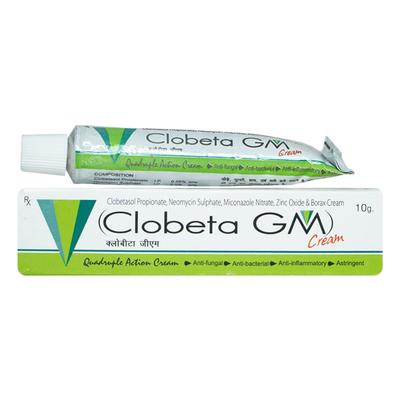
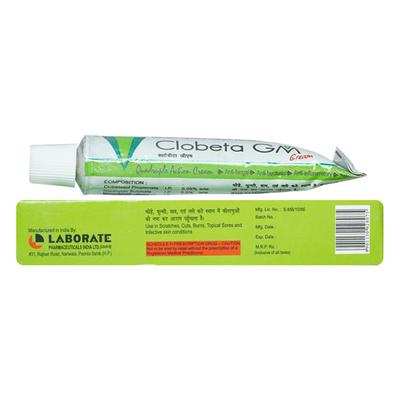
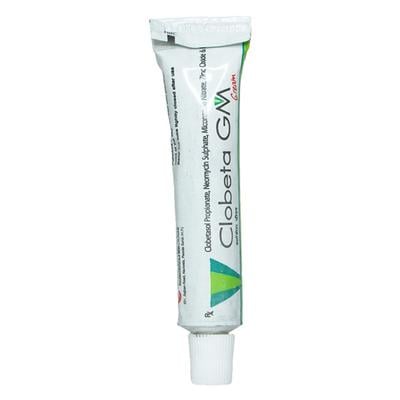
CLOBETA GM CREAM is a combination of Clobetasol, Miconazole and Neomycin which belongs to the group of Corticosteroids, Antifungals and Antibiotics respectively. It manages resistant dermatoses (skin infections) with secondary bacterial or fungal infection.
CLOBETA GM CREAM is not recommended for use in patients with rosacea, acne vulgaris, perioral dermatitis, perianal and genital pruritus, viral infections (ex. herpes simplex, chickenpox) and perforated eardrum. CLOBETA GM CREAM should be used with caution in patients with liver or kidney disease. Contact your doctor before applying.
CLOBETA GM CREAM is generally not recommended for use in pregnancy unless considered clearly necessary. CLOBETA GM CREAM should be used with caution in breastfeeding women as it is not known whether it may pass through the breast milk. CLOBETA GM CREAM is not recommended for use in children under 2 years of age. Contact your doctor before applying.
Dosage adjustment is not required for CLOBETA GM CREAM in the geriatric population. Common side effects of this medicine are skin rash, itching, redness, burning sensation and contact dermatitis. Contact your physician if any of the symptoms worsen.
Uses Of CLOBETA GM CREAM
- Manages resistant dermatoses (skin infections) with secondary bacterial or fungal infection
Benefits of CLOBETA GM CREAM
Helps Reduce Skin Redness and Itching
Clobeta GM Cream supports relief from discomfort caused by inflammation, helping calm redness, itching, and irritation on affected skin areas.
Supports Recovery in Skin Infections Guided by Doctors
The combination of ingredients helps manage symptoms linked to certain bacterial and fungal skin infections, offering supportive care as advised by a healthcare professional.
Helps Control Skin Inflammation in Specific Conditions
Its steroid component helps reduce swelling and irritation commonly seen in eczema, dermatitis, or other inflammatory skin issues, improving overall skin comfort.
Provides Broad Symptom Relief Due to Triple-Action Formula
The blend of a corticosteroid, an antifungal agent, and an antibacterial agent helps address multiple symptoms—such as redness, scaling, itching, and discomfort—within one formulation.
Useful for Localized Skin Areas
The cream can be applied directly to the affected area, allowing targeted action, making it convenient for managing small or moderate patches of irritated skin.
Helps Minimise Severity of Flare-Up Symptoms
With regular use as advised by a healthcare provider, the cream can help control symptom intensity such as burning, rashes, or excessive itching.
Helps Improve Skin Appearance by Reducing Irritation
As inflammation and infection-related symptoms decrease, the affected skin area may gradually look calmer and clearer.
How CLOBETA GM CREAM Works
Clobeta GM Cream works through a triple-action dermatological approach, where each ingredient contributes to a different function on the skin:
1. Clobetasol Propionate
- Clobetasol is a topical corticosteroid that acts on the skin’s inflammatory pathways.
- It reduces the activity of inflammatory cells and suppresses the release of mediators involved in redness, itching, and skin irritation.
- This leads to visible relief in swelling, discomfort, and irritation in affected skin areas.
2. Gentamicin
- Gentamicin is an aminoglycoside antibacterial agent.
- It binds to bacterial ribosomes and interferes with protein synthesis, helping reduce the load of susceptible bacteria present on the skin surface.
3. Miconazole Nitrate
- Miconazole is an imidazole antifungal agent.
- It works by interfering with fungal cell membrane formation through inhibition of ergosterol synthesis.
- This weakens the fungal cell structure and reduces fungal growth on the affected skin.
Combined Effect:
The combination addresses multiple surface-level concerns such as skin irritation, discomfort, and microbial overgrowth, helping restore skin comfort under medical guidance.
How to use CLOBETA GM CREAM
How to Apply
- Wash the affected skin area gently with mild soap and water; pat dry completely.
- Take a small amount of the cream and apply a thin, even layer over the affected region.
- Massage gently until the cream is fully absorbed.
- Wash hands after application unless the hands are the area being treated.
How Often to Use
- Apply exactly as instructed by your healthcare professional.
- It is commonly used once or twice daily, but the frequency may vary depending on the skin condition, age, and area of application.
Duration of Use
- Use it for the duration recommended, typically for short periods.
- Prolonged use on sensitive areas such as the face, groin, armpits, or large body surfaces should be done only under strict medical supervision.
Important Application Precautions
- Do not apply on broken skin, near eyes, mouth, or inside the nose.
- Avoid using under tight dressings or bandages unless specifically advised.
- Do not mix with other creams or ointments unless instructed.
- If a dose is missed, apply when remembered do not double-apply.
Overdose
If you or anyone else accidentally uses too much of CLOBETA GM CREAM, consult your doctor immediately or visit the nearby hospital.
Side Effects Of CLOBETA GM CREAM
Common
- skin rash, itching, redness
- burning sensation
- contact dermatitis
Consult your doctor:
- severe allergic reactions such as anaphylaxis or angioedema (skin rash, swelling of the face, lips, tongue, or throat causing breathing difficulty)
How To Manage Side Effects
Skin rash Or Itching
- Avoid hot showers because hot water can irritate the skin.
- Do not scratch the affected area.
- Use sunscreen and protective clothing when outdoors.
- Regularly use unscented moisturizers to soothe and hydrate the affected area.
- Contact your doctor if itching worsens.
Warning & Precautions

Pregnancy
ContraindicatedCLOBETA GM CREAM is not recommended for use in pregnancy unless considered clearly necessary. Contact your doctor before applying.

Breastfeeding
Use with CautionCLOBETA GM CREAM should be used with caution in breastfeeding women as it is not known whether it may pass through the breast milk. Contact your doctor before applying.

Kidney
Use with CautionCLOBETA GM CREAM should be used with caution in patients with kidney disease. Contact your doctor before applying.

Liver
Use with CautionCLOBETA GM CREAM should be used with caution in patients with liver disease. Contact your doctor before applying.

Allergy
ContraindicatedDo not use CLOBETA GM CREAM if you are allergic to Clobetasol, Miconazole, Neomycin, or to any other ingredients of this medicine.

Use In Pediatrics
ContraindicatedCLOBETA GM CREAM is not recommended for use in children under 2 years of age. Contact your doctor before applying.

Use In Geriatrics
Consult your doctorDosage adjustment is not required for CLOBETA GM CREAM in the geriatric population. However, greater sensitivity of some older individuals cannot be ruled out. Contact your doctor before applying.
Who should not take CLOBETA GM CREAM
CLOBETA GM CREAM is not recommended for use if you have:
- rosacea
- acne vulgaris
- perioral dermatitis
- perianal and genital pruritus
- viral infections (ex. herpes simplex, chickenpox)
- perforated eardrum
Drug - Drug interaction
1. Interactions Related to Clobetasol (Topical Steroid)
Medicines that may increase steroid absorption
- Other topical steroids (betamethasone, mometasone)
→ Using multiple steroids at the same time may increase skin thinning and irritation risk.
Strong enzyme-inducing medicines
- Rifampicin, phenytoin, carbamazepine
→ May alter steroid metabolism when absorbed systemically.
Immunosuppressive medicines
- Cyclosporine, tacrolimus, methotrexate
→ Combined use may influence immune response on the skin.
2. Interactions Related to Gentamicin (Topical Antibacterial)
Other aminoglycoside antibiotics
- amikacin
- tobramycin
- neomycin
→ Using multiple aminoglycosides can increase the risk of cumulative absorption leading to toxicity, especially if applied on broken skin.
Diuretics such as
- furosemide
- ethacrynic acid
→ May theoretically increase gentamicin-related ear or kidney toxicity if large skin surfaces absorb the drug.
3. Interactions Related to Miconazole (Topical Antifungal)
Blood-thinning medicines
- warfarin
→ Miconazole can enhance the effect of warfarin even through topical application, especially with prolonged use.
Other topical antifungals
- clotrimazole
- ketoconazole
→ Using multiple antifungals together may lead to irritation or reduced effectiveness.
Medicines that rely on CYP450 metabolism
- Some antidiabetic tablets
- Certain anticonvulsants
→ Miconazole may influence their levels when absorbed in small amounts.
4. Interactions with Cosmetic or Skincare Products
- Strong exfoliants (salicylic acid, glycolic acid)
- Alcohol-based creams/lotions
→ May irritate skin and increase steroid absorption.
5. Interactions with Herbal or Alternative Products
- Products containing St. John’s Wort
→ May reduce steroid effect by increasing metabolism. - Essential oils applied on the same site may increase irritation.
Synopsis
| Drug | : | Clobetasol, Miconazole, Neomycin |
| Pharmacological Category | : | Corticosteroids, Antifungals, Antibiotics |
| Therapeutic Indication | : | Skin infections |
| Dosage Forms | : | Cream, Lotion, Ointment |
More Information
1. How Skin Condition and Location Influence Use
Different body regions absorb topical medicines differently.
- Thin skin areas like the face, groin, and armpits absorb the cream more quickly.
- Thick skin areas like palms and soles require more time for absorption.
Because of this, healthcare professionals often tailor the prescribed duration and frequency for each patient.
2. Environmental and Lifestyle Factors That Affect Skin Response
Factors that may influence how well the cream works on your skin include:
- humidity and frequent sweating,
- friction from clothing,
- use of perfumed products on the same area,
- pre-existing dryness or irritation.
Being aware of these helps users care for their skin more effectively while using medicated creams.
3. Importance of Patch Testing for Sensitive Skin
People with highly sensitive or reactive skin may benefit from applying a tiny amount on a small area first. This helps identify any unexpected irritation before applying to larger skin surfaces.
Why You Should Not Suddenly Stop Using It
When strong topical corticosteroids are stopped abruptly after extended use, some individuals may notice a temporary return of redness or discomfort. Healthcare professionals may suggest a gradual tapering schedule in such cases to help the skin adjust.
4. How Long Before Visible Improvement
Most users begin noticing changes in external symptoms within a few days, but improvement depends on:
- the type of skin condition,
- extent of involvement,
- skin thickness,
- individual response.
This variability highlights the importance of following the prescribed duration.
5. Why Sharing Topical Medicines Should Be Avoided
Even though it is a skin-applied product, it should not be shared because:
- skin concerns may look similar but differ in cause,
- microbial flora vary from person to person,
- incorrect use can worsen underlying issues.
This helps maintain safety and hygiene.
If Skin Feels Over-Dry or Irritated
If dryness develops, spacing out applications or using a gentle moisturizer at another time may help.
Any persistent irritation or discomfort should be discussed with a healthcare professional.
FAQs About CLOBETA GM CREAM
Q: What are the possible side effects of applying CLOBETA GM CREAM?
A: The most common side effects of this medicine are skin rash, urticaria, itching, redness, burning sensation and contact dermatitis. Contact your physician if any of the symptoms worsen.
Q: Can I use CLOBETA GM CREAM in children?
A: CLOBETA GM CREAM is not recommended for use in children under 2 years of age. Contact your doctor before applying.
Q: For what conditions CLOBETA GM CREAM is used?
A: CLOBETA GM CREAM is used to manage resistant dermatoses (skin infections) with secondary bacterial or fungal infection.
Q: Does CLOBETA GM CREAM cause itching on the skin?
A: Yes, CLOBETA GM CREAM may cause skin itching at the site of application as a temporary side effect. However, if the itching persists or worsens, consult your doctor for advice.
Q: Can I stop using CLOBETA GM CREAM when my symptoms are relieved?
A: No, do not stop using CLOBETA GM CREAM and complete the full course of management, even if you feel better. Your symptoms may improve before the infection is completely managed.
Q: Who should not use CLOBETA GM CREAM?
A: CLOBETA GM CREAM is not recommended for use in patients with rosacea, acne vulgaris, perioral dermatitis, perianal and genital pruritus, viral infections (ex. herpes simplex, chickenpox), perforated eardrum. Contact your doctor before applying.
Q: Can Clobeta GM Cream be applied on open wounds or broken skin?
A: It should not be applied on open cuts, raw skin, or deep wounds unless specifically advised by a healthcare professional, as this may increase absorption and irritation.
Q: How long does Clobeta GM Cream usually take to show visible improvement?
A: Many users notice changes in external symptoms within a few days, but the duration varies depending on the skin condition, severity, and individual response. It is important to follow the recommended duration.
Q: Is it safe to use moisturizers along with Clobeta GM Cream?
A: Yes, gentle moisturizers may be used, but they should not be applied immediately before or after the medicated cream. A gap of at least 30 minutes is usually preferred to avoid altering absorption.
Q: Can Clobeta GM Cream be used on sensitive areas like the face or groin?
A: These regions absorb medicines more quickly, so use is often limited and should only be done as advised by a healthcare professional.
References
1. K.D. Tripathi. Drugs acting on the skin and mucous membrane, Antifungal Drugs & Aminoglycoside Antibiotics. Essentials of medical pharmacology. Seventh edition. 2013. Page – 895, 792, 750.
2. Bethesda (MD). Clobetasol. National Institute of Health. NLM. National Centre for Biotechnology Information. PubChem Compound Summary. 2004. [Accessed on 23rd April 2026] 
3. Bethesda (MD). Miconazole. National Institute of Health. NLM. National Centre for Biotechnology Information. PubChem Compound Summary. 2004. [Accessed on 23rd April 2026] 
4. Bethesda (MD). Neomycin. National Institute of Health. NLM. National Centre for Biotechnology Information. PubChem Compound Summary. 2004. [Accessed on 23rd April 2026]
Author Details